Peugeot 406 Coupe: Complete Buying Guide And Key Insights
Discover the timeless elegance and grand touring prowess of the Peugeot 406 Coupe, a Pininfarina masterpiece blending French comfort with Italian style.
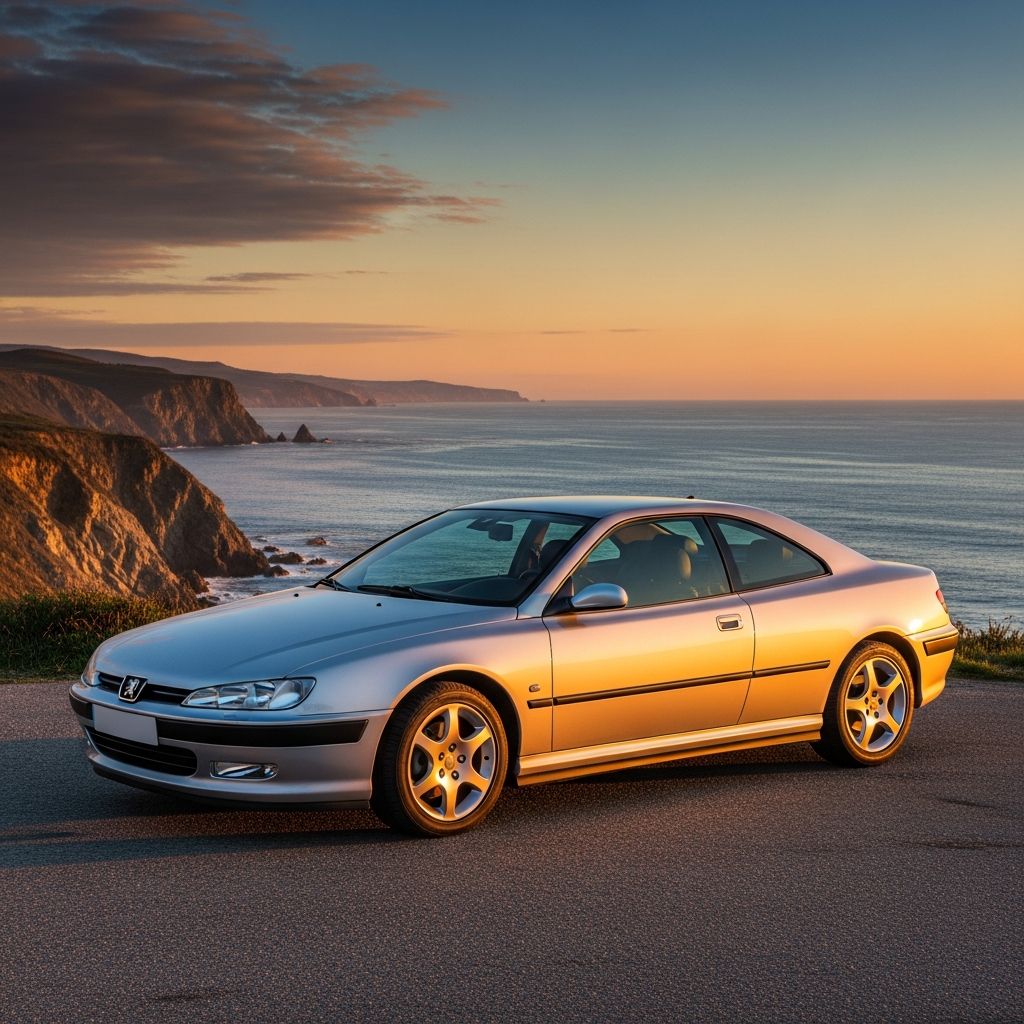
The Peugeot 406 Coupe stands as one of the most visually captivating production cars of its era, merging French engineering finesse with Italian design flair. Crafted by Pininfarina, this grand tourer prioritizes effortless cruising and luxurious comfort over outright sportiness, making it ideal for long-distance drives on sweeping roads or motorways.
Origins and Design Heritage
Introduced in the late 1990s, the 406 Coupe emerged from a collaboration that fused Peugeot’s mechanical expertise with Pininfarina’s styling genius. Unlike the saloon version, the Coupe shared only the floorpan, with every body panel uniquely sculpted in Italy. Rumors once linked it to a rejected Ferrari concept, evoking hints of the 456, but it was a bespoke creation from the ground up.
Its pillarless doors, flowing lines, and elegant proportions create a silhouette that turns heads even today. The slightly lowered stance and wider track enhance its poised appearance without compromising accessibility. This design philosophy positions it firmly in GT territory, emphasizing grace over aggression.
Engine Options and Performance
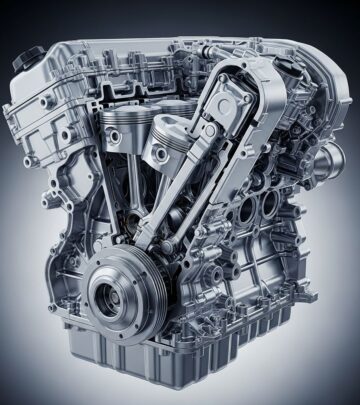
Buyers had choices across petrol and diesel variants, but the star is the 3.0-litre V6. Initially delivering around 190bhp, later updates pushed it to 210bhp, with Porsche’s tuning adding smoothness and tractability. Paired with a four-speed automatic or manual transmission, it provides effortless power for overtaking and highway cruising, achieving 0-60mph in under 9 seconds.
Entry-level models featured a 2.0-litre inline-four at 157kW (about 210bhp in some markets) or a 2.2-litre petrol with 160bhp. Diesel fans appreciated the 2.2 HDi’s 136bhp and superior torque for economical long hauls. Fuel economy varies: the V6 manages 25-30mpg in gentle driving, dipping lower under hard acceleration, while diesels excel at 35mpg+ on motorways.
| Engine | Power | Torque | 0-60mph | Fuel Economy (mpg) |
|---|---|---|---|---|
| 3.0 V6 | 190-210bhp | ~270Nm | ~8.5s | 25-30 |
| 2.2 Petrol | 160bhp | ~210Nm | ~9.5s | 28-32 |
| 2.2 HDi | 136bhp | ~320Nm | ~10s | 35-40 |
Performance shines in real-world scenarios: the V6 pulls strongly from low revs, ideal for relaxed touring, while maintaining agility on twisty routes.
Chassis Dynamics and Ride Quality
Peugeot’s renowned hydropneumatic suspension, shared with the saloon but tuned lower, delivers a supple ride that soaks up imperfections. It’s comfortable at low speeds despite some choppiness, transforming into a composed handler on faster roads. The multi-link rear and MacPherson front setup, combined with a wider track, ensures stability without harshness.
Steering is precise yet light, encouraging confident cornering. It’s no track weapon but excels as a GT, balancing poise and plushness. Brembo brakes on V6 models provide tremendous stopping power, though base versions may feel juddery when cold.
- Strengths: Supple suspension, stable high-speed cruising, strong brakes.
- Weaknesses: Light front-end feel in corners, average grip in wet conditions.
Interior Comfort and Features
Step inside to leather-clad Recaro seats that offer excellent support for long journeys, with heating and power adjustment on higher trims. The dashboard, carried over from the saloon, feels functional rather than flashy, but build quality impresses with solid materials.
Standard kit includes climate control (though fiddly), cruise control, dual airbags, ABS, fog lights, and a CD player. Pillarless doors feature auto-closing windows, and rain-sensing wipers add convenience. Boot space accommodates weekend luggage, though rear seats are snug for adults.
Noise insulation is exemplary, creating a serene cabin for motorway miles. However, air conditioning can struggle in extreme heat, and Peugeot badges fade over time.
Reliability, Maintenance, and Common Issues
Owners praise the 406 Coupe’s durability, with rust being rare thanks to galvanized steel. The V6 proves reliable, often exceeding 200,000 miles with basic care. Gearbox cables in manuals may stretch, but parts are available from Europe at reasonable cost.
Brakes are robust, though pads can squeal when cold. Suspension components last well, but check for leaks in hydropneumatic spheres. Electrics are straightforward, with few failures reported. Fuel-injected engines respond to regular servicing using quality oil.
- Rust: Minimal on well-maintained examples.
- Gearbox: Cable adjustments needed periodically.
- AC: Compressor issues in hot climates.
- Badges/Trim: Cosmetic wear common.
Running costs remain low for a classic; insurance is affordable, and parts are plentiful via specialists.
Buying Guide: What to Look For
Prices start at £3,000 for high-mileage 2.0s, rising to £8,000+ for pristine V6s. Seek full service history, especially for cambelt changes every 80,000 miles. Inspect suspension for uneven ride height, test brakes for judder, and scan for dashboard cracks.
Low-mileage cars may have sat idle, risking seal degradation. V6 models command premiums for their desirability. Add parking sensors post-purchase for urban ease.
| Model Year | Key Updates | Avg Price (2026) |
|---|---|---|
| 1997-2000 | Initial V6 190bhp | £4,000-£6,000 |
| 2001-2004 | 210bhp V6, new engines | £6,000-£10,000 |
Driving Experience: GT Cruiser Extraordinaire
Behind the wheel, the 406 Coupe feels special. The V6 hums smoothly, propelling you with refined urge. Ride comfort rivals luxury saloons, while handling surprises with agility on B-roads. It’s a car for savoring journeys, not rushing them.
Even the automatic 2.0 GLX offers smooth progression and responsive steering, impressing with its balance.
Why Choose the 406 Coupe Today?
In 2026, it offers understated style, mechanical sympathy, and value. Unlike modern cars, it engages without complexity. Enthusiasts cherish its rarity—fewer than 1,500 UK right-hand-drive examples remain.
Frequently Asked Questions (FAQs)
Is the Peugeot 406 Coupe reliable?
Yes, with proper maintenance, it’s highly reliable. V6 engines and Brembo brakes endure well, though gearbox cables need occasional attention.
What’s the fuel economy like?
V6 averages 25-30mpg; diesels hit 35-40mpg. Gentle driving maximizes efficiency.
How does it handle?
Supple and poised, best for GT cruising. Agile for its size but not a sports car.
Are parts still available?
Yes, from Peugeot specialists and Europe. Costs are reasonable for a classic.
What’s it worth now?
£3,000-£10,000 depending on condition and spec. V6 models hold value best.
References
- Peugeot 406 Coupe Reviews | Our Opinion — GoAuto. 2001-06-13. https://www.goauto.com.au/car-reviews/peugeot/406/coupe/2001-06-13/27927.html
- 2001 Peugeot 406 SV: owner review — Drive.com.au. 2021 (approx.). https://www.drive.com.au/reviews/2001-peugeot-406-sv-review-2/
- Peugeot 406 Coupé buying guide, history and review — Octane Magazine. 2023 (approx.). https://www.octane-magazine.com/articles/buying-guides/peugeot-406-coupe-buying-guide-history-and-review/
- Peugeot 406 V6 – What’s it like to drive? — Honest John. 2023 (forum post). https://www.honestjohn.co.uk/forum/post/159269/peugeot-406-v6–
- No Budget Reviews: 1997 Peugeot 406 2.0 GLX Automatic — YouTube (Lloyd Vehicle Consulting). 2023 (approx.). https://www.youtube.com/watch?v=mfD1LLVOcDA
Similar Articles


Read full bio of medha deb