Peugeot 307 XSi Buyer Guide: Sporty Family Hatchback
Discover the sporty yet practical Peugeot 307 XSi hatchback, blending family-friendly space with engaging performance.
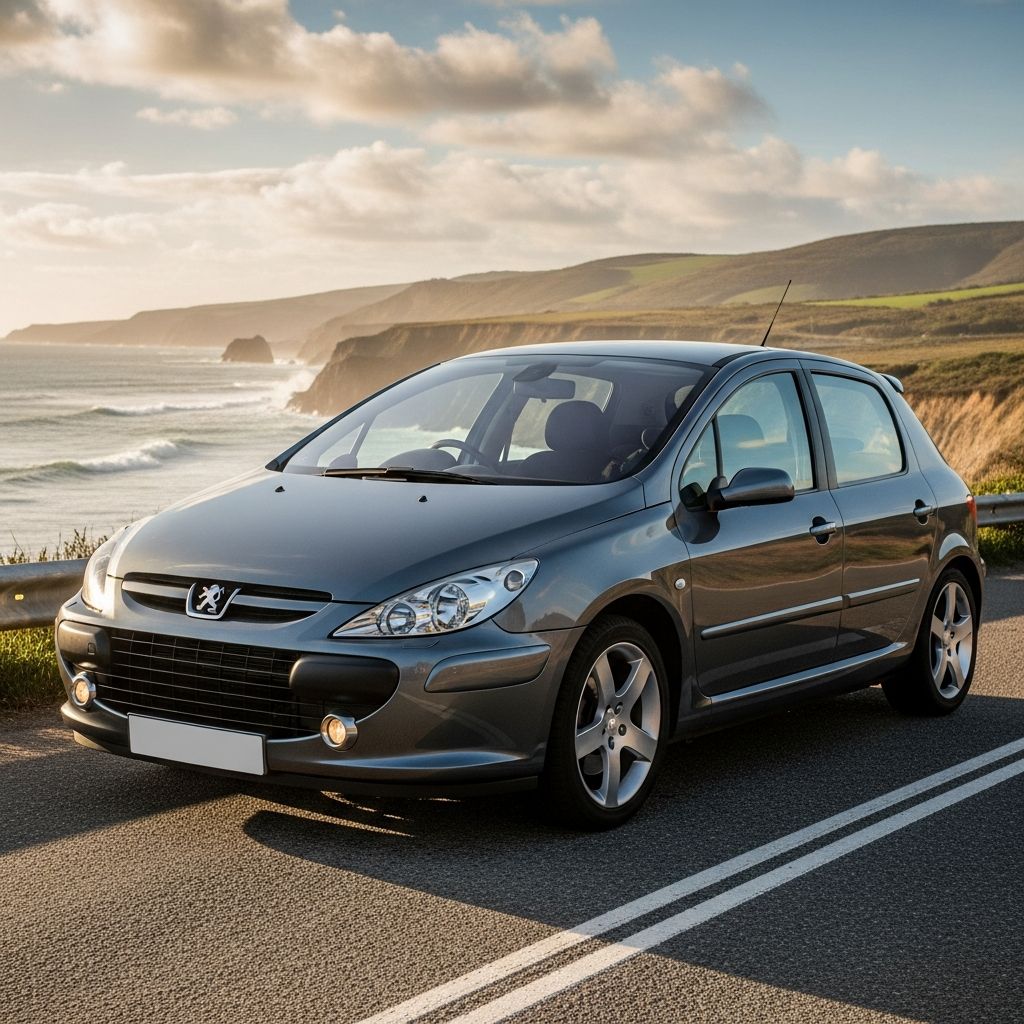
The Peugeot 307 XSi stands out in the crowded family hatchback segment with its bold styling, roomy interior, and punchy performance. Launched in the early 2000s, this three-door variant aimed to combine the thrill of sporty driving with everyday practicality, earning accolades like European Car of the Year in 2001. While it promised much, real-world ownership reveals a mix of strengths and quirks that potential buyers should weigh carefully.
Design and Exterior Appeal
At first glance, the 307 XSi exudes a muscular presence thanks to its 17-inch alloy wheels, flared wheel arches, and subtle badging. Measuring 4,419mm in length and 1,544mm in height, it strikes a balanced profile suitable for urban maneuvering and highway cruising. The cherry red paint option, popular on early models, enhances its sporty vibe, though the three-door layout prioritizes style over outright accessibility.
Practical touches include fog lamps and a metallic fascia accent, giving it a premium feel without excessive flashiness. However, the stiff door handles noted in long-term tests can frustrate daily use, occasionally sticking and requiring extra effort to operate smoothly.
Engine Performance and Power Delivery
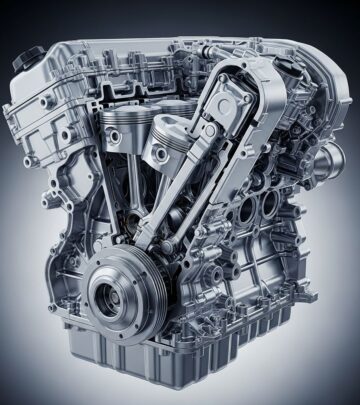
Under the hood, the 2.0-litre petrol engine delivers 138bhp, propelling the XSi from 0-62mph in around 9.8 seconds with a top speed of 124mph. This powerplant offers eager mid-range pull, making overtakes on dual carriageways effortless. Fuel delivery is managed efficiently with a catalytic converter meeting Euro 3 standards, though real-world economy hovers at 26.8mpg over extended driving, falling short of expectations for its class.
CO2 emissions at 188g/km place it in a favorable tax band compared to rivals like the Ford Focus 2.0 (207g/km), appealing to budget-conscious owners. For diesel fans, related 2.0 HDi variants provide even better torque from low revs, with overboost functionality kicking in from third gear for spirited acceleration without drama.
| Performance Metric | Peugeot 307 XSi 2.0 Petrol | Related 2.0 HDi XSi |
|---|---|---|
| 0-62mph | 9.8 seconds | ~9.2 seconds |
| Top Speed | 124mph | ~124mph |
| Fuel Economy (Combined) | 26.8mpg | Up to 45mpg extra-urban |
| Emissions | 188g/km | Lower HC/Nox |
Handling, Ride, and Driving Dynamics
On the road, the 307 XSi impresses with a composed ride that soaks up imperfections, thanks to its long-legged suspension setup. Body roll is well-controlled during cornering, and the steering provides decent feedback, though the MPV-like cabin can make precise placement tricky at higher speeds. The turning circle of 10.98m aids city driving, while switchable ESP and brake assist enhance safety during emergency stops.
- Strengths: Smooth power delivery, balanced chassis for mixed roads.
- Weaknesses: 17-inch wheels transmit more harshness over potholes.
- Overall: A Q-car that surprises with pace despite modest looks.
Owners praise the communicative steering and solid braking, describing it as a ‘nice package’ superior to some Japanese rivals in comfort. At motorway speeds, the engine hums quietly below 2,000rpm in top gear, minimizing fatigue on long trips.
Interior Comfort and Space Utilization
Cabin ergonomics shine with an excellent driving position, supportive sports seats, and bevelled instrument dials that add a touch of elegance. Stowage cubbies abound, and the in-dash CD changer (or autochanger in higher specs) keeps entertainment accessible. Leather-trimmed wheel and fabric/leather seats elevate the XSi trim, blending sportiness with usability.
Surprisingly for a three-door, rear passenger space is generous due to the cab-forward design, accommodating adults for short journeys. The boot is a standout at 137 litres seats-up (expandable vastly), swallowing bulky items like logs or bikes without folding seats—ideal for active families. A full-size spare adds peace of mind, tucked neatly under the floor.
However, rear legroom suffers if the driver is tall, and folding seats require some effort. Quality niggles like rattles and temperamental stalks emerge over time, dimming initial enthusiasm.
Practicality for Daily Ownership
The XSi’s versatility extends to towing (1,500kg braked) and loading (586kg max), with a 100kg roof capacity for extra gear. Servicing intervals are reasonable, with the first often free, though dealer visits may not always resolve minor issues like sticky handles.
Used buyers appreciate the low depreciation compared to some peers, plus dealer support. Highway efficiency around 7.0L/100km (about 40mpg) keeps running costs in check for the petrol version. Trim levels like S offer value, while XSi adds sporty flair without excess.
Reliability Insights and Common Issues
Long-term tests reveal mixed durability: early promise fades with rattles, indicator faults, and average build quality. Yet, many owners report trouble-free motoring, with comfy seats easing back pain better than Japanese alternatives. The 307 lineup, including estates and CC variants, generally feels well-built with plush trims.
- Pros: Spacious load area, refined engine, comfortable seats.
- Cons: Fuel thirstier than claimed, minor electrical gremlins, limited rear access in three-door.
Market Position and Buying Advice
Priced competitively in its era, the 307 XSi undercut flashier rivals while delivering similar space. Today, used examples represent value, especially diesels for efficiency. Opt for post-2003 models with updated turbodiesels for better refinement. Check for service history to avoid stalk or handle woes.
Body styles include five-door hatches, estates (including seven-seat SW), and the quirky CC convertible, broadening appeal. Against Focus or Astra, it excels in boot volume but lags in rear legroom and ultimate handling poise.
Frequently Asked Questions (FAQs)
What is the boot capacity of the Peugeot 307 XSi?
Seats up, it offers 137 litres, expanding significantly for bikes or large items without folding.
How fuel-efficient is the 2.0-litre XSi?
Real-world figures average 26.8mpg, with official urban at 25mpg and extra-urban up to 45mpg.
Is the 307 XSi reliable for long-term ownership?
Most owners find it dependable with good servicing, though watch for minor quality issues like stalks.
What trims are available?
From E to Feline, with XSi providing sporty upgrades like alloys and ESP.
How does it handle compared to rivals?
It offers a smooth ride with controlled roll, though not as sharp as a Focus.
Conclusion: Worth Considering Today?
The Peugeot 307 XSi blends fun, space, and affordability, making it a compelling used buy for families seeking style without compromise. Its massive boot and comfy cabin outweigh fuel and minor faults for many.
References
- Peugeot 307 2.0 XSi 16v [AC] 5dr Specs — Top Gear. Accessed 2026. https://www.topgear.com/car-reviews/peugeot/20-xsi-16v-ac-5dr/spec
- Peugeot 307 2.0 HDi 136 XSi Review — Car Keys. Accessed 2026. https://www.carkeys.co.uk/car-reviews/peugeot-307-20-hdi-136-xsi
- Peugeot 307 XSi Long-term Test — Auto Express. 2002. https://www.autoexpress.co.uk/peugeot/307/18818/peugeot-307-xsi
- Peugeot 307 Review (2001-2007) — Auto Express. 2006-12-29. https://www.autoexpress.co.uk/peugeot/307/20987/2001-2007-307-cc
- Used Peugeot 307 Review: 2001-2005 — CarsGuide. Accessed 2026. https://www.carsguide.com.au/car-reviews/peugeot-307-used-review-2001-2005-13328
- Peugeot 307 (2001-2007) Used Review — RAC Drive. Accessed 2026. https://www.rac.co.uk/drive/car-reviews/peugeot/307/307-2001-2007/
Similar Articles





Read full bio of medha deb