Peugeot 307 Used Car Guide: Space, Economy, Reliability
Discover why the Peugeot 307 remains a standout choice for comfort, space, and value in the used family hatchback market.
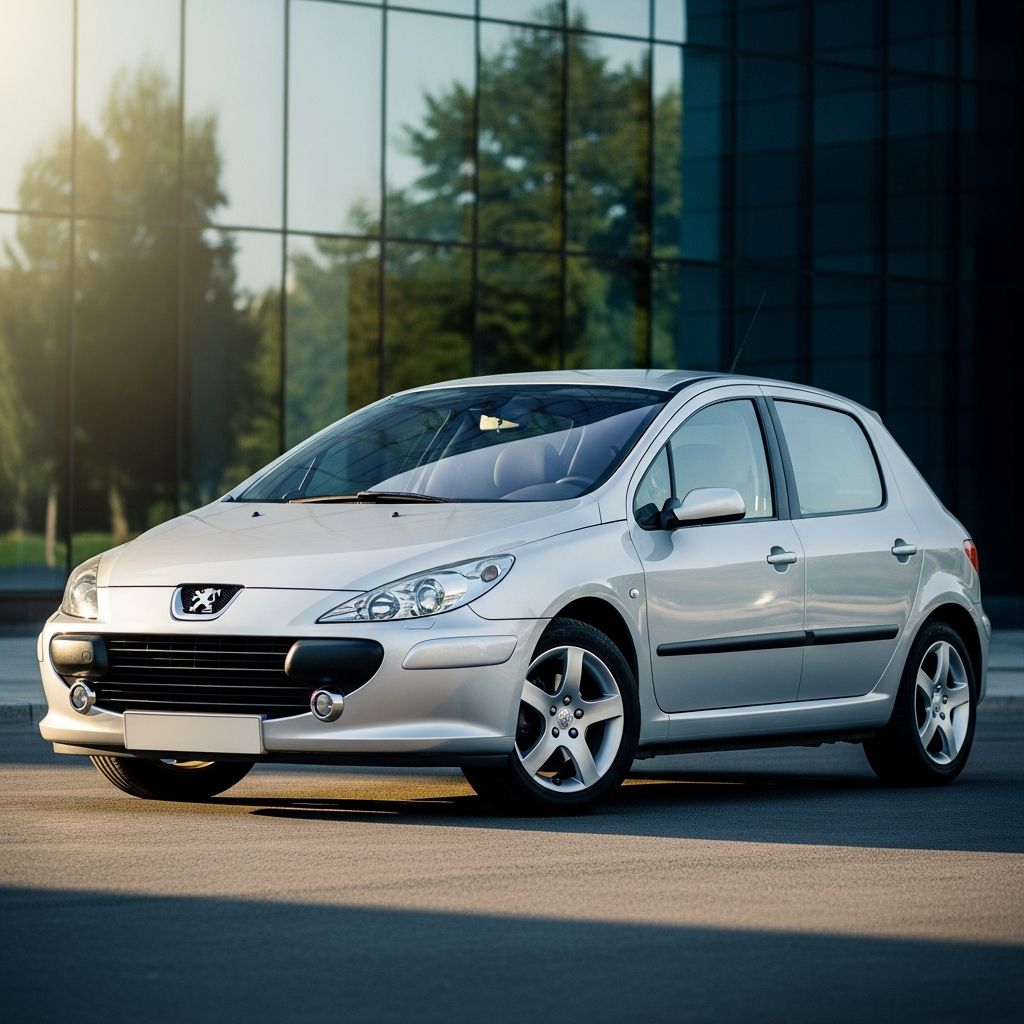
The Peugeot 307, launched in the early 2000s, redefined expectations for compact family cars with its emphasis on spaciousness and refinement. This hatchback stood out in a crowded segment by prioritizing passenger comfort and clever packaging over aggressive styling. Even years after production ended, it appeals to budget-conscious buyers seeking a practical daily driver.
Distinctive Design and Packaging
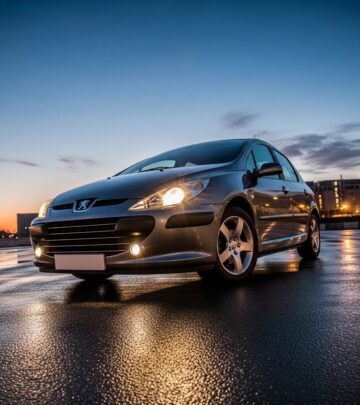
Peugeot adopted a bold approach with the 307’s exterior, featuring a high-roof, cab-forward layout that maximized internal volume without inflating the car’s footprint. This design choice resulted in one of the roomiest cabins in its class, surpassing many rivals in headroom and legroom. The tall stance and expansive glass areas create an airy atmosphere, while the overall shape remains conservative enough to age gracefully.
Unlike sleeker competitors, the 307’s bulbous form serves a functional purpose, accommodating generous elbow room and a distant windshield that enhances the sense of openness. Thick A-pillars, a common trait in modern vehicles for safety, slightly hinder roundabout visibility but pose no major issues in everyday use. Projector headlights and fog lamps on higher trims add a touch of sophistication, and facelifted models introduced updated grilles for a fresher look.
Interior Comfort and Practicality
Step inside the 307, and the focus on occupant well-being becomes evident. Soft-touch materials elevate the perceived quality, creating a welcoming environment that punches above its price point. Ergonomics receive careful attention, with intuitive controls and damped buttons that feel premium.
Front seating offers ample legroom and support, though the driving position sits slightly elevated, akin to many contemporaries. Rear passengers benefit from class-leading space, making it suitable for adults on shorter trips. Families appreciate the large door bins—capable of holding 1.5-liter bottles—sliding underseat storage, air-conditioned glovebox, and cargo nets to secure loads.
- Key storage solutions: Deep front door pockets, cooled glove compartment, underseat trays.
- Boot capacity: Adequate for family needs, with a practical hatch design.
- Climate features: Two-zone control on select models keeps everyone comfortable.
The dashboard layout prioritizes clarity, with straightforward illumination that’s functional if unremarkable. Stereo systems are average from the factory but easily upgraded. Overall, the 307 transforms mundane commutes into pleasant experiences.
Engine Range and Performance
Buyers had diverse powertrain options, from frugal petrol units to torquey diesels. The 1.4-liter petrol, as tested in some reviews, delivers adequate performance for urban and suburban duties without strain. It revs willingly, maintains composure at motorway speeds up to 85-90 mph, and posts respectable economy figures.
Diesel variants shine brighter, particularly the 2.0 HDi with 136 bhp or 100 kW in XSE guise, paired with a six-speed manual. These engines offer relaxed pulling power—320 Nm of torque—and superior fuel efficiency, often exceeding 50 mpg combined. They excel on long hauls, making the 307 a sensible pick for high-mileage drivers.
| Engine | Power | Torque | Fuel Economy (mpg) |
|---|---|---|---|
| 1.4 Petrol | Adequate | Modest | ~45 combined |
| 2.0 HDi Diesel | 136 bhp / 100 kW | 320 Nm | 54+ combined |
Petrol models suit light use, but diesels dominate for cost savings at the pump. All units feel refined, with muted engine noise contributing to the serene cabin.
Driving Experience and Handling
The 307 prioritizes composure over sportiness, delivering a supple ride that soaks up imperfections while curbing body roll effectively. Its chassis exhibits underlying poise, turning precisely despite over-assisted steering that lacks feedback. Grip levels are predictable, with no nasty surprises in corners.
On A-roads and motorways, it cruises effortlessly, suppressing wind and road noise for relaxed progress. The suspension tuning strikes a balance, feeling more engaging than some softer rivals. While it won’t match the 306’s zeal, the 307 proves a capable all-rounder for family transport.
Steering, though numb, is accurate, and braking is confident. It’s an ideal choice for those valuing comfort over thrills, though enthusiasts might prefer sportier alternatives.
Reliability, Ownership Costs, and Buying Advice
As a used buy spanning 2001-2008 (or later in some markets), the 307 offers strong value. Diesels hold appeal for their economy, but inspect for common diesel particulate filter issues or turbo wear. Petrol engines prove durable with basic maintenance.
Running costs remain low, with affordable parts availability and insurance groups suiting its nature. Aim for post-facelift models with updated interiors and tech. Service history is key—prioritize low-mileage examples from meticulous owners.
- Pros: Vast interior, comfortable ride, efficient diesels, practical storage.
- Cons: Numb steering, average factory audio, thick pillars affect visibility.
- Best for: Families, commuters seeking space on a budget.
Variants and Special Editions
Beyond the standard hatch, the 307 SW estate expands cargo versatility, while CC retractable-roof models add flair. Sporty GTi versions inject more power for dynamic drives. Each variant retains the core strengths of space and ride quality.
Facelifts brought cosmetic tweaks, improved stereos, and climate upgrades, enhancing appeal without major mechanical changes.
Peugeot 307 vs. Rivals
| Feature | Peugeot 307 | Ford Focus | VW Golf |
|---|---|---|---|
| Interior Space | Excellent | Good | Average |
| Ride Comfort | Superior | Balanced | Firm |
| Fuel Economy (Diesel) | 54 mpg | 50 mpg | 52 mpg |
| Used Value | High | Moderate | Premium |
The 307 edges out in roominess and comfort, trading some handling sharpness for everyday usability.
Frequently Asked Questions (FAQs)
Is the Peugeot 307 reliable?
With proper maintenance, yes—diesels are particularly robust, though check for swirl flap issues in early models.
What’s the best engine for the 307?
The 2.0 HDi diesel for efficiency and torque; 1.4 petrol for low-cost urban running.
How much boot space does it have?
Around 340 liters in the hatch, expanding significantly with seats folded—ample for family groceries or weekend gear.
Is the 307 good for motorway driving?
Yes, especially diesels; stable up to 90 mph with minimal noise.
Should I buy a used 307 today?
Absolutely, if serviced well—offers premium space at budget prices.
Final Thoughts on the Peugeot 307
The Peugeot 307 endures as a benchmark for practical family motoring. Its cavernous interior, refined ride, and efficient engines make it a compelling used option, outshining many peers in comfort and value. For buyers prioritizing space over sportiness, it delivers without compromise.
References
- 307 Road Test – 307 Review — StrikeEngine. Accessed 2026. https://strikeengine.com/88/
- Peugeot 307 (2001 – 2007) used car review — RAC Drive. Accessed 2026. https://www.rac.co.uk/drive/car-reviews/peugeot/307/307-2001-2007/
- Peugeot 307 | Auto Express — Auto Express. Accessed 2026. https://www.autoexpress.co.uk/car-reviews/16203/peugeot-307
- Used Peugeot 307 review: 2001-2008 — CarsGuide. 2001-2008 review. https://www.carsguide.com.au/car-reviews/peugeot-307-used-review-2001-2008-30034
- Used car review: Peugeot 307 HDi — Drive. 2010-07-24. https://www.drive.com.au/reviews/used-car-review-peugeot-307-hdi-20100724-16jjk/
Similar Articles





Read full bio of medha deb