Nissan X-Trail: A Comprehensive Family SUV Review
Explore the practical seven-seat hybrid SUV combining comfort and innovative e-Power technology.
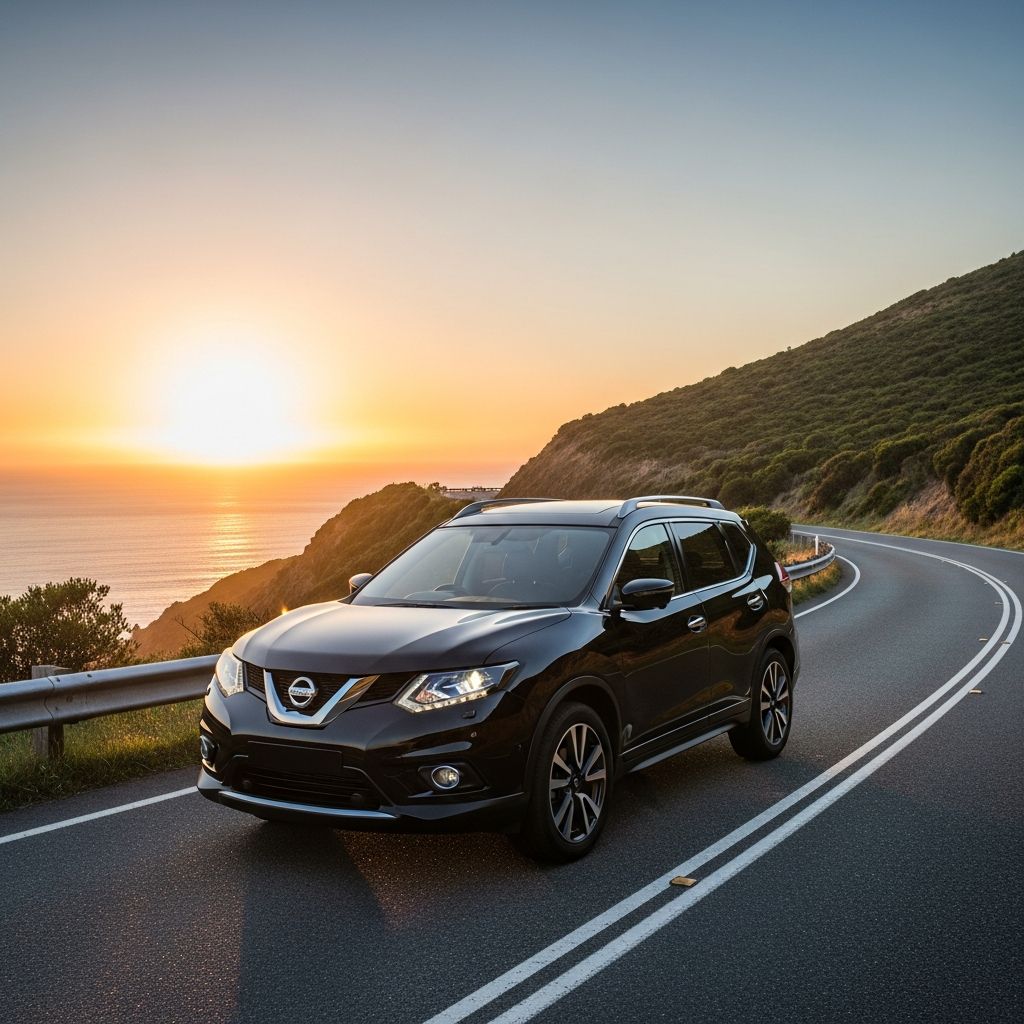
The Nissan X-Trail stands as one of the automotive industry’s longest-running SUV offerings, establishing itself as a reliable choice for families seeking spacious, practical transportation with modern technology integration. The latest generation represents a significant evolution in design philosophy, combining traditional SUV ruggedness with innovative powertrain solutions that challenge conventional automotive engineering approaches.
Understanding the e-Power Hybrid Innovation
What distinguishes the X-Trail from conventional hybrid vehicles is its unique e-Power system architecture. Rather than switching between petrol and electric powertrants, the 1.5-litre turbocharged petrol engine functions exclusively as an electrical generator, never directly driving the wheels. This fundamental design difference creates a driving experience that mirrors electric vehicles in smoothness and responsiveness, while maintaining the practicality of traditional refueling.
The system charges the battery continuously, which then powers electric motors responsible for propelling the vehicle. This arrangement eliminates range anxiety associated with pure battery electric vehicles, as the onboard generator ensures consistent power availability without requiring plug-in charging infrastructure. For fleet operators and everyday drivers accustomed to conventional fuel stations, this represents a compelling middle ground between traditional and fully electric powertrains.
Performance Characteristics and Powertrain Options
The X-Trail e-Power delivers impressive performance metrics for its vehicle class. The system produces total output of 157 kilowatts and 250 newton-metres of torque, with the electric motors generating even higher instantaneous torque delivery typical of electric drivetrains. The front-wheel-drive configuration generates 201 horsepower, while the enhanced e-4ORCE all-wheel-drive variant adds a second electric motor to the rear axle, increasing output to approximately 210-211 horsepower at the wheels.
Acceleration performance remains competitive within the mid-size SUV segment, with the 0-62 miles per hour benchmark typically accomplished between seven and eight seconds depending on specification. Despite these acceleration capabilities, real-world driving delivers smooth, progressive acceleration resembling electric vehicle characteristics rather than traditional petrol engines. Five distinct drive modes—Eco, Auto, Sport, Snow, and Off-Road—allow drivers to optimize performance for varying conditions and priorities.
Fuel Consumption and Environmental Impact
Official fuel economy ratings specify 6.1 litres per 100 kilometres for the e-Power system, representing a respectable achievement for a medium-sized SUV equipped with all-wheel-drive capability and genuine off-road competency. Real-world urban driving demonstrates slightly elevated consumption at approximately 6.9 litres per 100 kilometres, remaining within acceptable parameters for the vehicle’s size and capability.
Carbon dioxide emissions measure 139 grams per kilometre, contributing to the X-Trail’s environmental profile as a more efficient choice within its category. While not approaching fuel economy figures exceeding 50 miles per gallon that enthusiasts might desire, the e-Power system’s efficiency represents a meaningful improvement over conventional petrol engines in comparable vehicles. When tested against competing hybrid options such as the Kia Sorento Hybrid, the X-Trail demonstrated superior efficiency, averaging 42.5 miles per gallon compared to the competitor’s 39.5 miles per gallon.
Interior Packaging and Seating Configuration
A primary differentiator in the mid-size SUV segment is the X-Trail’s provision of genuine seven-seat capacity. This configuration grants families and group travelers valuable flexibility rarely encountered in this vehicle category. The third-row seating, while appropriate for younger passengers or emergency situations rather than extended adult journeys, adds practical versatility for families managing multiple children or occasionally accommodating additional passengers.
The cabin emphasizes comfort prioritization over sportiness, reflecting Nissan’s design philosophy for this family-oriented vehicle. Material quality and layout demonstrate attention to user experience, with intuitive control placement and clear instrumentation reducing learning curves for new occupants. Technology integration includes comprehensive infotainment systems across most trim levels, providing connectivity features and entertainment options expected in contemporary automotive designs.
Safety Technology and Protective Systems
The X-Trail achieved full five-star Euro NCAP safety certification, reflecting comprehensive protective engineering across multiple assessment categories. Adult occupant safety and child occupant safety both exceeded 90 percent achievement levels, indicating robust protection for vehicle occupants across age ranges. The Safety Assist category achieved particularly impressive 95 percent ratings, demonstrating advanced collision avoidance and mitigation capabilities.
Standard safety equipment across all trim levels includes autonomous emergency braking, automatic high-beam functionality, blind-spot monitoring, lane-keeping assistance, and rear parking sensors. These systems operate seamlessly without generating excessive driver intrusion or annoyance, with simple button controls allowing customization of assistance levels based on individual preferences. Traveling with these assistance systems engaged creates stress-free driving experiences, particularly during extended journeys or challenging traffic conditions.
Trim Levels and Equipment Hierarchy
The X-Trail lineup encompasses five distinct trim levels: Acenta Premium, N-Connecta, N-Trek, Tekna, and Tekna+. This range accommodates varying buyer priorities and budgets while maintaining quality standards across configurations. The previous entry-level Visia trim has been discontinued, eliminating configurations lacking crucial equipment such as modern infotainment systems and reversing camera technology.
Standard equipment provision remains generally strong throughout the range, ensuring even base configurations include technology and comfort features expected in contemporary family vehicles. Higher trim levels progressively introduce premium materials, advanced convenience features, and enhanced technology packages. This structured approach allows buyers to balance capability requirements with budget constraints while ensuring even modestly-equipped versions maintain acceptable feature completeness for practical family use.
Advanced Driving Efficiency Features
The X-Trail inherits Nissan’s ‘e-Pedal Step’ technology from its electric vehicle lineup, enabling sophisticated energy recovery during deceleration. When drivers ease off the accelerator pedal, the system applies regenerative braking, simultaneously slowing the vehicle while directing energy into the battery system. This continuous energy recovery cycle contributes meaningfully to efficiency improvements, though the combination of advanced hardware and sophisticated management systems falls somewhat short of propelling the e-Power variant beyond 50 miles per gallon targets that highly optimized competitors occasionally achieve.
Powertrain Configuration Flexibility
Buyers selecting the e-Power hybrid system retain meaningful configuration choices regarding wheel drive preference. Standard front-wheel-drive configurations prioritize efficiency and reduce complexity, appealing to urban and suburban drivers. The alternative e-4ORCE all-wheel-drive system distributes motor torque through onboard computer optimization, directing power where traction conditions demand it most. This intelligent distribution maintains efficiency advantages while enhancing capability during challenging terrain encounters or adverse weather conditions.
Practical Capability and Real-World Application
The X-Trail presents itself as fundamentally practical transportation prioritizing everyday utility over driving excitement or performance thrills. This design philosophy resonates with family purchasers valuing cargo versatility, passenger accommodation, and reliable operation over dynamic handling engagement. The vehicle’s rugged exterior styling suggests off-road competency, with capability matching touring expectations more than extreme adventure requirements.
Testing demonstrates unexpectedly efficient real-world fuel economy performance, with some configurations recording consumption figures substantially below manufacturer specifications. The all-wheel-drive variant, despite increased mechanical complexity and weight compared to front-wheel-drive equivalents, occasionally delivers efficiency matching front-drive claims, reflecting optimized e-Power system management and potential driver familiarity with energy-efficient operating techniques.
Fleet and Company Car Considerations
While the X-Trail’s innovative e-Power system delivers compelling advantages, company-car driver considerations warrant examination. The vehicle’s size and weight fundamentally constrain fuel economy potential despite advanced hybrid technology, potentially affecting company car tax calculations and driver preferences in markets heavily weighing fuel consumption metrics. The large interior and comprehensive feature set appeal to professionals requiring comfortable daily transportation and passenger accommodation, though fuel economy efficiency may not deliver the dramatic savings some decision-makers anticipate.
Market Position and Competitive Standing
The X-Trail competes directly with established rivals including the Skoda Kodiaq, Kia Sorento, and Hyundai Santa Fe across comparable mid-size, family-oriented SUV segments. These competitors represent serious alternatives, each offering distinct advantages in specific categories. The X-Trail’s particular strengths emerge through its innovative e-Power hybrid system, genuine seven-seat configuration, and balanced approach combining comfort, technology, and practical functionality without pursuing extreme specialization in any singular direction.
Value Proposition and Purchase Considerations
The X-Trail presents strong value for families prioritizing spacious accommodation, advanced safety systems, and modern technology within a practical package emphasizing daily usability over performance specification. The extended warranty offering—standard five-year unlimited kilometre coverage with extension possibilities to ten years or 300,000 kilometres—provides meaningful ownership confidence and long-term value protection for purchasers concerned about extended reliability.
Pricing commences from approximately $30,990 for base configurations, with capacity for meaningful towing—up to 2,000 kilograms—adding practical versatility for families requiring occasional trailer utility. This combination of capability, technology, accommodation, and reasonable pricing creates compelling overall value, particularly for buyers valuing practicality, safety, and technology integration alongside economic considerations.
References
- 2025 Nissan X-Trail e-Power Review: A Hybrid That Drives Like an EV — Fleet Auto News. 2025. https://fleetautonews.com.au/2025-nissan-x-trail-e-power-review-a-hybrid-that-drives-like-an-ev/
- Nissan X-Trail review – a seven-seat SUV with hybrid power — CarBuyer. 2024-10-30. https://www.carbuyer.co.uk/nissan/x-trail
- 2025 Nissan X-Trail review — CarExpert. 2025. https://www.carexpert.com.au/car-reviews/2025-nissan-x-trail-review
- Nissan X-Trail Review 2026 — Top Gear. 2026. https://www.topgear.com/car-reviews/nissan/x-trail
- Nissan X-Trail Review 2026 | Interior, Boot Space & Price — CarWow. 2026. https://www.carwow.co.uk/nissan/x-trail
Similar Articles




Read full bio of medha deb