Nissan Skyline GT-R R34: Performance, Specs, And Legacy
Explore the legendary Nissan Skyline GT-R R34's engineering and performance legacy
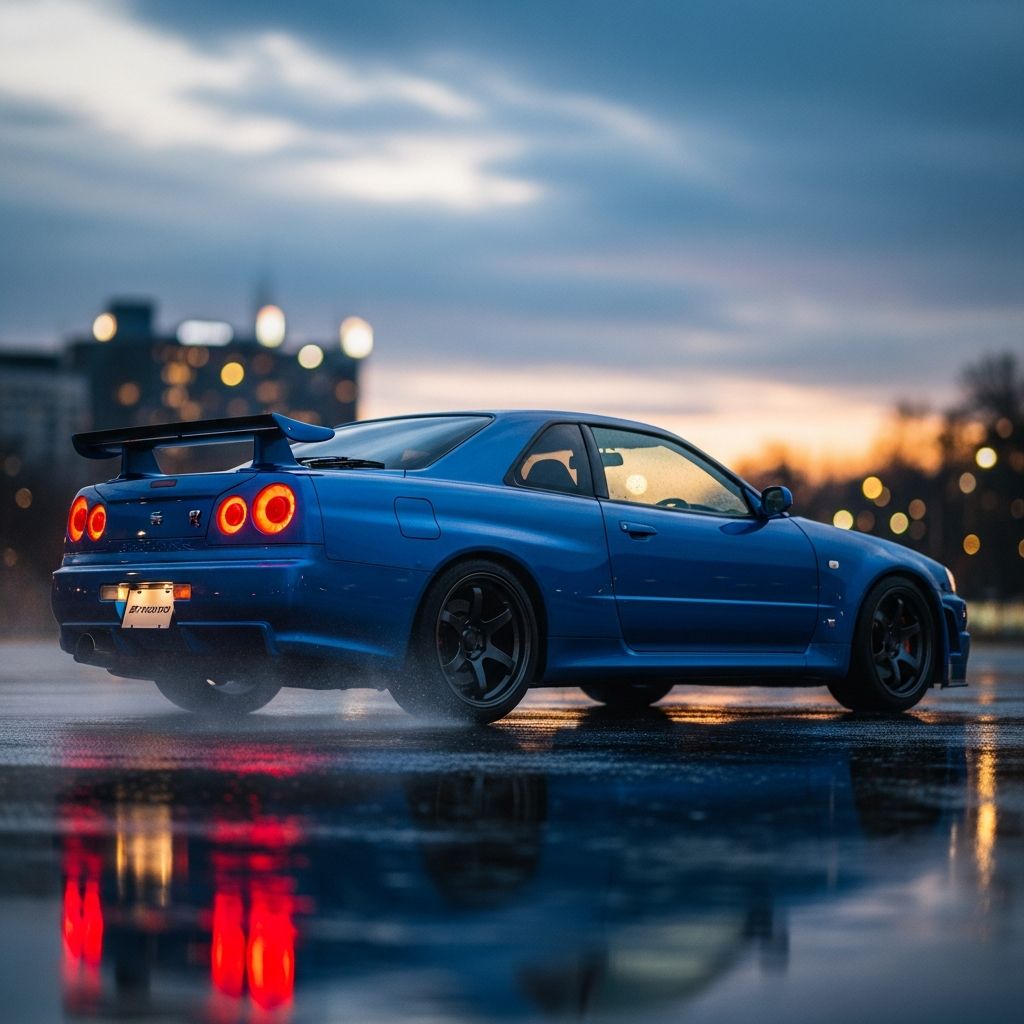
The Nissan Skyline GT-R R34 represents a pinnacle achievement in automotive performance, combining cutting-edge technology with meticulous engineering that established new benchmarks for the industry. Introduced in 1999, this Japanese sports coupe became an icon among enthusiasts and professionals alike, delivering a sophisticated blend of raw power and technological sophistication that continues to influence modern performance vehicle design. The R34 generation stands as the final chapter of the legendary Skyline GT-R lineage before the nameplate’s transition, cementing its place in automotive history as a machine that successfully balanced daily usability with extreme performance capability.
Engineering Philosophy and Design Strategy
The R34 generation emerged from a philosophy that prioritized technological integration over simple horsepower inflation. Nissan engineers approached the vehicle’s development with an understanding that sustainable performance derives from harmonizing multiple systems into a cohesive whole. The design team implemented an all-wheel-drive architecture that fundamentally changed how drivers could harness the engine’s output, distributing power intelligently across all four wheels rather than relying solely on rear-wheel dynamics.
The bodywork underwent significant refinement compared to its predecessor, with aerodynamic enhancements that improved stability at high speeds while maintaining the aggressive visual identity that made the GT-R instantly recognizable. The chassis incorporated multi-link suspension systems at both the front and rear, utilizing coil springs with passive dampers to create a platform that could accommodate both spirited driving and extended road journeys without excessive harshness.
Powertrain Architecture and Mechanical Excellence
At the heart of the R34 resides an inline-6 cylinder engine featuring twin turbochargers with an intercooler system. This 2.6-liter displacement powerplant produces 276 brake horsepower at 7000 rpm, generating 289 pound-feet of torque at 4400 rpm. The six-speed manual transmission works in concert with an active rear limited-slip differential to optimize traction distribution, a critical component for translating power into forward acceleration.
The twin-turbocharger configuration represents a sophisticated approach to forced induction, employing ceramic turbine technology that reduces heat retention and enables rapid spool-up characteristics. This engineering choice balances responsiveness with reliability, allowing drivers to access power delivery across a broad RPM range rather than experiencing the traditional turbo lag associated with earlier turbocharged designs.
Performance Specifications and Real-World Dynamics
The R34 V-spec variant weighs 1560 kilograms, resulting in a power-to-weight ratio of 180 brake horsepower per ton. This relationship between mass and output enables acceleration from zero to 60 miles per hour in approximately 4.8 seconds, with a claimed top speed of 165 miles per hour. Independent testing data suggests even faster real-world performance, with documented acceleration times approaching 4.0 seconds under optimal conditions.
Quarter-mile performance demonstrates the vehicle’s integrated drivetrain efficiency, completing the standing sprint in 12.2 to 12.3 seconds. These metrics positioned the R34 as competitive with contemporary supercar offerings from European manufacturers, despite arriving at a significantly lower price point. The original retail price stood at approximately £50,000 in 1999, making genuine performance accessible to a broader enthusiast demographic.
Suspension Dynamics and Handling Characteristics
The suspension system represents a comprehensive engineering solution rather than a simple assemblage of components. Multi-link geometry at both axles provides multiple contact points between the chassis and road surface, allowing engineers to dial in specific handling characteristics through precise geometry and spring rate selections. Anti-roll bars front and rear further refine the vehicle’s responsiveness to driver inputs, minimizing body roll during aggressive cornering while maintaining compliance over imperfect road surfaces.
Ventilated disc brakes fitted to all four wheels provide the stopping capacity necessary to complement the acceleration capabilities. The brake system’s architecture allows drivers to explore the vehicle’s performance limits while maintaining the margin of safety essential for extended driving sessions. Nine-inch by 18-inch wheels wrapped in 245/45 ZR18 tires create a tire contact patch balanced between grip provision and ride quality maintenance.
Interior Architecture and Driver-Focused Interface
The cabin environment evolved from the previous generation to accommodate modern driver expectations while maintaining the purposeful character associated with high-performance vehicles. The ergonomic layout positions critical controls within easy reach, allowing drivers to maintain focus on road conditions rather than searching for switches and adjustments. The steering wheel delivers tactile feedback through the column, communicating road surface conditions and suspension behavior directly to the driver’s hands.
Instrumentation provides comprehensive information regarding engine parameters, drivetrain status, and vehicle dynamics. Gauges for turbocharger boost pressure, oil temperature, and transmission oil pressure enable informed decision-making regarding driving intensity and vehicle maintenance requirements. This technical transparency reflects the vehicle’s philosophy of empowering knowledgeable drivers rather than obscuring mechanical complexity behind electronic nannies.
All-Wheel-Drive System Integration
The all-wheel-drive architecture fundamentally distinguishes the R34 from rear-wheel-drive competitors. This drivetrain configuration distributes engine torque between front and rear axles through an active limited-slip differential system that responds to driving conditions and driver inputs. The active rear LSD continuously monitors wheel speed differentials and adjusts torque vectoring to optimize traction during acceleration, cornering, and braking scenarios.
This system enables power delivery that rear-wheel-drive vehicles cannot safely manage at lower speeds. The all-wheel-drive platform transforms the R34 from a specialized track tool into a genuinely versatile performance vehicle capable of delivering acceleration and cornering performance across diverse road surfaces and weather conditions. Winter driving becomes less treacherous, while summer performance driving benefits from the mechanical advantage of directing power through all four wheels.
Thermal Management and Engine Reliability
The intercooler system plays a critical role in sustaining performance across extended driving sessions. By cooling compressed air exiting the turbochargers before it enters the combustion chambers, the intercooler maintains consistent air density and reduces engine knock tendency. This engineering solution enables sustained power output without requiring constant boost pressure adjustments or power management interventions.
Oil circulation systems dedicated to cooling the turbochargers preserve component longevity, preventing the bearing degradation that plagued earlier turbocharged engines operating at elevated temperatures. These thermal management systems represent engineering maturity that transformed turbocharged performance from an exotic novelty into a reliable performance solution.
Acoustic Signature and Sensory Experience
The mechanical symphony created by the inline-6 engine combines with turbocharger whistle to establish a distinctive acoustic signature. Interior noise levels remain controlled at idle (approximately 46 decibels) but increase to 64-65 decibels during highway cruising, climbing to 78 decibels during spirited acceleration. This noise progression reflects the mechanical engagement becoming more pronounced as engine load increases, providing auditory feedback that reinforces the vehicle’s performance capabilities.
Exhaust note characteristics vary depending on turbocharger boost levels and throttle position, creating a dynamic range of sounds that drivers find engaging rather than fatiguing. This sonic feedback contributes significantly to the driver experience, confirming power delivery and encouraging deeper exploration of the vehicle’s capabilities.
Fuel Efficiency Considerations
Realistic fuel consumption ranges from 9 to 26 miles per gallon depending on driving style and conditions. Conservative highway cruising at steady speeds can approach 26 miles per gallon, while aggressive performance driving reduces consumption to single-digit figures. This variability reflects the fundamental tension between power output and efficiency, with drivers able to influence consumption through modulating throttle inputs and boost utilization.
The six-speed transmission provides ratios that enable both relaxed cruising and performance acceleration. Higher gears at highway speeds minimize engine RPM and reduce fuel consumption, while lower gears provide the mechanical advantage necessary for rapid acceleration from moderate speeds.
Comparative Performance Analysis
| Performance Metric | R34 GT-R V-spec | Modern Context |
|---|---|---|
| 0-60 MPH Time | 4.8 seconds | Competitive with mid-level performance vehicles |
| Top Speed | 165 MPH | Restricted by electronic governor |
| Power Output | 276 horsepower | Modest by contemporary standards |
| Torque Delivery | 289 pound-feet | Strong throughout mid-range |
| Power-to-Weight | 180 hp/ton | Competitive for the era |
Driving Experience and Practical Usability
The R34 succeeds in delivering genuine performance without requiring specialized driving techniques or racing experience. The all-wheel-drive system provides confidence-inspiring traction that allows less experienced drivers to access performance safely. Electronic stability interventions remain absent, placing responsibility on the driver while avoiding the interference that some performance enthusiasts find intrusive.
Visibility through the greenhouse provides adequate sightlines for navigating urban environments and country roads. The seating position establishes clear sight lines to the road ahead while maintaining the elevated driving position that sports car drivers prefer. Cargo capacity behind the rear seats accommodates modest luggage, enabling weekend trips without requiring external storage solutions.
Legacy and Enduring Influence
The R34 generation represents the culmination of decades of Skyline GT-R development, synthesizing lessons learned from previous generations into a cohesive whole. This vehicle established technological and performance benchmarks that influenced subsequent performance vehicle development across multiple manufacturers. The integration of all-wheel-drive, turbocharging, and sophisticated suspension engineering created a template that continues informing contemporary performance car design.
The R34’s influence extends beyond mere specifications to encompass philosophical approaches to balancing reliability with performance, approachability with technical sophistication, and affordability with capability. These lessons remain relevant as automotive engineers continue developing performance vehicles that appeal to diverse driver skill levels.
Collectibility and Market Significance
The R34 has evolved from a used sports car into a collectible investment as supply diminishes and enthusiast appreciation grows. Japanese car import regulations, reliability reputation, and the platform’s upgradability contribute to sustained market interest. Original examples with modest mileage command prices approaching or exceeding new car territory, reflecting both scarcity and enduring performance relevance.
Frequently Asked Questions
What distinguishes the R34 from earlier Skyline GT-R generations?
The R34 introduced the active rear limited-slip differential and refined all-wheel-drive integration that enhanced traction and handling compared to previous generations. The twin-turbo engine matured significantly, with improved intercooler design and turbocharger technology enabling more reliable sustained performance.
Can the R34’s performance be reliably enhanced through aftermarket modifications?
The modular engine design and robust structural foundation enable extensive upgrades while maintaining reliability when implemented properly. Turbocharger, fuel system, and engine management modifications can safely achieve significant power increases, with many modified examples demonstrating reliability comparable to stock vehicles.
How does the R34 perform in contemporary traffic environments?
The responsive steering and effective braking systems make navigating dense traffic manageable despite the vehicle’s performance orientation. All-wheel-drive traction provides confidence in adverse conditions, while the compact dimensions enable maneuvering through congested areas without excessive difficulty.
What fuel octane rating does the R34 require?
The turbocharged engine benefits from premium fuel (91-93 octane), though lower octane fuel can be used cautiously when avoiding extended full-throttle driving. Premium fuel enables the full boost pressure and performance envelope without introducing knock tendency.
How does maintenance complexity compare to contemporary performance vehicles?
The mechanical architecture remains relatively straightforward compared to modern electronically-controlled systems. Maintenance procedures rely on mechanical understanding rather than specialized diagnostic equipment, making the R34 more accessible to owner-performed maintenance than many contemporary alternatives.
References
- Nissan Skyline GT-R V-spec (R34) Specs — evo. 2024. https://www.evo.co.uk/nissan/skyline/gt-r-r34
- Nissan Skyline GT-R V-Spec (R34) Performance Specifications — Fastest Laps. 2024. https://fastestlaps.com/models/nissan-skyline-gt-r-v-spec
- 2024 Nissan GT-R Review — MotorTrend. 2024. https://www.motortrend.com/cars/nissan/gt-r
- 1995 Nissan Skyline GT-R V-Spec Road Test Review — Car and Driver. 2009. https://www.caranddriver.com/reviews/a15140867/1995-nissan-gt-r-v-spec-archived-road-test-review/
- Nissan Skyline GTR Technical Specifications — Nissan Skyline GTR Official Database. 2024. https://gtrnissanskyline.com
Similar Articles



Read full bio of medha deb