Nissan Pulsar Diesel: Performance and Economy Analysis
Discover how the Nissan Pulsar diesel balances efficiency with practicality for family drivers
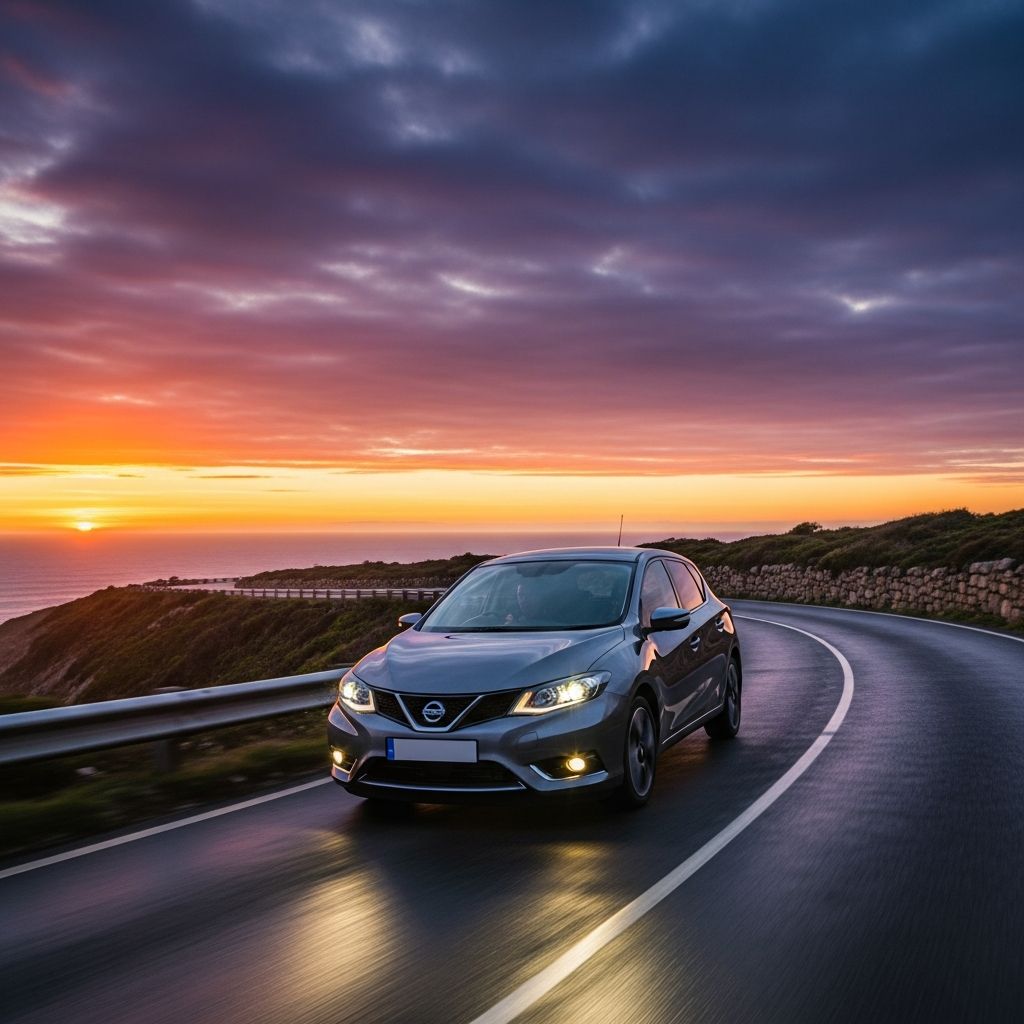
The Nissan Pulsar has established itself as a practical and comfortable family hatchback since its introduction to the competitive segment. Among its engine options, the 1.5-litre turbocharged diesel variant stands out as a compelling choice for drivers who prioritize running costs and long-distance comfort. This review examines the diesel Pulsar’s capabilities, limitations, and overall value proposition in the family car market.
Understanding the Diesel Engine Platform
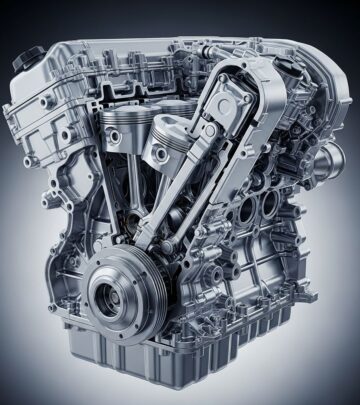
The Pulsar diesel utilizes a 1.5-litre four-cylinder turbocharged diesel engine, designated as the dCi unit. This powerplant generates 110 horsepower and produces 260 Newton-metres of torque, representing a significant increase in low-end pulling power compared to the petrol alternative. The engine architecture reflects Nissan’s partnership with Renault, as the same powerplant appears in other vehicles within their joint platform family, ensuring proven reliability and development maturity.
The diesel configuration emphasizes smoothness and refinement rather than raw performance. Engineers have dedicated considerable effort to minimizing startup vibrations and reducing mechanical noise, making the driving experience substantially quieter than earlier diesel implementations. The stop-start technology, which automatically shuts down the engine during traffic congestion, operates with minimal disruption to occupant comfort.
Power Delivery and Acceleration Characteristics
Understanding how the diesel engine delivers its power requires examining the gear ratios and transmission setup. The Pulsar pairs its diesel engine with a six-speed manual transmission featuring notably extended ratios. While this configuration prioritizes fuel efficiency, it creates an interesting dynamic where overtaking requires downshifting more frequently than drivers might expect from a naturally aspirated or smaller turbocharged engine.
The acceleration figures tell an instructive story about the diesel variant’s nature. From a standstill to 62 miles per hour takes 11.5 seconds, placing it approximately 0.8 seconds behind the petrol turbo variant despite producing an additional 70 Newton-metres of torque. This apparent contradiction stems directly from the extended gearing philosophy, which favors highway cruising efficiency over urban responsiveness. At motorway speeds, however, the abundant torque availability makes overtaking less demanding than the acceleration numbers suggest, as the engine operates deeper within its power band during highway maneuvers.
Fuel Efficiency and Environmental Impact
The diesel Pulsar’s most compelling attribute for many buyers centers on its fuel consumption characteristics. Official combined cycle figures register at 78.5 miles per gallon, with corresponding CO2 emissions of 94 grams per kilometre. Real-world testing has demonstrated that highway-focused driving can achieve approximately 60 miles per gallon, validating the manufacturer’s efficiency claims for typical usage patterns.
These efficiency metrics translate directly into reduced running costs for drivers covering substantial annual mileages. Fleet operators, representing approximately 60 percent of projected Pulsar diesel purchases, find particular appeal in the lower carbon footprint and tax implications associated with the minimal emissions output. For private buyers who undertake significant commuting distances, the fuel cost savings accumulate meaningfully over vehicle ownership periods.
| Performance Metric | Diesel (1.5 dCi) | Petrol Turbo (1.2 DIG-T) |
|---|---|---|
| Power Output | 110 PS | 114 PS |
| Torque | 260 Nm | 190 Nm |
| 0-62 mph | 11.5 seconds | 10.7 seconds |
| Fuel Economy | 78.5 mpg | 56.5 mpg |
| CO2 Emissions | 94 g/km | 117 g/km |
Handling Dynamics and Suspension Characteristics
Despite carrying the additional weight associated with diesel powerplants, the Pulsar’s handling characteristics remain largely unchanged from the petrol variant. The vehicle can be driven assertively through bends before understeer becomes apparent, though the overall driving experience prioritizes stability and predictability over engagement or enthusiasm. Drivers seeking a connected, responsive steering feel will find the Pulsar’s assistance-heavy system somewhat removed from direct feedback.
The suspension setup demonstrates competence in absorbing road imperfections without excessive harshness, creating a refined cruising experience particularly suited to motorway journeys. While preliminary assessments on smooth test tracks proved favorable, comprehensive evaluation on deteriorating UK road surfaces remains essential for long-term ownership perspective. The vehicle’s emphasis on comfort alignment means handling characteristics will never rival more dynamically oriented competitors like the Mazda 3 or Ford Focus.
Interior Space and Practical Considerations
The Pulsar’s interior dimensions represent a key strength, particularly regarding rear passenger accommodation. The extended 2,700-millimetre wheelbase, among the longest in its class, translates into surprising rear knee room and genuine comfort for adult passengers. Access to rear seats proves straightforward, with door apertures positioned generously to accommodate passengers of varying mobility levels. The boxy exterior proportions, while not contemporary in styling terms, directly benefit passenger space efficiency.
Luggage capacity stands at 395 litres with rear seats in their upright configuration, providing adequate room for family trips and weekly shopping requirements. The cabin layout follows functional design principles, with controls logically positioned and generally intuitive to operate. Material choices reflect budget consciousness, with some interior trim elements employing hard plastics that lack tactile quality compared to premium competitors. Nevertheless, the overall sense of space and practicality dominates subjective impressions during short-term evaluation.
Comfort Features and Driver Experience
Modern Nissan vehicles incorporate comprehensive safety technology packages within the Pulsar’s platform. Features available on higher trim levels include 360-degree parking cameras, blind-spot detection, lane-departure warning systems, and forward collision mitigation. These technologies enhance both everyday convenience and accident prevention, appealing particularly to fleet operators and safety-conscious family buyers.
Climate control, heated seats on premium models, and reach-adjustable steering accommodate diverse driver requirements. Smartphone integration and navigation systems function intuitively, with voice command capability reducing driver distraction during operation. The overall cabin experience reflects Nissan’s understanding that this vehicle segment prioritizes straightforward usability and technological accessibility over cutting-edge innovation.
Fuel Tank Integration and Refueling Accessibility
Diesel variants utilize standard fuel tank architecture consistent with petrol siblings, ensuring no compromise in storage capacity or vehicle packaging. The fuel door mechanism operates smoothly, and the filler cap design prevents accidental petrol contamination—a practical consideration for fleet operators managing multiple vehicle types. Across the UK, diesel fuel availability remains comprehensive, eliminating range anxiety concerns that might apply to alternative fuel technologies.
Who Should Consider the Diesel Variant?
The diesel Pulsar presents optimal value for specific driving profiles. Drivers covering 15,000 miles or more annually, particularly on motorway-dominated routes, will realize meaningful fuel cost advantages that justify the premium purchase price. Commercial fleet operators benefit from lower taxation implications and reduced operational costs. Conversely, drivers with predominantly urban commutes covering short distances may find the petrol turbocharged variant more economically sensible, as the diesel premium takes extended timeframes to amortize.
Buyers prioritizing environmental consciousness will appreciate the minimal CO2 output and reduced carbon footprint associated with diesel consumption. Those requiring comfortable, relaxed transportation without performance aspirations will find the diesel Pulsar’s character entirely aligned with their requirements. Families needing practical space and refueling convenience benefit substantially from the comprehensive package.
Comparative Value Assessment
Positioning the diesel Pulsar within the broader competitive landscape reveals nuanced considerations. Rivals including the Volkswagen Golf, Ford Focus, and Hyundai i30 offer alternative diesel configurations with varying characteristics. The Pulsar competes effectively on interior space and running cost grounds, though some competitors deliver superior driving dynamics or more refined interior materials. Purchase price differences favor the Nissan, particularly at entry-level trim configurations.
Long-Term Ownership Considerations
Diesel reliability historically favors well-established manufacturers with extensive development experience. Nissan’s diesel engines, produced through partnership arrangements with proven suppliers, benefit from this established reputation. Parts availability through comprehensive dealer networks facilitates straightforward maintenance and repair procedures. Extended service intervals reduce routine maintenance frequency compared to petrol alternatives, contributing to lower annual operating expenses.
The six-speed manual transmission, while occasionally demonstrating reluctance during gear selection procedures reported by some drivers, generally proves robust and economical. Should automatic transmission preference exist, availability varies by market and trim level, affecting total acquisition cost considerations.
Frequently Asked Questions
Q: Does the diesel Pulsar provide adequate performance for highway merging?
A: Yes. While 0-62 mph acceleration times appear modest, the abundant torque delivery at highway speeds makes merging and overtaking manageable despite extended gear ratios. Downshifting is often required but produces responsive engine engagement suitable for safe traffic maneuvers.
Q: How does real-world fuel economy compare to official figures?
A: Highway-focused driving achieves approximately 60 mpg, closely approximating the 78.5 mpg combined figure. Urban stop-and-go driving typically yields 50-55 mpg, depending on traffic conditions and driving aggression.
Q: Is the diesel variant suitable for short daily commutes?
A: The diesel configuration becomes economically justified at annual mileages exceeding 15,000 miles. Short daily commutes may be better served by the petrol turbo variant, which costs less initially and incurs lower maintenance expenses.
Q: What is the insurance grouping for the diesel model?
A: The 1.5 dCi diesel typically falls into insurance group 11E, reflecting its moderate power output and vehicle value within the family hatchback category.
Final Assessment
The Nissan Pulsar diesel represents a pragmatic choice for drivers prioritizing efficiency, comfort, and practicality over dynamic driving engagement. The powertrain delivers on its promises regarding fuel consumption and running cost minimization, while interior space exceeds expectations for the vehicle category. Build quality and refinery have advanced considerably compared to earlier diesel implementations within Nissan’s portfolio. For buyers undertaking substantial mileage with comfort requirements paramount, the diesel Pulsar merits serious consideration despite the premium acquisition cost.
References
- Nissan Pulsar diesel review — Auto Express. September 11, 2014. https://www.autoexpress.co.uk/nissan/pulsar/88548/nissan-pulsar-diesel-review
- Nissan Pulsar 1.5 dCi Tekna review — Business Motoring. https://businessmotoring.co.uk/nissan-pulsar-1-5-dci-110-tekna-review-nissan-standard-family-hatch/3/
- Nissan Pulsar Green Car Review — GreenCarGuide.co.uk. https://www.greencarguide.co.uk/car-reviews-and-road-tests/nissan-pulsar-green-car-review/
- Nissan Pulsar Review 2026 — Carwow. https://www.carwow.co.uk/nissan/pulsar
- Nissan Pulsar (2014 – 2018) used car review — RAC Drive. https://www.rac.co.uk/drive/car-reviews/nissan/pulsar/pulsar-2014-2018/
Similar Articles






Read full bio of Sneha Tete