Nissan Pulsar 1.5 dCi 2014 Review
Discover the practical, spacious Nissan Pulsar 1.5 dCi from 2014 – a reliable family hatchback prioritizing comfort over thrills.
Nissan Pulsar 1.5 dCi 2014: A Practical Family Contender
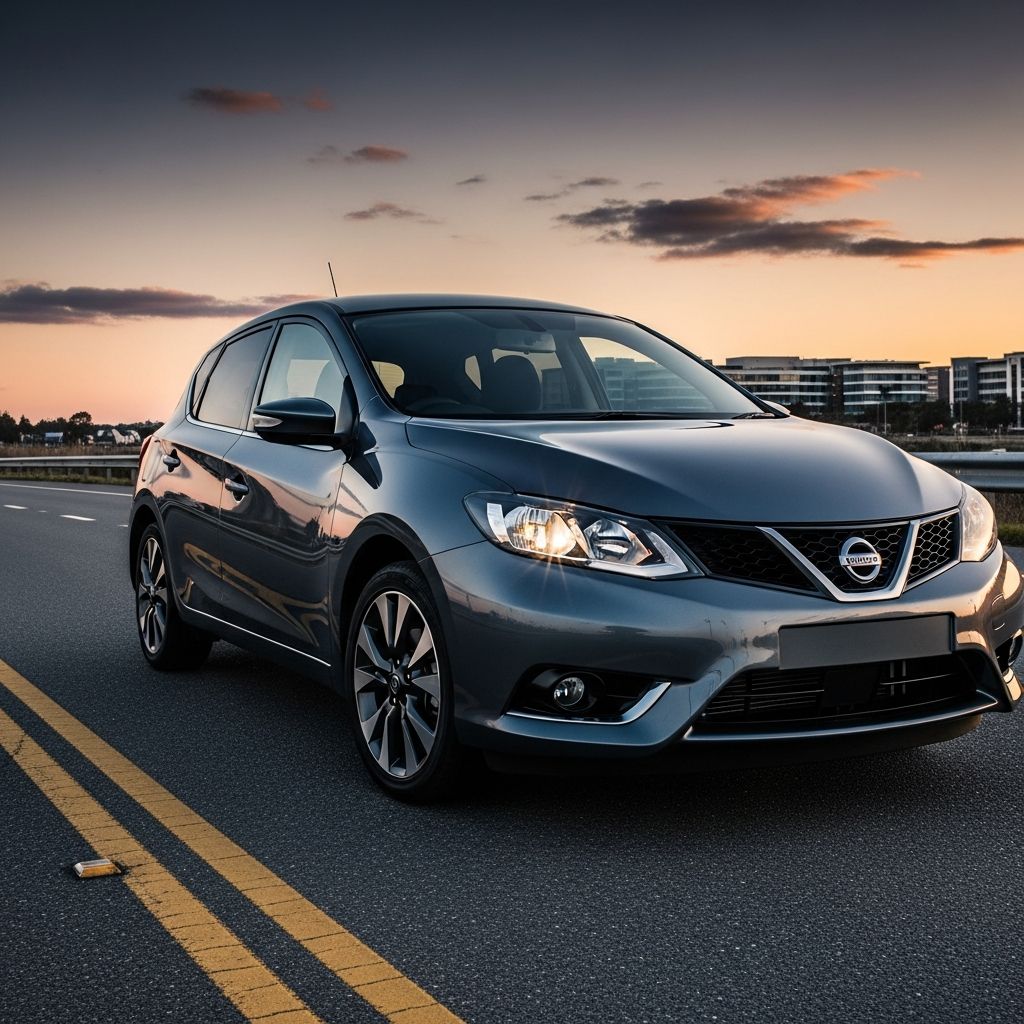
The Nissan Pulsar 1.5 dCi, launched in 2014, entered the competitive family hatchback segment with a clear focus on practicality and comfort rather than sporty performance. This model aimed to appeal to buyers seeking reliability, space, and efficiency in a mid-sized vehicle. Built on a platform shared with the popular Qashqai crossover, it promised sophisticated underpinnings while delivering everyday usability. While it may not excite driving enthusiasts, its strengths lie in generous interior room, low running costs, and a composed ride suitable for long journeys or urban commuting.
Design and Build Quality Overview
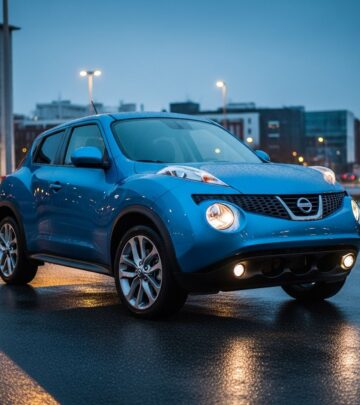
Externally, the Pulsar sports a clean, understated design that blends into the family hatchback crowd without standing out dramatically. Its proportions emphasize functionality, with a long wheelbase contributing to superior rear passenger space – a key selling point Nissan highlighted aggressively. The bodywork features smooth lines and a relatively low aerodynamic profile, aiding fuel efficiency. Available in trim levels from entry Visia to top Tekna, higher specs add alloy wheels, LED lights, and chrome accents for a more premium feel.
Inside, the cabin impresses with its airy feel and high-quality materials in key areas. Soft-touch plastics dominate the dashboard, though lower sections use harder materials that hold up well over time. The driving position is elevated, providing good visibility, though some drivers note it feels perched. Build quality is solid, with minimal rattles reported even in used examples, making it a durable choice for second-hand buyers.
Engine Performance and Efficiency
At the heart of this review is the 1.5-litre dCi turbo diesel engine, producing 110PS at 4,000rpm and 260Nm of torque. Paired exclusively with a six-speed manual transmission, it delivers adequate performance for its class: 0-62mph in 11.5 seconds and a top speed of 118mph. The unit, familiar from Renault-Nissan alliances, runs smoothly with refined NVH levels – road and wind noise are well suppressed, though the diesel clatter becomes evident under hard acceleration.
Fuel economy shines brightly, with official combined figures of 78.5mpg and CO2 emissions as low as 94g/km, thanks to stop-start technology and a lightweight body. Real-world tests suggest mid-60s mpg is achievable, outperforming many rivals and keeping company car tax low. For those preferring petrol, a 1.2 DIG-T (115PS) or punchier 1.6 DIG-T (190PS) were options, but the diesel suits high-mileage drivers best.
| Engine Option | Power (PS) | Torque (Nm) | 0-62mph (s) | Combined MPG | CO2 (g/km) |
|---|---|---|---|---|---|
| 1.5 dCi Diesel | 110 | 260 | 11.5 | 78.5 | 94 |
| 1.2 DIG-T Petrol | 115 | 165 | 10.8 | 56.5 | 117 |
| 1.6 DIG-T Petrol | 190 | 240 | 7.7 | 44.1 | 149 |
This table summarizes key specs across engines, showing the diesel’s edge in efficiency.
Driving Dynamics and Ride Comfort
On the road, the Pulsar prioritizes serenity over sharpness. Its torsion beam rear suspension handles potholes competently, delivering a smooth ride ideal for motorways and town driving. Steering is light, aiding parking but lacking feedback for spirited cornering. Grip levels are high, with stability control ensuring safety, but it won’t challenge class leaders like the Ford Focus in handling.
- Urban agility: Excellent visibility and compact dimensions make city maneuvering effortless, enhanced by optional Around View cameras on top trims.
- Motorway poise: Low noise and compliant suspension reduce fatigue on long hauls.
- Cornering: Secure but uninspiring, with body roll in tight bends.
Braking is progressive and confident, while the gearbox shifts precisely. Overall, it’s a relaxing drive for families, not track-day heroes.
Interior Space and Practicality
The Pulsar’s standout feature is its class-leading rear legroom, accommodating four six-footers comfortably due to the extended wheelbase. Headroom is ample too, surpassing rivals like the Volkswagen Golf or Vauxhall Astra. The 385-litre boot expands to 1,395 litres with seats folded, rivaling estates in versatility. Practical touches include 60/40 split-folding rears and low load lip.
Up front, storage is generous with door bins, cupholders, and a deep glovebox. Infotainment, via a 5-inch touchscreen on base models (upgradable to 7-inch), supports Bluetooth and sat-nav on higher trims. Safety kit is comprehensive: seven airbags, stability control, and optional lane departure warning.
Equipment Levels and Value for Money
Starting at around £15,995 new, the Pulsar offered strong value. Entry Visia included air-con, electric windows, and cruise control. Mid Acenta added alloys and climate control, while Tekna brought leather, xenon lights, and parking sensors (£20,345). Used prices today hover £4,000-£8,000, competitive for low-mileage diesels.
Rivals like Focus or Golf may edge it in engagement, but Pulsar’s space and economy make it a smart buy for budget-conscious families.
Ownership Experience and Reliability
Nissan backed the Pulsar with a three-year/60,000-mile warranty. Reliability is above average, with the dCi engine proven durable if serviced properly (every 12,500 miles). Common issues are minor: occasional DPF clogging in short-trip diesels and infotainment glitches. Parts availability remains good via Nissan networks, and insurance groups (15-20) keep costs reasonable.
Running costs impress: low BIK tax (15-20%) and 50+ mpg real-world economy. It’s a frugal choice for fleets or private owners.
Pros and Cons at a Glance
- Pros: Vast rear space, excellent economy, comfortable ride, well-equipped.
- Cons: Bland dynamics, petrol rivals more efficient in some tests, limited model run.
Who Should Buy the Nissan Pulsar 1.5 dCi?
Ideal for families needing space without premium pricing, high-mileage commuters valuing diesel torque, or company car drivers chasing low emissions. Skip if you crave handling thrills – opt for Focus or Mazda3 instead. In the used market, it’s a hidden gem for practicality on a budget.
Frequently Asked Questions (FAQs)
Is the Nissan Pulsar 1.5 dCi reliable?
Yes, with proper maintenance, the engine is robust, though watch for DPF issues in urban use.
How fuel-efficient is it?
Official 78.5mpg, realistically 60-65mpg combined.
What’s the boot space like?
385 litres standard, expanding to 1,395 litres – excellent for class.
Any common problems?
Minor electronics faults; diesel particulate filter care needed.
Compared to rivals?
Beats Astra/Golf in space, trails Focus in fun factor.
References
- Nissan Pulsar 1.5 dCi | Reviews – Complete Car — Complete Car. 2014-09-20. https://www.completecar.ie/car-reviews/article/nissan/pulsar/pulsar_1.5_dci/748/3984/2014-nissan-pulsar-1.5-dci-review.html
- Nissan Pulsar (2014 – 2018) Review – Regit — Regit. N/A. https://www.regit.cars/car-reviews/nissan-pulsar-2014-2018-review-67113
- First drive: Nissan Pulsar | Car Reviews — Car Enthusiast. N/A. https://www.carenthusiast.com/reviews/article/9851/-/2014-Nissan-Pulsar/First+drive+-+1.5+dCi+Tekna.html
- Nissan Pulsar review 2014-2018 | Road-tested – cinch — Cinch. N/A. https://www.cinch.co.uk/used-cars/nissan/pulsar/review
- Nissan Pulsar (2014 – 2018) used car review | RAC Drive — RAC Drive. N/A. https://www.rac.co.uk/drive/car-reviews/nissan/pulsar/pulsar-2014-2018/
Similar Articles


Read full bio of Sneha Tete