Nissan Cube: Urban Practicality Meets Distinctive Design
Explore the Nissan Cube's unique charm, spacious interior, and everyday reliability.
Understanding the Nissan Cube’s Unique Position in the Automotive Market
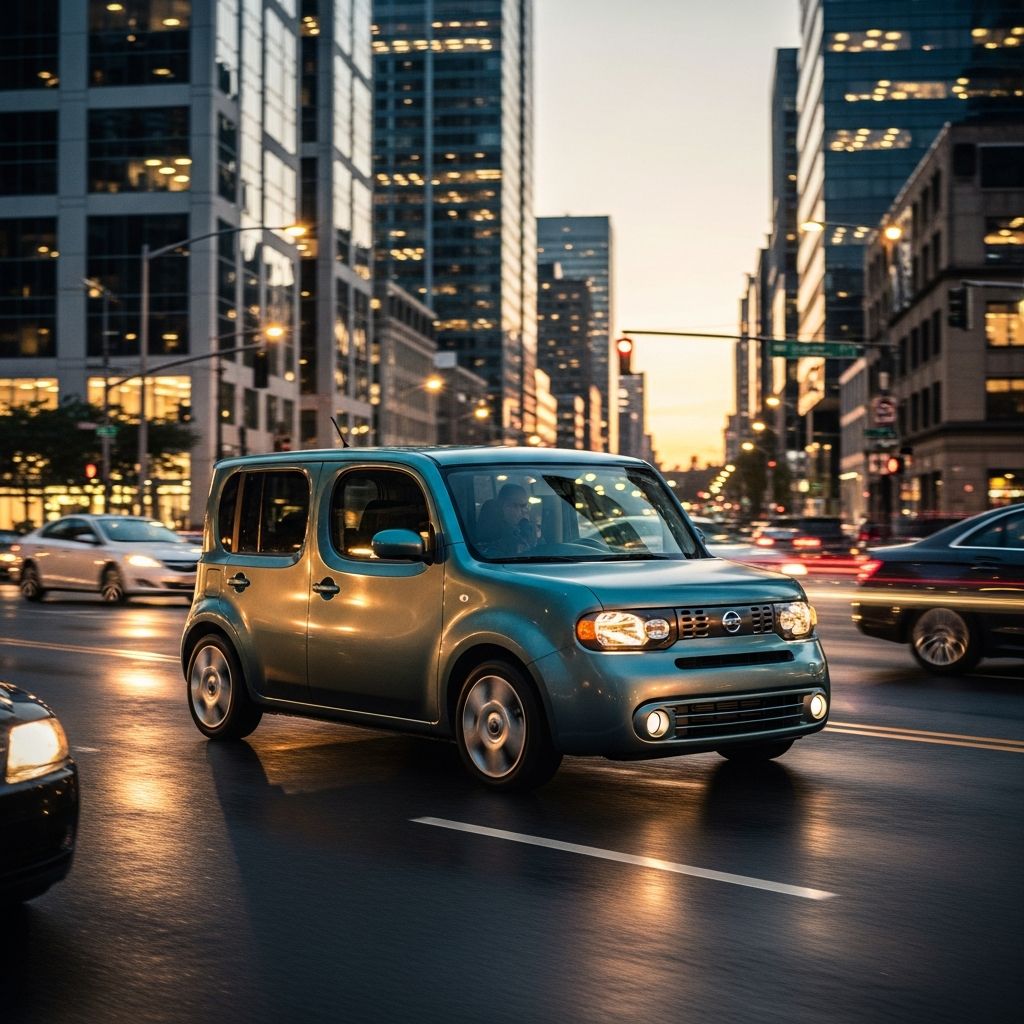
The Nissan Cube represents a compelling intersection of form and function in the compact vehicle segment. This distinctive automobile has carved out a particular niche for drivers who prioritize interior space and visual character over conventional sedan aesthetics. Unlike typical commuter vehicles that blend into traffic, the Cube’s unconventional silhouette immediately captures attention while delivering genuine practical benefits for daily urban navigation.
Built on a platform derived from the Nissan Versa, the Cube inherits mechanical reliability and affordability while establishing its own identity through aggressive styling choices. The vehicle accommodates up to five passengers and delivers surprising versatility for its footprint, making it particularly appealing to city dwellers and commuters who require flexibility without sacrificing maneuverability in tight spaces.
Interior Space and Design Philosophy
The Cube’s most compelling advantage lies in its maximized interior volume. The tall, boxy profile creates an airy cabin that feels substantially larger than traditional sedans of comparable external dimensions. This vertical orientation provides exceptional headroom—a feature particularly appreciated by taller occupants who often struggle with standard compact vehicles.
The interior configuration emphasizes passenger comfort through generous shoulder room and thoughtfully positioned seating. The versatile rear seat arrangement offers multiple folding configurations, transforming the cabin from a five-person configuration to a spacious cargo area. When fully folded, the rear seats create sufficient storage capacity for groceries, luggage, or equipment necessary for urban living.
Storage solutions extend beyond conventional trunk space. The Cube incorporates nineteen separate storage sites distributed throughout the cabin—cup holders, compartments, and organizational fixtures positioned to maximize usability. This comprehensive approach to storage reflects the vehicle’s customer-centric design philosophy targeting individuals who value organization and accessibility.
Performance Characteristics and Engine Specifications
The Cube utilizes a 1.8-liter four-cylinder engine producing 122 horsepower—a familiar powerplant shared across the Nissan Versa platform. This engine prioritizes reliability and efficiency over raw performance, making it ideally suited for urban environments where smooth, predictable acceleration matters more than absolute power output.
Acceleration capabilities reflect the Cube’s intended purpose. Zero-to-sixty acceleration occurs in approximately 9.7 seconds with the continuously variable transmission, positioning it squarely within competitive parameters for subcompact vehicles. This leisurely acceleration pace discourages aggressive driving while reinforcing the Cube’s position as a practical commuter rather than a performance-oriented vehicle.
Two transmission options provide flexibility for different driving preferences. The continuously variable transmission delivers smooth power delivery and contributes to improved fuel efficiency, while the manual transmission option appeals to driving enthusiasts who appreciate direct engagement with the mechanical elements. Both options perform admirably in stop-and-go urban traffic where precise control matters significantly.
Fuel Efficiency and Operational Economics
The Cube achieves EPA-estimated fuel economy of 27 city/31 highway/28 combined mpg with the CVT, while the manual transmission yields 25 city/30 highway/27 combined mpg. These figures represent solid efficiency for a subcompact vehicle, particularly considering the Cube’s emphasis on interior space rather than aerodynamic optimization.
Long-distance, steady-speed driving consistently yields impressive fuel economy results, with some owners reporting figures approaching highway EPA estimates. Urban commuting typically delivers figures within city specifications, reflecting the Cube’s performance in stop-and-go traffic patterns.
The combination of modest fuel consumption, affordable maintenance derived from shared Versa platform components, and reasonable purchase price creates an economical ownership proposition for budget-conscious buyers. Insurance rates remain competitive due to the vehicle’s size and moderate performance characteristics, further enhancing overall affordability.
Handling Dynamics and Driving Experience
The Cube’s suspension exhibits compliant tuning designed for comfortable rides rather than aggressive handling. This suspension philosophy creates a forgiving environment for urban streets characterized by potholes, irregular pavement, and aggressive traffic patterns. The suspension absorbs minor road imperfections without transmitting excessive vibration to occupants.
Steering characteristics balance light, responsive inputs necessary for parking maneuvers against artificial feedback that limits driver connection to road conditions. The electric power steering system delivers impressive maneuverability—the Cube’s turning radius of 33.4 feet facilitates tight three-point turns and parallel parking scenarios where larger vehicles struggle.
Roll control operates within moderate parameters, and the lightweight platform enables precise vehicle placement despite soft suspension tuning. The overall driving experience prioritizes accessibility and ease rather than engaging dynamics, though some drivers report genuine enjoyment from the Cube’s charming character and predictable behavior.
Visibility and Parking Practicality
The Cube’s tall profile and expansive window area deliver excellent sightlines that significantly enhance safety during urban navigation. The extensive glazing provides drivers with superior visibility compared to traditional sedans, reducing blind spots and facilitating easier detection of pedestrians, cyclists, and other vehicles.
Parking ease represents a major Cube advantage. The relatively compact external dimensions combined with excellent visibility make tight urban parking scenarios manageable without excessive maneuvering or reliance on parking sensors. The light steering further enhances parking convenience, reducing physical effort during repetitive parking operations throughout urban commutes.
Distinctive Styling and Visual Character
The Cube’s unconventional aesthetics immediately distinguish it from conventional vehicles populating typical roadways. The asymmetrical rear hatch and windows, paired with distinctive body panels and characterful front fascia, create visual presence that appeals to drivers seeking individuality. This unique styling generates considerable discussion among automotive enthusiasts and casual observers alike.
The distinctive appearance extends to numerous customization opportunities. Factory and aftermarket options enable personalization that transforms the Cube into a reflection of individual owner preferences. This customization potential attracts younger buyers and individuals who view their vehicle as personal expression rather than mere transportation.
Sound Insulation and Acoustic Performance
Wind noise represents the most noticeable acoustic characteristic during highway driving. At sustained high speeds, wind intrusion becomes increasingly apparent and can accumulate to tiresome levels during extended interstate travel. This acoustic limitation primarily affects long-distance highway driving rather than typical urban commuting.
The generally quiet cabin at lower speeds reflects thoughtful sound deadening and engine refinement. The four-cylinder powerplant operates with minimal vibration, and tire noise remains well-controlled in urban environments. Overall, the Cube delivers a peaceful driving environment suitable for daily commuting despite highway wind noise limitations.
Safety Features and Reliability Considerations
The Cube incorporates modern safety technology including multiple airbags, anti-lock braking systems, vehicle dynamic control, traction control, and tire pressure monitoring systems. These features provide protection consistent with subcompact vehicle standards and contribute to occupant safety across various driving scenarios.
Owner reliability reports consistently highlight Nissan Versa platform dependability. Shared mechanical components with the Versa ensure widespread service availability and parts affordability. The straightforward engineering philosophy minimizes complex systems prone to malfunction, contributing to long-term ownership satisfaction.
Comparison Table: Cube vs. Competitive Alternatives
| Feature | Nissan Cube | Honda Element | Scion xB | Kia Soul |
|---|---|---|---|---|
| Cargo Space (Rear Seats Up) | 11 cubic feet | N/A | N/A | 19 cubic feet |
| Cargo Space (Rear Seats Folded) | 58 cubic feet | N/A | 70 cubic feet | 53 cubic feet |
| Engine Power | 122 hp | N/A | N/A | 142 hp |
| Acceleration (0-60) | 9.7 seconds | N/A | N/A | 7.9 seconds |
| Key Strength | Design Uniqueness | Versatility | Maximum Cargo | Performance |
Owner Satisfaction and Real-World Experiences
Cube owners consistently express satisfaction with the vehicle’s distinctive styling and character. The unique appearance generates positive comments and represents a deliberate choice for drivers seeking individuality. This visual distinctiveness creates an ownership experience extending beyond mere transportation into personal expression.
The spacious interior receives universal praise, particularly from taller passengers who appreciate exceptional headroom. The comfortable seating and generous personal space create a pleasant environment for daily commuting. Visibility advantages and ease of parking consistently rank among favorite features mentioned by current owners.
Owners report satisfactory fuel efficiency that meets or occasionally exceeds EPA estimates, particularly during highway driving at consistent speeds. The practical cargo area and versatile interior configurations accommodate daily necessities while the multiple storage solutions organize belongings effectively.
Ideal Ownership Scenarios
The Cube excels for urban commuters prioritizing parking convenience and interior space. City dwellers navigating congested streets benefit from the excellent visibility, tight turning radius, and compact external dimensions. The distinctive styling appeals to individuals seeking personality in their vehicle choice.
Young professionals and small families find the Cube’s versatile interior accommodates varied lifestyle needs without excessive fuel consumption or insurance costs. The practical approach to transportation without pretension attracts buyers seeking value and utility rather than performance or luxury features.
Frequently Asked Questions
How many passengers can the Nissan Cube accommodate?
The Cube seats five passengers total, with a driver plus four additional occupants distributed across front and rear seating areas.
What fuel economy should I expect during regular driving?
Most owners report achieving EPA estimates of approximately 27-28 mpg combined during typical mixed driving, with highway driving often exceeding these figures while city driving occasionally falls slightly below estimates.
Is the Cube suitable for tall drivers?
Yes, the vertical interior profile provides exceptional headroom compared to conventional sedans, making the Cube an excellent choice for taller individuals who struggle with limited headroom in standard vehicles.
How does the Cube compare to the Honda Element and Scion xB?
The Cube emphasizes unique styling and practical design, the Element prioritizes versatility and functionality, while the xB maximizes cargo capacity. Each vehicle appeals to different buyer priorities within the compact segment.
What is the turning radius for the Nissan Cube?
The Cube’s turning radius measures 33.4 feet, enabling relatively tight turns in urban environments and facilitating easier parking in confined spaces.
Are parts readily available for the Nissan Cube?
Yes, the Cube shares mechanical components with the Nissan Versa platform, ensuring widespread parts availability and service center accessibility throughout North America.
Conclusion and Final Assessment
The Nissan Cube represents a refreshingly unconventional approach to automotive design that prioritizes practicality and personality over conformity. For buyers seeking distinctive character, spacious interiors, and reliable urban transportation, the Cube delivers genuine value. The combination of affordable purchase price, economical operation, and satisfying ownership experience creates an appealing proposition for discerning commuters and city dwellers who appreciate individuality.
References
- 2013 Nissan Cube Review & Ratings — Edmunds. 2013. https://www.edmunds.com/nissan/cube/2013/review/
- Tested: 2010 Nissan Cube S Road Test — Car and Driver. 2010. https://www.caranddriver.com/reviews/a16580472/2010-nissan-cube-s-road-test/
- Nissan Cubic Review — Andrew’s Japanese Cars. Accessed 2026. https://andrewsjapanesecars.com/nissan-cubic-review/
- Quick Drive: 2011 Nissan Cube 6MT — Winding Road Magazine. 2011. https://windingroad.com/articles/reviews/quick-drive-2011-nissan-cube-6mt/
- Vintage Review: 2009 Nissan Cube – Cubism Meets Dali — Curbside Classic. 2009. https://www.curbsideclassic.com/vintage-reviews/vintage-review-2009-nissan-cube-cubism-meets-dali/
- 2014 Nissan Cube Consumer Reviews & Ratings — Kelley Blue Book. 2014. https://www.kbb.com/nissan/cube/2014/consumer-reviews/
Similar Articles


Read full bio of medha deb