Nissan Almera 1.8 SVE Used Buyer’s Guide For 2025
Discover why the Nissan Almera 1.8 SVE stands out as a reliable, feature-packed family car from the early 2000s with strong value today.
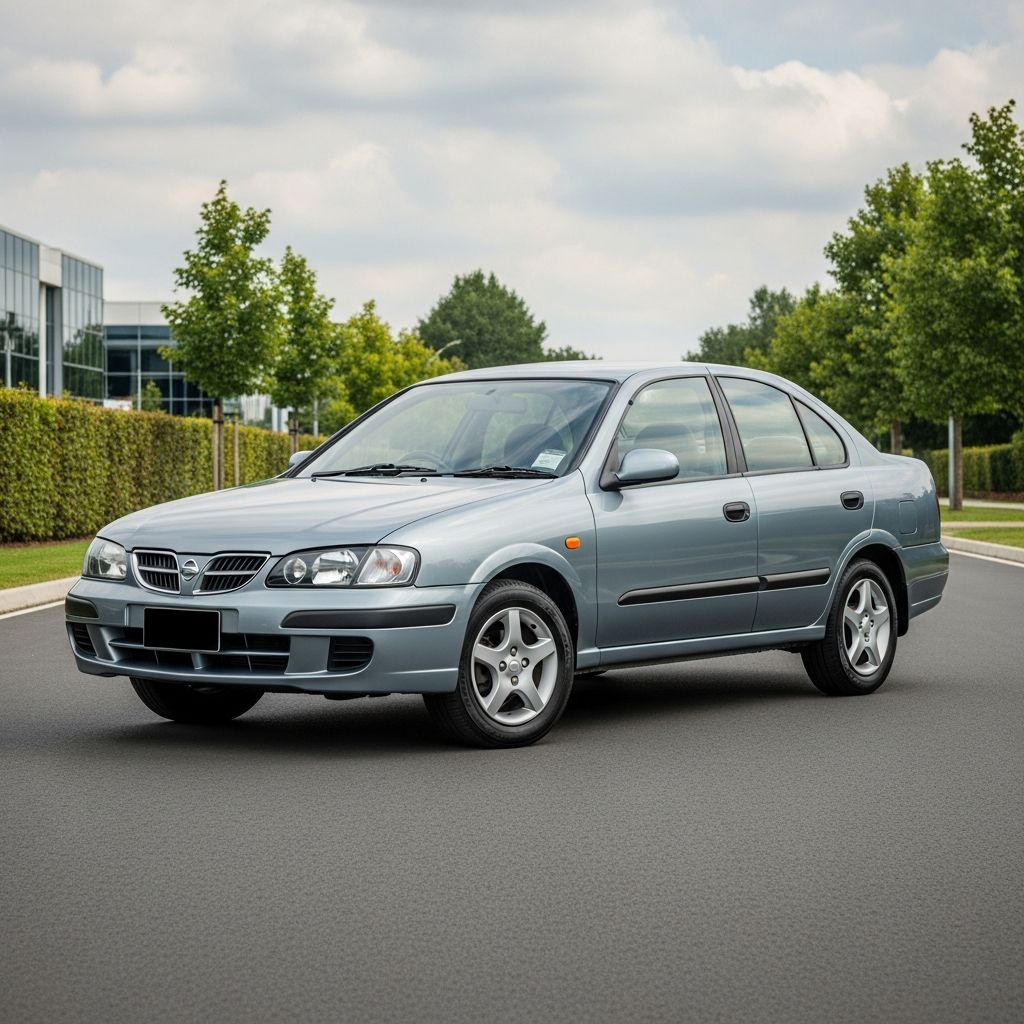
The Nissan Almera 1.8 SVE represents a pivotal moment in Nissan’s lineup during the early 2000s, transforming the model’s reputation from unremarkable to competitive. Launched as part of the N16 generation (2000-2007), this variant combined a punchy 1.8-liter petrol engine with upscale trim features, making it an appealing choice for families and daily commuters. With its mature styling, refined handling, and generous equipment levels, the Almera 1.8 SVE offered European rivals a run for their money at a fraction of the price.
Design and Build Quality Evolution
Unlike its predecessor, which suffered from awkward aesthetics and basic interiors, the 2000 Almera adopted a more sophisticated look. The bodywork gained a confident stance with smoother lines and improved proportions, giving it a premium feel akin to German compact cars. Inside, the cabin boasted higher-quality materials, better fit and finish, and a layout that prioritized driver comfort. Nissan reinforced the chassis by 30%, enhancing structural rigidity for superior on-road poise.
Available in three- and five-door hatchback and four-door saloon configurations, the SVE trim elevated the package with alloy wheels, body-colored bumpers, and subtle chrome accents. Dimensions provided ample practicality: a wheelbase of 2,535mm ensured stable highway manners, while kerb weight around 1,190kg kept it nimble. Gross vehicle weight topped at 1,735kg, supporting a braked towing capacity of 1,200kg—ideal for light trailers.
Engine Performance and Driving Experience
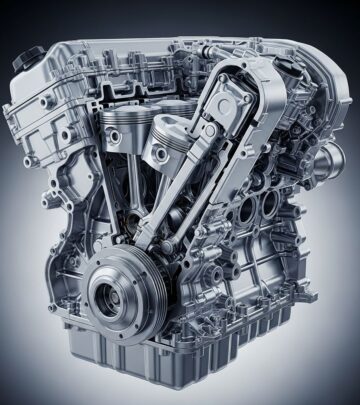
At the heart of the 1.8 SVE sits a 1.8-liter petrol engine delivering brisk acceleration: 0-60mph in 11.1 seconds and a top speed of 115mph. This unit feels willing across the rev range, paired with a positive yet slightly vague gearbox that shifts smoothly in urban traffic. The light clutch and steering make city driving effortless, while the chassis shines with excellent grip and feedback, promoting confident cornering.
Handling stands out as a highlight, with a stiffer body reducing flex and providing superb roadholding. Light steering aids maneuverability, though some drivers note minor torque steer in wet conditions with similar powertrains. Fuel economy hovers around reasonable figures for the era, though diesel alternatives like the 2.2 dCi (136bhp) offered superior efficiency—over 1,000 miles per tank— for long-distance runners.
| Specification | Details |
|---|---|
| Engine | 1.8L Petrol, ~113bhp |
| 0-60mph | 11.1 seconds |
| Top Speed | 115mph |
| Fuel Economy | ~35-40mpg combined (est.) |
| Towing (Braked) | 1,200kg |
| Kerb Weight | 1,190kg |
Interior Comfort and Practicality
The SVE trim loaded the Almera with luxuries like climate control, electric windows all round, and optional DVD-based navigation in later models. Six standard trim levels ensured broad appeal, with SVE adding leather-trimmed seats, cruise control, and a six-speaker audio system. Rear passengers enjoyed generous legroom, and the boot swallowed 390 liters of cargo in hatch form—expandable for larger loads.
- Spacious cabin rivals class leaders
- High equipment levels for the price
- Comfortable seats with good support
- Versatile seating for families
Build quality impressed, with durable plastics and solid assembly. Special editions like Pulse and Flare introduced in 2003 brought fresh styling tweaks, maintaining interest in the range.
Reliability and Common Issues
Reliability defines the Almera’s appeal today. Many examples surpass 200,000 miles with basic maintenance, earning nicknames like “the car that refuses to die.” The 1.8 petrol proves durable, though the 1.5 variant struggles with the car’s heft, lacking punch.
Potential pitfalls include turbo issues on 2.2 dCi models (actuator failures, overboosting), leading to recalls. Petrol engines fare better, but check for worn clutches and suspension bushes. Always verify service history, as Nissan’s common-rail diesels demand timely oil changes.
- Strengths: Engine longevity, low running costs
- Weaknesses: Diesel turbo vulnerabilities, minor handling quirks in wet
- Recalls: Turbo-related on dCi variants
Trims and Model Variants
The Almera spanned E, S, SE, SVE, SXE, Flare, Pulse, Sport, and Activ trims. SVE positioned as near-top spec with auto options available. Later additions included the potent 2.2 dCi exclusive to SXE. Buyers today find SVE models balancing luxury and affordability.
Buying Advice for Used Buyers
Prices remain low, often under £2,000 for well-kept examples. Prioritize full service records, rust-free bodies (check sills and arches), and test drives for smooth gear changes. Avoid neglected diesels; petrol SVE units offer the best hassle-free ownership. Six-speed manuals on some enhance economy.
Post-2003 facelifts refined the package further, so target those for updated nav and safety tweaks.
Pros and Cons at a Glance
| Pros | Cons |
|---|---|
| Excellent handling and grip | Vague gearshift feel |
| Spacious, well-equipped interior | 1.5 engine underpowered |
| Reliable petrol engines | Diesel turbo risks |
| Affordable used prices | Dated styling by modern standards |
| Strong value for money | Limited top-end pace |
Performance in Real-World Scenarios
On motorways, the Almera cruises effortlessly, with low wind noise and stable tracking. Urban agility impresses thanks to compact dimensions and responsive controls. Though not a sports car, it hustles adequately, outpacing base rivals. Wet-weather grip holds firm, barring aggressive inputs where torque steer may emerge.
Comparison with Contemporaries
Against VW Golf or Ford Focus, the Almera matched space and beat prices, though trailed in badge prestige. Its chassis tuning provided more feedback than softer Japanese peers, positioning it as an underdog champion.
Ownership Costs and Efficiency
Insurance groups stay low (12-16), parts are plentiful via Nissan networks, and servicing intervals suit budget owners. Petrol thirst suits mixed driving; diesels excel on A-roads.
Frequently Asked Questions (FAQs)
Is the Nissan Almera 1.8 SVE reliable?
Yes, petrol versions are highly reliable with proper maintenance, often exceeding high mileages.
What are common problems with the Almera?
Diesel turbos can fail; check for recalls. Petrol models have fewer issues like suspension wear.
How fuel-efficient is the 1.8 engine?
Expect 35-40mpg combined, solid for a 2000s family car.
Is it good for towing?
Yes, up to 1,200kg braked, suitable for small caravans.
What’s the best trim to buy?
SVE offers the best features-to-price ratio.
Final Verdict
The Nissan Almera 1.8 SVE delivers surprising competence in a understated package. Its blend of driveability, space, and reliability makes it a savvy used pick for thrifty buyers seeking substance over flash. In a market flooded with pricier options, it remains unexpectedly compelling.
References
- Nissan Almera (2000 – 2007) used car review — RAC Drive. 2013-12-05. https://www.rac.co.uk/drive/car-reviews/nissan/almera/almera-2000-2007/
- A Car that REFUSES to Die – Nissan Almera Review — YouTube (CaiKeys). Accessed 2026. https://www.youtube.com/watch?v=VMb1UoAS0Go
- 2006 Nissan Almera Reviews — CarSurvey.org. 2009-05-17. http://www.carsurvey.org/reviews/nissan/almera/2006/
- Nissan Almera 1.8 SVE 3dr Auto Reviews — Top Gear. Accessed 2026. https://www.topgear.com/car-reviews/nissan/18-sve-3dr-auto/spec
Similar Articles


Read full bio of Sneha Tete