MG ZT-T 160 Tourer: 2025 Buyer’s Guide And Key Insights
Discover the sporty estate that blends practicality with thrilling performance and timeless British charm in the MG ZT-T 160.
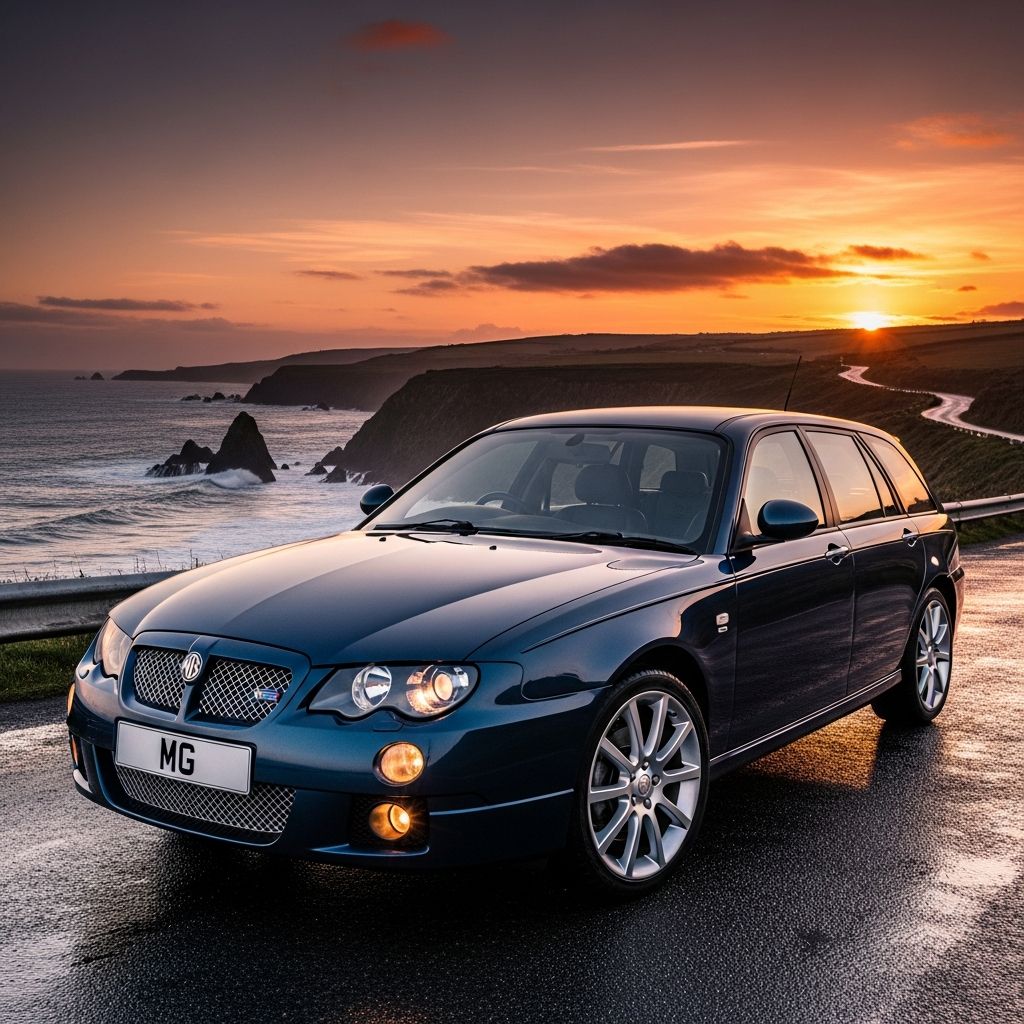
The MG ZT-T 160 Tourer stands out as a remarkable fusion of family-friendly utility and exhilarating driving dynamics. Launched in the early 2000s, this estate version of the MG ZT transformed the understated Rover 75 platform into a performance-oriented wagon that prioritized handling and style over mere transportation. With its 2.5-liter V6 engine delivering 160 horsepower, it promised—and often delivered—a driving experience far removed from typical estate cars of its era.
Origins and Design Philosophy
Developed during MG Rover’s ambitious push to revive British sports car heritage, the ZT-T emerged in 2001 as the estate counterpart to the saloon ZT models. Engineers, led by figures like Rob Oldaker, reworked the Rover 75’s chassis to enhance rigidity and responsiveness, incorporating stiffer suspension and performance-tuned components. The result was a vehicle that retained the elegant lines of its Rover sibling but added aggressive spoilers, wider tracks, and 17-inch alloy wheels for a more purposeful stance.
Visually, the ZT-T 160 Tourer captivates with its extended roofline and sloping rear hatch, creating a shooting brake silhouette that’s both practical and stylish. Bodywork in metallic paints like British Racing Green accentuated its muscular profile, while interior upgrades included sports seats with bolstered support, leather trim, and metallic accents on the dashboard. This design choice appealed to buyers seeking something distinctive amid a sea of bland SUVs and minivans.
Engine and Performance Breakdown
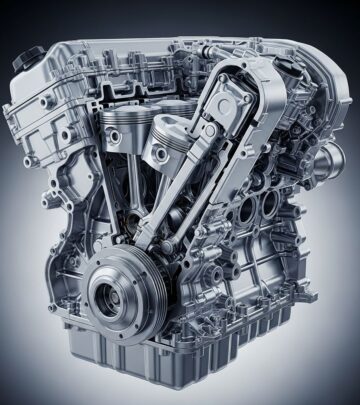
At the heart of the ZT-T 160 lies the 2.5-liter KV6 V6 engine, a smooth-revving unit tuned for 160 bhp and 240 Nm of torque. Paired with a five-speed manual or optional automatic transmission, it propels the 1,550 kg wagon from 0-60 mph in approximately 8.7 seconds, with a top speed hovering around 130 mph. Owners frequently praise the engine’s refined power delivery, describing it as “buttery smooth” with a satisfying exhaust note enhanced by performance tuning.
| Specification | Details |
|---|---|
| Engine | 2.5L V6, 160 bhp |
| 0-60 mph | 8.7 seconds |
| Top Speed | 130 mph |
| Fuel Economy | 22-25 mpg combined |
| Weight | 1,550 kg |
While not the quickest in class, the ZT-T’s performance shines in real-world scenarios. The V6’s mid-range punch makes overtaking effortless on motorways, and the chassis setup ensures minimal body roll through corners. Diesel variants like the 115 bhp CDTi offered better economy at around 40 mpg but lacked the petrol model’s character.
Handling and Ride Quality
What truly sets the MG ZT-T 160 apart is its chassis dynamics. Upgraded suspension with firmer dampers and anti-roll bars delivers sports car-like agility, allowing the estate to carve through bends with precision. Reviewers note sharp steering feedback and excellent grip from the 225/45 R17 tires, making it feel lighter and more planted than its weight suggests.
However, this sportiness comes at a cost: the ride can feel stiff over rough surfaces, transmitting potholes and expansion joints into the cabin. Owners often recommend softer aftermarket springs for daily comfort without sacrificing too much handling prowess. Despite this, the overall balance earns high marks, with one driver calling it “an estate that handles like a sports car.”
Practicality and Interior Space
Despite its performance focus, the ZT-T excels as a load-lugger. The rear hatch opens to reveal 400 liters of boot space with seats up, expanding to 1,400 liters when folded flat. A 60/40 split-folding rear bench accommodates families or gear-heavy weekends, while the low load lip eases heavy lifting.
- Seating: Five adults fit comfortably, with good legroom in the rear.
- Storage: Deep underfloor compartments for valuables.
- Features: Climate control, cruise control, and optional xenon headlights on higher trims.
The cabin impresses with its build quality—minimal rattles and solid materials prevail, though some plastics feel dated. Audio systems and trip computers provide modern touches for the time, and the driving position offers excellent visibility.
Ownership Experience: Costs and Reliability
Affordability defines the ZT-T’s appeal today. Used examples start under £2,000, offering tremendous value for a car with V6 power and estate versatility. Running costs are reasonable: insurance groups around 24-28 keep premiums manageable, and parts commonality with the Rover 75 ensures availability.
Reliability is mixed. The KV6 engine is durable if serviced properly, but watch for ECU water ingress—a common issue fixed by clearing drain tubes. Suspension bushes wear quickly due to the firm setup, and rust can appear on sills if neglected. Post-2003 models suffered from cost-cutting, so pre-2003 cars are preferable. Regular maintenance, including timing belt changes every 60,000 miles, keeps them reliable.
Comparing Engine Options
The ZT-T lineup evolved:
- ZT-T 160 (V6): Smooth and characterful, ideal for enthusiasts.
- ZT-T 190 (V6): Faster at 7.8 seconds to 60 mph, more aggressive.
- ZT-T 160 (1.8T): Lighter, punchier turbo four-cylinder from 2003.
- CDTi Diesels: Economical but slower, better for high-mileage drivers.
The original V6 variants hold most appeal for their soundtrack and refinement.
Market Position and Modern Relevance
In today’s used market, the ZT-T 160 Tourer appeals to classic car fans valuing personality over outright speed. It outshines rivals like the BMW 3-Series Touring in charm and undercuts prices significantly. With rising interest in modern classics, values stabilize around £3,000-£5,000 for tidy examples.
Electrification trends haven’t diminished its allure; its analog driving feel contrasts sharply with soulless EVs. Clubs and specialists provide support, ensuring longevity.
Pros and Cons at a Glance
| Pros | Cons |
|---|---|
| Exceptional handling | Firm ride quality |
| Smooth V6 power | Potential rust issues |
| Spacious boot | Thirsty on fuel |
| Bargain pricing | Aging electrics |
Frequently Asked Questions (FAQs)
Is the MG ZT-T 160 reliable?
With proper maintenance, yes. Address common issues like ECU drainage and suspension wear proactively.
How fuel-efficient is it?
Expect 22-25 mpg combined; diesels improve to 35-40 mpg.
What’s it like to drive?
Thrillingly agile with sports car poise, though the ride is firm.
Are parts easy to find?
Yes, shared with Rover 75; aftermarket support is strong.
Should I buy one today?
Absolutely, for characterful motoring at low cost—if you enjoy wrenching.
Buying Tips for Prospective Owners
Seek service history, check for rust under wheel arches, test the ECU for water damage, and drive firmly to assess suspension. Budget £500-£1,000 annually for upkeep. Join MG owners’ clubs for advice and parts.
In summary, the MG ZT-T 160 Tourer endures as a testament to British engineering ingenuity—a practical estate infused with sports car soul, perfect for drivers craving engagement without extravagance.
References
- MG ZT-T Reviews — CarSurvey.org. 2001. https://www.carsurvey.org/reviews/mg/zt-t/page-3/
- MG ZT-T (2001-2005) Used Car Review — RAC Drive, Steve Walker. N/A. https://www.rac.co.uk/drive/car-reviews/mg-motor-uk/mg-zt/mg-zt—t-2001-2005/
- Should You Buy an MG ZT-T? (2.5L V6 Test Drive & Review) — YouTube (JayEmm on Cars). N/A. https://www.youtube.com/watch?v=hPP7eAmT91U
- MG ZT (2001-2005) Editorial Review — Car and Driving. N/A. https://www.caranddriving.com/editorial-library-review.aspx?id=207519
- MG ZT Buyer’s Guide — Classics World. N/A. https://classicsworld.co.uk/guides/mg-zt-buyers-guide/
Similar Articles



Read full bio of medha deb