MG ZT 260: V8 Conversion, Specs, And Collector Appeal
Exploring MG Rover's bold engineering feat that transformed a family sedan into a rear-drive V8 powerhouse
The Vision Behind an Unlikely Creation
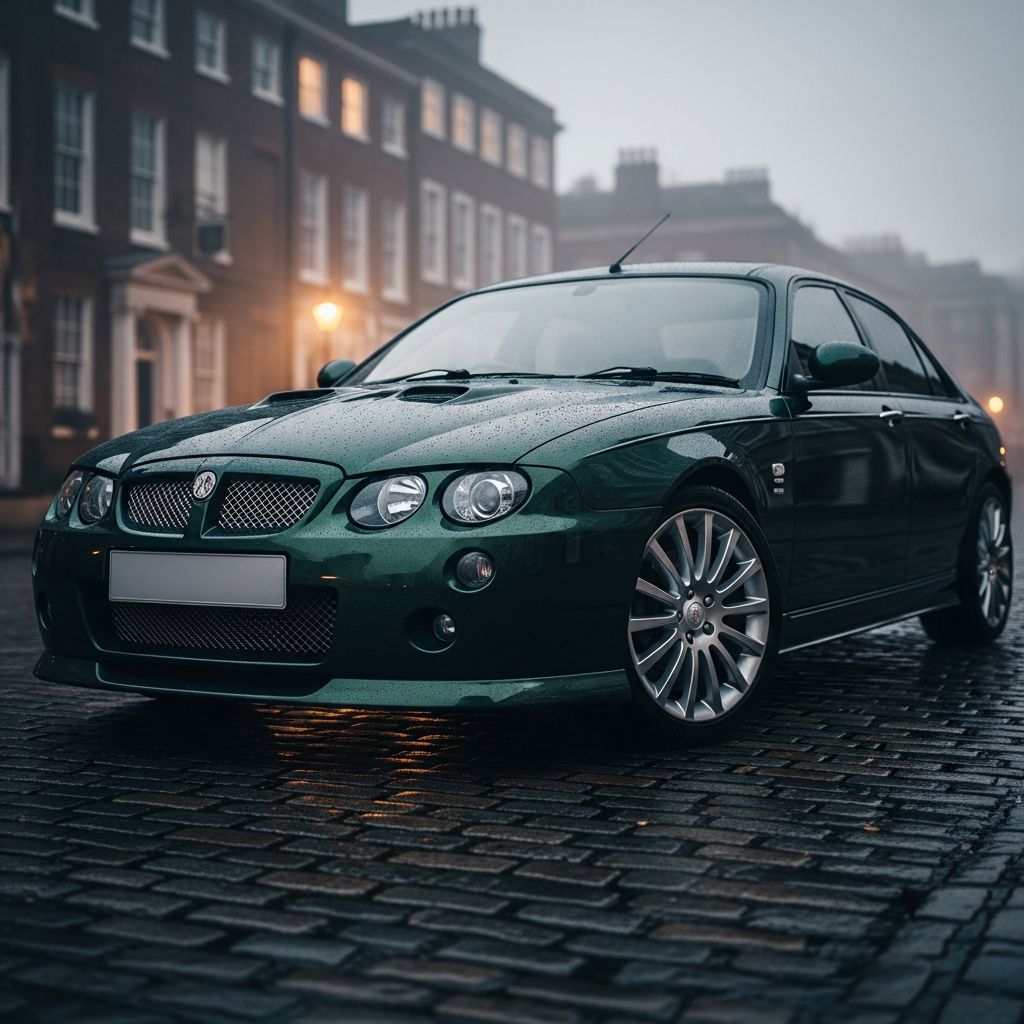
When MG Rover undertook the monumental task of converting a compact front-wheel-drive saloon into a rear-wheel-drive V8-powered machine, they were making a bold statement about British engineering ambition. The ZT 260 represented far more than a simple engine swap; it was a complete reimagining of an existing platform to accommodate entirely different mechanical principles. This transformation required a substantial investment of approximately £30 million during the early 2000s—a considerable sum even by major automotive manufacturer standards.
The decision to pursue this conversion reflected the company’s desire to demonstrate technical capability during a period when MG Rover was navigating increasingly challenging market conditions. Rather than merely bolting a larger engine into an existing chassis, the engineers chose to completely re-engineer the vehicle, converting the platform from transverse to longitudinal engine orientation and shifting from front-wheel to rear-wheel drive.
Mechanical Transformation and Engineering Achievement
The heart of the ZT 260 is a 4.6-litre Ford V8 engine, sourced directly from Ford’s parts inventory. This powerplant generates 260 horsepower and produces 410 Newton-metres of torque, with peak torque arriving at the surprisingly high figure of 4000 rpm, which is only 1000 rpm below maximum power output. The engine is coupled with a modified Tremec five-speed manual transmission, designed to handle the substantial power delivery smoothly through the available gear ratios.
The suspension architecture represents equally significant engineering work. MG Rover designed an entirely new multi-link rear suspension configuration, incorporating compound-rate springs from race specialist Eibach, complemented by Bilstein monotube dampers. The front end retained and refined the standard MacPherson strut arrangement, creating a balanced chassis that manages the considerable mass and power characteristics of the V8 engine.
Braking hardware matches the performance credentials of the powertrain. The system features larger ventilated discs at the front and specialized AP Racing ventilated discs with bespoke callipers at the rear. The four-channel ABS system incorporates electronic brakeforce distribution, providing modern safety standards to complement the classical engineering approach of the overall platform.
Interior Appointments and Luxury Features
The cabin environment reflects the premium positioning of this specialized vehicle. Suede and leather trim throughout create an upmarket atmosphere, supported by a comprehensive selection of luxury conveniences. These include power-adjustable front seats, a power-operated sunroof, an eight-speaker six-CD audio system with MP3 compatibility, cruise control functionality, and a comprehensive trip computer.
However, the interior design reveals some practical compromises inherent to the conversion process. The installation of the large bellhousing required to accommodate the longitudinally-mounted V8 creates space constraints on the driver’s side, leaving minimal room for proper left-foot positioning once the clutch pedal occupies its space. This design compromise, while necessary given the mechanical constraints, represents a notable limitation in daily usability for drivers seeking ergonomic comfort during extended driving sessions.
The instrument cluster features blue-faced gauges that prioritize aesthetic appeal, though they present some readability challenges during varying lighting conditions.
Performance Characteristics and Driving Dynamics
The ZT 260 demonstrates impressive acceleration despite not feeling as quick as the numbers suggest. The vehicle reaches 100 km/h from a standstill in approximately 6.3 seconds, representing a gain of 0.8 seconds over the six-cylinder variant. The acceleration emerges as a rolling wave of torque, providing continuous forward thrust rather than sharp bursts.
The transmission shifting action is notably smooth, with the Tremec unit gliding through its ratios without requiring aggressive inputs. The clutch assembly presents a heavier feel than many contemporary vehicles, which becomes apparent during low-speed maneuvering and parking situations rather than during regular driving speeds. This characteristic demands deliberate pedal modulation when navigating tight spaces or setting off smoothly from traffic lights.
Handling characteristics benefit from the comprehensive suspension redesign. The chassis remains well-balanced and controllable, with rear-end grip maintained even during spirited driving. However, the ride quality presents contradictory characteristics—at lower speeds below 30 mph, the suspension exhibits a somewhat brittle character before smoothing out noticeably at higher velocities. The overall suspension tune appears prioritized toward road-speed comfort and dynamic responsiveness rather than low-speed compliance.
Real-World Practicality and Consumption
The substantial V8 engine carries a significant penalty in fuel consumption. Official figures rate the vehicle at 13.3 litres per 100 kilometres, translating to a touring range of approximately 400 kilometres on a full tank. This thirst for fuel reflects the inefficiency inherent to naturally-aspirated V8 engines in a vehicle that weighs considerably more than the standard ZT models.
The weight penalty proves significant—the ZT 260 carries approximately 200 kilograms additional mass compared to the standard six-cylinder variant. This mass increase means that the 70-horsepower advantage over the V6 model appears less substantial in real-world performance contexts, particularly when considering acceleration and overall responsiveness.
Styling and Visual Presence
The ZT 260 maintains the fundamental styling direction of the standard ZT platform while benefiting from its proportions and overall design coherence. The sedan presents attractive proportions that age reasonably well, with the V8 conversion not requiring dramatic visual modifications to accommodate the mechanical changes. However, the vehicle lacks the visual aggression or distinctive styling cues that might distinguish it from casual observers as a specially engineered machine.
Practical Limitations and Design Compromises
Despite engineering ambition and technical achievement, the ZT 260 faced notable practical constraints. The bizarre driving position for taller occupants reflects the space limitations imposed by the bellhousing installation. This awkward positioning represents a compromise inherent to fitting a large longitudinal V8 into a platform originally designed for a much smaller transverse engine.
The conversion’s integration into the standard manufacturing process required simplifying compromises. The vehicle needed to traverse the same production line as regular ZT and Rover 75 models, limiting the extent of platform modifications possible. A four-speed automatic transmission variant was eventually offered as an alternative to the standard manual, though performance comparisons suggest this option offered no significant advantages.
Performance Specifications Summary
| Specification | Value |
|---|---|
| Engine | 4.6L Ford V8 |
| Power Output | 260 horsepower |
| Maximum Torque | 410 Nm @ 4000 rpm |
| Transmission | Tremec 5-speed manual / 4-speed auto |
| 0-100 km/h | 6.3 seconds |
| Fuel Consumption | 13.3 L/100km |
| Tank Range | ~400 kilometers |
| Drivetrain | Rear-wheel drive |
Historical Context and Significance
The ZT 260 emerged during MG Rover’s final years, representing the company’s attempt to demonstrate continued innovation and engineering prowess before financial difficulties ultimately led to the company’s collapse. The project showcased what a committed engineering team could achieve with substantial investment and technical determination, even if market viability remained questionable.
The vehicle occupied an unusual market position—priced considerably below equivalent German sport sedans but lacking the refined dynamic character and proven reliability that buyers in that segment typically expected. The performance gain over the V6 variant appeared modest relative to the additional weight, complexity, and operational costs involved.
Legacy and Collector Interest
Today, the ZT 260 commands growing interest among enthusiasts and collectors. The combination of manual transmission, rear-wheel-drive configuration, and accessible purchase prices has attracted attention, particularly in wagon variants where practicality combines with performance. The car’s rarity and the engineering achievement it represents ensure its continued appreciation among those valuing British mechanical innovation.
Whether in sedan or wagon form, the ZT 260 remains an intriguing artifact of early 2000s automotive ambition—a product that, despite its limitations, demonstrated what determination and engineering resources could accomplish in transforming a conventional family saloon into something genuinely distinctive.
Frequently Asked Questions
What engine powers the MG ZT 260?
The MG ZT 260 is powered by a 4.6-litre Ford V8 engine producing 260 horsepower and 410 Newton-metres of torque, modified from standard Ford specifications to suit the unique installation.
Why was the platform converted to rear-wheel drive?
The conversion to rear-wheel drive was necessary to accommodate the longitudinal V8 engine installation. The original ZT platform was designed for transverse engine mounting in front-wheel-drive configuration, requiring fundamental re-engineering to accept a much larger engine oriented along the vehicle’s length.
How much did the ZT 260 development cost?
MG Rover invested approximately £30 million in the complete re-engineering project, a substantial sum even accounting for the early 2000s timeframe.
What transmission options were available?
The primary option was a modified Tremec five-speed manual transmission, with a four-speed automatic variant offered later as an alternative.
Why are there space constraints for the left foot?
The large bellhousing required to accommodate the longitudinally-mounted V8 creates significant space restrictions on the driver’s side of the cabin, leaving minimal room for proper left-foot positioning once the clutch pedal is engaged.
How does fuel consumption compare to the V6 version?
The V8 consumes significantly more fuel, with official figures of 13.3 litres per 100 kilometres compared to more economical ratings for the six-cylinder variant, resulting in a touring range of approximately 400 kilometres.
Is the MG ZT-T wagon available in V8 form?
Yes, wagon variants of the ZT 260 were produced, offering practical cargo space combined with V8 performance, though these vehicles are relatively rare and valuable to modern enthusiasts.
References
- MG ZT 260 V8 sedan Reviews — GoAuto. 2004-10-07. https://www.goauto.com.au/car-reviews/mg/zt/260-v8-sedan/2004-10-07/26384.html
- Man Maths: MG ZT 260 — The Intercooler. https://www.the-intercooler.com/library/blog/man-maths-mg-zt-260/
- Laughing around Mallory Park in a MG ZT 260 — Goodwood Road & Racing. https://www.goodwood.com/grr/road/news/laughing-around-mallory-park-in-a-mg-zt260-thank-frankel-its-friday/
- Readers’ Rides: Sean’s Mustang-Powered MG ZT 260 — CarThrottle. https://www.carthrottle.com/news/readers-rides-seans-mustang-powered-mg-zt-260
- MG ZT 260: The Cheap V-8 Manual Wagon You’ve Never Heard of — Hagerty Media. https://www.hagerty.com/media/market-trends/hagerty-insider/mg-zt-260-the-cheap-v-8-manual-wagon-youve-never-heard-of-is-just-out-of-reach/
- Just Before Its Death, MG Built Its Craziest Car – MG ZT 260 — YouTube. https://www.youtube.com/watch?v=aYnkJW2Udp4
Similar Articles


Read full bio of Sneha Tete