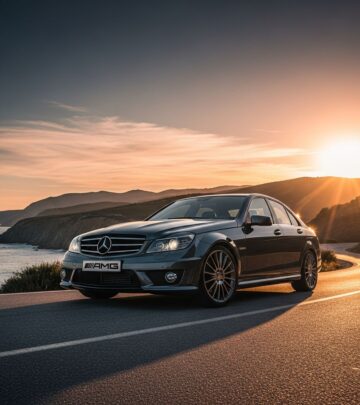
Mazda3 Fastback vs Volkswagen Jetta: Complete Comparison
Discover which compact sedan offers superior performance, comfort, and value for your driving needs.
Mazda3 Fastback vs Volkswagen Jetta: A Comprehensive Buyer’s Guide
When shopping for a compact sedan that balances affordability, reliability, and driving enjoyment, two models consistently emerge as top contenders: the Mazda3 Fastback and the Volkswagen Jetta. Both vehicles have earned solid reputations in the automotive market, attracting drivers who prioritize practical transportation without compromising on style or performance. Understanding how these two vehicles compare across multiple dimensions can help prospective buyers make an informed decision that aligns with their individual priorities and lifestyle needs.
Engine Performance and Power Delivery
The powertrains in these two vehicles reflect distinctly different engineering philosophies. The Mazda3 Fastback delivers its performance through a naturally aspirated 2.5-liter four-cylinder engine that produces 191 horsepower at 5,600 RPM, providing a robust foundation for everyday driving and spirited acceleration when needed. The engine generates 186 pounds-feet of torque at 2,800 RPM, offering a linear power delivery throughout the rev range. For those seeking additional capability, Mazda offers an optional turbocharged 2.5-liter variant that elevates output to an impressive 250 horsepower, available on higher trim levels.
The Volkswagen Jetta takes a different approach with its 1.5-liter turbocharged four-cylinder engine that generates 158 horsepower at 5,500 RPM. While the horsepower advantage clearly favors the Mazda, Volkswagen engineers have strategically deployed turbocharging to deliver maximum torque—184 pounds-feet—earlier in the power band at just 1,750 RPM compared to the Mazda’s 4,000 RPM. This translates to responsive low-end grunt for highway merging and urban acceleration, even though the overall power output remains modest by contemporary standards.
Real-world performance testing demonstrates the tangible consequences of these engineering decisions. Independent testing revealed that the Mazda3 achieves 0-60 mph acceleration in approximately 7.2 seconds, while the Jetta requires roughly 7.8 seconds. In quarter-mile testing, the performance gap widens considerably, with the Mazda covering the distance in 15.4 seconds at 91.2 mph compared to the Jetta’s 16.0 seconds at 86.5 mph.
Fuel Efficiency Ratings
In an era where fuel costs significantly impact ownership expenses, fuel economy becomes a critical consideration. The Volkswagen Jetta establishes itself as the efficiency champion with EPA-estimated ratings of 29 miles per gallon in city driving, 40 miles per gallon on highways, and 33 miles per gallon combined when equipped with an automatic transmission. This represents a meaningful advantage over daily commuting distances.
The Mazda3 Fastback achieves respectable but slightly lower efficiency ratings of 27 miles per gallon in city environments, 36 miles per gallon on open highways, and 30 miles per gallon combined. The difference amounts to approximately 2-4 mpg depending on driving conditions. However, it’s important to note that the Mazda’s larger displacement engine and greater power output partially explain this efficiency gap. For drivers who accumulate significant annual mileage, the Jetta’s superior fuel economy could translate into meaningful savings at the pump over several years of ownership.
Interior Dimensions and Passenger Comfort
Evaluating passenger comfort requires examining both absolute interior dimensions and the subjective experience of occupants in various seating positions. Both vehicles accommodate five passengers comfortably in normal circumstances. The Mazda3 Fastback provides approximately 1.2 inches of additional front legroom compared to the Jetta, giving drivers more room to adjust their seating position for optimal ergonomics during extended driving sessions.
However, rear passengers experience a different story. The Jetta offers 2.3 inches of additional rear legroom, benefiting passengers in the back seat who value space for their legs during long journeys. This dimension becomes particularly relevant for families with teenage passengers or situations where rear passengers regularly travel significant distances. Headroom presents a nearly negligible difference, with the Jetta offering a slight 0.5-inch advantage at 38.5 inches compared to the Mazda’s 37.6 inches.
Cargo Capacity and Practicality
The Mazda3 Fastback configuration delivers 419 liters of cargo space, a 55-liter increase compared to the hatchback variant, making it substantially more practical for owners who regularly transport larger items. The Volkswagen Jetta sedan provides 510 liters of cargo capacity, representing 130 additional liters beyond what the Mazda offers. This significant difference means the Jetta accommodates groceries, luggage, or sports equipment more readily without relying on roof racks or external cargo solutions. For buyers prioritizing cargo flexibility and practical storage, the Jetta’s spacious trunk provides a compelling advantage.
Technology and Infotainment Systems
Modern vehicle buyers increasingly value connectivity and user interface design. The Mazda3 Fastback features a standard 8.8-inch infotainment display that benefits from sophisticated design elements, including a minimalist bezel that creates an impression of even greater screen real estate while maintaining visual elegance. The interface integrates smoothly with smartphone integration and provides intuitive menu navigation for driver entertainment and vehicle settings.
The Volkswagen Jetta standard configuration includes a 6.5-inch touch screen, with an optional 8.0-inch upgrade available. While functional, the Jetta’s infotainment system offers fewer premium design touches compared to the Mazda’s thoughtfully curated display. For drivers who spend significant time interacting with navigation, audio controls, and vehicle settings, the Mazda’s superior infotainment presentation may provide a more satisfying daily experience.
Interior Ambiance and Material Quality
The subjective experience of entering a vehicle extends beyond technical specifications to encompass the overall atmosphere created by material selection and design execution. The Mazda3 Fastback interior demonstrates careful attention to detail, featuring premium materials and a tastefully executed design scheme that conveys quality. Soft-touch surfaces, refined trim pieces, and cohesive color palettes contribute to a cabin atmosphere that exceeds expectations for the price point.
The Volkswagen Jetta incorporates quality materials in certain areas but relies on harder plastic surfaces for the center console and door panels, slightly diminishing the overall sense of interior refinement. While perfectly serviceable and durable, these design choices emphasize function over premium feel. Drivers prioritizing cabin ambiance and tactile material quality may find the Mazda’s more carefully executed interior more rewarding during daily use.
Driving Dynamics and Handling Characteristics
Beyond raw performance numbers, the character and feel of how a vehicle responds to driver inputs significantly influences ownership satisfaction. The Mazda3 Fastback emphasizes engaging driving dynamics, featuring agile handling characteristics that reward confident cornering and provide responsive steering feedback. The suspension tuning balances comfort during cruising with controlled body motion during spirited driving, creating a vehicle that remains enjoyable whether navigating spiraling canyon roads or traversing city streets.
The Volkswagen Jetta prioritizes smooth, refined cruising over dynamic engagement. Its suspension delivers a compliant ride that absorbs road imperfections effectively, though the lighter steering weight permits noticeable body roll during more aggressive cornering maneuvers. This characteristic reflects Volkswagen’s philosophy of creating comfortable, accessible transportation rather than pursuing driving enthusiasm. For commuters valuing ride comfort above dynamic response, the Jetta’s approach proves entirely appropriate.
Transmission Options and Versatility
Transmission variety offers flexibility for different buyer preferences and driving habits. The Mazda3 Fastback primarily features a six-speed automatic transmission, with a manual option available on certain configurations for enthusiasts who prefer active engagement with their vehicle’s drivetrain. The Volkswagen Jetta offers both six-speed manual and eight-speed automatic transmissions, with some higher trims receiving seven-speed options. This transmission diversity provides multiple pathways to match individual preferences, whether prioritizing manual control or automatic convenience.
Pricing Strategy and Value Proposition
Entry-level pricing significantly influences vehicle selection for budget-conscious buyers. The Volkswagen Jetta begins at $23,220, including destination charges, positioning it as the more accessible option. The Mazda3 Fastback starts at $25,335 with destination included, representing approximately a $2,100 premium over the Jetta’s base price. This price differential reflects the Mazda’s superior performance, more refined interior, and enhanced technology features.
When comparing apples-to-apples configurations with similar trim levels and features, pricing considerations must account for what that investment delivers. The additional expense for the Mazda translates into noticeably superior driving engagement, premium interior materials, more advanced infotainment technology, and greater overall performance capability. Whether this value proposition justifies the premium depends on individual priorities and budget constraints.
Safety Features and Driver Assistance Technologies
Both vehicles incorporate important safety technologies as standard equipment. The Mazda3 Fastback includes automatic emergency braking as standard, along with blind-spot monitoring, adaptive cruise control, and available surround-view camera technology. These features work together to provide modern protection against common accident scenarios. The Volkswagen Jetta matches the Mazda with automatic emergency braking and blind-spot monitoring, plus adaptive cruise control, though it lacks the Mazda’s surround-view camera offering. Both vehicles provide solid baseline safety architecture, though the Mazda offers marginally more comprehensive driver assistance options.
Warranty Coverage and Long-Term Protection
Warranty provisions provide important peace-of-mind during ownership. The Mazda3 Fastback offers three years or 36,000 miles of basic coverage, while the Volkswagen Jetta extends this to four years or 50,000 miles. The Jetta’s more generous warranty commitment demonstrates confidence in build quality and provides longer protection against unexpected repairs during early ownership. For buyers concerned about unexpected repair expenses, the Jetta’s extended coverage window offers practical reassurance.
Comparing Specifications at a Glance
| Specification | Mazda3 Fastback | Volkswagen Jetta |
|---|---|---|
| Engine | 2.5L I4 (191 hp) | 1.5L Turbo I4 (158 hp) |
| Torque | 186 lb-ft @ 2,800 RPM | 184 lb-ft @ 1,750 RPM |
| City/Highway MPG | 27 / 36 | 29 / 40 |
| Combined MPG | 30 | 33 |
| Transmission | 6-Speed Automatic | 6-Speed Manual / Auto |
| Cargo Space | 419 Liters | 510 Liters |
| Front Legroom | +1.2″ vs Jetta | Baseline |
| Rear Legroom | Baseline | +2.3″ vs Mazda |
| Infotainment | 8.8″ Standard | 6.5″ Standard |
| Base Price | $25,335 | $23,220 |
| Warranty | 3 years / 36k miles | 4 years / 50k miles |
Frequently Asked Questions
Which vehicle delivers better performance on highways?
The Mazda3 Fastback provides superior acceleration and responsiveness due to its larger displacement naturally aspirated engine and 33 additional horsepower. However, the Volkswagen Jetta’s early turbo boost provides adequate merging capability and maintains consistent cruising comfort at highway speeds. For drivers prioritizing performance, the Mazda offers the more engaging experience.
Is the Jetta more fuel-efficient than the Mazda?
Yes, the Volkswagen Jetta achieves approximately 2-4 mpg better fuel economy depending on driving conditions. Over 10,000 annual miles, this translates into roughly 40-60 additional gallons consumed by the Mazda annually, representing meaningful long-term fuel cost differences.
Which vehicle offers more practical cargo space?
The Volkswagen Jetta provides 510 liters of trunk space compared to the Mazda3 Fastback’s 419 liters, delivering 91 additional liters for groceries, luggage, and equipment. For families regularly transporting larger items, the Jetta’s spacious trunk proves more practical.
Does either vehicle have a clear interior quality advantage?
The Mazda3 Fastback features more premium material selection and refined design execution throughout its cabin. The Volkswagen Jetta incorporates quality materials but relies on harder plastics in some areas. For buyers prioritizing cabin ambiance, the Mazda delivers a more upscale experience.
What warranty protection does each vehicle provide?
The Volkswagen Jetta extends coverage to four years or 50,000 miles, surpassing the Mazda3’s three years or 36,000 miles. The Jetta’s more generous warranty provides longer protection during early ownership against unexpected repairs.
Which vehicle suits drivers who prefer engaging dynamics?
The Mazda3 Fastback emphasizes responsive steering, agile handling, and dynamic suspension tuning that rewards attentive driving. The Volkswagen Jetta prioritizes comfort and smooth cruising over dynamic engagement. Enthusiasts will find the Mazda more rewarding on winding roads.
Making Your Decision
Selecting between the Mazda3 Fastback and Volkswagen Jetta ultimately depends on which priorities resonate most strongly with your individual needs. Choose the Mazda3 Fastback if you value spirited driving dynamics, premium interior materials, advanced technology, robust performance, and are willing to accept slightly lower fuel economy and higher pricing. Select the Volkswagen Jetta if superior fuel efficiency, lower purchase price, extended warranty protection, spacious cargo capacity, and comfortable cruising take precedence in your decision-making.
Test-driving both vehicles remains the most effective method for evaluating how each responds to your personal preferences and driving style. Consider your typical driving patterns, annual mileage expectations, budget constraints, and what features genuinely influence your daily satisfaction. Both vehicles deliver competent, reliable transportation wrapped in contemporary styling, ensuring that either choice provides years of dependable service.
References
- Mazda Mazda3 vs. Volkswagen Jetta Comparison — TrueCar. 2026. https://www.truecar.com/compare/mazda-mazda3-vs-volkswagen-jetta/
- 2025 Mazda3 vs. 2025 Volkswagen Jetta Comparison — Kelley Blue Book (KBB). 2025. https://www.kbb.com/comparison/mazda3-vs-volkswagen-jetta/
- Small Sedan Comparison: The 2019 Mazda 3 vs The Volkswagen Jetta — TIREKICKER. 2019. https://tirekicker.blogspot.com/2019/09/small-sedan-comparison-2019-mazda-3-vs.html
- Mazda3 vs Toyota Corolla, Honda Civic, and Volkswagen Jetta — Mazda of Sarasota. 2026. https://www.mazdaofsarasota.com/compare/mazda3-vs-the-competition.htm
- Volkswagen Jetta vs Mazda MAZDA3 — CarGurus. 2026. https://www.cargurus.com/research/compare/Volkswagen-Jetta-vs-Mazda-MAZDA3-d200-d214
- Mazda 3 Fastback vs Volkswagen Jetta — Auto Express. 2026. https://www.autoexpress.co.uk/mazda/3/87689/mazda-3-fastback-vs-volkswagen-jetta
Similar Articles



Read full bio of Sneha Tete