Mazda 6 2026: Modern Sedan Excellence
Discover why the 2026 Mazda 6 remains a compelling choice for sedan buyers seeking balanced performance and value.
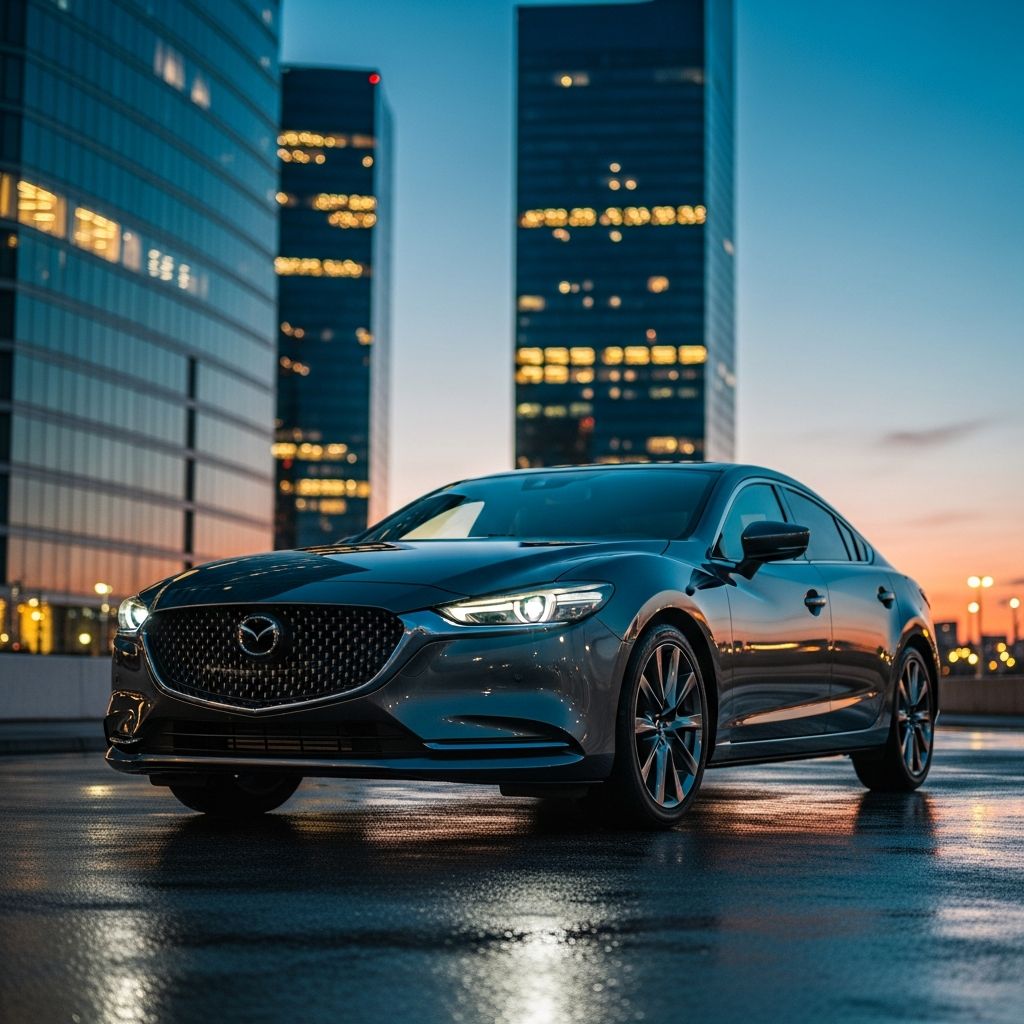
Comprehensive Analysis of the 2026 Mazda 6 Sedan
The automotive landscape continues to evolve with manufacturers refining their core offerings to meet modern consumer expectations. The latest iteration of Mazda’s mid-size sedan represents a thoughtful update that balances traditional strengths with contemporary technological enhancements. This examination provides detailed insights into what prospective buyers should know about this vehicle.
Pricing and Variant Structure
Understanding the financial commitment required represents a crucial first step in the buying process. The 2026 model year introduces a tiered approach that accommodates different buyer priorities and budget constraints. The entry-level configuration begins at $36,290, positioning the vehicle within reach of mainstream buyers seeking reliable transportation. The comprehensive lineup extends through multiple trim levels, with the top-tier 20th Anniversary model reaching $55,685.
Mid-range configurations occupy the $36,690 to $40,990 bracket, delivering a substantial increase in amenities and refinements for modest additional investment compared to base models. This pricing strategy represents a competitive positioning, with some configurations experiencing slight reductions of approximately $500 relative to previous generation offerings. The value proposition strengthens when considering the standardization of premium features across trim levels.
Interior Comfort and Convenience Technology
Modern sedan buyers increasingly prioritize cabin environments that blend aesthetic appeal with functional technology integration. The 2026 iteration addresses these expectations through comprehensive feature packages that extend across trim levels. Higher-specification models incorporate leather appointments for steering wheels and gear shifters, elevating the tactile experience during daily operation.
Climate management systems provide dual-zone climate control on base variants, enabling individualized temperature preferences for driver and passenger positions. Elevated trims incorporate heating and ventilation capabilities for front seating surfaces, with rear-seat warmth availability on premium configurations. This progressive approach ensures even entry-level buyers experience modern comfort standards.
Infotainment architecture centers on an 8.0-inch touchscreen interface employing rotary dial control methodology. This implementation prioritizes usability while maintaining focus on road conditions. The system integrates digital audio broadcasting (DAB) radio alongside satellite navigation functionality, eliminating the necessity for aftermarket solutions. Premium configurations introduce head-up display technology, projecting critical driving information directly into the driver’s sightline.
Audio presentation benefits from brand partnerships, with Bose-branded speaker systems delivering 11 channels of sound reproduction on higher-tier models. This integration provides sound quality that satisfies audiophile sensibilities without necessitating expensive aftermarket modifications.
Operational Features and Driver Assistance
Convenience features span both active operation and vehicle security. Keyless entry mechanisms activate door locks without traditional key insertion, while push-button start systems engage engines through electronic signals. Automatic headlight and wiper functions reduce driver cognitive load during variable lighting and weather conditions.
Window and mirror adjustments transition to electric actuation across the lineup. Heated and power-adjustable mirrors with integrated fold functions enhance visibility management during adverse weather. Electric seat positioning enables drivers to establish personalized comfort configurations quickly.
Parking assistance technology provides comprehensive situational awareness through multiple methodologies. Standard parking sensors deliver proximity alerts when approaching obstacles from forward and rear directions. Upper-specification models introduce 360-degree camera systems that create bird’s-eye perspective views through the infotainment screen, dramatically simplifying parallel parking maneuvers and tight spatial navigation scenarios.
Safety Architecture and Protective Systems
Modern purchasing decisions increasingly reflect safety performance as a primary evaluation criterion. The manufacturer’s commitment to occupant protection manifests through multiple integrated systems working in concert. Six strategically positioned airbags provide multi-directional impact absorption for driver and passenger compartments.
Dynamic stability management encompasses electronic stability and traction control systems that prevent loss of vehicle command during challenging driving conditions. Anti-lock braking technology distributes braking force optimally across wheel positions, maintaining steering authority while decelerating rapidly. High-beam control systems automatically modulate headlight intensity based on oncoming traffic detection, preventing temporary blindness of other drivers.
Advanced driver monitoring systems include lane departure warning functionality that alerts occupants when unintended drift occurs without directional signal activation. Lane-keeping assistance actively corrects trajectory deviation, providing gentle corrective steering input to maintain centered positioning within lane markings. Blind-spot monitoring detects vehicles in peripheral visibility zones typically obscured by structural elements.
Collision avoidance technology employs forward-facing radar sensors to maintain appropriate following distances during highway operation. Automatic emergency braking systems activate independently when potential collision scenarios develop and driver response proves insufficient. Reverse-cross traffic alerts warn occupants of approaching obstacles during backward navigation, complemented by reversing cameras providing visual confirmation of clearance zones. Traffic sign recognition systems monitor regulatory signage and communicate speed restrictions and other regulations through dashboard display.
Driving Dynamics and Handling Characteristics
The operational experience defines ownership satisfaction beyond mere feature enumeration. The 2026 model demonstrates balanced suspension tuning that accommodates diverse road surface conditions without sacrificing ride refinement. Lower-specification wheel options preserve comfort throughout varied pavement conditions, while larger diameter wheels introduce slightly firmer responses that some drivers prefer for enhanced cornering feedback.
Confidence-inspiring steering responses encourage driver engagement during spirited driving without demanding excessive physical input. The vehicle manages everyday commuting requirements while accommodating recreational driving occasions through versatile suspension compliance. Parking simplicity receives further enhancement through manageable dimensions that negotiate urban environments without excessive spatial demands.
Interestingly, the manufacturer has eschewed autonomous parking technology despite its prevalence in competing offerings. This omission represents a design choice that prioritizes driver engagement and reduces system complexity, though some evaluators note its absence as an unexpected exclusion at this price point and segment positioning.
Feature Comparison Across Trim Levels
| Feature Category | Base Sport | Mid-Range Sport+ | Premium GT Sport Nav+ |
|---|---|---|---|
| Starting Price | $36,290 | $36,690–$40,990 | $55,685 (20th Anniversary) |
| Climate Control | Dual-Zone | Dual-Zone | Enhanced with Heating/Ventilation |
| Audio System | Standard | 11 Bose Speakers | 11 Bose Speakers |
| Leather Appointments | Limited | Steering Wheel & Gear Shifter | Full Premium Leather |
| Parking Technology | Sensors Front/Rear | Sensors Front/Rear | 360-Degree Camera System |
| Display Technology | 8.0″ Touchscreen | 8.0″ Touchscreen + 7.0″ TFT | 8.0″ Touchscreen + 7.0″ TFT + HUD |
Considering the Complete Package
Selecting an appropriate vehicle requires evaluating total value rather than isolated attributes. The trim-level strategy employed here facilitates straightforward decision-making through clearly differentiated packages. The Sport designation appears to present optimal equilibrium between financial accessibility and feature richness for most buyers without extreme budget constraints.
The standardization approach across trim levels eliminates excessive customization requirements, streamlining purchase decisions. Few individual options demand supplementary expenditure, with only one comprehensive option package available for those seeking non-standard configurations. This philosophy reduces decision fatigue while ensuring most buyers receive configurations matching genuine requirements.
Recent model updates demonstrate manufacturer commitment to competitive relevance. Slight price reductions on specific variants indicate market responsiveness while maintaining profitability margins. The comprehensive safety architecture reflects contemporary expectations regarding occupant protection without representing an emerging technology sector experiencing rapid obsolescence.
Frequently Asked Questions
Does the base model include essential safety features?
Yes, all 2026 models incorporate the full suite of protective systems including airbags, electronic stability control, anti-lock braking, lane departure warning, lane-keeping assist, blind-spot monitoring, forward and reverse automatic emergency braking, and traffic sign recognition. Safety prioritization applies consistently across the lineup.
What warranty coverage accompanies purchase?
While specific warranty details require verification with authorized dealers, Mazda historically provides competitive coverage comparable to mainstream competitors. Prospective buyers should review complete documentation before finalizing purchase commitments.
How does fuel efficiency compare to competing sedans?
Specific fuel economy metrics require consultation with manufacturer specifications or EPA ratings. The conventional powertrain approach ensures compatibility with existing refueling infrastructure while maintaining performance expectations.
Are significant performance differences evident between trim levels?
Powertrain configurations remain consistent across trim levels, with differentiation focused on comfort, convenience, and infotainment features rather than mechanical performance variations.
What maintenance requirements should buyers anticipate?
Standard automotive maintenance intervals apply, with authorized service centers providing expertise specific to this platform. Comprehensive owner documentation outlines specific servicing schedules and requirements.
Market Position and Competitive Considerations
The mid-size sedan segment continues supporting buyers seeking balanced transportation without embracing extremes in performance or luxury orientation. The 2026 offering maintains traditional strengths while incorporating modern technology integration that contemporary buyers increasingly expect. Competitive offerings exist from Japanese, American, and European manufacturers, each presenting distinct value propositions aligned with specific buyer priorities.
This particular model appeals to practical buyers prioritizing reliability, ease of use, and rational value exchange. The driving experience avoids excessive sportiness while delivering adequate responsiveness for varied operational scenarios. Cabin appointments reflect quality without pursuing premium positioning that commands substantial financial premiums.
Conclusion Regarding Overall Assessment
The 2026 Mazda 6 sedan represents a thoughtful evolution addressing contemporary buyer expectations without departing from established brand character. Comprehensive safety systems, modern infotainment integration, progressive comfort features, and manageable pricing create a compelling proposition for buyers prioritizing practicality and balanced capability. The tiered approach accommodates different financial circumstances while maintaining consistent quality foundations across the lineup. For buyers evaluating mid-size sedan alternatives, comprehensive examination of this offering warrants inclusion in deliberation processes.
References
- 2026 Mazda 6 Reviews — CarsGuide. 2026. https://www.carsguide.com.au/mazda/6/reviews/2026
- Mazda 6 Saloon Review 2026 — Carwow. 2026. https://www.carwow.co.uk/mazda/6-saloon
- Mazda 6e Review 2026 — Top Gear. 2026. https://www.topgear.com/car-reviews/mazda/6e
- 2026 Mazda 6e review: Wheels’ verdict on Mazda’s bold new sedan — WhichCar. 2026. https://www.whichcar.com.au/reviews/2026-mazda-6e-review-wheels-verdict-bold-new-sedan
- All-new Mazda 6e 2026 Review — JR Car Reviews. 2026. https://www.youtube.com/watch?v=69nF050gD0c
Similar Articles




Read full bio of medha deb