Lamborghini Murcielago Coupe: Ultimate Guide, Specs, And Costs
Discover the raw power, striking design, and thrilling performance of the Lamborghini Murcielago Coupe, a true legend of the supercar world.
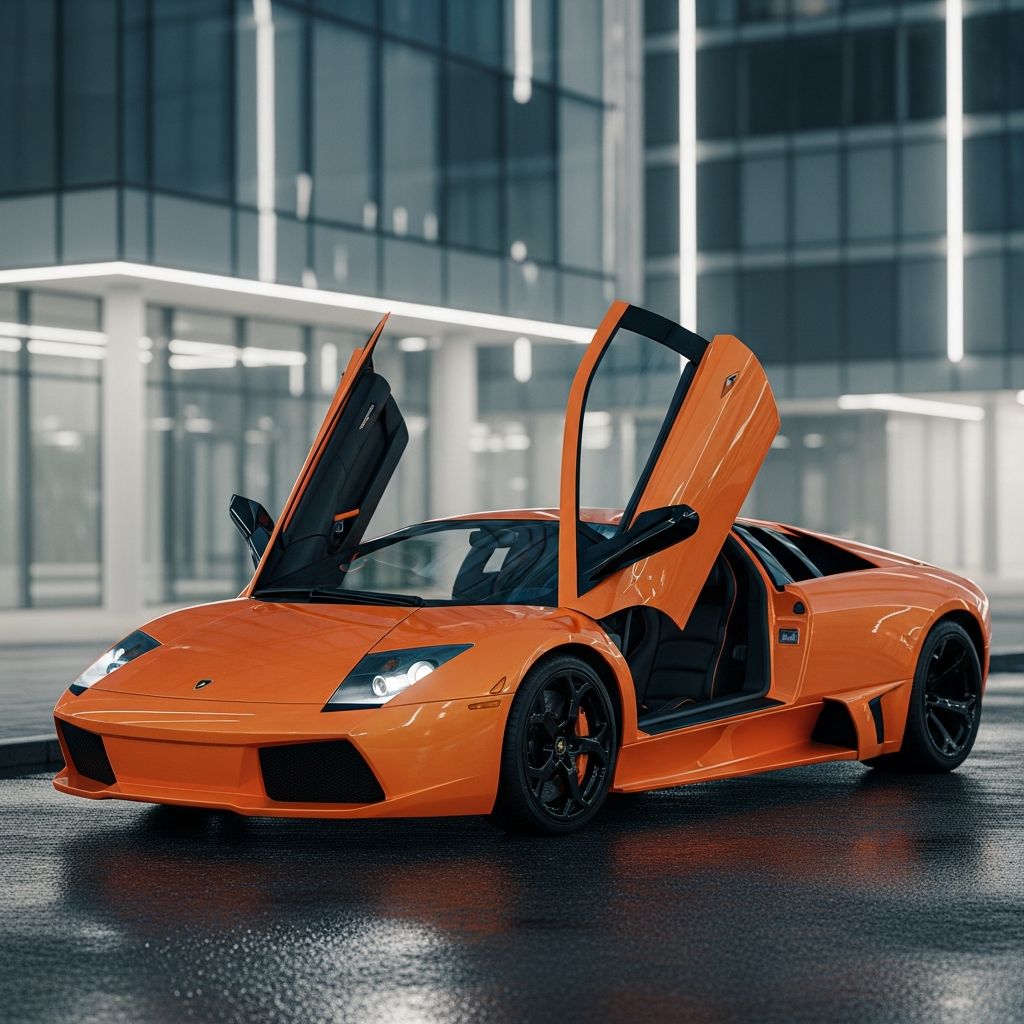
The Lamborghini Murcielago Coupe stands as a monumental achievement in automotive history, bridging the gap between raw, unbridled emotion and sophisticated engineering. Launched in 2001, this Italian masterpiece replaced the iconic Diablo with a design that screamed aggression while delivering unprecedented performance. Powered by a thunderous V12 engine, it offered drivers not just speed, but a visceral connection to the road that few cars can match.
Birth of a Legend: Origins and Development
The Murcielago emerged during a transformative era for Lamborghini, under the ownership of Volkswagen Group’s Audi division. Engineers aimed to create a supercar that honored the brand’s wild heritage while incorporating modern reliability. Named after a legendary fighting bull that survived 24 sword strokes in 1879, the Murcielago embodied resilience and ferocity.
Development focused on balancing extreme performance with usability. The chassis utilized a spaceframe construction from Audi’s expertise, lighter and stiffer than predecessors. This foundation allowed for sharper handling without sacrificing the drama Lamborghini fans crave. The coupe variant, produced from 2001 to 2010, set the benchmark for what a modern supercar should be.
Heart of the Beast: The V12 Powertrain
At the core lies a
6.2-liter V12 engine
producing 572 horsepower, later upgraded in the LP640 to 631 hp. This naturally aspirated powerhouse revs to 7,500 rpm, delivering a symphonic roar that starts as a menacing growl and builds to a stratospheric scream. Torque stands at 487 lb-ft, ensuring explosive acceleration across the rev range.Paired with a six-speed e-gear automated manual transmission, shifts are lightning-fast, though the original manual option appealed to purists. All-wheel drive distributes power intelligently, providing grip that belies the car’s 3,500-pound weight. Top speed exceeds 200 mph, with 0-60 mph in just 3.8 seconds—matching elite rivals like the Porsche 911 GT2.
| Performance Metric | Murcielago Coupe | LP640 Variant |
|---|---|---|
| 0-60 mph | 3.8 seconds | 3.4 seconds |
| Quarter-Mile | 12.6 sec @ 116 mph | 11.8 sec @ 122 mph |
| Top Speed | 205 mph | 211 mph |
| Power | 572 hp | 631 hp |
This table highlights the evolution, showcasing how Lamborghini refined the formula for even greater dominance.
Design That Demands Attention
Styling by Luc Donckerwolke drew from fighter jets and bats, with scissor doors that hinge forward for dramatic entry. The low-slung body, massive air intakes, and hexagonal exhausts create an intimidating presence. Aerodynamic aids like active rear spoilers adjust for high-speed stability.
Hexagonal motifs permeate the design, from wheels to taillights, giving it a futuristic edge. The fixed-roof coupe maintains a sleek profile, weighing less than the roadster and offering superior rigidity. Interiors blend Alcantara, carbon fiber, and leather, with surprisingly comfortable seats for long hauls.
- Aggressive front fascia: Massive intakes feed the V12, flanked by piercing LED lights.
- Side profile: Long hood and short rear emphasize the engine’s dominance.
- Rear end: Quad exhausts and diffuser channel hot air efficiently.
Driving Dynamics: Thrill Meets Precision
Behind the wheel, the Murcielago delivers a multi-sensory assault. The clutchless e-gear paddles enable rapid shifts, propelling you forward with neck-snapping force. On highways, it cruises at 2,000 rpm in sixth gear, remarkably refined for its era—immune to tramlining despite massive Pirelli tires.
Handling shines on twisty roads, with all-wheel drive providing confidence-inspiring traction. Four damper settings range from compliant to track-focused, though the ride remains firm over bumps. It outperforms the Diablo in composure, tracking true during hard acceleration.
Braking is phenomenal, with massive carbon-ceramic discs (optional later) hauling the car from 150 mph with poise. Steering is direct, communicating every路面 nuance without being overly heavy.
Coupe vs. Roadster: Choosing Your Thrill
The coupe offers a purer sports car experience with its lighter weight and stiffer chassis, ideal for circuit days. The roadster adds open-air drama, though added mechanisms slightly impact acceleration.
| Aspect | Coupe | Roadster |
|---|---|---|
| Weight | Lighter | Heavier |
| 0-60 mph | Quicker | Slightly slower |
| Handling | More agile | Exotic openness |
| Aesthetics | Sleek lines | Dynamic flair |
Both variants capture the Murcielago’s essence, catering to different desires.
Interior Refinement and Practicality
Step inside to find a cockpit prioritizing driver focus. Multifunction displays handle navigation and telemetry, while custom luggage fits the front trunk for weekend getaways. Storage surprises with compartments for daily essentials.
Visibility is decent, better than claustrophobic predecessors, with large mirrors (though protruding). Gauges are legible, controls intuitive—almost Accord-like in lightness. Audio systems and climate control add luxury without diluting the raw feel.
Ownership Realities: Costs and Maintenance
Running a Murcielago demands commitment. Annual servicing exceeds $5,000, with tires costing thousands due to 18-inch rears. Fuel economy hovers at 10-12 mpg, but the experience justifies it.
Values have stabilized; early coupes fetch $200,000-$300,000, appreciating as classics. Reliability improved over the Diablo, thanks to Audi input, though electronics can falter with age.
- Pros: Unmatched soundtrack, blistering speed, head-turning looks.
- Cons: High maintenance, firm ride, limited space.
Legacy in the Supercar Pantheon
The Murcielago paved the way for the Aventador, influencing design and tech. It captured the 2000s shift toward usable exotics, blending old-school character with refinement. Today, it remains a collector’s dream, evoking pure driving joy.
Frequently Asked Questions (FAQs)
What is the top speed of the Lamborghini Murcielago Coupe?
The standard coupe reaches 205 mph, while the LP640 pushes to 211 mph.
How does the Murcielago compare to the Ferrari 575M?
It matches the quarter-mile at 12.6 seconds but offers superior all-wheel-drive grip.
Is the Murcielago suitable for daily driving?
Surprisingly yes, with comfortable seats, storage, and highway manners.
What transmission options were available?
Six-speed manual or e-gear automated manual.
Why is it named Murcielago?
After a resilient fighting bull from 1879.
Whether carving canyons or dominating straights, the Lamborghini Murcielago Coupe delivers an adrenaline-fueled symphony that lingers long after the engine fades.
References
- Lamborghini Murcielago Review — Supercarsite.net. 2023. https://supercarsite.net/lamborghini-murcielago/
- Tested: 2003 Lamborghini Murciélago By the Numbers — Car and Driver. 2003-06-01. https://www.caranddriver.com/reviews/a35686262/2003-lamborghini-murcielago-by-the-numbers/
- Lamborghini Murciélago (2001 – 2011) review — Evo. 2025-08-28. https://www.evo.co.uk/lamborghini/murcielago
- Lamborghini Murcielago Coupe (2005-2010) review — Auto Express. 2023. https://www.autoexpress.co.uk/lamborghini/murcielago/coupe
- Retro review: Lamborghini Murciélago LP640 Roadster — Top Gear. 2023. https://www.topgear.com/car-reviews/lamborghini/lp-640-2dr-e-gear/first-drive
Similar Articles


Read full bio of Sneha Tete