Jensen S-V8: Forgotten British Roadster, Only 10 Built
Discover the story of Jensen's ambitious S-V8, a high-performance convertible that promised greatness but faded into obscurity after just 10 units.
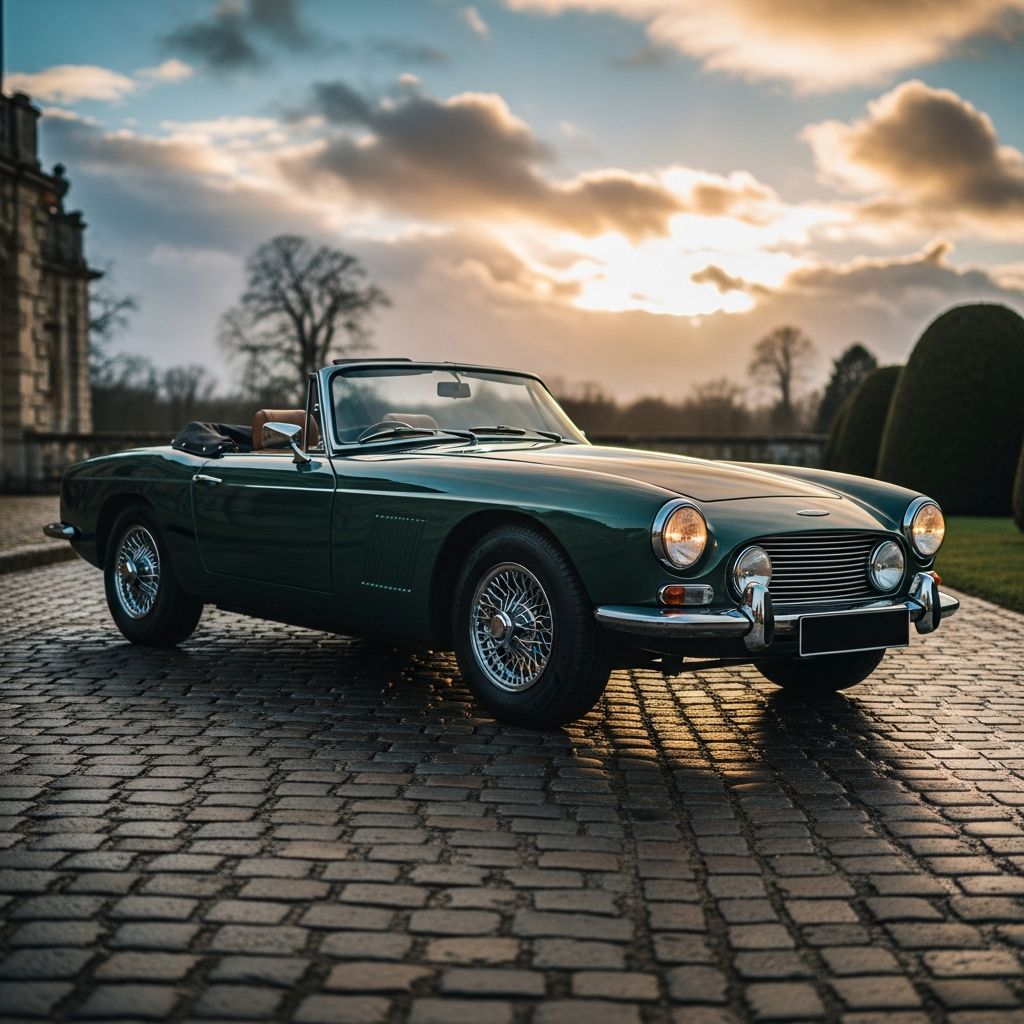
The Jensen S-V8 stands as a poignant chapter in British automotive history, embodying ambition, innovation, and ultimate disappointment. Launched amid high expectations in the late 1990s, this convertible sports car aimed to revive the storied Jensen brand with cutting-edge materials and proven power. Despite its potential to rival contemporaries like the TVR and Morgan, poor execution led to its swift demise after producing only a handful of units.
Reviving a Legendary Name
Jensen Motors, once renowned for grand tourers like the Interceptor, had long been dormant by the mid-1990s. A new consortium, backed by substantial investment, sought to resurrect the marque with a modern roadster. The project originated from Creative Tooling in Oswestry, initially envisioning a vehicle powered by a GM V6 from the Vauxhall Omega. However, market feedback from enthusiast forums demanded more power, prompting a shift to a V8 configuration. This pivot renamed the initiative Project Vulcan, setting the stage for what became the S-V8.
Styling drew inspiration from Jensen’s classic heritage, including subtle nods to the CV-8, while adopting a contemporary aesthetic. Designers Howard Guy and Gary Doy from Design Q crafted a sleek, aluminum-bodied convertible that blended nostalgia with forward-thinking engineering. The debut at the 1998 British International Motor Show in Birmingham generated buzz, with showgoers captivated by its bold lines and performance promises.
Engineering and Powertrain Excellence
At the heart of the S-V8 was a 4.6-liter Ford V8 engine, borrowed from the Mustang and badged with Cobra branding. This 32-valve, four-cam unit delivered 325 horsepower, propelling the lightweight chassis—tipping the scales at just 2,680 pounds—to impressive velocities. Manufacturers claimed a 0-60mph sprint in under five seconds and a top speed exceeding 160mph, figures that positioned it competitively against American muscle like the Mustang itself.
- Engine: 4,601cc Ford V8, 325bhp
- Transmission: 5-speed manual, rear-wheel drive
- Body: Bonded aluminum structure for reduced weight
- Performance: 0-60mph <5s, top speed 160+mph
The choice of Ford’s compact V8 marked a departure from Jensen’s past use of larger Chrysler engines, offering better packaging and reliability. Paired with a traditional manual gearbox, it appealed to purists who favored the raw, engaging drive of front-engine, rear-drive layouts. The aluminum chassis, produced with state-of-the-art techniques in Merseyside, promised superior rigidity and handling without the heft of steel alternatives.
Launch Hype and Investor Backing
With £10 million in funding, the project appeared poised for success. The 1998 motor show reveal drew widespread media acclaim, and pre-production models impressed with their dynamics. Videos from the era, including test drives by presenters like James Allen, highlighted the car’s thunderous exhaust and rapid acceleration. Even a proposed coupe variant, the C-V8, debuted in 2000 to further excitement, showcasing Jensen’s expanded vision.
| Aspect | Jensen S-V8 | TVR Cerbera | Morgan Aero 8 |
|---|---|---|---|
| Price (1998) | ~£40,000 | ~£45,000 | ~£50,000 |
| Power | 325bhp | 420bhp | 286bhp |
| Weight | 2,680 lbs | 2,800 lbs | 2,400 lbs |
| 0-60mph | <5s | 4.0s | 4.5s |
At under £40,000, the S-V8 undercut rivals while offering advanced construction that surpassed wood-framed Morgans or raw TVRs. Its high-tech factory, partially state-funded, symbolized a new era for British sports cars.
Production Nightmares Unfold
Despite the fanfare, reality struck hard. By late 2000, no customer cars had been delivered, eroding confidence. When demonstrators reached dealers, glaring flaws emerged: massive panel gaps, visible wiring, and ill-fitting roofs rendered them unsellable. These basic oversights undermined the sophisticated chassis, causing demand to plummet.
Financial pressures mounted, leading to desperate plans like relocating production to South Africa for cheaper labor—a move that never materialized. The venture collapsed after assembling just 10 roadsters, far short of projections. Investors’ £10 million evaporated, marking yet another failed Jensen revival.
Driving Impressions and Capabilities
Those few who experienced the S-V8 praised its balanced handling. The car cornered predictably with ample grip for spirited drives, while the ride proved surprisingly compliant for a sports convertible. The V8’s torque delivered explosive acceleration, especially when downshifting, though tire limits demanded respect from standstill launches.
“Dropping a couple of gears reveals the S-V8’s true nature—a potential 160mph bruiser.”
Refinement extended to cabin noise, with the chassis isolating imperfections better than expected. However, build quality issues overshadowed these virtues, preventing broader acclaim.
Legacy of What Could Have Been
Today, the S-V8 endures as a cult classic, symbolizing untapped potential. Its advanced aluminum tech predated widespread adoption in production cars, and specs rivaled enduring icons. Survivors fetch premiums among collectors, reminders that even flawed projects contribute to automotive lore.
- Highlight of innovation in lightweight construction.
- Lesson in execution over engineering.
- Inspiration for modern restomods and revivals.
Comparisons to the Dodge Viper underscore missed opportunities; the S-V8’s sophistication could have dominated with proper finishing. Forums and videos preserve its story, ensuring it lingers in enthusiasts’ memories.
Technical Specifications Overview
| Specification | Details |
|---|---|
| Engine | 4.6L Ford V8, 325bhp @ 6,000rpm, 365lb-ft torque |
| Drivetrain | RWD, 5-speed manual |
| Chassis | Bonded aluminum monocoque |
| Dimensions | Length: 4,200mm, Wheelbase: 2,600mm |
| Brakes | Vented discs all-around |
| Fuel Economy | ~18mpg combined (estimated) |
Market Context and Rivals
In the late 1990s British sports car scene, the S-V8 slotted between accessible thrills and exotic aspirations. It targeted buyers seeking TVR’s aggression without the unreliability, or Morgan’s charm with modern tech. Yet, rivals like the Lotus Elise offered lighter agility, while Porsche Boxster provided polished dynamics—areas where Jensen faltered in delivery.
FAQs
What engine powered the Jensen S-V8?
A 4.6-liter Ford V8 from the Mustang, producing 325bhp.
How many S-V8s were built?
Only 10 units rolled off the line before production halted.
Why did the project fail?
Build quality issues like panel gaps and poor fitment doomed sales despite strong specs.
Was there a coupe version?
Yes, the C-V8 coupe debuted in 2000 but never reached production.
What’s the top speed?
Over 160mph, with 0-60mph in under five seconds.
Collector Appeal Today
Rarity drives value, with pristine examples commanding six figures. Restorations address original flaws, blending nostalgia with usability. Events like Goodwood Revival celebrate its what-if legacy, attracting Jensen faithful.
References
- Jensen S-V8 Review — Auto Express. 2003-06-10. https://www.autoexpress.co.uk/car-reviews/15514/jensen-sv8
- 9 Things We Just Learned About The Jensen S-V8 — HotCars. N/A. https://www.hotcars.com/things-we-just-learned-about-the-jensen-s-v8/
- Jensen S-V8: What Might Have Been — Classic Driver Magazine. N/A. https://www.classicdriver.com/en/article/cars/jensen-s-v8-what-might-have-been
- The Jensen S-V8 — Jensen Owners Club. N/A. https://joc.org.uk/jensen-models/s-v8/
- Failed Opportunity: The Jensen SV8 — Petrolheadia (WordPress). 2016-09-26. https://petrolheadia.wordpress.com/2016/09/26/failed-opportunity-the-jensen-sv8/
Similar Articles


Read full bio of medha deb