Italian Cars: 4 Iconic Brands, Motor Valley, Museum Guide
Discover the soul of Italy through its legendary cars, from fiery supercars to elegant classics that embody national pride and ingenuity.
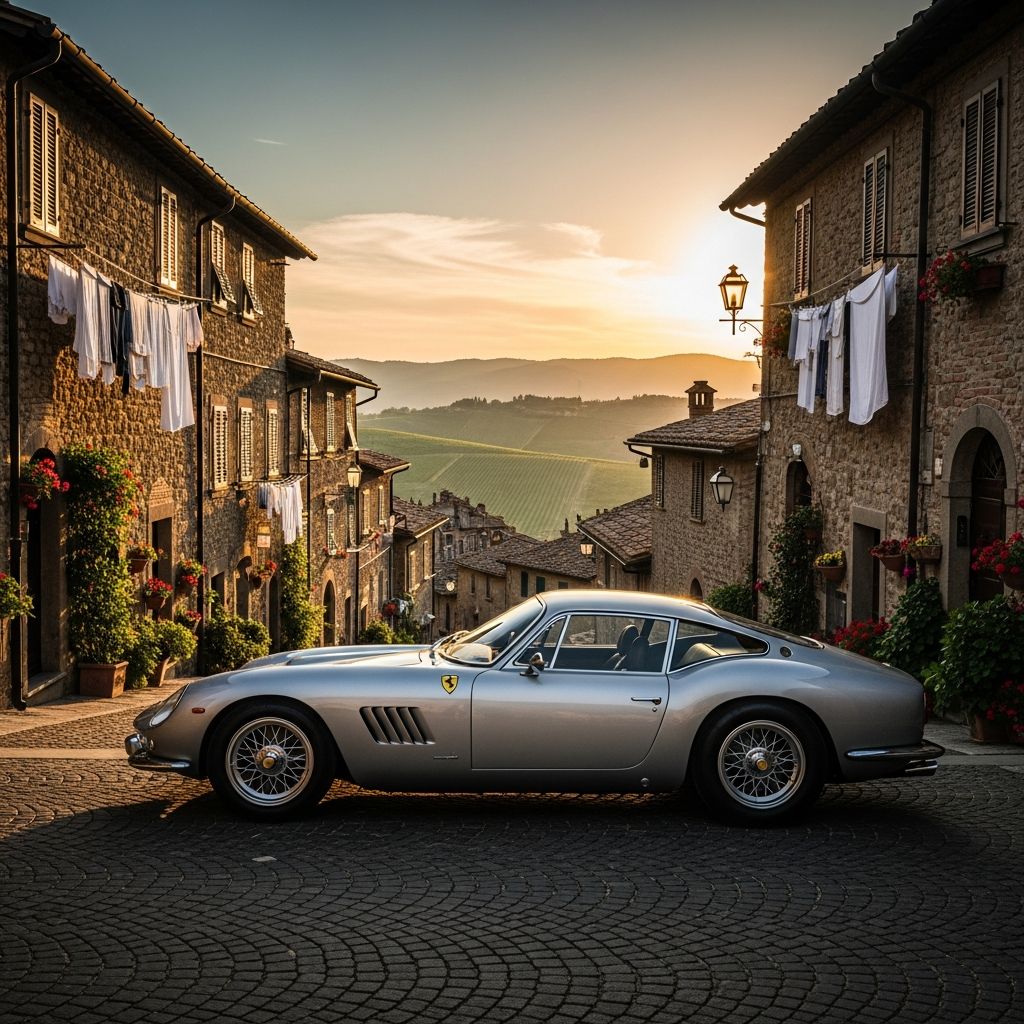
Italy’s Automotive Passion
Italy stands as a global beacon of automotive excellence, where engineering precision meets artistic flair. This nation has given the world some of the most coveted vehicles, blending speed, style, and heritage into machines that captivate enthusiasts worldwide.
The Roots of Italian Car Innovation
Italy’s journey in automobile manufacturing began in the late 19th century, centered in the industrial north. Turin emerged as a hub, fostering brands that would redefine mobility. Early pioneers experimented with horseless carriages, laying groundwork for what became a national obsession with velocity and design.
Northern regions like Piedmont and Lombardy became cradles for Fiat, Lancia, and Alfa Romeo. These areas hosted workshops where mechanics pushed boundaries, transitioning from basic transports to performance icons. Emilia-Romagna later joined, birthing supercar legends in compact locales.
Iconic Brands That Define a Nation
Italian automakers are synonymous with passion. Ferrari, originating from Alfa Romeo’s racing division in the 1930s, embodies raw power and victory. Enzo Ferrari’s vision turned race-proven tech into road-legal dreams, dominating circuits and streets alike.
Maserati shares a similar racing pedigree, conquering the Indianapolis 500 twice—the only Italian marque to do so. From its founding with race cars to road models, ownership shifts like those involving Fiat and Chrysler honed its luxury-sport balance.
Lamborghini, a bold upstart, challenged Ferrari’s dominance. Born from tractor magnate Ferruccio Lamborghini’s frustration, it produced raging bulls like the Miura and Countach, prioritizing drama and straight-line speed.
Alfa Romeo blends agility with elegance, its heritage rooted in pre-WWI racing. Pagani and Stanguellini add boutique flair, crafting hypercars with carbon-fiber artistry.
| Brand | Founded | Signature Trait | Notable Achievement |
|---|---|---|---|
| Ferrari | 1930s (independent) | Prancing Horse speed | Multiple F1 titles |
| Maserati | 1914 | Trident luxury | 2x Indy 500 wins |
| Lamborghini | 1963 | Aggressive styling | Miura supercar pioneer |
| Alfa Romeo | 1910 | Handling mastery | Pre-WWII Grand Prix dominance |
Motor Valley: Heartland of Speed
Emilia-Romagna’s Motor Valley clusters Modena, Maranello, and Sant’Agata Bolognese. Here, Ferrari’s Maranello HQ hums with F1 innovation, Lamborghini roars from Sant’Agata, and Pagani perfects exotics nearby. This dense ecosystem fuels collaboration and rivalry, propelling Italy’s auto sector.
Turin’s Fiat legacy contrasts with Modena’s supercar fervor. Visitors navigate a landscape where factories, test tracks, and museums coexist, offering tours that reveal assembly lines and wind tunnels.
Museums Showcasing Automotive Glory
Italy boasts world-class repositories preserving its wheeled history. Turin’s National Automobile Museum displays over 200 vehicles, from vintage Fiats to concept cars, spanning 150 years.
- Ferrari Museum (Maranello): Interactive exhibits on Enzo’s life, championship trophies, and production insights.
- Lamborghini Museum (Sant’Agata): Evolution from tractors to Aventadors, with rare prototypes.
- Panini Maserati Collection: Private trove of Trident gems, highlighting racing heritage.
- Stanguellini Museum: Boutique spotlight on local racing legends.
These venues immerse guests in stories of triumph and innovation, often with driving simulators and guided factory visits.
Design Philosophy: Art on Wheels
Italian cars transcend utility; they are rolling sculptures. Designers like Pininfarina and Bertone sculpted sensual lines for Ferrari and Alfa, merging aerodynamics with emotion. Interiors feature premium leathers and intuitive layouts, reflecting Italy’s fashion prowess.
Craftsmanship shines in details: hand-stitched seats, exposed carbon, and harmonious proportions. This ethos prioritizes driver engagement, where every curve invites spirited drives on alpine passes or coastal roads.
Racing Legacy and National Pride
Italy’s auto culture pulses with competition. Monza’s Autodromo hosts Formula 1, echoing Tazio Nuvolari’s 1930s exploits. Ferrari’s Le Mans dominance and Maserati’s Indy feats underscore resilience, even amid wartime pauses for military production.
Today, cab drivers quip that traffic signals are advisory, mirroring a societal love for pace. Five top-selling brands emphasize performance, embedding speed in daily life.
Experiences for Enthusiasts
Car lovers flock to Italy for more than viewing. Ferrari challenges let drivers pilot 488s on Fiorano track. Lamborghini tours explore factory ops, while vintage rallies traverse Tuscany’s hills.
Custom itineraries blend museums, meals at agriturismi, and Modena balsamic tastings with auto adventures, creating holistic pilgrimages.
Modern Evolution and Future Horizons
Hybrid and electric shifts challenge traditions, yet Italy adapts. Ferrari’s SF90 Stradale fuses V8s with electric boost, Lamborghini experiments with Revuelto plugins. Sustainability meets heritage in bio-materials and efficient powertrains.
Motor Valley invests in electrification, maintaining passion amid regulation. These evolutions ensure Italian cars remain desirable, blending nostalgia with forward-thinking.
Why Italian Cars Captivate Globally
Beyond specs, Italian autos evoke la dolce vita—joyful, intense living. They symbolize aspiration, turning commutes into events. Globally, collectors pay premiums for authenticity, while roads from Amalfi to Stelvio showcase their prowess.
This allure stems from culture: family-run firms, artisan guilds, and unyielding pursuit of bello e veloce—beautiful and fast.
Frequently Asked Questions
What makes Italian cars unique?
They combine stunning design, thrilling performance, and heritage craftsmanship, prioritizing emotion over mere utility.
Where is Italy’s main auto region?
Motor Valley in Emilia-Romagna, home to Ferrari, Lamborghini, and Pagani.
Can visitors drive supercars in Italy?
Yes, via experiences at Ferrari’s Fiorano or Lamborghini tracks.
Which Italian brand won Indy 500?
Maserati, twice in its racing history.
Are there car museums worth visiting?
Absolutely—Ferrari, Lamborghini, and Turin’s National Museum top lists.
References
- Italy’s Car Culture — Italian Cultural Foundation. 2023. https://casa-belvedere.org/italys-car-culture/
- The fast side of Italian culture: Italian cars — Il Giallo a Tl. 2017-05-01. https://ilgialloatl.com/2017/05/fast-side-italian-culture-italian-cars-lautomobile-italiana/
- Dolce e Veloce: A Celebration of Italian Cars — YouTube. 2023. https://www.youtube.com/watch?v=9DT-D9NYVmA
- Cool Things To Do in Italy for Car Enthusiasts — Avventure Bellissime. 2024. https://www.tours-italy.com/blog/cool-italy-vacations-car-lovers
- The Allure of Italian Style and Luxury Cars — Prestige Autohaus. 2023. https://www.prestigeautohaus.net/blog/the-allure-of-italian-style-and-luxury-cars
- Automobile Museums in Italy — Automobile Museums. 2024. https://automobile-museums.com/en/automobile-museums-in-italy/


Read full bio of Sneha Tete