Hyundai Tucson 2021 Review
Discover why the 2021 Hyundai Tucson redefines mid-size SUVs with bold design, advanced tech, and family-friendly features.
Hyundai Tucson 2021: A Bold Leap in Mid-Size SUVs
The 2021 Hyundai Tucson marks a significant evolution for Hyundai’s popular mid-size SUV, blending eye-catching design with practical family features and cutting-edge technology. This generation ditches the conservative look of its predecessors for a more aggressive, parametric styling that stands out in a crowded market. Built on Hyundai’s latest platform shared with Kia models, it offers improved space, ride quality, and efficiency, particularly in hybrid variants. Reviewers praise its spacious cabin, smooth handling, and comprehensive safety suite, positioning it as a strong rival to established names like the Toyota RAV4 and Volkswagen Tiguan.
Striking Exterior Design and Dimensions
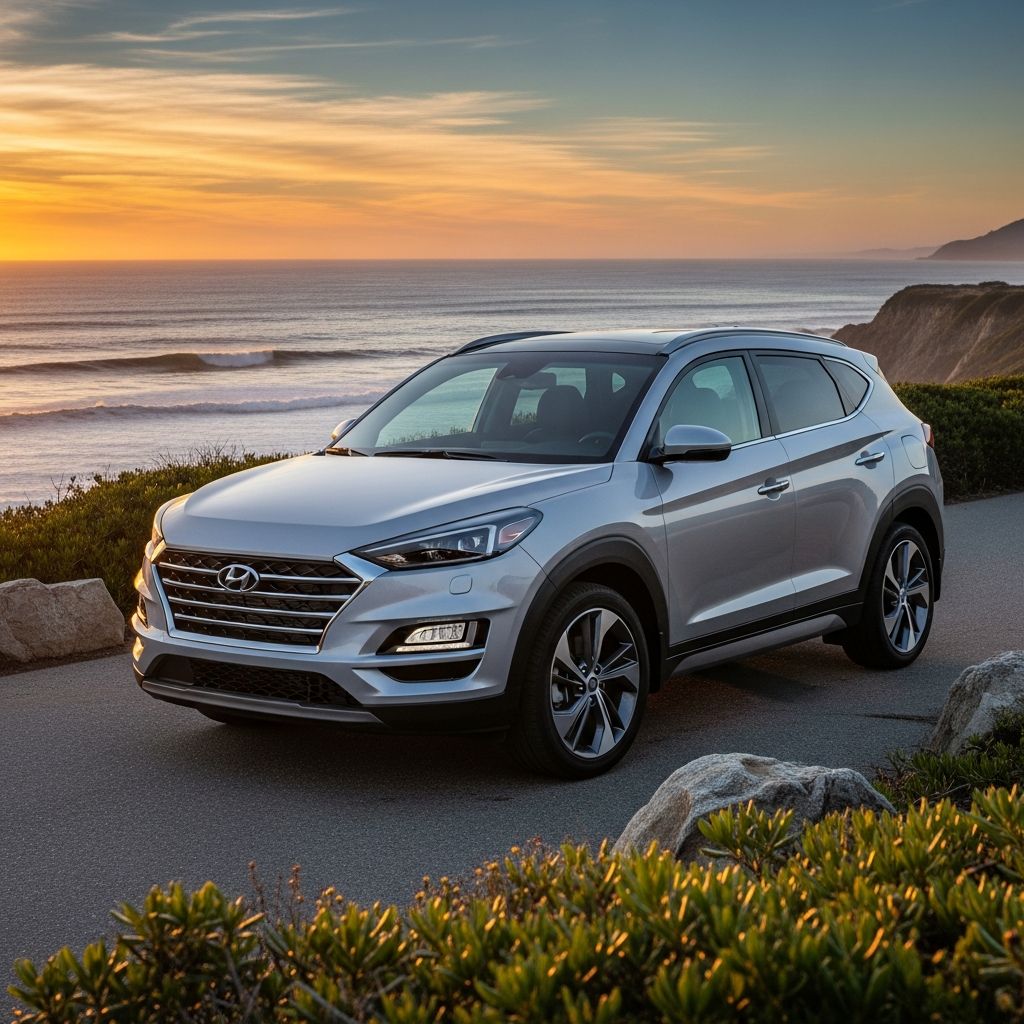
The Tucson’s exterior is its first big talking point. Jewel-like LED headlights, bold creases across the bodywork, and a distinctive grille give it a premium, futuristic vibe that turns heads. This parametric design language, inspired by Hyundai’s concept cars, differentiates it from bland competitors. Despite a wheelbase only marginally longer than the previous model, clever packaging boosts overall usability.
- Key dimensions: Length around 4.5 meters, width 1.87 meters, height 1.66 meters.
- Wheel sizes range from 17-inch alloys on base models to 19-inch on top trims.
- Ground clearance suits urban and light off-road use.
Available in front-wheel drive or all-wheel drive, it appeals to diverse buyers. Higher trims add features like panoramic sunroofs and powered tailgates, enhancing its upscale appeal.
Powertrain Options: From Petrol to Plug-in Hybrid
Hyundai offers a versatile lineup of engines for the 2021 Tucson, catering to efficiency-focused families and performance seekers alike. The base 2.0-liter four-cylinder petrol produces 115kW of power and 192Nm of torque, paired with a six-speed automatic transmission. While adequate for city driving, it lacks punch compared to turbocharged rivals.
| Powertrain | Power/Torque | Transmission | Fuel Economy (combined) |
|---|---|---|---|
| 2.0L Petrol | 115kW/192Nm | 6-speed auto | ~8.0L/100km |
| 1.6L Turbo Hybrid | 169kW/350Nm (combined) | 6-speed auto | ~6.0L/100km |
| Plug-in Hybrid | 199kW/377Nm (combined) | 6-speed auto | ~1.4L/100km + 50km EV range |
Hybrid models shine brightest, with seamless electric-petrol transitions and impressive economy. The self-charging hybrid delivers refined performance, defaulting to EV mode when possible, while the plug-in variant offers up to 50km of electric-only range. All setups prioritize smoothness over outright speed, making them ideal for daily commutes.
Towing capacity reaches 1650kg braked on most models, with a turning circle of 11.8m aiding maneuverability in tight spaces.
Interior Comfort and Practicality
Step inside, and the Tucson surprises with a high-quality cabin that punches above its price. Dual 10.25-inch screens dominate the dashboard—one for infotainment, one for the digital cluster—creating a modern, tech-forward environment. Materials feel premium, with soft-touch surfaces, wireless charging, and optional leather upholstery.
Rear seating accommodates four six-footers comfortably, with generous knee and headroom. The slightly raised center tunnel is a minor compromise for five adults, but ISOFIX points and adjustable backrests make it family-friendly. Boot space starts at 513-616 liters, expanding to over 1700 liters with seats folded—competitive with rivals like the RAV4.
- Generous second-row legroom: 26mm more than predecessor.
- Wide seat base suits three child seats.
- Practical touches: 40/20/40 split-folding rear seats, underfloor storage.
Trims range from SE Connect (17-inch wheels, dual-zone climate, reversing camera) to Ultimate (heated rear seats, three-zone climate, sunroof).
Driving Dynamics: Refined and Confident
On the road, the Tucson excels in comfort and composure. Its suspension harmonizes with the chassis for a smooth ride that absorbs bumps effectively, even on 19-inch wheels. Steering is well-weighted with good progression, inspiring confidence in corners despite not being sporty.
Body control is exceptional, minimizing roll during spirited driving. Urban agility shines with light steering and a planted feel, while highway stability is assured. Noise insulation impresses, keeping the cabin quiet at speed. Hybrids add refinement with electric torque fill.
Drawbacks include the base engine’s modest acceleration and firmer ride on larger wheels, but overall, it’s a polished performer.
Safety and Advanced Driver Aids
Safety is a highlight, with the Advanced SmartSense suite standard across the range. Features include autonomous emergency braking (pedestrian/cyclist/junction detection), blind-spot monitoring, lane-keep assist, adaptive cruise, and intelligent speed limit assist.
Tyre pressure monitoring, rear sensors, and a reversing camera add peace of mind. Higher trims bring front sensors and LED headlights. Euro NCAP awarded it a five-star rating, bolstered by low CO2 emissions and strong crash protection.
Technology and Infotainment
The user-friendly interface supports Apple CarPlay, Android Auto, and over-the-air updates. Premium audio, heated/ventilated seats, and a head-up display elevate top models. Wireless charging and USB-C ports keep devices powered.
Ownership Costs and Reliability
Hyundai’s five-year/unlimited-kilometer warranty (extendable) is a standout, though not always transferable. Fuel efficiency favors hybrids at under 6L/100km. Reliability is average, but media scores are high (73% Expert Rating as of 2025).
Running costs benefit from low emissions and competitive servicing. Prices start higher than before but justify the spec.
Trim Levels and Pricing Overview
| Trim | Key Features | Starting Price (est.) |
|---|---|---|
| SE Connect | 17″ wheels, 10.25″ screens, basic safety | $35,000 |
| Premium | LED lights, heated seats, premium audio | $42,000 |
| Ultimate | Sunroof, 360-camera, Bose audio | $50,000+ |
(Prices approximate in AUD/GBP; vary by market.)
Pros and Cons at a Glance
- Pros: Daring design, spacious interior, hybrid efficiency, comprehensive safety, refined ride.
- Cons: Base engine underpowered, firmer on big wheels, higher entry price.
Who Should Buy the 2021 Hyundai Tucson?
Families seeking style, space, and tech without premium pricing will love it. Hybrid fans get efficiency and refinement; urban drivers appreciate the ease. It’s less ideal for performance enthusiasts or budget purists.
Frequently Asked Questions (FAQs)
What is the fuel economy of the 2021 Tucson hybrid?
Around 6.0L/100km combined, with plug-in models offering 1.4L/100km plus EV range.
Is the Tucson good for families?
Yes, with ample rear space, ISOFIX, and 600+ liter boot.
How does it compare to the Toyota RAV4?
Tucson offers bolder looks and more tech; RAV4 edges in reliability and resale.
What warranty does Hyundai provide?
Five years/unlimited km, extendable.
Can it tow?
Up to 1650kg braked.
Final Thoughts
The 2021 Hyundai Tucson elevates the brand to mainstream contender status, blending desirability with practicality. Its transformation from bland to brilliant makes it a compelling choice in the mid-size SUV arena.
References
- 2021 Hyundai Tucson review – Drive — Drive.com.au. 2021. https://www.drive.com.au/reviews/2021-hyundai-tucson-base-review/
- Hyundai Tucson 2021 Review – Car Keys — CarKeys.co.uk. 2021. https://www.carkeys.co.uk/car-reviews/hyundai-tucson-2021-review
- New Hyundai Tucson 2021 review — Auto Express. 2021. https://www.autoexpress.co.uk/hyundai/tucson/353728/new-hyundai-tucson-2021-review
- 2021 Hyundai Tucson Review, Pricing, and Specs — Car and Driver. 2021. https://www.caranddriver.com/hyundai/tucson-2021
- Hyundai Tucson (2021 – present) | Expert Rating — The Car Expert. 2025-09. https://www.thecarexpert.co.uk/hyundai-tucson-2021/
Similar Articles


Read full bio of Sneha Tete