Hyundai Matrix Used Car Guide 2026: Space, Economy, Reliability
Discover the practical appeal of the Hyundai Matrix, a reliable compact MPV blending space, efficiency, and affordability for families and commuters.
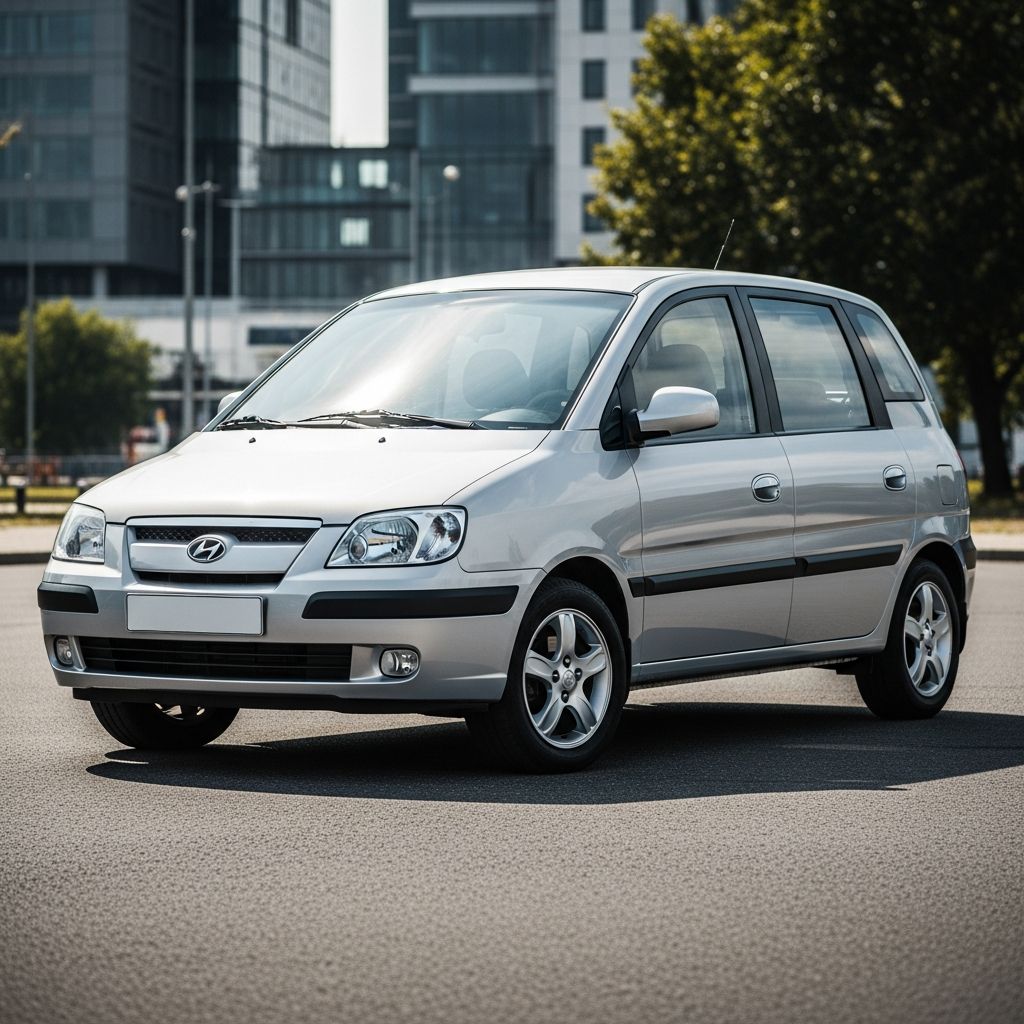
The Hyundai Matrix represents a smart engineering solution in the compact multi-purpose vehicle segment, offering families and urban drivers a blend of interior generosity and maneuverability. Launched in the early 2000s, this model prioritized everyday usability with its boxy proportions that maximize cabin space without excessive exterior dimensions.
Origins and Design Philosophy
Hyundai introduced the Matrix to compete in the bustling mini-MPV market, targeting buyers needing flexibility for city runs and occasional longer outings. Its development focused on pushing wheels to the corners for a wider stance relative to length, which enhances stability and roominess. This approach created a vehicle shorter than many rivals yet capable of seating five comfortably, with deep windows ensuring excellent all-around visibility—a boon for parking and traffic navigation.
Styling-wise, the Matrix adopted a modern, upright profile that aged well, avoiding the dated looks of some contemporaries. Interiors featured a shallow dashboard and sculpted elements to foster an airy atmosphere, complete with generous headroom and legroom for all occupants. Production spanned from 2001 to around 2009, after which it was phased out, but its legacy endures in the used market where low-mileage examples remain available.
Interior Versatility and Comfort
One of the Matrix’s strongest suits is its cabin layout, engineered for adaptability. Standard five-seat configuration includes a 60:40 split-folding rear bench, allowing seamless transitions from passenger hauler to cargo carrier. With seats upright, boot capacity suits daily shopping; folded flat, it expands significantly for bulkier items like sports equipment or furniture.
- Seating Flexibility: Rear seats fold completely, creating a level load floor without removing headrests.
- Passenger Space: Elevated seating provides commanding views, ideal for children and adults alike.
- Family Features: Options like rear picnic tables and height-adjustable driver’s seat enhance long-trip comfort.
Materials, while not luxurious, proved durable, contributing to the model’s reputation for low upkeep. Air conditioning, electric windows, and sunroofs appeared on higher trims, adding value without complexity. Reviewers noted the light-filled cabin reduces fatigue on extended drives.
Engine Lineup and Performance
The Matrix offered a varied powertrain selection to suit different priorities, from frugal commuting to moderate highway cruising. Petrol options included 1.6- and 1.8-liter units, while diesel variants featured a unique 1.5-liter three-cylinder common-rail turbo diesel (CRTD) for superior economy.
| Engine | Power | Torque | 0-62mph | Top Speed | Combined MPG |
|---|---|---|---|---|---|
| 1.6 Petrol | 102 bhp | 104 lb.ft | 12.7s | 106 mph | ~35 mpg |
| 1.8 Petrol | 120 bhp | ~122 lb.ft | ~11s | ~115 mph | ~32 mpg |
| 1.5 CRTD Diesel | ~90 bhp | ~133 lb.ft | ~13s | ~100 mph | ~45+ mpg |
Note: Figures approximate based on period tests; real-world varies with condition and transmission.
The 1.6-liter petrol, as in the 2006 GSI model, delivered adequate acceleration for urban and suburban use but grew noisy under hard acceleration. Diesel models shone in fuel savings, often exceeding 40 mpg on mixed routes, making them favorites for high-mileage owners. Automatic transmissions, like the proper four-speed auto in low-mileage 2008 examples, provided smooth shifts without the jerkiness of semi-autos.
Driving Dynamics and Road Manners
Behind the wheel, the Matrix prioritized ease over sportiness. Light steering and a compliant suspension delivered a soft ride that absorbed bumps effectively, though body roll was evident in corners. Its compact dimensions—easier to park than larger MPVs—combined with high seating for confident city maneuvering.
Highway refinement impressed, with minimal wind noise at cruises, though engine buzz intruded during overtakes. Handling remained competent for family duties, trailing more agile rivals like the Ford C-MAX but sufficient for most. Braking felt progressive, aided by good visibility. Owners report stress-free motoring, from school runs to vacations.
Reliability, Costs, and Ownership
Hyundai’s five-year warranty in its era built trust, and real-world durability backs it: well-maintained units surpass 160,000 km with minimal issues. Common praises include cheap parts availability due to Hyundai’s network and simple mechanics.
- Maintenance: Routine services affordable; cambelts on petrols need 60,000-mile changes.
- Fuel Economy: Diesel edges out for savings; petrols reasonable at 30-35 mpg.
- Insurance: Low groups (10-15) keep premiums down.
- Resale: Holds value better than expected for low-mileage, serviced cars.
ULEZ compliance on later petrols adds appeal in low-emission zones. Rust checks on underbody and sills are advised for older models.
Buying a Used Hyundai Matrix
Used prices start under £3,000 for 2001-2005 models, rising to £5,000+ for pristine 2008 autos with under 30,000 miles. Prioritize full service history, especially cambelts and timing chains on diesels. Test for clutch slip in manuals and smooth auto shifts.
Market favors low-ownership examples; avoid high-mileage without provenance. Professional inspections reveal suspension wear or electronics glitches, rare but possible. Compared to Xsara Picasso or Zafira, Matrix offers fresher styling at bargain prices.
Pros and Cons Overview
| Pros | Cons |
|---|---|
| Spacious, flexible interior | Engines noisy when pushed |
| Excellent visibility and parking | Not dynamically exciting |
| Low running costs | Dated tech by modern standards |
| Reliable with cheap parts | Limited power in base models |
Real Owner Experiences
Forum users hail the Matrix for family practicality: one 2006 model with 27,500 miles boasted full history, sunroof, and alloys in exceptional shape. Long-term owners note 13 years’ service with basic upkeep, praising six-seater potential in some variants. Critics mention average NVH but laud value.
FAQ
What makes the Hyundai Matrix a good family car?
It offers fold-flat seats, ample space, and easy access, perfect for kids and gear.
Is the Matrix fuel-efficient?
Yes, diesels achieve 45+ mpg; petrols around 35 mpg combined.
Common problems to watch for?
Cambelt timing, rust, and auto gearbox wear—check service records.
ULEZ compliant?
Post-2005 petrols often meet standards; confirm Euro 4 specs.
Alternatives?
Kia Carens, Citroen Xsara Picasso, or Vauxhall Zafira for similar era.
Why Choose Matrix Today?
In 2026’s used market, the Matrix delivers modern-MPV virtues at budget prices. Its blend of space, economy, and dependability suits cash-conscious buyers avoiding bland crossovers. Test drive one to experience its unpretentious charm.
References
- Hyundai Matrix A Practical Guide for Compact MPV Enthusiasts — iCartea. Accessed 2026. https://www.icartea.com/en/wiki/hyundai-matrix-a-practical-guide-for-compact-mpv-enthusiasts
- 2005 Hyundai Matrix Reviews — CarSurvey.org. 2005. http://www.carsurvey.org/reviews/hyundai/matrix/2005/page-3/
- Is a used Hyundai Matrix worth buying? — AVForums. 2023. https://www.avforums.com/threads/is-a-used-hyundai-matrix-worth-buying.2514039/
- Matrix needs reprogramming | 2006 Hyundai Matrix 1.6 GSI — Car Enthusiast. 2006. https://www.carenthusiast.com/reviews/article/1410/-/2006-Hyundai-Matrix/1.6+GSI.html
- Hyundai Matrix (2001-2009) review — Exchange and Mart. 2023. https://www.exchangeandmart.co.uk/reviews/hyundai/matrix/2001/208556
Similar Articles





Read full bio of Sneha Tete