Hyundai Equus Complete Review And Used Buyer Guide
Explore how the Hyundai Equus delivers premium comfort, power, and value in a full-size luxury sedan that punches above its weight.
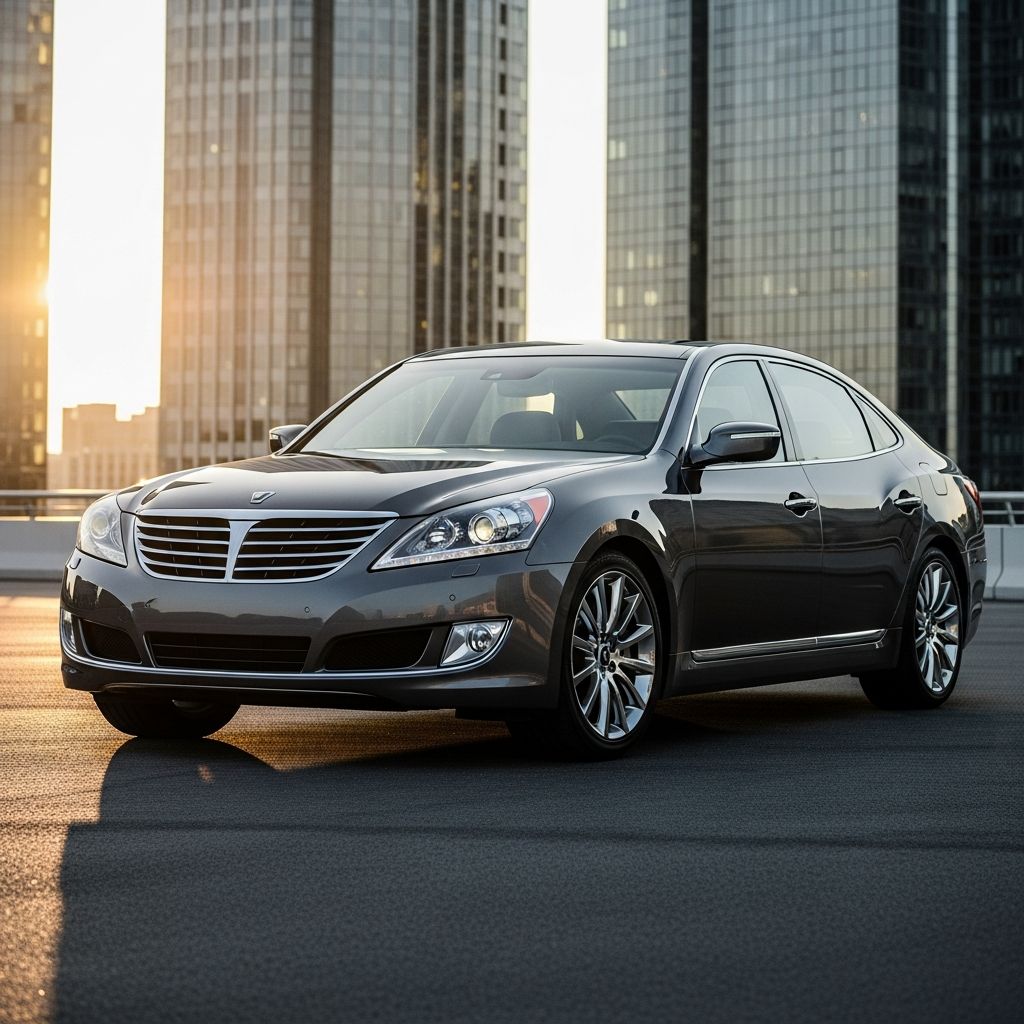
The Hyundai Equus stands out as a bold entry in the full-size luxury sedan market, blending impressive power, refined comfort, and an array of high-end features at a price that undercuts traditional luxury giants. Produced from 2011 to 2016, this model challenged perceptions of Korean automakers by delivering experiences typically reserved for brands like Mercedes-Benz and Lexus.
Engineering Excellence Under the Hood
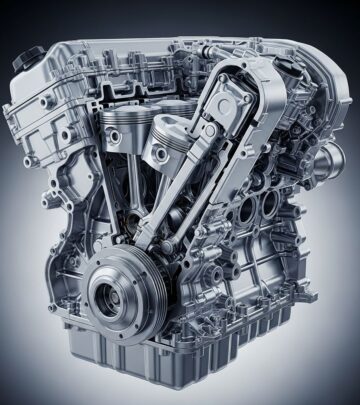
At the heart of the Hyundai Equus lies a robust 5.0-liter V8 engine producing 429 horsepower and 376 pound-feet of torque, paired exclusively with an eight-speed automatic transmission and rear-wheel drive. This setup propels the sedan from 0-60 mph in approximately 5.6 seconds, placing it squarely in the competitive range for large luxury vehicles. The engine’s smooth delivery ensures effortless acceleration, whether merging onto highways or cruising at speed.
Fuel efficiency, while not class-leading, achieves an EPA-estimated 18 mpg combined (15 city/23 highway), reasonable for a V8-powered behemoth. Earlier models featured a 4.6-liter V8 with 385 hp, but the later 5.0-liter iteration marked a significant upgrade in refinement and output.
| Model Year | Engine | Horsepower | 0-60 mph | Fuel Economy (Combined) |
|---|---|---|---|---|
| 2011-2013 | 4.6L V8 | 385 hp | ~5.8 sec | 17-19 mpg |
| 2014-2016 | 5.0L V8 | 429 hp | 5.6 sec | 18 mpg |
This powertrain, combined with an air suspension system, contributes to the Equus’s hallmark smooth ride, absorbing road imperfections with poise.
Interior Opulence and Space
Step inside the Equus, and you’re greeted by a cavernous cabin rivaling the Mercedes S-Class in passenger volume. Leather upholstery, real wood trim, and soft-touch materials create an upscale ambiance, though some critics note it falls short of the tactile luxury of top-tier rivals. Rear-seat passengers benefit from ample legroom and optional cooled seats in higher trims like the Ultimate.
- Front seats: 12-way power adjustable with massage function, heating, and ventilation.
- Rear seats: Spacious with recline, heating/cooling (Ultimate trim), and executive lounging capabilities.
- Infotainment: 8-inch touchscreen, Lexicon 17-speaker audio system, navigation, and intuitive controls.
The quiet cabin, thanks to excellent sound insulation, makes long journeys serene, with owners praising its road-trip suitability. Additional touches like a heated steering wheel and heads-up display (Ultimate) elevate daily usability.
Driving Dynamics and Ride Comfort
Designed more for chauffeured luxury than spirited driving, the Equus excels on highways with its plush air suspension delivering a cosseting ride. Wind and road noise are minimal, fostering a library-like tranquility at speed. Handling remains predictable, with electronic stability control preventing excessive body roll in corners, though agility isn’t its forte.
Braking performance is solid but not exemplary, stopping from 60 mph in 127 feet—longer than some peers. For everyday commutes or cross-country hauls, it shines, offering confidence-inspiring stability.
“On the highway, the 2016 Hyundai Equus drives like a large luxury sedan should. It’s exceptionally quiet at speed, and the ride is soft and comfortable.”
Safety Features and Crash Performance
Hyundai equipped the Equus with a comprehensive safety suite from launch. Standard features include blind-spot monitoring, rear cross-traffic alert, and adaptive cruise control. The Insurance Institute for Highway Safety (IIHS) awarded top “Good” ratings in moderate-overlap frontal, side-impact, roof-strength, and whiplash protection tests.
- Multiple airbags, including knee and side-curtain.
- Multiview camera and parking sensors (Ultimate).
- No recalls reported for 2016 models.
These elements provide peace of mind, aligning with luxury expectations.
Trims, Pricing, and Value Proposition
Available in Signature and Ultimate trims, the Equus started around $60,000 new, a steal compared to $90,000+ rivals. The base Signature included most luxuries, while Ultimate added lane departure warning, night vision, and premium audio.
| Trim | Starting MSRP (2016) | Key Extras |
|---|---|---|
| Signature | ~$61,000 | Nav, Lexicon audio, air suspension |
| Ultimate | ~$68,000 | Coated seats, HUD, night vision |
Today, used examples offer bargain luxury, often lauded as the “best luxury sedan bargain ever.”
Reliability, Ownership Costs, and Warranty
Hyundai backed the Equus with a class-leading 5-year/60,000-mile basic warranty, plus 10-year/100,000-mile powertrain coverage (though specifics vary by model year). RepairPal rates reliability at 2.5/5, ranking it mid-pack among luxury full-size cars, with air suspension as a common maintenance item.
Owners report solid build quality and powerful performance, though AC cooling and suspension parts may need attention post-warranty. Low depreciation makes it appealing for budget-conscious luxury seekers.
Comparing to Luxury Icons
Versus the Mercedes S-Class or Lexus LS, the Equus matches in space and power but lags in badge prestige and fine detailing. It outperforms in value, with similar V8 thrust and features for half the price.
- Pros over rivals: Lower cost, generous warranty, quiet cabin.
- Cons: Less agile handling, average braking, no AWD option in most markets.
Market Legacy and Modern Relevance
Discontinued in 2016, the Equus paved the way for Hyundai’s Genesis brand, proving Korean engineering could rival established luxury players. Used models remain viable for those seeking understated opulence, with strong aftermarket support for parts like air suspension.
In a market dominated by EVs, the Equus’s V8 charm endures for enthusiasts valuing analog luxury.
Frequently Asked Questions (FAQs)
Is the Hyundai Equus reliable?
It scores average reliability (2.5/5 per RepairPal), with strong warranties but potential air suspension issues.
What is the fuel economy of the Equus?
Expect 15/23 mpg city/highway (18 combined) for 2016 models.
Does the Equus have good safety ratings?
Yes, IIHS “Good” ratings across key crash tests.
How does the Equus compare to a Lexus LS?
Similar space and power, but Equus offers better value; LS edges in refinement.
Is the Equus a good used buy?
Absolutely, for luxury features at entry-level prices.
References
- 2016 Hyundai Equus Review & Ratings — Edmunds. 2016. https://www.edmunds.com/hyundai/equus/2016/review/
- 2016 Hyundai Equus Review, Pricing and Specs — Car and Driver. 2016. https://www.caranddriver.com/hyundai/equus
- Hyundai Equus — Consumer Reports. N/A. https://www.consumerreports.org/cars/hyundai/equus/
- 2011 Hyundai Equus First Drive — Car and Driver. 2011. https://www.caranddriver.com/reviews/a15128105/hyundai-equus-review-2011-hyundai-equus-first-drive/
- 2014 Hyundai Equus First Drive — Motor Trend. 2014. https://www.motortrend.com/reviews/2014-hyundai-equus-first-drive
Similar Articles




Read full bio of Sneha Tete