Honda Jazz 2001-2008 Used Buyer’s Guide, Reliability Tips
Discover why the first-generation Honda Jazz remains a top choice for reliable, spacious, and efficient urban driving even today.
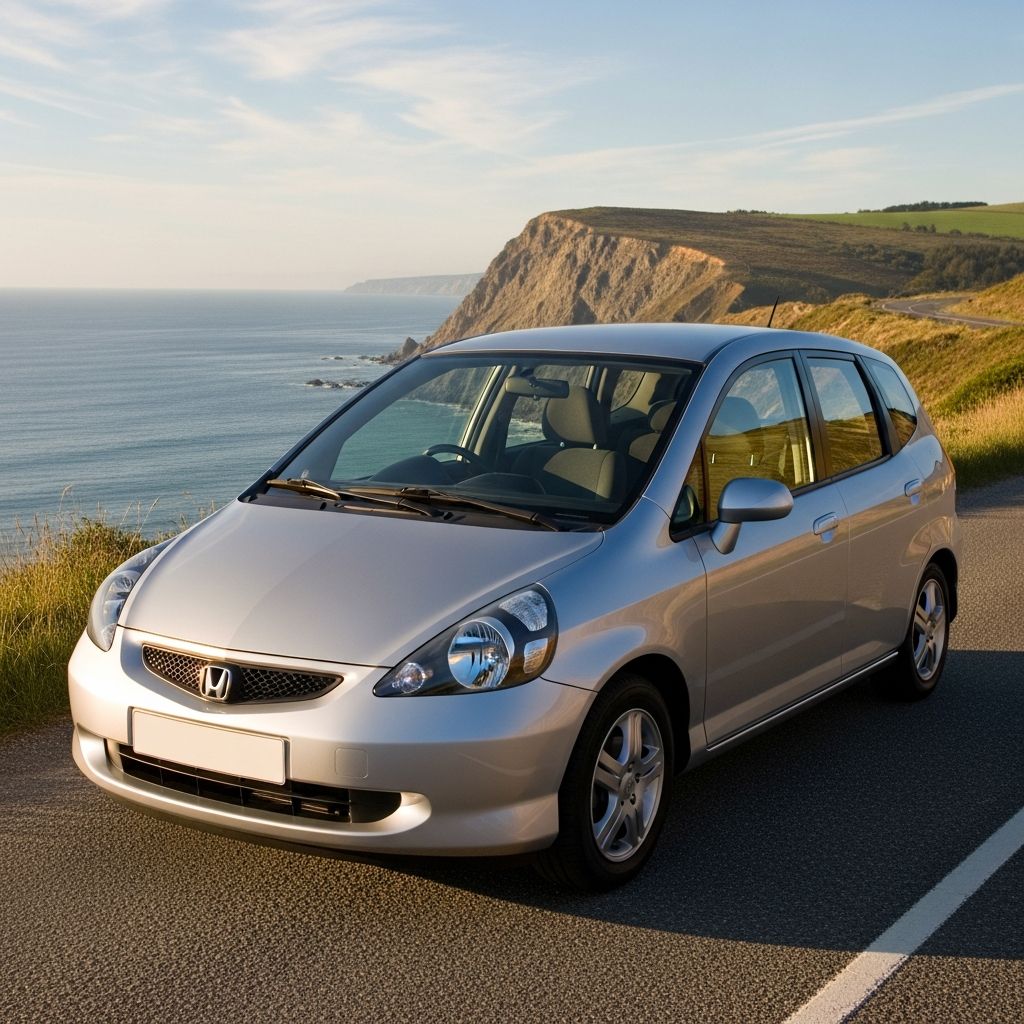
The Honda Jazz from 2001 to 2008 redefined what a compact hatchback could achieve. Launched as a fresh take on urban mobility, it combined innovative packaging, bulletproof engineering, and everyday usability that still holds up in the used market. This first-generation model, often called Mk1, earned accolades for its roomy cabin in a small footprint, frugal engines, and Honda’s legendary durability.
Design and Packaging Innovation
At first glance, the Jazz’s tall, boxy shape might seem unconventional, but it was a stroke of genius. The upright stance maximized interior volume without inflating exterior dimensions, making it perfect for city parking and maneuvering. Wide-opening doors and a high roofline eased access, appealing especially to families and older drivers who value comfort over low-slung sportiness.
Visibility was another strong suit, with large glass areas providing excellent all-around sightlines. This design not only boosted confidence in tight spaces but also contributed to its ‘Magic Seats’ system—a hallmark feature. The rear seats could flip up against the front seats, fold flat, or slide forward, creating a versatile cargo area from 380 liters to over 1,200 liters with seats down. This flexibility turned the Jazz into a mini-MPV rival, ideal for shopping, bikes, or flat-pack furniture.
Engine Options and Performance
Honda kept things simple with petrol-only powertrains, focusing on refinement over outright power. The lineup evolved over the years:
- 1.2-liter i-DSI: Introduced in 2004 for entry-level models, this 77bhp (78PS) unit prioritized economy. It hit 0-62mph in 13.7 seconds and returned up to 51.4mpg combined, with CO2 at 137g/km. Smooth for town driving but best suited to light loads.
- 1.4-liter i-DSI: The mainstay 82bhp (83PS) engine offered a balance of pep and thrift. Acceleration to 62mph took 12.6 seconds, with 48.7mpg economy. Its dual-spark-plug tech ensured clean combustion and low running costs.
- 1.3/1.5-liter variants (select markets): In some regions like Australia, 1.3 (61kW/82PS) and 1.5 (81kW/110PS) options provided more punch for highways, with the VTi models favoring sportier handling.
Transmission choices included a slick five-speed manual or Honda’s CVT-7 ‘Multimatic’—a stepped CVT mimicking seven gears for responsive shifts. Manuals felt direct and engaging, while CVTs excelled in stop-start traffic, though some noted high gearing on smaller engines for hill climbs.
| Engine | Power | 0-62mph | Economy (mpg) | CO2 (g/km) |
|---|---|---|---|---|
| 1.2 i-DSI | 77bhp | 13.7s | 51.4 | 137 |
| 1.4 i-DSI | 82bhp | 12.6s | 48.7 | 139 |
| 1.5 VTi | 110bhp | ~9s | 44-47 | ~145 |
Trims, Features, and Equipment
Buyers had S, SE, and Sport trims to choose from, with updates in 2004 and 2006 adding kit. Base S models came with electric mirrors, CD stereo, and Isofix. SE stepped up with air-con, electric windows, and multifunction steering. Top Sport variants boasted body kits, climate control, alloys, and keyless entry in later builds.
Build quality shone through in the durable plastics and intuitive layout. The center console was user-friendly, and switchgear felt premium. While some noted the vast windscreen could dazzle, the overall cabin was a haven of practicality and comfort, with supportive upright seats.
- Standard across range: Dual front airbags, later ABS/EBD.
- Optional: Side airbags, cruise control on higher trims.
Ride, Handling, and Driving Experience
The Jazz prioritized composure over thrills, with a compliant suspension soaking up urban potholes and speed bumps—a boon for low-speed resilience. Steering was precise, and the car felt planted on motorways despite its height. Sport models added firmer damping for keener responses, but all variants shone in daily duties.
Fuel efficiency was a highlight: real-world figures often beat claims, with 1.3 manuals dipping to 4.5L/100km (62mpg) on runs and 5.5L/100km (51mpg) in town. Owners praised the blend of performance and parsimony, scoring it highly for ownership satisfaction.
‘A well-built, spacious small car with a good blend of performance and economy.’ – CarsGuide reader review
Safety Ratings and Features
Safety was solid for its era, earning four stars in Euro NCAP and ANCAP tests. Dual front airbags were standard, with side bags on select models. Post-2004 cars added ABS, EBD, and brake assist. Thoughtful touches like whiplash-reducing seat backs underscored Honda’s engineering focus.
- NCAP: 4 stars (adult/child protection).
- ANCAP: 4 stars across range.
Reliability and Common Issues
Honda’s reputation preceded it, and the Jazz delivered. No major faults plague used examples; engines routinely exceed 150,000 miles with basic maintenance. Timing chains (not belts) reduce long-term costs. Minor gripes include CVT wear if neglected, weak AC on early models, and occasional suspension bushes.
Owners report excellent dealer support and low repair bills. Interiors resist wear, proving ‘idiot-proof’ for families. In forums, satisfaction runs high, with many citing it as a ‘bulletproof’ buy.
Regular services (oil/spark plugs every 12,500 miles) keep it trouble-free. Check for service history, smooth CVT shifts, and rust on underbody.
Buying Guide: What to Look For
Prices for tidy 2001-2008 Jazz hover £1,500-£4,000, depending on mileage and spec. Aim for post-2004 facelifts with ABS and 1.2 efficiency. Test drive for engine smoothness, seat versatility, and no dashboard rattles.
- Budget pick: 1.2 S manual – Ultra-frugal commuter.
- Sweet spot: 1.4 SE CVT – Versatile all-rounder.
- Enthusiast choice: 1.5 Sport manual – Fun with space.
Inspect pollen filters (AC issues), exhausts, and alloy condition. High-mileage examples thrive if maintained; avoid neglected autos.
Ownership Costs and Verdict
Running costs are low: cheap parts, 50+mpg potential, and group 13-19 insurance. Road tax stays under £30/year for most. Resale holds firm due to demand.
In summary, the 2001-2008 Honda Jazz excels as a used supermini. Its clever design, reliability, and efficiency make it a no-brainer for first-time buyers, urbanites, or downsizers. Even in 2026, it outpaces many newer rivals in practicality.
Frequently Asked Questions (FAQs)
Is the 2001-2008 Honda Jazz reliable?
Yes, exceptionally so. Owners report minimal issues, with engines lasting 200,000+ miles.
What engines are available?
Primarily 1.2 and 1.4 petrol i-DSI; some markets had 1.3/1.5.
How safe is it?
Four-star Euro/ANCAP ratings with airbags and later ABS standard.
What’s the fuel economy like?
Up to 51mpg combined for 1.2; real-world 45-55mpg common.
Are parts expensive?
No, Honda parts are affordable and widely available.
Best trim to buy?
SE for value; Sport for extras.
References
- What Car? Used Honda Jazz Guide — What Car?. 2008 (ongoing). https://www.whatcar.com/honda/jazz/hatchback/2001-2008/used-review/
- Used Car Review: Honda Jazz 2002-2008 — CarsGuide. 2010-04-01. https://www.carsguide.com.au/car-reviews/used-car-review-honda-jazz-2002-2008-13513
- Honda Jazz (2001-2008) Expert Review — Used Cars NI. 2010. https://www.usedcarsni.com/reviews/Honda/Jazz/HATCHBACK/219096540
- Honda Jazz 2002-2008 Review — CarsIreland (YouTube Transcript). 2015. https://www.youtube.com/watch?v=FluyAtBv-2E
- Honda Jazz Engines Discussion — Honest John. 2006. https://www.honestjohn.co.uk/forum/post/index.htm?t=66472
Similar Articles



Read full bio of medha deb