Honda Civic Hatchback: A Complete Guide to the 2005-2011 Generation
Discover what makes the fifth-generation Honda Civic hatchback a standout performer in its class.
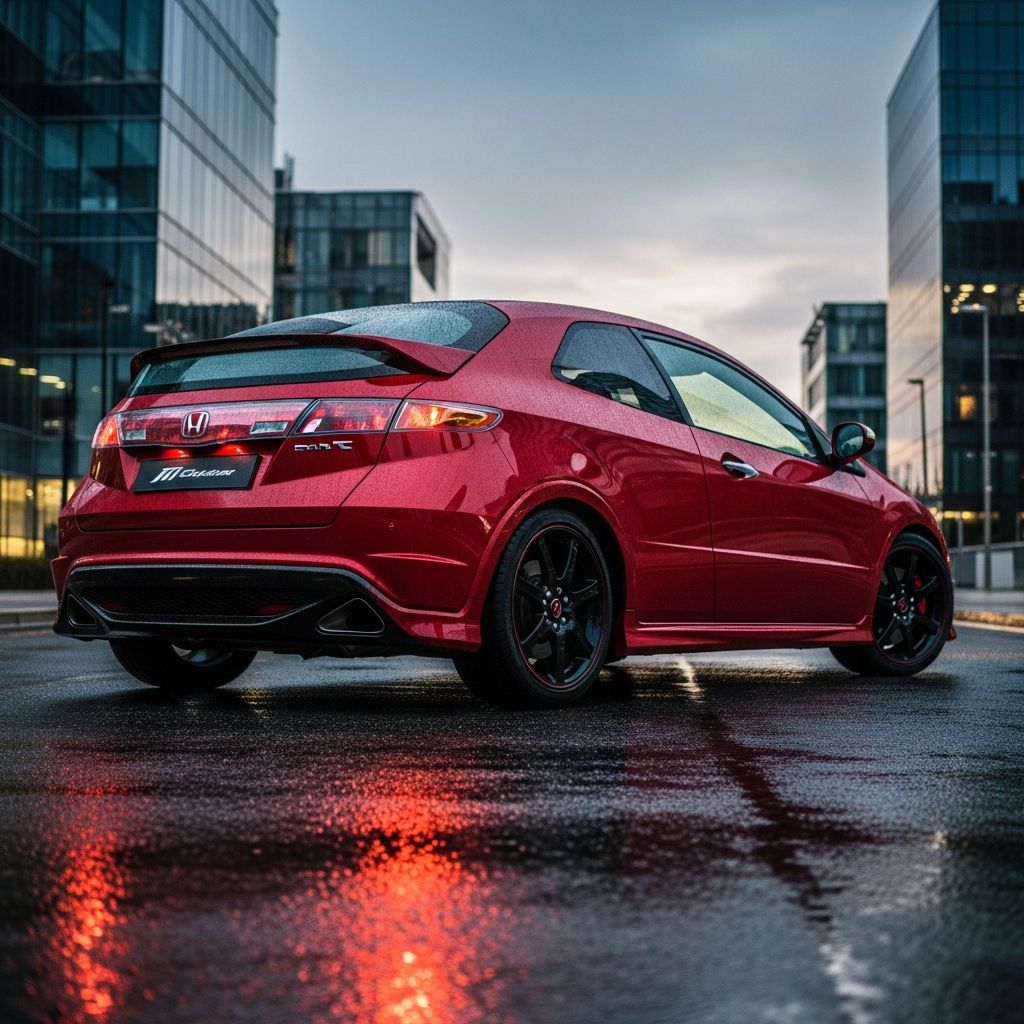
The fifth-generation Honda Civic hatchback stands as a transformative model that significantly elevated Honda’s standing in the compact car segment, particularly within the European market. This generation represented a remarkable shift in the brand’s approach to design and practicality, introducing a vehicle that balanced sportiness with everyday usability. Throughout its production run from 2005 to 2011, the Civic hatchback earned a reputation as a dependable, well-constructed automobile that appealed to diverse driver preferences.
Design Philosophy and Body Configuration
The exterior styling of this generation showcased a distinctly modern and forward-thinking aesthetic that distinguished it from competitors. The design featured aggressive lines and contemporary proportions that gave the vehicle a youthful, energetic appearance. One of the most ingenious design elements was the implementation of hidden door handles on five-door models, which were cleverly concealed within the window frame structure. This innovative approach created the visual illusion of a two-door coupe while maintaining the practical benefits of a five-door configuration.
The front fascia incorporated a sweeping curved design element paired with distinctive styling cues. The rear section showcased uniquely shaped taillights and featured triangular design accents, including triangular fog lamps at the front and dual triangular exhaust tips at the rear. A spoiler lip separated the rear glass into two distinct levels, while the fuel filler cap adopted a race-inspired exposed metal design, reinforcing the vehicle’s sporty character.
Honda offered both three-door and five-door variants to cater to different market segments and driving preferences. The three-door configuration remained reserved primarily for the sportier variants, including the Type S and high-performance Type R models, whereas five-door variants dominated the standard lineup and accommodated more conservative buyers seeking maximum practicality.
Interior Layout and Passenger Accommodations
The cabin design reflected Honda’s commitment to contemporary styling combined with functional ergonomics. The interior featured a distinctive split-level or two-tier instrument panel design that created visual interest while organizing controls efficiently. Circular air conditioning vents and carefully selected switchgear contributed to a cohesive interior aesthetic. Notably, the inclusion of a start button reminiscent of the Honda S2000 sports car added a premium touch to the driving environment.
One of the most celebrated interior innovations was the implementation of the so-called “magic seats” system for rear passengers. This ingenious seating arrangement allowed rear seat cushions to be raised either partially or completely, transforming the cargo area into a secure loading space for taller items. When not in use for such purposes, the seatback could be folded completely flat for conventional cargo carrying. This flexible configuration demonstrated Honda’s understanding of consumer needs for versatile storage solutions.
Storage solutions extended beyond the seat system, with dedicated compartments including an underfloor storage area beneath the rear seats, providing practical organization for smaller items. The handbrake was positioned in a traditional location behind the gear shift, maintaining conventional control layouts that drivers found intuitive.
Engine Options and Performance Characteristics
The Civic hatchback lineup encompassed a range of powerplants designed to suit different driving priorities and market requirements. The primary engine option consisted of a 1.8-liter petrol unit that delivered adequate power for daily commuting and spirited driving when desired. This engine offered responsive acceleration from a standstill and maintained smooth power delivery across various driving conditions.
For buyers prioritizing fuel economy and lower running costs, a 1.4-liter diesel engine was available, though this particular variant came exclusively in the five-door configuration. This diesel option represented an attractive choice for high-mileage drivers seeking improved fuel consumption rates.
The performance-focused variants, particularly the Type S, received suspended revisions that enhanced handling dynamics compared to standard models. These modifications resulted in improved cornering capability and more engaging driving characteristics. The Type S three-door model specifically benefited from these suspension enhancements, delivering noticeably sportier behavior during enthusiastic driving.
Handling Dynamics and Driving Experience
The Civic hatchback earned recognition for its balanced approach to ride and handling characteristics. The driving position provided an ergonomic layout that drivers consistently praised for its comfort and control. The gear change mechanism operated smoothly with positive feedback, enabling precise shift selection.
The steering system delivered light, direct response with minimal lag between driver input and road feedback. This responsive steering combined with the vehicle’s inherent stability allowed drivers to navigate corners with confidence. The chassis demonstrated impressive grip levels, with the vehicle seeming to adhere closely to the road surface during cornering maneuvers. The minimal body roll exhibited during cornering contributed to the sense of control and connection with the road.
However, this sportiness came with certain trade-offs. The suspension tuning prioritized handling responsiveness over ride comfort, resulting in a relatively firm suspension feel. Consequently, occupants experienced heightened awareness of road and tire noise, particularly during highway driving. The turning radius measured 34.8 feet curb-to-curb, enabling relatively tight maneuvering in urban environments.
Practical Considerations and Maintenance
Interior and cargo space remained consistent across the three-door and five-door variants, ensuring that buyers did not sacrifice practicality regardless of their configuration choice. The boot accommodated reasonable quantities of luggage and cargo, though five-door models naturally provided easier access for loading larger items due to the extended opening provided by the additional rear doors.
Standard equipment across all trim levels included single-zone climate control and heated exterior mirrors with heated rear windscreens. These features ensured basic comfort and visibility during adverse weather conditions without inflating the base purchase price significantly.
Optional features available throughout the range included electric folding mirrors for enhanced convenience, a panoramic glass roof for improved cabin ambiance, dual-zone climate control for independent temperature management, automatic headlights that activated based on ambient light conditions, automatic dimming rearview mirrors that reduced glare from following vehicles, automatic windshield wipers that adjusted to precipitation intensity, premium xenon lighting, headlight washers for maintaining visibility, heated leather upholstery, alloy wheels, fog lights for enhanced visibility in inclement conditions, and satellite navigation systems integrated into the center dashboard screen.
Service intervals were established at 12,500-mile intervals, which represented shorter intervals compared to several competing vehicles in the same segment. This consideration factored into the total cost of ownership and required owners to maintain more frequent maintenance schedules than some alternatives.
Reliability and Longevity
The Civic hatchback earned a solid reputation for mechanical dependability and build quality. With appropriate maintenance and care, examples of this generation frequently exceeded 300,000 miles, demonstrating the fundamental soundness of the engineering and construction. The vehicle’s well-constructed nature contributed to its status as a dependable daily driver.
Common issues reported across the generation remained relatively minor in nature. Early production examples occasionally experienced engine block problems, though many affected vehicles underwent warranty repairs. Beyond such isolated instances, documented problems included failed battery components, fading clear coat finishes in certain cases, worn wheel bearings, deteriorating sway bar links and ball joints, minor oil seepage from gaskets, and air conditioning system failures. These issues represented typical wear items rather than systematic design flaws.
Interior material quality could have been improved in certain applications, with some owners noting that certain trim pieces appeared less substantial than desired. Additionally, some examples exhibited fading clear coat, requiring attention to preserve the exterior finish appearance over time.
Market Positioning and Competitive Standing
The Civic Type S emerged as particularly noteworthy within its competitive class, offering a compelling combination of performance and practicality. The refined suspension geometry of the Type S variant provided noticeably enhanced handling characteristics compared to standard models, rewarding drivers who prioritized dynamic engagement.
The futuristic styling approach helped the Civic maintain visual appeal even as the model aged. Reviewers noted that the vehicle appeared contemporary despite approaching a decade of production, suggesting that the original design direction possessed sufficient freshness to avoid appearing dated quickly.
This generation is frequently referred to as one of the most underrated vehicles produced during the 2000s, suggesting that the market may not have fully appreciated the comprehensive package offered by the Civic hatchback during its commercial availability.
Design Evolution Mid-Cycle
During the production cycle, Honda implemented refinements to the design. The rear bumper underwent redesign, transitioning from a honeycomb effect plastic design to a smoother single-piece configuration. Interior modifications included the addition of practical features such as a 12-volt power socket, an iPod connector for media device integration, and a 3.5-millimeter auxiliary input jack positioned within the armrest storage compartment. The plastic trim surrounding the dashboard changed from glossy black material to a matte textured finish, reducing reflection and improving the perceived quality of the interior environment.
Target Market and Appeal
The Civic hatchback appealed to a broad demographic ranging from budget-conscious commuters seeking reliable, fuel-efficient transportation to driving enthusiasts appreciating the Type S variants’ enhanced dynamics. The flexible seating and cargo solutions attracted families and professionals requiring versatile transportation, while the sporty styling appealed to younger buyers seeking contemporary design without premium pricing.
Frequently Asked Questions
- What distinguishes the Type S model from standard Civic variants? The Type S features revised suspension geometry that enhances handling and cornering performance, making it noticeably sportier than base models while maintaining practical functionality.
- How does the five-door hidden-handle design work? Rear door handles on five-door models are cleverly integrated into the window frame itself, creating the visual appearance of a two-door coupe while providing the convenience of rear door access.
- What is the magic seats system? The magic seats allow rear cushions to be raised partially or fully to create secure loading space for taller cargo items, or completely flattened for standard cargo hauling.
- Are parts and service readily available for this generation? Yes, as a popular mainstream model produced in significant numbers, parts and servicing remain readily accessible through Honda dealers and independent specialists.
- What fuel economy should owners expect? Fuel consumption varies depending on engine selection and driving conditions, with the 1.4-liter diesel offering superior economy for high-mileage applications compared to the 1.8-liter petrol engine.
- How does the ride quality compare to competitors? The Civic prioritizes handling responsiveness over ride comfort, resulting in a firmer suspension and increased road noise awareness, which some drivers appreciate for enhanced control while others prefer softer alternatives.
Summary
The 2005-2011 Honda Civic hatchback represents a generation that successfully balanced sporting pretensions with everyday practicality. Its innovative design solutions, including hidden door handles and flexible seating arrangements, addressed real-world user needs while maintaining contemporary styling appeal. The availability of multiple engine options and trim levels ensured that diverse buyer preferences could be accommodated within the lineup. Strong build quality and documented longevity established the Civic as a reliable choice for buyers seeking dependable transportation without excessive complexity or prohibitive costs. Whether selected for its economical operation, practical versatility, or sporty handling characteristics, the fifth-generation Civic hatchback earned its place as a respected competitor in the compact hatchback segment.
References
- Honda Civic Hatchback review (2005-2011) — Auto Express. 2006-12-29. https://www.autoexpress.co.uk/honda/civic/20907/2005-2011-hatchback
- Honda Civic hatchback 2006-2011 review — CarBuyer via Dailymotion. Accessed 2026. https://www.dailymotion.com/video/x6io0zz
- Honda Civic hatchback 2006-2011 review — CarBuyer via YouTube. Accessed 2026. https://www.youtube.com/watch?v=2EzggW2wxFE
- Honda Civic Hatchback Review (2005-2011) – Jamaica — Beego. Accessed 2026. https://beegojm.com/honda-civic-hatchback-review-2005-2011-jamaica/
- Honda Civic 2006-2011: pros and cons, common problems — Samarins. Accessed 2026. https://www.samarins.com/reviews/civic_06.html
Similar Articles


Read full bio of medha deb