GTI Hatchback: Real-World Usability
Discover how Volkswagen's GTI combines performance thrills with everyday practicality.
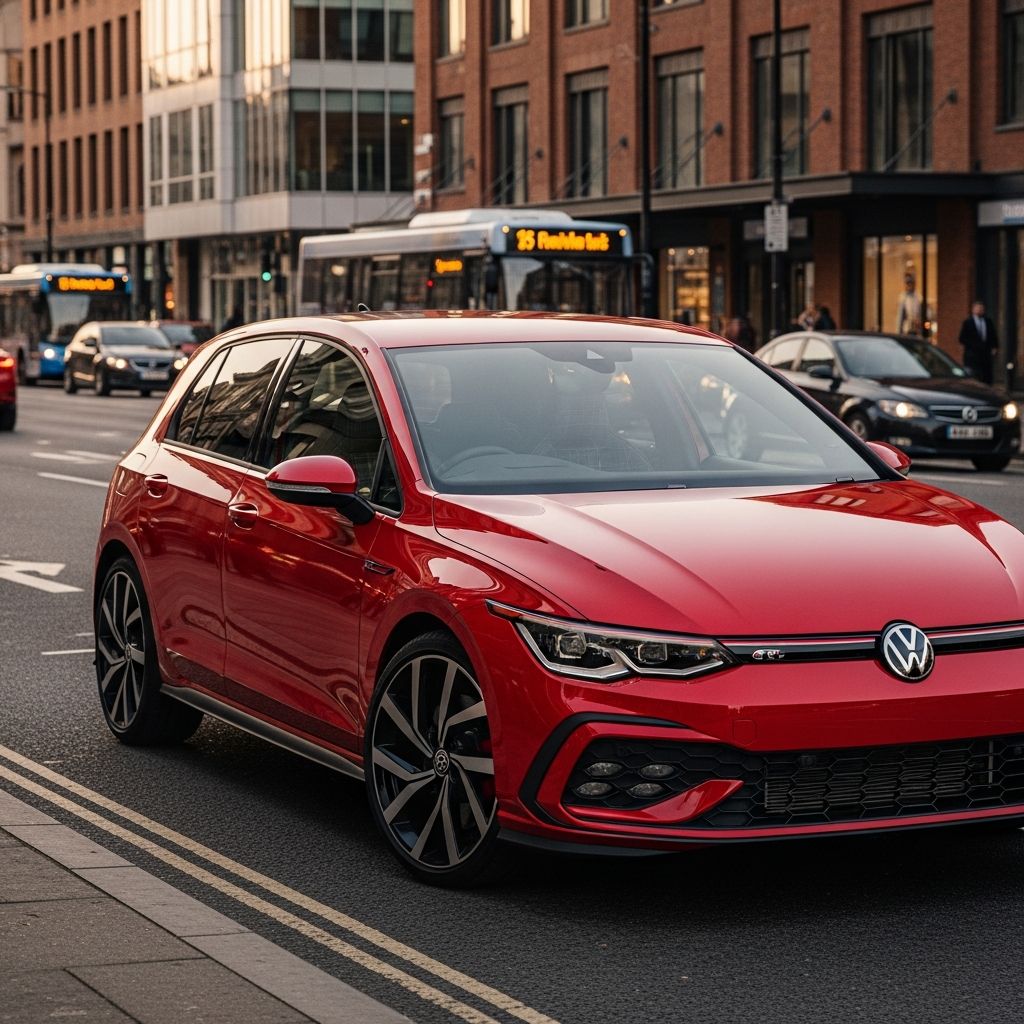
The Volkswagen GTI: Balancing Sporting Excellence with Everyday Utility
The Volkswagen Golf GTI has maintained its reputation as a defining vehicle in the hot hatchback segment for over four decades, yet many prospective buyers overlook one of its most compelling strengths: genuine, usable practicality. While performance enthusiasts focus on turbocharged acceleration and responsive handling characteristics, the modern GTI proves that excitement and versatility need not be mutually exclusive. This balance between thrilling dynamics and functional design makes the GTI an unconventional choice for drivers seeking more than just weekend entertainment from their vehicle.
Interior Space: Surprising Capacity Beyond First Impressions
The five-door configuration of the modern GTI represents a deliberate design philosophy that prioritizes accessibility and interior volume. Unlike smaller sports cars that sacrifice passenger comfort for aerodynamic lines, the GTI maintains generous headroom and shoulder width throughout the cabin, accommodating four adults with genuine comfort during extended journeys. The front seats feature pronounced bolsters designed for lateral support during spirited cornering, yet these sculpted designs do not encroach excessively on rear passenger space as they do in more aggressively styled competitors.
Real-world testing demonstrates the GTI’s interior versatility. During extended trips, occupants report minimal complaints about confined conditions, even when traveling with multiple passengers for several hours. The rear bench accommodates three passengers across its width, though the middle position sacrifices some legroom due to transmission tunnel intrusion—a trade-off common across the front-wheel-drive hatchback category. Compared to direct rivals such as the Ford Focus ST, the GTI offers a more refined and less cramped rear environment, though it yields slightly to the Skoda Octavia vRS in sheer spatial dimensions.
Flexible Cargo Solutions and Fold-Flat Architecture
The GTI’s boot presents 374 litres of usable space in standard configuration, positioning it toward the modest end of the hot hatchback spectrum yet remaining entirely adequate for typical family requirements. More significantly, the rear seating arrangement incorporates a 40/60 split-fold mechanism, enabling drivers to customize the cargo-to-passenger ratio based on immediate needs. This flexibility transforms the GTI from a space-constrained sports car into a genuine multi-purpose vehicle capable of swallowing substantial loads.
When the rear seats fold completely flat, the cargo area expands to 1,237 litres, a transformation that rivals entire segments of the automotive market. This expansion proves invaluable for transporting furniture, sporting equipment, or vacation luggage without requiring a dedicated utility vehicle. The flat load floor and square-edged design maximize usable volume compared to rounded competitors, and the generous roof height allows taller items to fit without interference. Practical testing confirms that the GTI accommodates airline luggage, picture frames, backpacks, and multiple passengers simultaneously, with the fold-flat capability preventing the compromise many performance cars demand.
Access, Egress, and Passenger Accommodation
Entry and exit prove straightforward for front-seat occupants, though the laterally positioned bolsters require slight acclimation for those unaccustomed to high-performance seating. The rear doors open sufficiently wide to permit comfortable passenger loading, and the elevated roofline ensures headroom clearance during ingress. Importantly, three ISOFIX child seat attachment points—two in the outer rear positions and one in the front passenger seat—indicate Volkswagen’s commitment to family functionality without relegating the GTI to pure enthusiast territory.
Rear legroom falls within expected parameters for the hot hatchback category, though taller passengers may experience moderate knee pressure on longer journeys. The cushion length and seatback angle remain ergonomically sound for typical driving duties, balancing supportive contouring with space efficiency. For families with children or regular transportation of juvenile passengers, the rear environment proves entirely satisfactory; compatibility primarily concerns adults exceeding 6 feet in stature during extended occupancy.
Storage Solutions and Daily Practicality Features
Beyond primary seating and cargo areas, the GTI incorporates thoughtfully designed storage compartments that enhance daily usability. A substantial glove box accommodates navigation documentation, registration papers, and personal effects without inducing rattles during cornering maneuvers. Deep door pockets lined with carpeting provide secure receptacles for beverages, charging cables, or accessories, preventing the mobile detritus that typically accumulates inside performance vehicles.
A wireless charging pad integrated into the dashboard topology represents an innovation increasingly common among modern hatches, yet particularly welcome in a sporting model where aggressive acceleration might otherwise launch personal electronics across the interior. This feature reflects Volkswagen’s understanding that GTI owners frequently integrate technology into their daily routines rather than relegating the car purely to recreational driving.
The Practicality-Performance Paradox
The GTI’s engineering philosophy embraces a fundamental proposition that separates it from more extreme competitors: the realization that daily transportation requirements and spirited driving dynamics need not conflict. The absence of all-wheel-drive systems or hybrid electrification—technologies that consume precious interior space—permits the GTI to maximize passenger and cargo accommodation while maintaining a lightweight platform conducive to responsive handling. For drivers unwilling to sacrifice authentic sporting engagement for family-oriented transportation, this design balance represents genuine value.
The turbo-charged 2.0-liter engine produces 241 horsepower delivered through available manual or dual-clutch automatic transmissions, specifications that inspire confidence on winding roads without introducing the automotive extravagance that alienates daily commuters. Fuel consumption averaging 27.5 miles per gallon during mixed driving cycles demonstrates reasonable efficiency for a turbocharged performance platform, reducing the economic burden of spirited ownership.
Comparative Assessment Within the Segment
When positioned against contemporaries, the GTI distinguishes itself through pragmatic design choices that resist the temptation toward pure performance obsession. The Honda Civic Type R offers marginally superior boot capacity at 420 litres, yet commands a significant price premium and introduces higher complexity through turbocharging and mechanical sophistication that elevates maintenance requirements. The Skoda Octavia vRS delivers 600 litres of cargo space but sacrifices some of the lightweight agility and pure steering responsiveness that define the GTI experience.
The Ford Focus ST presents arguably the GTI’s closest competitor, offering comparable performance credentials and hatchback practicality. However, contemporary Focus ST models feature less refined interior materials, less sophisticated infotainment integration, and marginally tighter rear accommodations—differentiators that justify the GTI’s premium positioning among discerning buyers who refuse to compromise between functionality and refinement.
Interior Quality and Modern Conveniences
Recent GTI iterations incorporate upgraded material selections and aesthetic refinements that elevate the cabin environment considerably beyond basic transportation necessities. Available heated and ventilated leather seating, digital instrument cluster displays, and larger touchscreen infotainment systems create an ambiance more typically associated with premium models rather than performance variants. Optional plaid seat inserts and retro-inspired interior trim packages acknowledge the model’s heritage while maintaining contemporary ergonomics and comfort standards.
The infotainment system integration, while occasionally criticized for responsive delays, incorporates effective voice recognition functionality that permits hands-free operation during driving. This technological sophistication enables occupants to manage climate controls, audio selection, and navigation without requiring tactile interaction with dashboard interfaces, enhancing both convenience and safety during commuting duties.
Climate Control and Occupant Comfort
Thermal management systems in modern GTI variants feature independent zone controls permitting front-seat occupants to maintain personalized temperature preferences, particularly valuable during extended family road trips where passenger comfort preferences diverge. The heated seat capability provides rapid warming during winter conditions without introducing the higher energy consumption associated with cabin-wide heating systems, preserving fuel efficiency during cold-weather driving.
Safety Integration and Child Transportation
The GTI incorporates comprehensive safety systems that extend beyond the sporting platform stereotype, including adaptive cruise control, autonomous emergency braking with pedestrian monitoring, lane-keeping assistance, and active blind-spot detection. These electronic safeguards prove particularly relevant for drivers transporting family members, ensuring that performance aspirations do not compromise occupant protection.
The three ISOFIX mounting points, including the front passenger position, accommodate modern child restraint systems without requiring vehicle-specific adaptation or secondary fastening mechanisms. This integration acknowledges the genuine family-use scenarios that many GTI owners encounter, facilitating the seamless transition from weekend enthusiasm to weekday school transportation.
Real-World Usability Testing
Extended-range testing demonstrates the GTI’s capacity to function as a genuine multi-purpose vehicle. Long-distance travel from coastal regions to inland destinations confirms that the combination of comfortable seating, responsive handling, and reasonable fuel economy creates an environment where both driver engagement and passenger satisfaction coexist. The fold-flat rear seating arrangement permits the transport of substantial cargo—including airline luggage, sporting equipment, and miscellaneous household items—without requiring secondary utility vehicles or frequent trips.
Frequently Asked Questions
Does the GTI’s sporting suspension compromise ride comfort during daily commuting?
Modern GTI variants feature adaptive suspension systems that permit adjustment between comfort and sport modes, enabling drivers to prioritize ride quality during routine transportation while preserving responsive dynamics when desired. Testing indicates that comfort-mode calibration provides ride smoothness comparable to non-performance variants, with minimal compromise beyond the inherent stiffness associated with performance-oriented platforms.
How does the GTI’s boot space compare with standard Golf models?
The GTI’s boot capacity of 374 litres matches standard Golf specifications precisely, confirming that performance enhancement introduces no compromises in cargo accommodation. Competitors including the Honda Civic Type R and Skoda Octavia vRS offer marginally larger boot areas, yet the GTI’s square-edged design maximizes usable volume despite absolute dimensional constraints.
Is the GTI suitable for families with young children?
Yes, the GTI accommodates modern child restraint systems through three ISOFIX mounting points, includes comfortable rear seating for juvenile passengers, and features crash protection systems meeting contemporary safety standards. The generous boot space facilitates transportation of child-related equipment without spatial compromise.
Does the turbocharged engine introduce reliability concerns?
The 2.0-liter turbo engine represents mature Volkswagen technology implemented across multiple model lines with established reliability records. Maintenance intervals align with non-turbocharged variants, and comprehensive warranty coverage addresses potential component failures during the initial ownership period.
Conclusion: Performance Without Compromise
The Volkswagen GTI emerges as a solution for drivers unwilling to sacrifice either sporting engagement or practical versatility. The combination of genuine cargo capacity, comfortable interior proportions, and flexible seating arrangements proves that high-performance vehicles need not demand ownership compromises. For those seeking authentic driving excitement without abandoning family-oriented functionality or daily transportation responsibility, the GTI represents an unusually balanced proposition within the contemporary automotive landscape.
References
- MotorTrend: 2023 Volkswagen Golf GTI Yearlong Review Update 3 — MotorTrend. Retrieved from https://www.motortrend.com/reviews/2023-volkswagen-golf-gti-yearlong-review-update-3-practicality
- 2026 Volkswagen Golf GTI Review, Pricing, and Specs — Car and Driver. Retrieved from https://www.caranddriver.com/volkswagen/golf-gti
- Volkswagen Golf GTI Review – the Quintessential Hot Hatch — Carbuyer. Retrieved from https://www.carbuyer.co.uk/volkswagen/golf/golf-gti-hatchback
- Car Review: The VW Golf GTI is a Polished Hot Hatch that’s Still Fun and Practical — WTOP. Retrieved from https://wtop.com/gallery/car-reviews/car-review-the-vw-golf-gti-is-a-polished-hot-hatch-thats-still-fun-and-practical/
- 2026 Volkswagen Golf GTI Prices, Reviews, and Pictures — Edmunds. Retrieved from https://www.edmunds.com/volkswagen/golf-gti/
Similar Articles


Read full bio of medha deb