Third-Generation Ford Focus: Used Car Buying Guide
Comprehensive evaluation of the 2011-2018 Ford Focus for prospective buyers
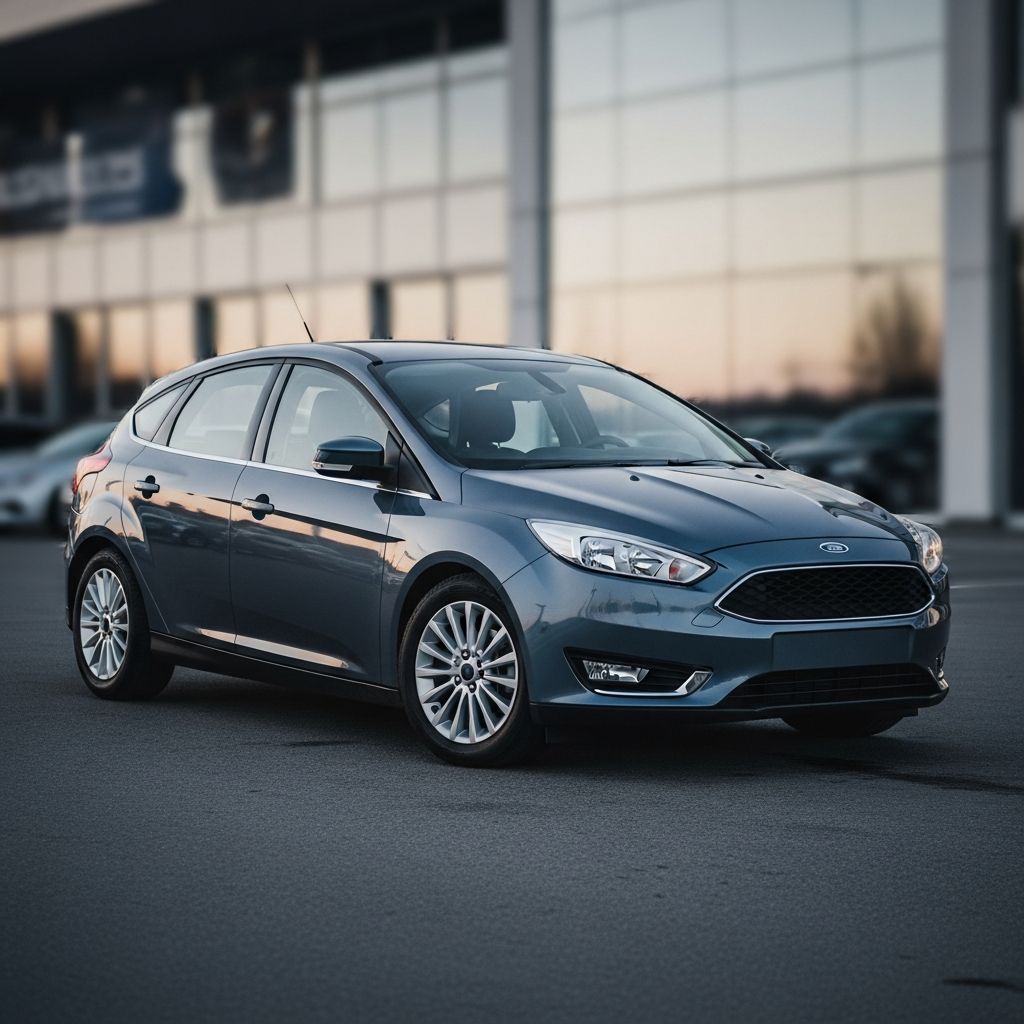
The Third-Generation Ford Focus: A Comprehensive Used Car Assessment
The third-generation Ford Focus emerged in 2010 as a significant refinement over its predecessors, establishing itself as one of the most capable family hatchbacks of its generation. For used car shoppers evaluating models from 2011 to 2018, understanding this vehicle’s strengths, weaknesses, and maintenance requirements is essential for making an informed purchasing decision. This guide examines what makes the Mk3 Focus attractive to buyers while highlighting potential concerns that warrant careful inspection during the buying process.
Overall Market Position and Initial Reception
When launched, the third-generation Focus represented a marked departure from the sharper, more driver-focused approach of earlier models. Instead, Ford repositioned the car as a more refined and technologically advanced offering within the competitive family hatchback segment. The platform earned respect from both fleet operators and private buyers, who appreciated its combination of practicality, efficiency, and sophisticated engineering. However, this generation also marked a shift in driving dynamics; while the car delivered improved comfort and refinement, some enthusiasts noted the loss of the previous model’s more engaging handling characteristics.
The Mk3 Focus consolidated Ford’s position in a crowded marketplace, competing directly against the Vauxhall Astra, Toyota Corolla, Honda Civic, and Volkswagen Golf. By emphasizing comfort, equipment levels, and technological integration, Ford attracted customers seeking a well-rounded package rather than pure performance credentials.
Driving Experience and Handling Characteristics
One of the Mk3 Focus’s defining attributes is its refined ride quality combined with competent handling dynamics. The suspension architecture delivers a comfortable driving experience over poor road surfaces while maintaining stability during cornering. Advanced torque vectoring technology distributes power to the front wheels with optimal traction, enhancing the vehicle’s cornering ability and overall agility through curves. This electronic assistance system elevates the Focus’s performance capabilities above typical competitors in its class.
The steering system provides adequate feedback and remains responsive, though not as communicative as sporting competitors. The brake system proves capable of handling demanding driving scenarios, with pedal feel and stopping power generally earning praise from owners and reviewers. The combination of steering, braking, and suspension tuning creates a balanced package that satisfies both daily commuters and those seeking a more spirited driving experience.
However, potential buyers should note that this generation represents a more mature, less theatrical driving proposition compared to the Mk2 Focus, which was celebrated for sharper engagement and more immediate feedback through the controls.
Engine Options and Performance Specifications
Ford offered the Mk3 Focus with multiple powertrain choices, catering to different usage patterns and budget considerations. Petrol engines included smaller turbocharged units delivering respectable efficiency alongside naturally aspirated options providing straightforward reliability. Diesel variants, particularly the 1.6-litre TDCi engine, delivered strong torque characteristics and fuel economy advantages, appealing to owners prioritizing running costs over outright performance.
The 2.0-litre Duratorq TDCi diesel represented the upper end of the range, offering substantial performance capabilities. Petrol alternatives included various EcoBoost engines, which balanced power delivery with consumption efficiency. Entry-level buyers could access smaller capacity units offering adequate performance for routine driving while minimizing fuel expenditures.
Engine reliability varies across the range, with diesel variants generally demonstrating superior dependability compared to petrol alternatives. Nevertheless, both fuel types exhibit occasional issues requiring attention from prospective purchasers.
Transmission Systems and Known Mechanical Issues
Transmission selection significantly influences the ownership experience for Mk3 Focus buyers. Ford offered manual gearboxes alongside automatic options, with the controversial PowerShift dual-clutch transmission appearing on many models during the early production years.
The PowerShift transmission became notorious among owners for unpredictable behavior, including juddering during acceleration, jerky gear changes, and unexpected clunking noises. These issues stemmed from the system’s dry-clutch design, which proved inadequate for real-world driving conditions. Ford eventually addressed this by introducing a revised wet-clutch variant from approximately 2015 onwards, alongside conventional torque-converter automatics that eliminated the previous problems entirely. Buyers evaluating models equipped with early PowerShift units should exercise particular caution and test extensively for these characteristic symptoms.
Manual gearboxes present their own quirks; some examples display a tendency to slip out of first or second gear unexpectedly, potentially creating hazardous situations. Thorough testing during the purchase inspection should confirm smooth engagement and secure retention across all gear positions.
Cooling System and Thermal Management
The EcoBoost engine lineup exhibits a common weakness involving the cooling system, particularly regarding thermostat housing integrity. Premature failure of this component results in coolant seepage, which can progress to more significant leakage if unaddressed. While replacement remains relatively straightforward and inexpensive, the issue warrants inspection before purchasing.
Owners should listen for engine overheating warnings and observe the temperature gauge during test drives. Check under the engine bay for visible coolant residue or staining around the thermostat housing area. A vehicle displaying repeated coolant top-up requirements likely harbors this issue.
Additionally, some diesel models experienced overcooling detection failures within the engine control module, prompting manufacturer recalls affecting vehicles produced during specific periods. Ford issued guidance to owners regarding this safety concern, and documentation of completed recall work should be verified before purchase.
Clutch and Flywheel Durability
Premature clutch wear affects both manual and automatic transmission variants, though the issue proves more pronounced in certain production batches. The dual-mass flywheel, while offering smoothness benefits, demonstrates susceptibility to accelerated wear under specific driving conditions. When failure occurs, repair costs escalate substantially, representing a significant financial burden for owners.
Clutch performance assessment during test driving should include smooth engagement during low-speed maneuvers, absence of slipping under moderate acceleration, and no excessive vibration or noise. Some examples exhibit clutch failure accompanied by unusual sounds from the transmission tunnel area, signaling potential flywheel issues.
Electrical System and Component Reliability
The Mk3 Focus incorporates sophisticated electrical architecture supporting climate control, infotainment systems, keyless entry, and engine management functions. While generally reliable, certain vulnerabilities warrant attention from buyers.
Water ingress into front door handle mechanisms can compromise keyless entry functionality, though remediation remains straightforward and relatively inexpensive. Battery-related issues affect models equipped with stop-start technology, with repeated failures indicating aging battery condition. These automatic engine shutdown systems prove particularly sensitive to battery voltage fluctuations.
Aftermarket electrical modifications sometimes cause cascading failures in factory systems, so documentation of any previous work should be carefully reviewed. Comprehensive electrical testing using diagnostic equipment identifies latent issues before purchase commitment.
Bodywork and Structural Considerations
The Mk3 Focus’s exterior design represents a significant departure from the previous generation, featuring a more conservative appearance compared to the Mk2’s distinctive proportions. The restyled rear end incorporates LED lighting elements on later models and features a redesigned tailgate structure.
Common bodywork concerns include creaking windscreen seals, particularly following replacement operations. Water ingress around window frames can lead to musty interior odors and damp carpeting, especially when repair work has involved screen removal. Potential buyers should carefully inspect door seals, window mechanisms, and interior carpeting for any evidence of moisture damage.
Paint durability proved variable across production years, with some batches exhibiting premature fading or peeling. A thorough exterior inspection under natural light should reveal any consistency issues across body panels. Minor cosmetic damage accumulates given the model’s age range, and repair costs should factor into purchase negotiations.
Suspension Architecture and Wear Patterns
The suspension system employs MacPherson strut arrangements at the front with torsion beam construction at the rear, delivering the aforementioned comfort characteristics while maintaining reasonable handling precision. These designs prove durable overall, though typical wear patterns emerge as mileage accumulates.
Wear indicators include knocking or clunking noises over bumps, excessive body roll during cornering, or uneven tire wear suggesting alignment issues. Suspension component replacement remains reasonably priced given the vehicle’s popularity and parts availability. Inspection should include brake dust accumulation on suspension components, which often indicates maintenance neglect.
Practical Considerations and Interior Space
The Mk3 Focus delivers generous interior dimensions relative to external proportions, with practical cargo capacity accommodating family requirements. Rear seat comfort accommodates adult passengers adequately for extended journeys, though legroom proves somewhat limited compared to certain competitors. Front seating emphasizes comfort over lateral support, which some drivers may find insufficient during spirited cornering maneuvers.
Controls and infotainment interfaces generally prove intuitive, though some owners report disappointment with factory-fitted audio systems, particularly Sony-branded DAB radio units that receive criticism for poor reception quality and user interface complexity. Upgrades through aftermarket systems can address these limitations cost-effectively.
Storage solutions include conventional door pockets, center console compartments, and reasonable dashboard design. Climate control operates efficiently across temperature ranges, with both manual and automatic variants available depending on trim specification.
Running Costs and Maintenance Expenses
The Mk3 Focus demonstrates moderate running costs relative to equivalent competitors. Service intervals follow conventional schedules, with independent garages typically undercutting official Ford dealer pricing substantially given the vehicle’s ubiquity. Spare parts availability ensures reasonable component costs, as the model’s popularity creates robust aftermarket supply chains.
Insurance groupings position the Focus competitively, with no unusual premiums compared to similarly specified alternatives. Fuel economy ranges from efficient figures with smaller turbocharged petrols to impressive diesel returns on longer journeys. Depreciation has stabilized, making used examples attractive value propositions relative to newer alternatives.
Safety Ratings and Equipment Levels
The third-generation Focus achieved respectable Euro NCAP crash test scores during its original certification period, though these ratings have naturally aged. Standard equipment includes stability control, multiple airbags, and electronic brake assist across most variants. Later models incorporate additional safety features including advanced driver assistance systems depending on trim levels.
Rear visibility presented a notable weakness acknowledged in contemporary reviews, with the rear quarter panels and trunk design limiting driver sightlines. Parking sensors and rear view cameras on equipped examples partially mitigate this characteristic.
Frequently Asked Questions
What distinguishes the later 2015+ models from earlier examples?
Post-2015 production incorporated significant refinements including improved PowerShift transmission calibration or replacement with conventional automatics, additional safety features, subtle styling updates, and enhanced interior appointments. These later examples generally represent safer purchasing propositions given resolved mechanical issues affecting earlier batches.
Should buyers prioritize petrol or diesel variants?
Diesel models demonstrate superior reliability overall, with better longevity and lower operating costs on high-mileage usage patterns. Petrol alternatives suit lower-mileage drivers prioritizing simplicity and lower maintenance complexity. Comprehensive mechanical inspection proves essential regardless of fuel type.
How do cooling system issues manifest during ownership?
Early warning signs include frequent coolant level losses requiring top-ups, slight sweetish odors from the engine bay, and white residue around thermostat housing components. Professional diagnosis can confirm whether replacement becomes necessary.
What inspection procedures prove most critical before purchase?
Comprehensive mechanical evaluation should prioritize transmission function assessment, cooling system integrity verification, electrical system diagnostics, suspension component inspection, and bodywork moisture checks. Extended test drives revealing any unusual noises, vibrations, or behavior patterns provide invaluable insight.
Ownership Considerations and Final Assessment
The third-generation Ford Focus represents a pragmatic choice for used car shoppers prioritizing reliability, comfort, and value over sporty engagement. While not without flaws, the model’s engineering fundamentals deliver satisfactory performance across ownership timeframes. Careful selection of well-maintained examples, preferably post-2015 production incorporating mechanical refinements, maximizes ownership satisfaction.
The vehicle’s continued popularity ensures robust parts availability and service support, essential factors for long-term ownership viability. Buyers accepting this generation’s mature character and willing to invest in pre-purchase inspection will discover a capable, practical, and economical family hatchback serving everyday transportation requirements effectively.
References
- Used Ford Focus Review: 2011 to 2018 (Mk3) — Carbuyer. 2022. https://www.carbuyer.co.uk/reviews/ford/focus/hatchback/143875/reliability
- Ford Focus (2011 to 2018) Expert Rating — The Car Expert. 2026. https://www.thecarexpert.co.uk/ford-focus-2011/
- Ford Focus Mk3 (2011-2018) Used Car Buying Guide — Complete Car. https://www.completecar.ie/used-car-reviews/review/10041/Ford-Focus-Mk3-2011-2018-used-car-buying-guide/reliability-recalls-warranty.html
- Should You Buy a Used Ford Focus Mk3 (2011-2018)? — YouTube. https://www.youtube.com/watch?v=NFEu869oLsk
- Ford Focus Review (2011 to 2018) — What Car?, YouTube. https://www.youtube.com/watch?v=p-983xG-rH0
Similar Articles






Read full bio of Sneha Tete