Ford Fiesta’s Electric Resurrection: A Strategic Comeback
How Ford is reimagining an iconic nameplate for the electric vehicle era in Europe
Ford Fiesta’s Electric Resurrection: A Strategic Comeback for Europe’s EV Market
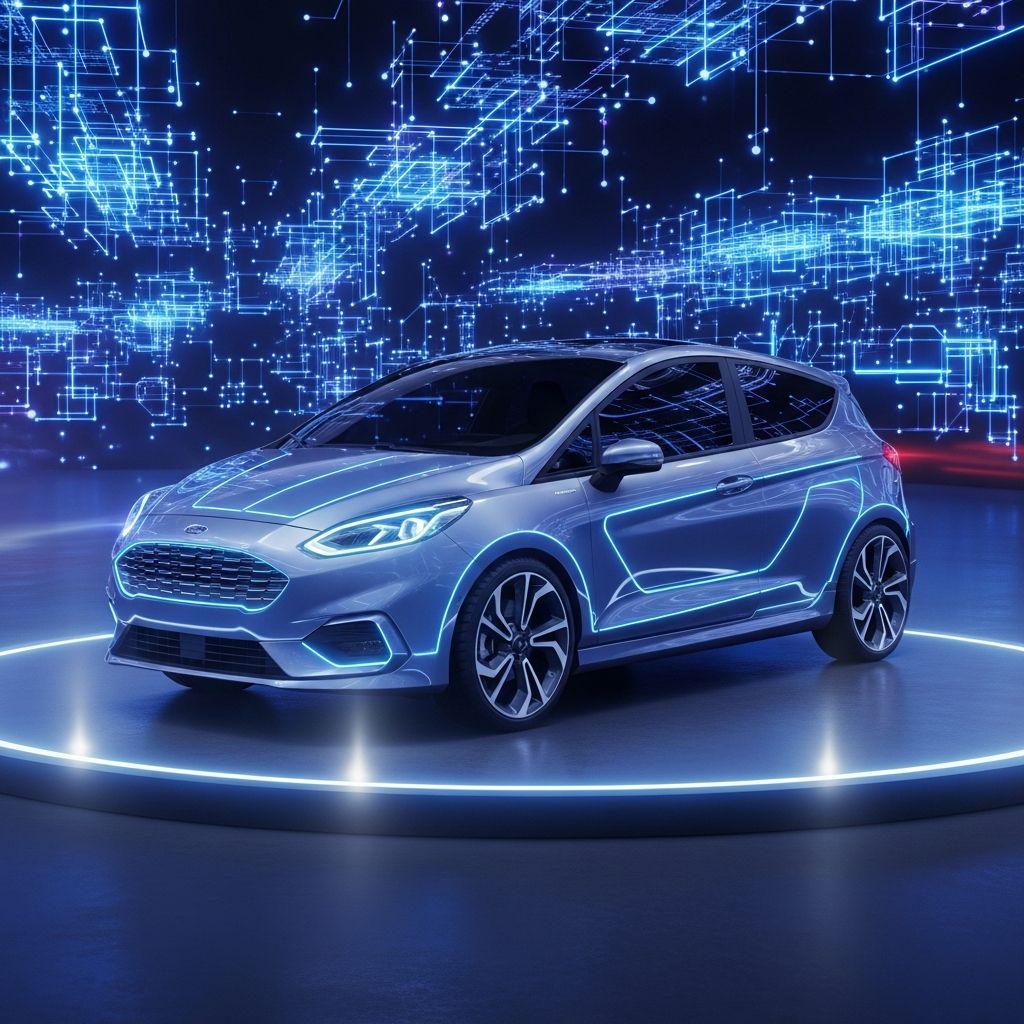
The automotive industry is witnessing a remarkable transformation as established manufacturers pivot toward electrification. One of the most significant developments in this shift involves the potential resurrection of an iconic nameplate that defined compact car excellence for decades. Ford’s Fiesta, a model that became synonymous with practical, engaging driving for millions worldwide, appears poised for an electrified revival after being discontinued in 2023. This strategic decision reflects broader market dynamics, changing consumer preferences, and the necessity for traditional automakers to compete in the rapidly expanding electric vehicle segment.
The Legacy That Shaped A Generation
The Ford Fiesta represents one of automotive history’s most successful and enduring nameplates. With over 16 million units sold globally since its introduction, the Fiesta established itself as a cornerstone of affordable motoring across multiple continents. In the United Kingdom particularly, the Fiesta achieved legendary status, becoming a fixture on roadways for 45 consecutive years and establishing itself as a cultural touchstone in British automotive consciousness.
The discontinuation in 2023 marked the end of an era for conventional Fiesta production, as Ford shifted its portfolio focus toward crossovers and SUVs to align with market trends. However, the retirement was temporary rather than permanent. The automotive landscape’s rapid transformation toward electrification has prompted Ford to reconsider this strategic decision, recognizing that the Fiesta nameplate possesses enduring brand value that could be leveraged effectively in the EV segment.
Understanding the Strategic Partnership Framework
Ford’s approach to reviving the Fiesta demonstrates sophisticated strategic thinking. Rather than developing an electric Fiesta independently, Ford has established a collaborative framework with the Renault Group, one of Europe’s leading automotive manufacturers and EV technology pioneers. This partnership represents a pragmatic acknowledgment that developing affordable electric vehicles requires substantial investment in platform technology, manufacturing infrastructure, and software development.
The collaboration centers on the development of two distinct Ford-branded electric vehicles designed specifically for European consumers. Both vehicles will utilize Renault’s AmpR Small platform, an electric architecture engineered specifically for compact, affordable vehicles. This platform already underpins several successful Renault products, including the reimagined Renault 5 and the forthcoming Twingo electric vehicle, providing proven technical foundation and manufacturing efficiency.
Technical Specifications and Performance Characteristics
The emerging specifications for the reborn electric Fiesta indicate a thoughtful approach to balancing performance, affordability, and practicality. The standard version is projected to deliver between 120 and 150 horsepower, providing adequate acceleration and highway merging capability for typical European driving conditions. The dedicated EV platform architecture offers efficiency benefits compared to traditional combustion-engine layouts, potentially delivering competitive range metrics relative to competing budget-focused electric vehicles.
Beyond the base model, Ford is reportedly considering a performance-oriented variant carrying the prestigious ST designation, a badge historically associated with more spirited driving dynamics. This variant could generate approximately 210 horsepower, targeting enthusiasts who value engagement and responsiveness alongside environmental consciousness. The ST variant would position itself against emerging performance-focused electric competitors and preserve the Fiesta’s tradition of offering driving enjoyment across different capability tiers.
Interior Design Philosophy and Material Evolution
The transition from internal combustion to electric propulsion permits architectural innovations that benefit passenger experience and interior spaciousness. Electric vehicle platforms typically require less underbody space dedicated to transmission, engine cooling, and fuel systems, allowing designers to optimize cabin dimensions. The new Fiesta’s overall physical proportions are expected to closely mirror the Renault 5’s dimensions, indicating a compact yet functional interior environment.
Material quality represents a significant evolution from previous Fiesta generations. Where earlier models utilized budget plastic components reflecting their affordable positioning, the electric variant will incorporate soft-touch surfaces and recycled fabric materials. This upgrade addresses consumer perceptions about quality while supporting sustainability objectives through material recycling and responsible sourcing practices. The enhanced interior environment should strengthen the vehicle’s market positioning against premium-focused competitors.
Manufacturing and Production Timeline
Production logistics have been established through Renault’s Ampere ElectriCity manufacturing hub located in northern France. This facility represents a dedicated electric vehicle manufacturing complex designed specifically for optimal EV production efficiency. The hub is targeting annual production capacity of 480,000 electric vehicles, providing substantial capacity for Ford’s products alongside Renault’s own electric lineup.
The anticipated market introduction timeline places the first electric Fiesta variant in European showrooms during early 2028. This timing allows adequate development cycles for design refinement, engineering validation, and compliance certification across diverse European regulatory environments. The staggered introduction approach ensures product maturity at launch while maintaining competitive positioning against emerging EV competitors.
Market Positioning and Competitive Landscape
The resurrected Fiesta enters a rapidly evolving competitive marketplace characterized by increasing numbers of affordable electric vehicles. The Fiesta EV will position itself against emerging budget-focused alternatives including the Volkswagen ID.2 and various Chinese EV manufacturers establishing European market presence. Ford’s strategic advantage derives from established brand recognition, dealer network infrastructure, and consumer familiarity with the Fiesta nameplate accumulated over decades.
The affordable pricing strategy proves critical to market success. Ford and Renault recognize that electric vehicle adoption at mass-market scales requires competitive pricing that brings electric technology within reach of cost-conscious consumers. By leveraging shared platform architecture and manufacturing efficiencies, both manufacturers can achieve price points that make electric propulsion economically accessible to consumers previously unable to justify EV purchase economics.
Design Language and Visual Identity
Ford retains responsibility for design and visual differentiation, ensuring the electric Fiesta maintains distinctive brand characteristics rather than appearing as a Renault rebadge. This arrangement allows Ford to infuse authentic brand DNA into the vehicle’s aesthetic while benefiting from proven underlying architecture and engineering. Modern design cues, aerodynamic efficiency, and digital technology integration reflect contemporary EV design expectations while respecting the Fiesta’s heritage of compact practicality.
The design challenge involves balancing nostalgia with forward-looking innovation. Successful execution should resonate with existing Fiesta enthusiasts while appealing to younger consumers prioritizing environmental responsibility and technological integration. Advanced features including regenerative braking interfaces, digital dashboards, and smartphone integration align with contemporary EV buyer expectations.
Potential Performance Variant Considerations
The anticipated Fiesta ST electric variant warrants particular attention given the Fiesta ST’s distinguished history within Ford’s performance lineup. Interestingly, Ford could leverage the Alpine A290 as a development foundation for the ST variant. The Alpine A290, also built on the AmpR platform, represents a demonstrable proof of concept for spirited electric driving dynamics within the compact segment. This approach ensures the ST variant delivers authentic performance characteristics rather than theoretical specifications.
The ST variant’s positioning within a broader electric portfolio reflects evolving consumer attitudes toward performance and environmental responsibility. Performance-focused EV variants challenge outdated perceptions linking environmental consciousness with compromised driving engagement, potentially attracting enthusiasts previously skeptical of electric technology.
Strategic Imperatives Driving the Comeback
Several interconnected factors motivated Ford’s decision to resurrect the Fiesta nameplate. European market dynamics strongly favor compact vehicles, with consumer preferences distinctly diverging from the large SUV and pickup truck preferences dominating North American markets. Electric vehicle adoption in Europe progresses rapidly, with regulatory pressure and consumer demand creating robust market conditions for efficient, affordable EVs.
Ford’s strategic partnership approach addresses capital constraints and technological complexity. Developing proprietary electric platforms requires massive investment in engineering, manufacturing facilities, and software development. Collaborating with Renault, already deeply invested in EV infrastructure and manufacturing scale, permits Ford to accelerate market entry while managing financial risk. This collaborative model enables smaller manufacturers and resource-constrained divisions to compete effectively in the electrified automotive landscape.
Consumer Expectations and Market Readiness
The electric Fiesta targets consumers prioritizing practicality, affordability, and environmental responsibility over prestige or performance extremism. This positioning attracts first-time EV buyers, urban dwellers with modest driving requirements, and environmentally conscious families seeking economical zero-emission transportation. The Fiesta’s proven track record for reliability and user-friendliness provides confidence among consumers transitioning from internal combustion technology.
Addressing range anxiety remains crucial for market acceptance. While specific range figures remain undisclosed, the AmpR platform’s efficiency and battery capacity should deliver range adequate for typical European driving patterns, typically ranging between 250 and 350 kilometers depending on driving conditions and battery configuration. Comprehensive charging infrastructure development across Europe supports the practical viability of compact electric vehicles.
Challenges and Considerations
Despite promising prospects, obstacles remain. The electric Fiesta must differentiate sufficiently from Renault’s electric lineup to justify distinct branding rather than appearing as a rebranded competitor. Consumer perceptions regarding quality, range, and charging convenience continue influencing EV purchase decisions. Manufacturing execution, supply chain management, and delivery timeline adherence prove critical to maintaining market momentum and consumer confidence.
Competitive pressures intensify continuously as traditional manufacturers accelerate electrification and new market entrants introduce disruptive technologies. Ford must balance cost control with sufficient feature integration and driving refinement to justify the Fiesta’s positioning against increasingly sophisticated alternatives.
The Broader Implications for Ford
The Fiesta’s resurrection signals Ford’s commitment to European market participation despite the division’s historical challenges. Expanding the electric portfolio with affordable offerings strengthens Ford’s competitive position across market segments, from budget-conscious consumers to performance enthusiasts. Success with the electric Fiesta potentially enables additional nameplate revivals, particularly the Focus, which similarly discontinued in response to crossover market trends.
Conclusion: Bridging Past and Future
The Ford Fiesta’s electric resurrection represents far more than nostalgic brand extension. It reflects sophisticated understanding of market dynamics, consumer preferences, and the imperative for established manufacturers to evolve toward sustainable mobility solutions. By combining a legendary nameplate with cutting-edge electric technology, Ford positions the Fiesta as a bridge between automotive heritage and electrified future. Success with this strategy could redefine how traditional manufacturers approach portfolio strategy in the transition toward zero-emission motoring, demonstrating that history and innovation need not conflict but rather can complement each other in creating compelling consumer value propositions.
References
- Ford Fiesta EV Comeback — Carscoops. 2026-02-14. https://www.carscoops.com/2026/02/ford-fiesta-ev-comeback/
- Ford Fiesta could return as a rebadged Renault 5 — Electrifying. https://www.electrifying.com/blog/article/ford-fiesta-could-return-as-rebadged-renault
- Ford Could Be Bringing the Fiesta Nameplate Back to Europe — Car and Driver. 2026. https://www.caranddriver.com/news/a65439735/ford-fiesta-revived-in-europe/
Similar Articles


Read full bio of medha deb