Fiat Bravo Hatchback Review
Discover the stylish Fiat Bravo's blend of Italian design, efficient engines, and practical features for modern drivers seeking value.
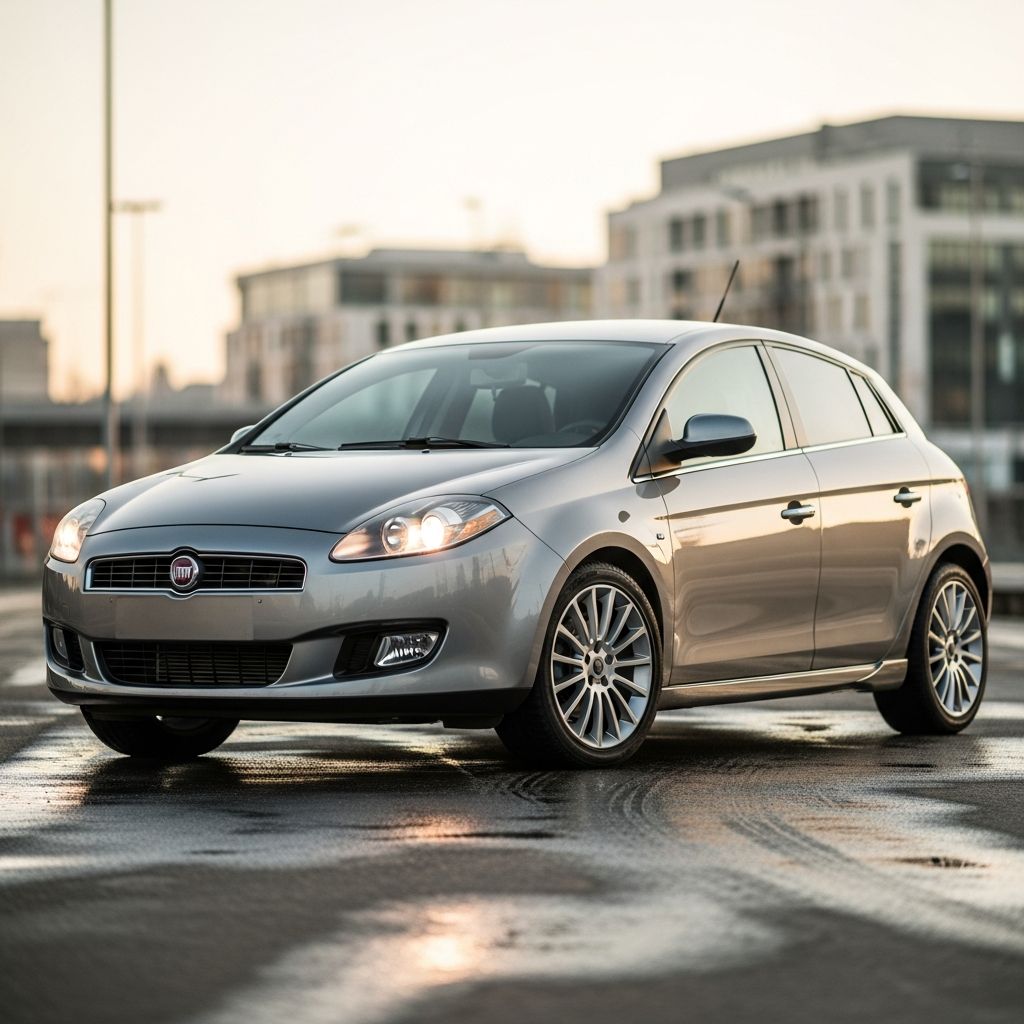
The Fiat Bravo stands out as a compelling choice in the compact hatchback segment, combining eye-catching Italian aesthetics with capable powertrains and surprising interior refinement. Produced primarily from 2007 to 2014, this second-generation model revives Fiat’s reputation for bold designs while delivering practical performance for everyday use.
Eye-Catching Exterior Design
The Fiat Bravo’s exterior captures attention with its sporty silhouette and clean lines. The front fascia draws inspiration from smaller Fiat models, featuring sharp headlights and a confident grille that give it a premium road presence. Its rising waistline and gently sloping roofline create a dynamic profile, evoking a sense of motion even when parked. At the rear, simple yet effective taillights and subtle flares over the wheel arches add stability and modernity without unnecessary embellishments.
This design philosophy prioritizes visual appeal over outright aggression, making the Bravo suitable for urban environments where standing out matters. Available in various trims, higher-spec versions often include alloy wheels and body kits that enhance its athletic stance. Compared to contemporaries like the Ford Focus or Kia Cee’d, the Bravo’s Italian flair provides a unique edge, appealing to buyers who value style alongside substance.
Interior Comfort and Build Quality
Step inside the Fiat Bravo, and the cabin impresses with its high-quality assembly, a notable step up for Fiat at the time. Materials feel solid, with soft-touch surfaces in key areas and meticulous panel gaps that rival more expensive rivals. The dashboard layout is driver-focused, with intuitive controls and a modern instrument cluster. Ambient lighting in upscale models adds a touch of luxury, especially during night drives.
Seating is supportive, with deep bolsters that hold occupants firmly through corners, yet remain comfortable for longer journeys. Front space is generous, but rear legroom is tighter, better suited for shorter trips or smaller passengers. The boot offers substantial capacity, though a high loading lip can make bulky items awkward to load. Overall, the interior punches above its weight, blending practicality with a premium vibe.
Engine Options and Performance
The Fiat Bravo’s engine lineup caters to diverse needs, emphasizing efficiency and punch. Entry-level models feature a 1.4-litre petrol in naturally aspirated (90bhp) or turbocharged forms (120bhp or 150bhp), providing lively acceleration and reasonable economy. Turbo versions stand out for their responsive low-end torque, ideal for city overtakes.
Diesel variants shine brightest, particularly the 1.9-litre unit with 150bhp and 305Nm of torque, achieving 0-60mph in around nine seconds. This torque delivery ensures effortless in-gear pulls, surpassing some sportier rivals like the Subaru Impreza WRX in usability. The later 2.0-litre diesel ups the ante to 165bhp and 360Nm, hitting 0-62mph in 8.2 seconds with a top speed of 134mph and combined economy up to 53.2mpg. Petrol options lag slightly in efficiency but offer smoother rev-matching for enthusiasts.
| Engine | Power | Torque | 0-60mph | Economy (mpg) |
|---|---|---|---|---|
| 1.4 Petrol (90bhp) | 90bhp | 115Nm | 12.0s | 44.0 |
| 1.4 T-Jet (150bhp) | 150bhp | 230Nm | 8.0s | 42.0 |
| 1.9 Diesel | 150bhp | 305Nm | 9.0s | 50.0 |
| 2.0 Diesel | 165bhp | 360Nm | 8.2s | 53.2 |
Performance data highlights the diesels’ superiority for real-world driving, balancing speed with frugality.
Handling and Ride Dynamics
On the road, the Bravo delivers composed handling with minimal body roll, thanks to its well-tuned suspension. Steering is direct, fostering confidence in twisty sections. However, the ride skews firm, which can feel jarring over potholes or uneven surfaces. Motorway cruising smooths out, with good stability at higher speeds.
While not class-leading in agility, it outperforms budget alternatives, offering a sporty edge without sacrificing usability. Optional stability control on higher trims enhances safety, though base models may require upgrades.
Safety Features and Ratings
Safety is a strong suit, with the Bravo earning a five-star Euro NCAP rating. Standard equipment includes front, side, curtain, and driver’s knee airbags across most models. Robust structure and optional electronic aids like stability control provide comprehensive protection. Rear visibility could be better due to thick pillars, but parking sensors mitigate this in equipped versions.
- Five-star Euro NCAP crash test score
- Multiple airbags as standard
- Optional stability and traction control
- Solid build contributes to occupant protection
Running Costs and Ownership Experience
Affordability defines the Bravo’s appeal, especially on the used market. Low purchase prices, combined with strong fuel economy—particularly from diesels—keep costs down. Insurance groups are reasonable, and maintenance is straightforward with widespread parts availability. However, heavier depreciation impacts resale values, and some report average build longevity.
Reliability is mixed; electrics and suspension components may need attention post-100,000 miles, but proactive servicing yields dependable motoring. Road tax remains low for efficient engines, making it budget-friendly.
Pros and Cons Overview
- Pros: Striking design, refined interior, punchy diesels, low running costs, strong safety
- Cons: Firm ride, limited rear space, high boot lip, potential depreciation
Ideal Buyer Profile
The Fiat Bravo suits style-conscious drivers prioritizing flair and efficiency over ultimate refinement. Young professionals, urban commuters, or families needing a second car will appreciate its blend of performance and economy. Avoid if plush ride or expansive rear seating is essential.
Market Position and Alternatives
Priced competitively against the Kia Cee’d and Ford Focus, the Bravo offers superior style at a discount. Alternatives include the Peugeot 308 for softer dynamics or VW Golf for premium feel, but the Bravo’s value shines for used buyers.
Frequently Asked Questions (FAQs)
Is the Fiat Bravo reliable?
Generally reliable with proper maintenance, though watch for suspension wear and electrics on higher-mileage examples.
What is the best Fiat Bravo engine?
The 1.9 or 2.0-litre diesels for torque and economy.
How much boot space does it have?
Around 400 litres, expandable to over 1,100 litres with seats folded.
What’s the fuel economy like?
Diesels achieve 45-53mpg combined, petrols around 40-44mpg.
Is it safe for families?
Yes, with five-star NCAP and comprehensive airbags.
References
- Fiat Bravo 1.9 – Auto Express — Auto Express. 2007. https://www.autoexpress.co.uk/fiat/bravo/16862/fiat-bravo-19
- Fiat Bravo (2007 – 2014) used car review — RAC Drive. 2015-06-05. https://www.rac.co.uk/drive/car-reviews/fiat/bravo/bravo-2007-2014/
- Fiat Bravo review – What Car? – YouTube — What Car?. N/A. https://www.youtube.com/watch?v=2BxwX6NNlFE
- 2026 Fiat Bravo Review | The Italian Hatchback Comeback — YouTube. N/A. https://www.youtube.com/watch?v=QZObPLaeE0s
- Road Test: Fiat Bravo 1.4 T-Jet Dynamic 5dr — Top Gear. N/A. https://www.topgear.com/car-reviews/fiat/bravo/14-t-jet-dynamic-5dr/road-test
Similar Articles


Read full bio of Sneha Tete