Evolution of Company Cars: From Post-War Perks to Fleet Favorites
Discover how company cars transformed from basic workhorses into status symbols, shaping UK automotive sales and driver preferences over decades.
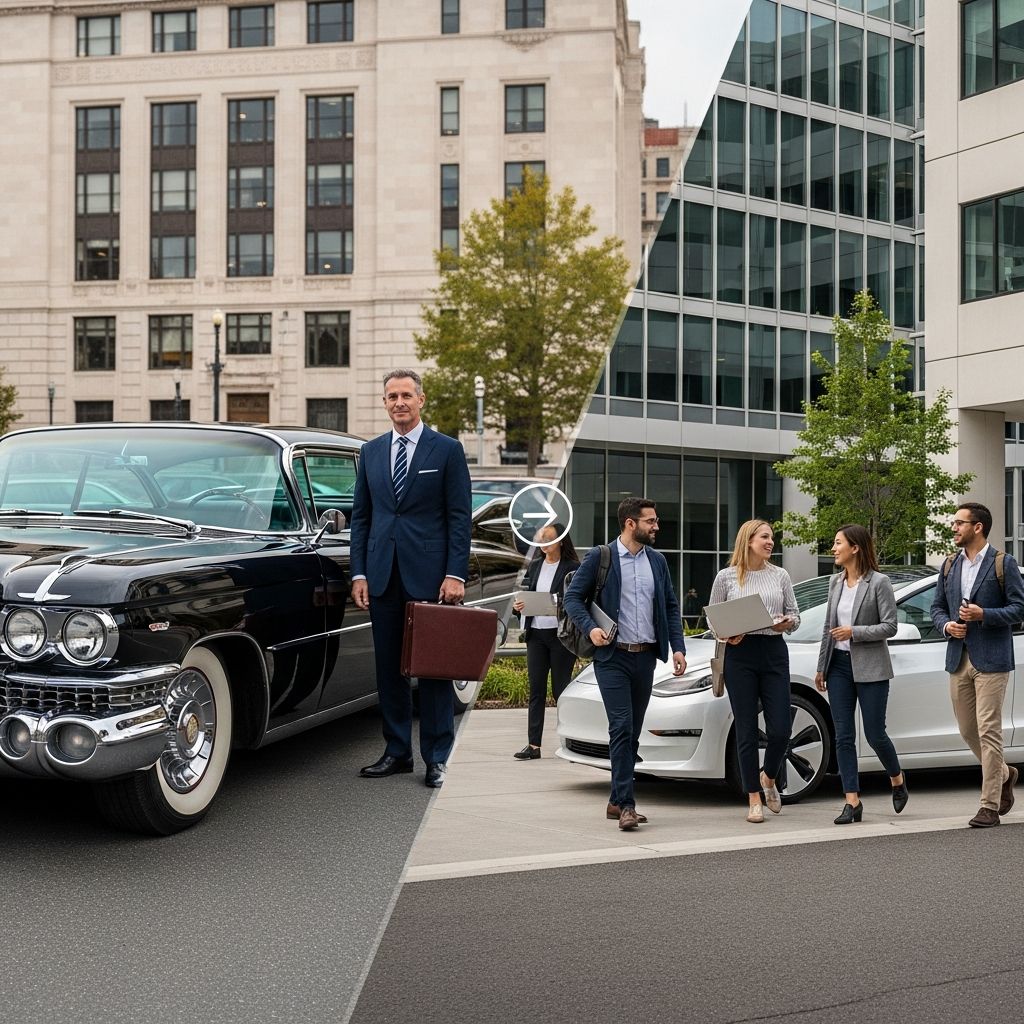
In the aftermath of World War II, owning a new car was a luxury few could afford due to soaring running costs and limited personal incomes. Businesses stepped in, providing vehicles for employees—especially sales representatives—to handle work duties and occasional personal use. This practice birthed the ‘repmobile,’ a term encapsulating affordable, reliable cars optimized for high-mileage business travel. Over decades, these fleet vehicles influenced market trends, model popularity, and even tax policies, evolving from basic economy models to sophisticated premium options.
The Birth of the Repmobile Era in the 1950s
The 1950s marked the dawn of company car culture in the UK. With fuel and maintenance expenses ranging from 6p to 11p per mile—equivalent to significant modern sums—individual purchases were impractical for most. Companies absorbed these costs, supplying cars primarily for sales teams who clocked up thousands of miles annually. Early arrangements were informal; tax authorities overlooked personal use, assuming vehicles served business exclusively.
Drivers often had limited choices, receiving whatever the fleet manager selected. Durability was paramount, with cars typically retired after two years or 60,000 miles, as mechanical reliability waned thereafter. Popular picks included the Austin Cambridge and Hillman Hunter, valued for their straightforward mechanics and spacious boots ideal for sales samples.
- Key Traits of 1950s Repmobiles: Modest performance, basic features, emphasis on economy and space.
- Top speeds hovered around 72-80mph; for instance, the Ford Anglia 105E’s 1.0-litre engine delivered 39bhp for a 79mph maximum, while the Morris Minor 1000 managed 72mph with 48bhp.
- Fleets prioritized low upfront costs over luxury, reflecting the era’s economic constraints.
This system not only boosted employee morale but also sustained carmakers by guaranteeing bulk orders.
1960s Boom: Ford Cortina and BMC’s ADO16 Dominate
The 1960s saw company cars gain prominence as economies recovered and sales roles expanded. Ford’s Cortina, launched in 1962, became the archetype repmobile. Tailored for everyone from entry-level reps to middle managers, the 1.2-litre version offered essentials, while 1.5-litre deluxe models added heaters and washers. Higher-status employees enjoyed the Zodiac MkIII, boasting a 2.6-litre straight-six, two-tone paint, and reversing lights.
BMC’s ADO16 platform—encompassing the Austin/Morris 1100/1300, plus Riley Kestrel, Vanden Plas, MG, and Wolseley variants—reigned supreme. These scaled-up Minis topped UK sales charts for 11 years, prized for superior driving dynamics and practicality over successors like the Austin Allegro. ADO16 models appealed to fleet buyers seeking refined handling and family-friendly space.
| Model | Engine | Top Speed | Fleet Appeal |
|---|---|---|---|
| Ford Cortina 1.2 | 1.2L | ~85mph | Affordable, reliable for reps |
| Austin 1100 | 1.1L | ~90mph | Best-seller, versatile badging |
| Ford Zodiac MkIII | 2.6L straight-six | ~110mph | Executive perk |
By mid-decade, repmobiles symbolized career progression, with engine size correlating to seniority.
1970s Turbulence: Economic Pressures Reshape Fleets
The 1970s brought challenges: oil crises, inflation, wage freezes under Prime Minister James Callaghan, and punitive income taxes. Company cars emerged as a clever workaround, offering untaxed perks amid 80-90% top tax rates. Firms provided vehicles to retain talent, fueling demand for durable, cost-effective models.
Ford’s Cortina held strong into the late 1970s, but competitors like Vauxhall’s Cavalier Mk1 gained traction. The shift to front-wheel-drive hatches began, with Vauxhall’s Astra (Opel Kadett sibling) revolutionizing fleets. Its 1300S variant, with 75bhp, matched rivals like the Volkswagen Golf in practicality and dynamics, securing European Car of the Year honors.
BMC’s successors, such as the Morris Ital and Austin Montego, struggled against fresher designs but persisted in conservative fleets.
1980s Transition: Sierra, Cavalier, and Montego Lead the Charge
The 1980s refreshed repmobile lineups. Ford’s Sierra (1982) replaced the Cortina, its aerodynamic ‘jelly mould’ styling initially controversial but ultimately successful across saloon, hatch, and estate variants. A 1987 facelift and 1990s updates, including twin-cam engines, sustained popularity.
Vauxhall’s Cavalier Mk2 (1981) and later Astra iterations solidified GM’s presence. The Austin Montego (1984) continued BL’s legacy post-Morris Ital, offering ample space for sales loads. These cars endured brutal fleet lives—high miles, hasty auctions, scrapyards—yet survivors now fetch collector premiums.
- 1980s Fleet Dynamics: Emphasis on aerodynamics, fuel efficiency amid rising fuel duties.
- Sierra’s versatility appealed to diverse roles; estates handled bulkier payloads.
- High production volumes meant most met inglorious ends, but low-mileage gems appreciate today.
1990s Diversification: Japanese Inroads and German Ascendancy
By the 1990s, Rover, Vauxhall, and Ford retained dominance, but Japanese marques like Nissan Primera, Honda Civic/Accord, and Toyota Avensis infiltrated fleets via reliability and low ownership costs. The seismic shift was German brands’ democratization: Audi, Volkswagen, BMW, and Mercedes shed exclusivity, appearing in mid-level fleets despite equipment austerity.
Tax reforms further propelled this; benefit-in-kind (BIK) calculations favored efficient diesels and smaller engines, diminishing large petrol repmobiles.
| Era | Dominant Brands | Key Shifts |
|---|---|---|
| 1950s-60s | Ford, BMC | Economy focus, basic specs |
| 1970s-80s | Ford, Vauxhall, BL | Perk against taxes, FWD rise |
| 1990s | Rover/Vauxhall/Ford + Imports | Japanese reliability, German prestige |
Modern Legacy: From Repmobiles to Sustainable Fleets
Company cars endure, now prioritizing electrification and BIK efficiency. Hybrids and EVs dominate, echoing 1950s cost imperatives but with green mandates. Iconic repmobiles like Cortina and Sierra inspire classics scenes, their survival rates low but values rising—fast models command premiums at events like the Festival of the Unexceptional.
Fleet data underscores endurance: millions produced, most scrapped post-high-mileage service, yet preserved examples highlight engineering resilience.
Why Repmobiles Shaped UK Car Sales
Fleets drove volume sales, propping manufacturers during slumps. Tax leniency fostered growth; reps’ testimonials influenced private buyers. Durability tests—60,000 miles in two years—pushed reliability innovations.
- Bulk buys stabilized production.
- Model hierarchies mirrored corporate ladders.
- Post-1990s globalization diversified choices.
FAQs
What sparked the company car trend?
Post-WWII high costs made personal ownership rare; firms provided cars as affordable perks, especially amid 1970s tax hikes.
Which car was the ultimate 1960s repmobile?
The Ford Cortina suited all levels, from basic 1.2L reps to Zodiac executives; BMC’s ADO16 topped sales.
Why did German cars rise in 1990s fleets?
Improved affordability, prestige, and tax-efficient diesels made Audi, BMW, and Mercedes accessible beyond elites.
Do repmobiles have collector value today?
Yes, low-mileage 1980s/90s models like Sierra estates appreciate, bucking high-volume scrappage fates.
How have company cars evolved recently?
Shift to EVs/hybrids for BIK savings and emissions rules, mirroring original economy roots.
References
- Rise of the repmobile: a company car history lesson — Auto Express, Richard Dredge. 2024-07-04. https://www.autoexpress.co.uk/features/363687/rise-repmobile-company-car-history-lesson
- Bad rep-utation: 7 company cars from the Festival of the Unexceptional — Hagerty UK. N/A. https://www.hagerty.co.uk/articles/bad-rep-utation-7-company-cars-from-the-festival-of-the-unexceptional/
- MARKET TRENDS – 80s & 90s REPMOBILES — Classics World. N/A. https://classicsworld.co.uk/cars/market-trends-80s-90s-repmobiles/
- Rise of the repmobile — Solent Renegades Car Club. 2024-07-04. https://www.solent-renegades.co.uk/threads/rise-of-the-repmobile.58161/
- Rise of the repmobile – pictures — Auto Express. 2024-07-04. https://www.autoexpress.co.uk/features/363688/rise-repmobile



Read full bio of Sneha Tete