Electric Vehicle Resale Value: How EVs Compare to Gas Cars
Discover why electric vehicles depreciate faster and what it means for your wallet
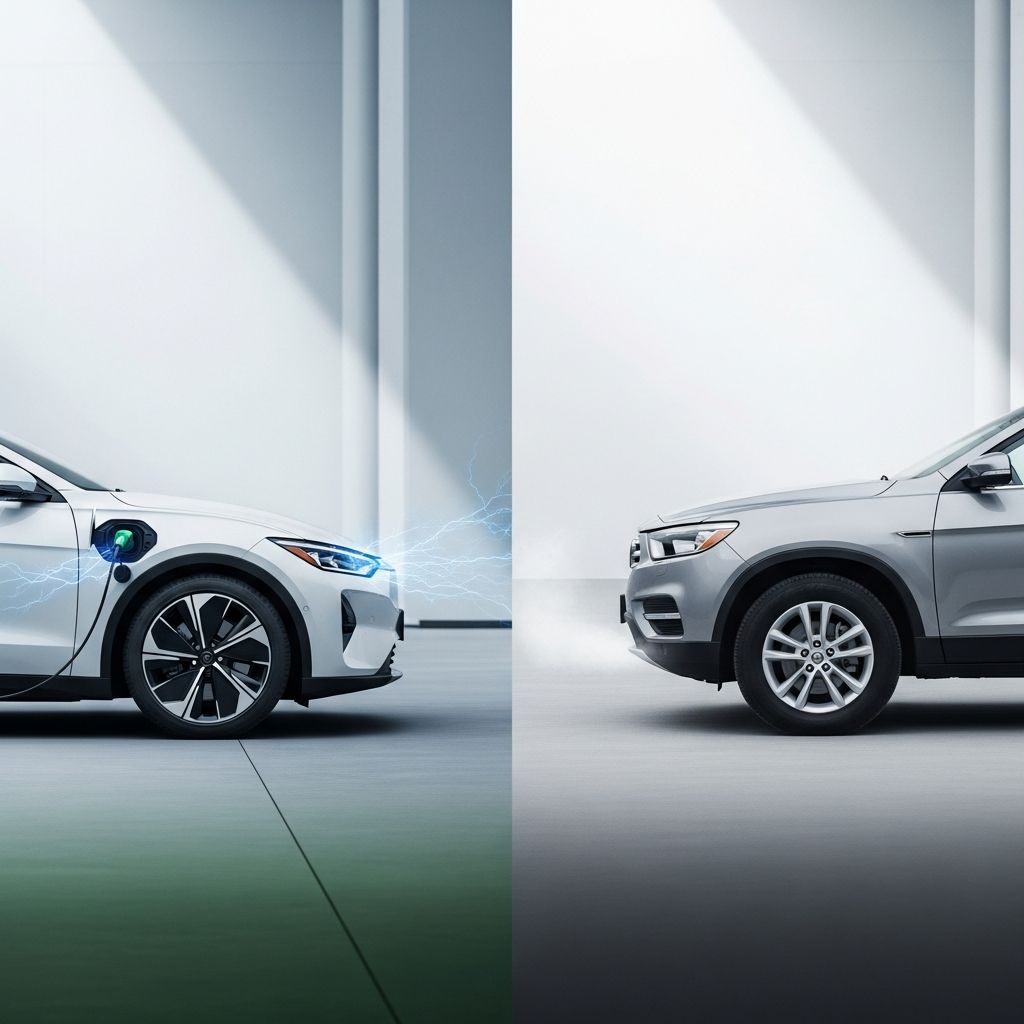
When evaluating whether to purchase an electric vehicle, many consumers focus primarily on the upfront purchase price and fuel savings. However, resale value plays a critical role in determining the true cost of ownership over the vehicle’s lifetime. Understanding how electric vehicles hold their value compared to traditional gasoline-powered automobiles is essential for making an informed purchasing decision.
The Depreciation Reality: Numbers That Matter
Depreciation represents one of the most significant ownership costs for any vehicle, regardless of its powertrain. Over a five-year ownership period, the average vehicle loses approximately 45–46% of its original purchase price. However, this is where electric and conventional vehicles diverge substantially.
Gas-powered vehicles typically experience depreciation ranging from 40–50% over five years, with many popular sedans and SUVs clustering in the lower-to-middle portion of this range. Electric vehicles, by contrast, average depreciation rates between 55–60% over the same timeframe. This means an electric vehicle that originally costs significantly more than its gas-powered equivalent will experience sharper value erosion.
When measured on a per-mile basis, the differences become even more pronounced. Gas-powered vehicles typically depreciate at approximately $0.11–$0.12 per mile over the first 100,000 miles, while electric vehicles depreciate closer to $0.25–$0.30 per mile. This metric is particularly useful for drivers who accumulate high mileage, as it reveals the compounding effect of depreciation on vehicle value.
Why Electric Vehicles Lose Value Faster
Multiple factors contribute to the accelerated depreciation of electric vehicles compared to their gas-powered counterparts. Understanding these drivers helps prospective buyers recognize why EV resale values present a unique challenge in the automotive market.
- Rapid Technological Advancement: The electric vehicle market evolves at an unprecedented pace. Battery technology, driving range, charging speed, and onboard software improvements occur frequently. A three-year-old EV model with a 200-mile range may seem outdated when new models offer 300+ miles, rendering older vehicles less desirable to used-market buyers.
- Battery Degradation Concerns: Prospective used-EV buyers often worry about battery health and longevity. While modern EV batteries retain approximately 80–90% capacity after ten years, this perception gap creates pricing pressure in the secondary market. Buyers demand steep discounts to offset uncertainty about remaining battery life.
- Incentive Structure Shifts: Federal tax credits and state-level incentives frequently change, affecting the effective price of new versus used EVs. When new-vehicle incentives increase or expand eligibility, used EV prices adjust downward to remain competitive.
- Imaturity of the Used-EV Market: The secondary market for electric vehicles remains less developed than the gas-car market. Fewer dealerships specialize in used EVs, inventory is limited, and buyer familiarity with EV ownership remains incomplete. This market fragmentation contributes to unpredictable pricing and wider depreciation curves.
- Charging Infrastructure Expansion: As charging networks expand and home charging becomes more accessible, the relative advantage of owning an older EV diminishes. Newer vehicles often come with access to improved charging networks and faster charging capabilities.
The Uneven Depreciation Landscape
Not all electric vehicles depreciate at identical rates. Significant variation exists across different models and manufacturers, creating both risks and opportunities for savvy buyers.
Premium electric vehicles, particularly first-generation models from luxury manufacturers, have experienced severe depreciation. Models such as the Jaguar I-PACE and Audi e-tron/Q8 e-tron have lost 70% or more of their original value over five years. These vehicles suffered from elevated initial MSRPs, modest driving ranges by contemporary standards, and insufficient buyer demand in the used market.
Early electric trucks present another challenging category. Certain trim levels of first-generation electric pickup trucks have lost roughly twice the percentage value that comparable gas-powered pickup trucks lose over three years. This phenomenon reflects buyer uncertainty about EV truck practicality, towing capability concerns, and limited used inventory.
Conversely, select electric vehicles have demonstrated resilience in the used market. Models like the Tesla Model 3 retain approximately 48% of their original value after five years—a performance comparable to many gas-powered vehicles. This superior retention reflects strong brand loyalty, extensive charging infrastructure, and consistent buyer demand for used Tesla vehicles.
Depreciation Curves: Understanding the Timeline
Electric vehicles and gas-powered vehicles follow distinctly different depreciation patterns that influence when to purchase in the used market.
Gas vehicles typically depreciate according to a smooth, predictable curve. Value loss is distributed relatively evenly throughout the ownership period, allowing buyers to anticipate resale value with reasonable accuracy.
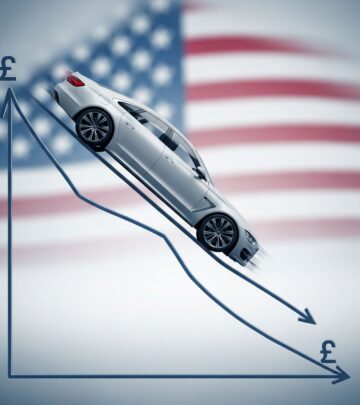
Electric vehicles, by contrast, experience front-loaded depreciation. They lose value significantly during the first three years of ownership, then the depreciation curve flattens considerably. A used EV purchased at the three-year mark may actually retain value more predictably than a newer used EV, presenting an opportunity for buyers willing to accept older model years.
This depreciation pattern is particularly important for lease-return vehicles. Three-year-old certified pre-owned EVs often represent superior value propositions compared to newer used EVs, as they’ve already absorbed the steepest portion of the depreciation curve.
Total Cost of Ownership: The Complete Picture
While depreciation disadvantages electric vehicles in the secondary market, comprehensive ownership costs tell a more nuanced story. Calculating total cost of ownership requires evaluating purchase price, incentives, fuel expenses, maintenance costs, insurance, and resale value together.
Electric vehicles cost approximately $10,500 more upfront than comparable gas-powered vehicles, with average 2025 transaction prices of $59,205 for EVs versus $48,699 for gas cars. However, operational advantages substantially offset this initial premium:
- Electricity costs $3–$5 per 100 miles, compared to $12–$15 per 100 miles for gasoline
- Maintenance costs are significantly lower due to fewer moving parts, no oil changes, and regenerative braking systems that minimize wear on friction brakes
- Federal tax credits up to $7,500 and various state incentives reduce effective purchase prices
- Insurance premiums, while slightly higher for some EVs, have begun normalizing as the market matures
Recent independent analyses indicate that approximately 40–45% of current EV models already achieve lower total cost of ownership over five years compared to their gas equivalents. This percentage continues to improve as battery costs decline and EV technology matures, though the remaining 55–60% of models still carry higher five-year ownership costs primarily due to depreciation.
Market Evolution: A Shifting Landscape
Research examining more than nine million vehicle listings between 2016 and 2022 revealed an important trend. While older electric vehicle models with shorter driving ranges depreciated faster than comparable gas vehicles, newer electric vehicles with extended driving ranges are approaching the retention rates of conventional vehicles. This suggests the depreciation disadvantage is narrowing as EV technology improves and buyer confidence increases.
The same research highlighted a concerning consequence of improving EV resale values: the end of the affordable used-EV market. As newer EVs hold value better, the supply of deeply discounted used electric vehicles continues to shrink, reducing accessible entry points for price-sensitive buyers interested in EV ownership.
Strategic Advantages for Used-EV Buyers
Understanding depreciation patterns creates opportunities for strategic purchasing decisions.
Buying a used EV purchased at the three- to five-year mark allows buyers to capture ownership benefits while avoiding the steepest depreciation. A vehicle that has already lost 50% of its value provides stability in the secondary market, as resale value may remain relatively stable compared to a newly purchased EV experiencing rapid early depreciation.
Similarly, focusing on models with demonstrated strong resale value—such as popular Tesla models and newer EVs with extended range—provides confidence that future resale value will remain more predictable.
For drivers with moderate annual mileage (12,000–15,000 miles per year), the fuel and maintenance savings accumulate quickly enough to offset steeper depreciation. However, light-usage owners driving only 6,000–8,000 miles annually may find that lower driving costs insufficient to justify EV ownership given depreciation disadvantages.
The Electricity Cost Advantage
One of the most compelling benefits of EV ownership remains the dramatic reduction in fuel costs. Charging an electric vehicle costs one-quarter to one-third the price of gasoline-powered transportation per mile. These savings compound substantially over time, particularly for drivers who install home charging and take advantage of time-of-use electricity rates available in many regions.
Electricity prices also demonstrate greater stability compared to volatile gasoline prices, providing budgeting predictability for EV owners planning long-term transportation costs.
Insurance and Additional Considerations
Insurance premiums for electric vehicles have historically run slightly higher than comparable gas vehicles, reflecting repair complexity and specialized technician requirements. However, this premium has begun narrowing as the EV market matures, insurance companies develop more accurate risk models, and repair networks expand.
Warranty coverage on EV batteries—typically 8–10 years or 100,000+ miles—provides substantial protection against degradation costs during primary ownership, though this protection does not extend to used buyers in most cases.
Making Your Decision
Prospective buyers must align vehicle selection with personal circumstances. Electric vehicles continue to depreciate faster than gas vehicles on average, particularly within the first three years. However, newer EV models with extended driving ranges are beginning to challenge this trend, and select vehicles now rival or exceed gas-car retention rates.
For buyers planning to keep vehicles long-term or drive significant annual mileage, the operational cost savings typically outweigh depreciation disadvantages. For those prioritizing minimal resale value loss or expecting to own vehicles only three years, gas-powered alternatives may remain financially advantageous despite higher fuel costs.
Frequently Asked Questions
What is the average depreciation for electric vehicles after five years?
Electric vehicles average 55–60% depreciation over five years, compared to 40–50% for gas-powered vehicles. However, this varies significantly by model and manufacturer.
Do any electric vehicles hold their value well?
Yes, select models like the Tesla Model 3 retain approximately 48% of original value after five years. Newer EVs with extended driving ranges are beginning to approach gas-vehicle retention rates.
Is it better to buy a new or used electric vehicle?
Buying a used EV at the three- to five-year mark can provide value, as the vehicle has absorbed the steepest portion of depreciation. However, prioritizing models with proven resale strength minimizes future value loss.
How do EV fuel savings compare to gas vehicle costs?
Electricity costs $3–$5 per 100 miles versus $12–$15 for gasoline, representing 60–75% savings on fuel costs. These savings accumulate substantially over vehicle ownership periods.
Do electric vehicles have lower maintenance costs?
Yes, EVs have significantly lower maintenance requirements due to fewer moving parts, no oil changes, and regenerative braking systems that minimize wear. This typically results in 30–50% lower lifetime maintenance costs.
References
- Electric vs Gas Cars 2025: Cost & Ownership Comparison — Recharged. 2025. https://recharged.com/articles/electric-vs-gas-car-comparison
- EV Depreciation vs Gas Cars: 5-Year Value Guide 2026 — Recharged. 2026. https://recharged.com/articles/ev-depreciation-vs-gas-car-depreciation
- Average Price of Electric Car VS Gas Car: A Comprehensive Guide — EV-Lectron. 2025. https://ev-lectron.com/blogs/blog/electric-cars-vs-gas-cars-a-cost-comparison
- New research finds electric vehicles depreciate faster than gas cars – trend changing — George Washington University Media Relations. April 18, 2024. https://mediarelations.gwu.edu/new-research-finds-electric-vehicles-depreciate-faster-gas-cars-trend-changing
Similar Articles





Read full bio of medha deb