Engine Size Guide: Pick the Right One
Discover how engine sizes affect power, efficiency, and costs to select the perfect motor for your driving needs and lifestyle.
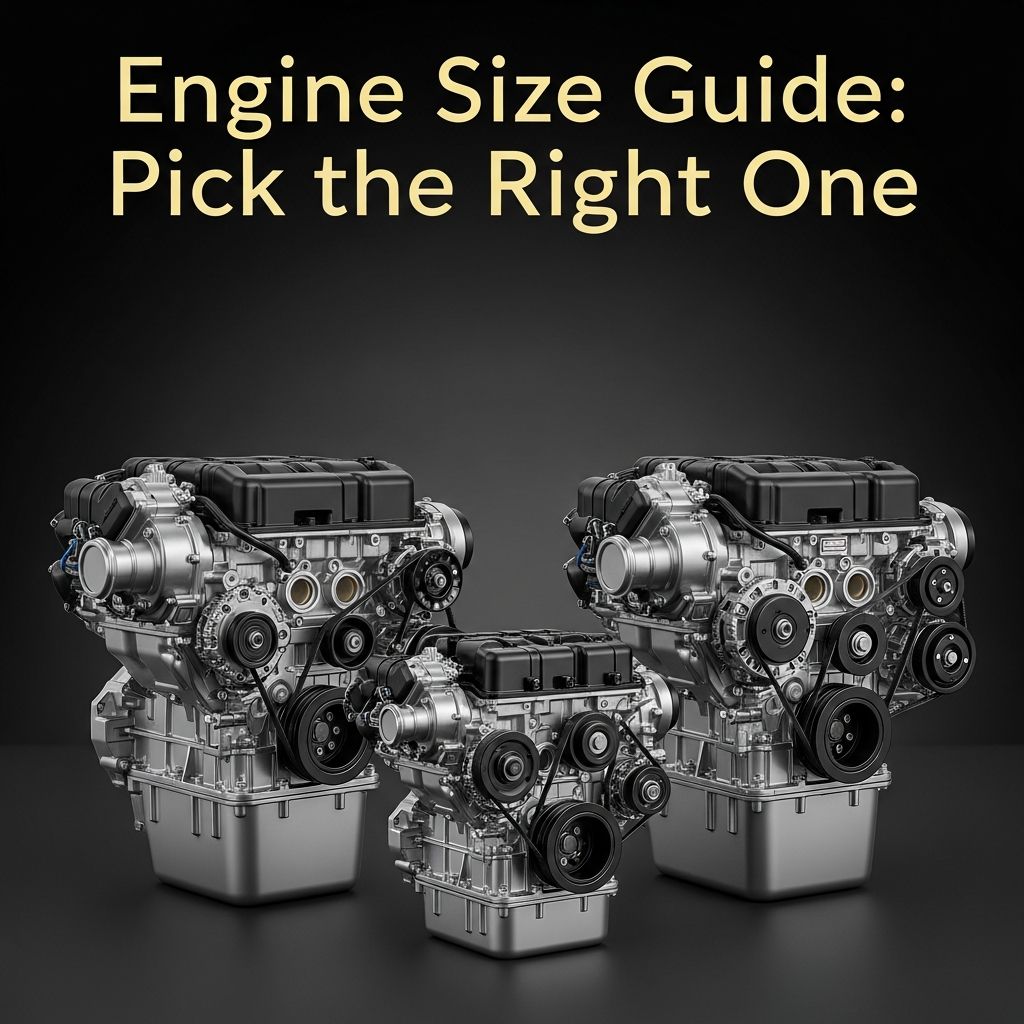
Engine size, or displacement, measures the total volume of an engine’s cylinders, typically in litres (L) or cubic centimetres (cc), where 1L equals 1,000cc. This figure determines how much air-fuel mixture the engine processes per cycle, directly influencing power output and efficiency.
Decoding Engine Displacement Basics
The core of any car engine is its cylinders, where pistons move to compress air and fuel for combustion. Displacement calculates this space using bore (cylinder diameter) and stroke (piston travel distance), multiplied across all cylinders. A 2.0L engine, for instance, displaces 2,000cc total, enabling more fuel burn for greater power than a 1.0L unit.
Modern engines often pair smaller sizes with turbochargers, which force extra air in to boost performance without enlarging displacement. This shift has blurred traditional size-power links, making tiny motors rival older larger ones.
Petrol vs Diesel: Size Differences Explained
Petrol engines dominate passenger cars with smooth, responsive delivery, while diesels excel in torque for towing, often in similar sizes but with higher efficiency. Both categories group into under 1.0L, 1.0-2.0L, 2.0-3.0L, and 3.0L+, each suiting distinct needs.
Tiny Powerhouses: Under 1.0L Engines
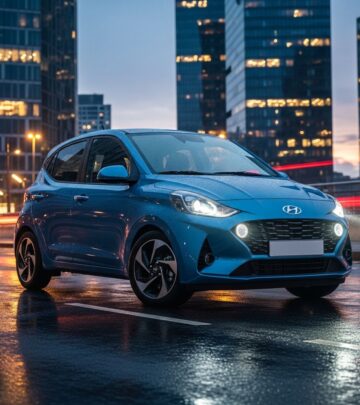
These three- or four-cylinder units, often turbocharged, power city cars like the Hyundai i10 or Kia Picanto. They deliver 80-125hp, prioritizing fuel savings over speed.
- Strengths: Exceptional economy (up to 60mpg combined), low road tax, cheap insurance.
- Weaknesses: Struggles with highways or loads; revving high erodes efficiency.
Ideal for solo urban commutes under 10,000 miles yearly, but upgrade if highways or passengers feature regularly.
Balanced Performers: 1.0L to 2.0L Engines
The sweet spot for most drivers, these four-cylinder turbo engines (1.6-2.0L common) fit hatchbacks like Ford Puma or SUVs, yielding 150-250hp with solid economy.
| Size Range | Typical Power | Best For | Fuel Economy |
|---|---|---|---|
| 1.0-1.5L | 125-180hp | Family cars, light SUVs | 45-55mpg |
| 1.6-2.0L | 180-250hp | Mid-size vehicles | 40-50mpg |
They handle overtakes effortlessly and maintain efficiency on mixed routes, though purchase prices rise 10-20% over smaller siblings.
Heavy Duty Options: 2.0L to 3.0L Engines
Found in saloons, estates, and premium SUVs, these V6 or inline-six turbos produce 200-400hp for effortless cruising. Examples include Porsche models or executive cars.
- Pros: Superior torque for towing (up to 2,500kg), refined highway poise.
- Cons: Higher fuel use (30-40mpg), elevated taxes/insurance.
Suited for frequent motorway users or load-haulers, but less ideal for short trips.
High-Performance Beasts: Over 3.0L Engines
V8s, V10s (rare), or hybrids above 3.0L equip sports cars, trucks, and luxury SUVs. They boast 400hp+ for thrilling acceleration but guzzle fuel (20-30mpg).
Smaller engines are lighter, aiding handling in compacts, while larger ones suit off-road or towing. Trends favor downsized turbos or hybrids, reducing big-engine prevalence.
Key Factors for Choosing Your Engine Size
Your Driving Environment
Urban drivers thrive with under 1.5L for nimble, cheap running. Motorway-heavy routes demand 2.0L+ for relaxed 70mph pacing without strain. Hilly terrains or inclines favor torque-rich larger units.
Power and Load Demands
Solo? Small suffices. Family with luggage? Opt mid-size. Towing trailers? Minimum 2.0L diesel. Performance enthusiasts eye 2.5L+ turbos.
Running Costs Breakdown
| Engine Size | Annual Fuel (12k miles) | Road Tax (UK) | Insurance Group |
|---|---|---|---|
| <1.0L | £800-£1,000 | £0-£20 | Low (5-15) |
| 1.0-2.0L | £1,000-£1,400 | £20-£180 | Medium (10-25) |
| 2.0-3.0L | £1,400-£2,000 | £180+ | High (20-35) |
| 3.0L+ | £2,000+ | £600+ | Very High (30+) |
Figures approximate for 2026 petrols; diesels save 10-20% fuel but higher upfront. Company car users note BIK tax scales with CO2, favoring smaller/hybrids.
Environmental Impact
Larger engines emit more CO2, facing stricter regulations. Electrified options (mild hybrids) in small sizes cut emissions without sacrificing pep.
Real-World Driving Scenarios
City Commuter: 1.0L turbo – zips through traffic, parks easily, sips fuel.
Family Road Tripper: 1.5-2.0L – seats five comfortably, overtakes safely.
Highway Executive: 2.5-3.0L – cruises silently, tows if needed.
Adventure Seeker: 3.0L+ – conquers trails, hauls gear.
Future-Proofing: Hybrids and Electrification
By 2026, many engines integrate electric assist, mimicking larger displacement feel in 1.5L packages. Full EVs sidestep size debates, but for ICE/hybrids, match size to habits. Test drives reveal real traits over specs.
Frequently Asked Questions
What is a good engine size for a first car?
1.0-1.2L offers affordability, insurance savings, and adequacy for new drivers.
Does bigger engine mean better performance?
Not always; turbo small engines often outpace old big naturally-aspirated ones.
How does engine size affect insurance?
Larger sizes hike premiums due to repair costs/power.
Are diesel engines better for larger sizes?
Yes, for torque/economy in 2.0L+, but petrols closing gap with tech.
Can small engines tow?
Light duties yes (up to 1,000kg), but heavy needs 2.0L+.
Final Thoughts on Sizing Up
Align engine size with routes, loads, and budget. Small for savings, mid for versatility, large for prowess. Prioritize test drives to feel the match.
References
- Car Engine Sizes Explained | Carwow — Carwow. 2021-05. https://www.carwow.co.uk/guides/choosing/what-engine-size-do-i-need-0521
- Car engine sizes explained: what engine size do you need? — Auto Express. 2023. https://www.autoexpress.co.uk/tips-advice/366404/car-engine-sizes-explained-what-engine-size-do-you-need
- Car engine sizes: What you need to know — WeBuyAnyCar. 2024. https://www.webuyanycar.com/guides/car-ownership/car-engine-sizes/
- The Ultimate Guide to Car Engine Sizes — AnyColourCar. 2024. https://anycolourcar.com/blog/the-ultimate-guide-to-car-engine-sizes-choosing-the-best-engine-for-your-needs
- Understanding Car Engine Size — AutoZone. 2023. https://www.autozone.com/diy/engine/understanding-car-engine-size
Similar Articles


Read full bio of Sneha Tete