Operating EVs Without Home Charging
Discover practical strategies for EV ownership when home charging isn't available to you.
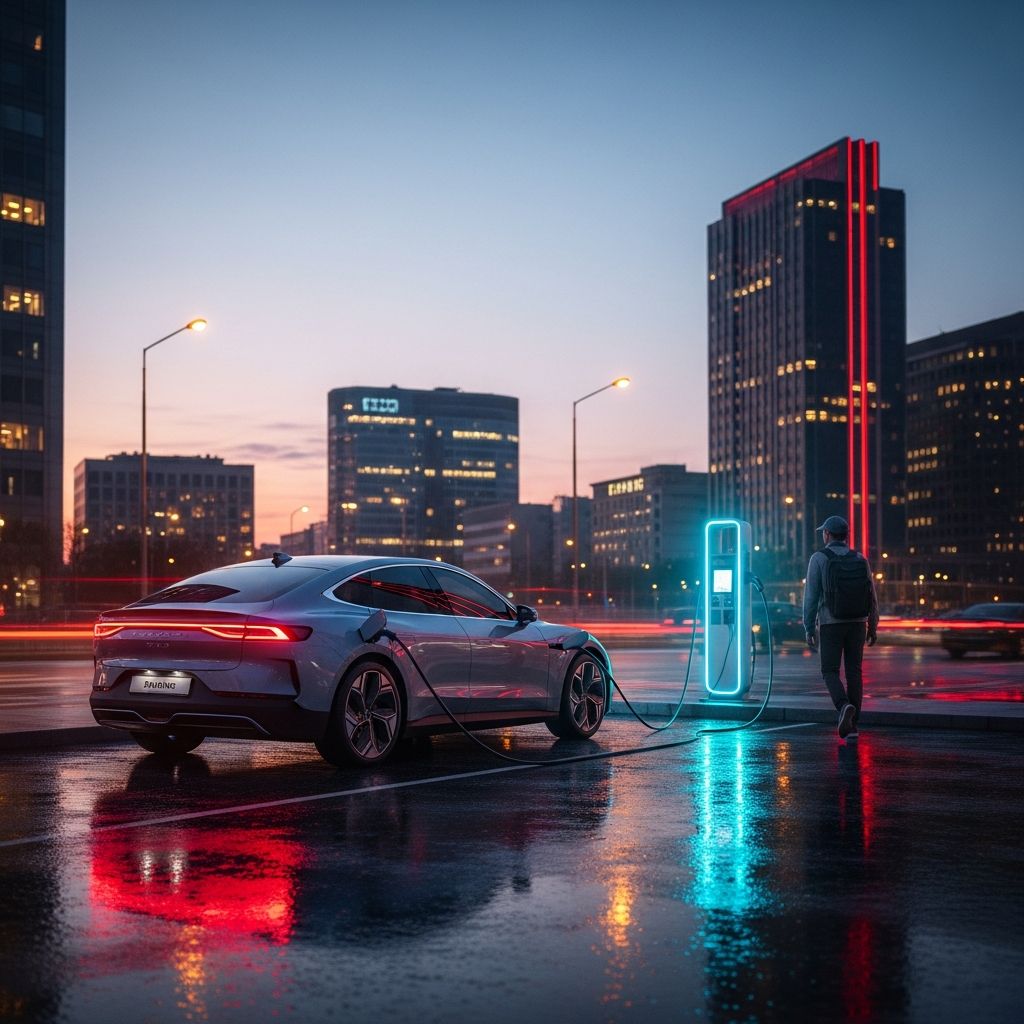
Operating Electric Vehicles Without Home Charging: A Practical Reality Check
The transition to electric vehicles has accelerated significantly, yet a persistent concern remains: can you genuinely operate an EV when home charging infrastructure isn’t an option? For apartment dwellers, renters, and those in areas with limited electrical capacity, this question directly impacts purchasing decisions. The answer is nuanced—while home charging offers convenience and cost savings, EV ownership without it remains viable with strategic planning and understanding of available alternatives.
Understanding the Home Charging Advantage
Home charging represents the gold standard for EV ownership, primarily because it addresses a fundamental challenge in electric vehicle adoption: overnight charging during off-peak hours. Owners with Level 2 (220-volt) chargers can replenish their vehicle’s battery while sleeping, eliminating daily visits to public stations. This convenience translates directly into cost savings, as home electricity rates typically undercut public charging prices significantly. Additionally, the flexibility to charge during low-demand periods allows owners to leverage utility company incentives for off-peak electricity consumption.
However, not everyone has access to this luxury. Apartment residents, individuals renting their homes, and those whose buildings lack electrical infrastructure face a different reality. Understanding why home charging isn’t universally available reveals the infrastructure challenges that persist across the EV ecosystem.
The Infrastructure Challenge Facing Prospective EV Buyers
One of the most significant barriers to widespread EV adoption isn’t the vehicles themselves—it’s the electrical infrastructure supporting them. Many residential buildings, particularly older properties and those in rural areas, lack the necessary electrical capacity to support Level 2 charging installations. The median American home’s electrical panel often cannot accommodate the additional 40-50 ampere circuit required for dedicated EV charging without substantial upgrades.
For renters and apartment dwellers, the situation becomes even more complicated. Property owners may resist installation expenses, while renters lack authority to make permanent infrastructure modifications. This creates a catch-22: potential EV buyers cannot commit to vehicle ownership without guaranteed charging access, yet property managers hesitate to invest in charging infrastructure without tenant demand. Consequently, approximately 14% of potential EV consumers have opted against electric vehicles due to charging infrastructure concerns, according to recent consumer research.
Public Charging Networks: The Alternative Infrastructure
For those without home charging options, public charging networks form the backbone of EV viability. These networks vary significantly in reliability, accessibility, and pricing structures. Consumer Reports’ recent survey of EV charging habits revealed stark differences in network performance:
- Tesla Superchargers experienced problems in only 4% of charging sessions
- Rivian’s Adventure Network reported issues in 5% of sessions
- Shell Recharge network encountered problems in 48% of sessions
- EVgo network experienced issues in 43% of sessions
- Blink network reported problems in 41% of sessions
This disparity underscores an important reality: not all public charging networks offer equal reliability. Drivers without home charging must research available networks in their area before committing to EV ownership, as their daily experience depends heavily on which networks serve their community.
Charging Speed and Daily Planning Considerations
Different charging levels impose distinct constraints on daily usage patterns. Understanding these speeds helps apartment dwellers and others without home charging assess whether public infrastructure meets their needs.
| Charging Type | Voltage | Charging Time | Typical Use Case |
|---|---|---|---|
| Level 1 (Standard Outlet) | 120V | 40-50 hours | Emergency backup |
| Level 2 | 240V | 4-10 hours | Home and workplace charging |
| DC Fast Charging | High voltage | 20 minutes to 1 hour (to 80%) | Road trips and quick top-ups |
Level 1 charging, available from standard household outlets, proves impractical for regular EV operation, requiring 40-50 hours to fully recharge a depleted battery. Level 2 charging at workplaces, shopping centers, and public lots provides more feasible alternatives, requiring 4-10 hours for full charges. DC fast charging offers the quickest option, bringing batteries to 80% capacity in 20 minutes to an hour, though these stations remain less abundant than Level 2 infrastructure.
Without home charging, owners must plan their driving around charger availability and charging times. This works reasonably well for people with predictable commutes to workplaces offering Level 2 chargers, but requires more calculation for those relying entirely on public infrastructure.
The Real-World Reliability Problem
Consumer data reveals that challenges extend beyond mere availability. Among all public charging sessions initiated, drivers encounter problems at roughly 1 in every 5 instances. These issues encompass multiple categories affecting user experience:
- Hardware failures: Broken charging cables, non-functional connectors, ice-clogged ports, and unresponsive charger screens
- Payment processing issues: Systems accepting payment but failing to initiate charging sessions
- Connectivity problems: Chargers offline or displaying error messages
For those without home charging alternatives, encountering a malfunctioning public charger creates genuine stress. While home-charging owners might experience inconvenience, apartment dwellers or those relying entirely on public networks face potential schedule disruption and limited recourse.
Strategic Planning for Home-Charger-Free EV Ownership
Successful EV ownership without home charging requires deliberate strategies and realistic expectations. The first priority involves mapping available charging infrastructure within your regular travel area. Identify which networks operate near your workplace, shopping destinations, and along commute routes. Assess their reliability ratings and customer reviews before purchasing your vehicle.
Second, honestly evaluate your driving patterns. Do you travel primarily within your city where public charging infrastructure exists? Or do you frequently undertake longer trips through areas with sparse charging networks? The answers determine whether EV ownership suits your lifestyle or whether a hybrid vehicle might better match your needs.
Third, investigate incentive programs and time-of-use electricity rates. Some utility companies offer special pricing for public EV charging during specific hours, potentially offsetting the cost premium versus home charging. Workplace charging, increasingly common at forward-thinking companies, can dramatically improve the equation by providing extended charging during working hours.
The Installation Challenge for Home Charging
For those who do have property ownership or renting flexibility, understanding home charger installation barriers helps explain why even interested property owners sometimes delay installations. The process involves multiple technical and regulatory steps:
Selecting appropriate installation locations requires identifying spots that are accessible, safe, and positioned near existing electrical infrastructure. Garage installations seem straightforward but often encounter space constraints in older buildings, while driveway installations require weatherproof solutions and theft prevention measures.
Electrical system assessment forms a critical step, as many homes—particularly older properties—cannot support Level 2 chargers’ 240-volt requirements without substantial panel upgrades. These upgrades involve professional assessment, permitting, inspections, and installation costs that can reach several thousand dollars. Beyond the financial burden, homeowners must navigate local building codes and electrical regulations, securing necessary permits and passing local inspections.
Finding qualified installation contractors presents another challenge, especially in regions where EV adoption remains relatively new. Scheduling delays can stretch timelines, particularly in areas experiencing high demand for charger installations.
Making the Decision: Is EV Ownership Without Home Charging Right for You?
The fundamental question—can you run an electric car without home charging?—has a conditional answer: yes, if your circumstances and driving patterns align with available alternatives. The decision matrix includes several key considerations:
- Daily driving distance: Does it align with public charging network coverage in your area?
- Workplace charging availability: Can you charge during work hours?
- Network reliability: Have you researched the performance records of networks serving your region?
- Cost tolerance: Can you absorb higher electricity costs from public charging versus home rates?
- Convenience requirements: Are you comfortable with planned charging versus the spontaneous fuel-up culture?
Apartment dwellers in densely populated urban areas with robust public charging infrastructure may find EV ownership entirely practical. Conversely, suburban residents with long commutes through areas with sparse charging networks might find the experience frustrating.
Future Infrastructure Development
The equation continues evolving as infrastructure expands and networks improve reliability. Utilities, governments, and private companies recognize that widespread EV adoption depends on democratizing charging access beyond home-owning households. Investment in workplace charging, multifamily residential infrastructure, and public charging networks accelerates as EV adoption rates climb.
Conclusion
Operating an electric vehicle without home charging is achievable, but it demands careful planning, realistic expectations, and thorough research into your specific circumstances. While home charging represents the optimal scenario, alternative infrastructure exists to serve those without it. The key lies in matching your driving patterns, location, and tolerance for planning against what public networks and workplace charging can provide. As infrastructure continues developing and reliability improves, the viability of home-charger-free EV ownership will only expand.
References
- Common Challenges When Installing EV Charging at Home — Cyberswitching. Accessed April 2026. https://cyberswitching.com/common-challenges-when-installing-ev-charging-home/
- Most Common EV Charging Problems and How to Avoid Them — Consumer Reports. Accessed April 2026. https://www.consumerreports.org/cars/hybrids-evs/most-common-ev-charging-problems-and-how-to-avoid-them-a1108537217/
- Common Challenges in EV Charger Installation and How to Overcome Them — Up and S Electrical Contractors. Accessed April 2026. https://www.upands.com/blogs/madison-electricians-electrical-contractors-blog/1201329-common-challenges-in-ev-charger-installation-and-how-to-overcome-them
- Solving Two Key Design Challenges for EV Charging — Molex. Accessed April 2026. https://www.molex.com/en-us/blog/solving-two-key-design-challenges-for-ev-charging
Similar Articles





Read full bio of Sneha Tete