Electric Cars: Practical Guide To Daily Ownership
Discover the genuine advantages and challenges of switching to an electric vehicle for everyday driving and long-term use.
Electric vehicles (EVs) represent a transformative shift in personal transportation, offering unique benefits in performance and efficiency while presenting distinct hurdles in infrastructure and cost. This analysis draws from authoritative sources to weigh these factors objectively.
Key Advantages Driving EV Adoption
Owners frequently highlight several compelling reasons for choosing EVs over traditional gasoline models, rooted in operational efficiency and environmental gains.
Superior Energy Efficiency and Cost Savings
EVs excel in converting electrical energy into motion, achieving up to 77% efficiency compared to 12-30% for gasoline vehicles, where much energy is lost as heat. This translates to lower fuel costs; all-electric models can exceed 130 miles per gallon equivalent (MPGe), consuming just 25-40 kWh per 100 miles. Home charging further amplifies savings, often cheaper than gasoline across all U.S. states.
Instant Power and Enhanced Driving Experience
Electric motors provide immediate torque, enabling rapid acceleration—many models reach 60 mph in under 4 seconds without gear shifts. Low center of gravity improves handling and responsiveness, while smooth acceleration and deceleration create a refined ride. EVs also operate quietly, reducing noise pollution and enhancing cabin comfort.
Reduced Maintenance and Operational Simplicity
With fewer moving parts than internal combustion engines, EVs demand less upkeep—no oil changes or transmission fluids required. Regenerative braking minimizes wear on pads, extending brake life significantly. This simplicity lowers long-term ownership costs.
Environmental and Health Benefits
EVs produce zero tailpipe emissions, improving urban air quality and public health. When powered by renewables like solar or wind, their lifecycle impact is markedly lower than gas cars, despite upfront battery production costs. Battery recycling further mitigates environmental concerns.
Challenges That Test EV Practicality
Despite strengths, EVs face barriers that can disrupt daily routines, particularly for those with high mileage or limited charging access.
Extended Charging Durations
Unlike refueling in minutes, EV charging varies: fast chargers add range in about 30 minutes, but home Level 2 units take hours overnight. Full charges from empty can span 8+ hours, demanding planning.
Limited Range and Infrastructure Gaps
Average EV range hovers around 250-300 miles per charge, insufficient for some road trips without frequent stops. Public charger availability lags behind gas stations, especially in rural areas.
Higher Initial Purchase Prices
EVs often cost more upfront due to battery packs, though incentives can offset this; financing spreads the burden but increases total interest. Battery replacement, potentially $5,000-$20,000 after 8-10 years, adds long-term uncertainty.
Environmental Trade-offs and Supply Concerns
Battery production involves mining rare metals, generating emissions before road use. EVs aren’t fully carbon-neutral if grids rely on fossil fuels, though renewables mitigate this.
Comparing EVs to Alternatives: A Data-Driven View
To contextualize, consider this table summarizing core metrics based on recent analyses:
| Aspect | Electric Vehicles | Gasoline Vehicles |
|---|---|---|
| Energy Efficiency | 59-77% | 12-30% |
| Fuel Cost (per 100 miles) | 25-40 kWh (~$3-5) | 3-5 gallons (~$12-20) |
| 0-60 mph Time (avg) | <4 seconds | 6-8 seconds |
| Maintenance Needs | Low (regen braking) | High (oil, fluids) |
| Tailpipe Emissions | Zero | High CO2/NOx |
| Upfront Cost | Higher (~$40k+) | Lower (~$30k) |
This comparison underscores EVs’ edges in efficiency and emissions but highlights cost and refueling disparities.
Real-World Ownership Scenarios
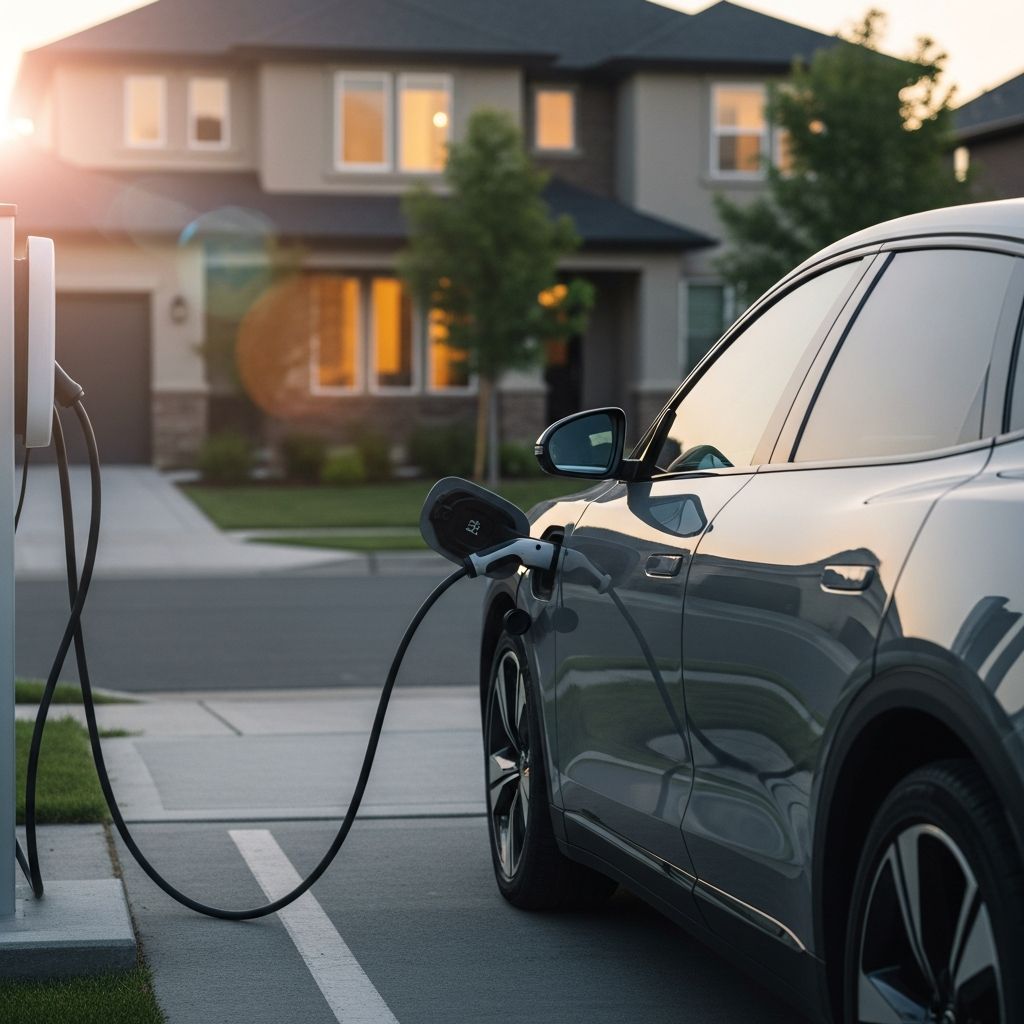
Daily commuters benefit most from EVs, leveraging overnight home charging for seamless integration. Level 2 home setups, costing $500-1,500 installed, enable 20-60 miles of range per hour charged.
Long-distance travelers face more planning: apps like PlugShare aid charger location, but trips demand 20-50% more time for stops. Cold weather reduces range by 20-40%, amplifying challenges.
Families appreciate spacious interiors and tech features in models like Tesla or Hyundai Ioniq, but trunk space can lag SUVs due to batteries. Resale values hold strong amid demand, often exceeding gas peers.
Overcoming Common Hurdles
- Home Charging: Essential for 80% of owners; incentives cover installation.
- Range Anxiety: Mitigated by expanding networks—over 160,000 U.S. public chargers in 2025.
- Battery Longevity: Warranties cover 8 years/100,000 miles, with 70-80% capacity retention.
- Incentives: Federal tax credits up to $7,500 reduce effective costs.
Future Outlook for EV Ownership
Advancements promise solid-state batteries doubling range and halving charge times by 2030, alongside denser charging grids. Hybrids and plug-in variants bridge gaps for hesitant buyers, blending EV perks with gas reliability. Policy pushes, like U.S. DOE investments, accelerate infrastructure.
Frequently Asked Questions
How long does it take to charge an EV at home?
Level 2 chargers typically add 25-30 miles per hour; full overnight charges suit most daily needs.
Are EVs cheaper to run than gas cars?
Yes, electricity costs 2-4x less per mile equivalent.
Do EVs perform well in cold weather?
Range drops 20-40%, but preconditioning and heat pumps help.
What’s the lifespan of an EV battery?
10-20 years or 150,000+ miles before significant degradation.
Can I take road trips in an EV?
Yes, with planning; networks cover major highways, though stops are more frequent.
References
- Pros and Cons of Electric Cars — Constellation Energy. 2023. https://www.constellation.com/energy-101/electric-vehicles/electric-car-pros-cons.html
- Pros and Cons of Electric Cars — Car and Driver. 2023-10-01. https://www.caranddriver.com/features/a41001087/pros-and-cons-electric-cars/
- Electric Vehicles Pros, Cons, Debate — Britannica. 2024. https://www.britannica.com/procon/electric-vehicles-debate
- The Top Pros And Cons of Electric Cars — EnergySage. 2023. https://www.energysage.com/electric-vehicles/pros-and-cons-electric-cars/
- Electric Vehicle Benefits and Considerations — Alternative Fuels Data Center, U.S. DOE. 2025-01. https://afdc.energy.gov/fuels/electricity-benefits
- Pros and cons of electric vehicles — Energy Right (TVA). 2023-12-15. https://energyright.com/2023/12/15/pros-and-cons-of-electric-vehicles-you-asked-and-we-did-the-research/
- A Comprehensive EV Guide — Kelley Blue Book. 2024. https://www.kbb.com/electric-guide/
Similar Articles






Read full bio of Sneha Tete