Daihatsu Sirion: Used Buyer’s Guide For Practical Reliability
Discover why the Daihatsu Sirion remains a smart choice for budget-conscious drivers seeking space, economy, and fun in a small package.
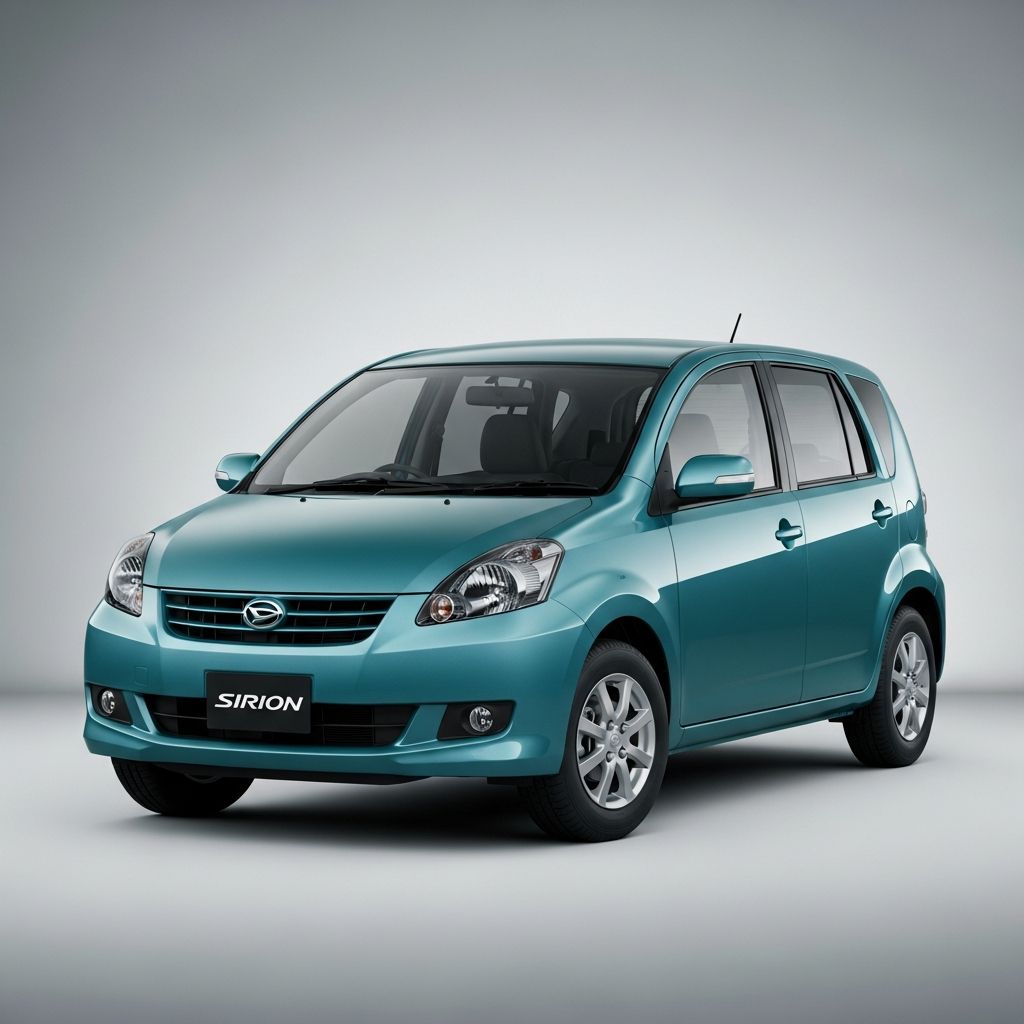
The Daihatsu Sirion stands out in the crowded compact car market as a vehicle that punches above its weight. Produced primarily between 2005 and 2010, this small hatchback from the Japanese manufacturer Daihatsu delivers surprising interior roominess, commendable fuel efficiency, and nimble handling suited for city streets and beyond. Despite Daihatsu’s exit from many markets, the Sirion endures as a reliable used option for those prioritizing value over luxury.
Design and Dimensions: Bigger on the Inside
At first glance, the Sirion’s exterior dimensions suggest a typical city runabout, measuring around 3.6 meters in length. However, its clever packaging creates an unexpectedly spacious cabin. Rear passengers benefit from ample legroom and headroom, making it suitable for families or those needing to transport adults comfortably. The high seating position enhances visibility, a boon in urban traffic.
Boot space is practical at approximately 250 liters with seats up, expanding significantly when folded. This versatility appeals to shoppers needing a do-it-all compact without upsizing to a larger model. The upright stance and simple lines give it a no-nonsense appeal, though some critics note the dated styling compared to contemporaries like the Ford Fiesta.
Powertrains: Efficient Engines for Everyday Use
The Sirion lineup featured two main petrol engines: a 1.0-liter three-cylinder unit producing around 68 horsepower and a punchier 1.3-liter four-cylinder offering 86-94 horsepower depending on the market and tune. The smaller engine prioritizes economy, achieving real-world figures of 45-52 mpg, ideal for high-mileage commuters.
The 1.3-liter variant adds usable mid-range torque for effortless overtaking, with reviewers praising its eagerness despite modest peak power. Transmission choices included a five-speed manual, standard and precise, or a four-speed automatic that shifts smoothly for relaxed driving. Both pair well with the lightweight chassis, ensuring responsive acceleration in town.
| Engine | Power | 0-60 mph | Fuel Economy (mpg) |
|---|---|---|---|
| 1.0L Petrol | 68 hp | ~13s | 45-50 |
| 1.3L Petrol | 86-94 hp | ~11s | 43-48 |
These figures, drawn from owner reports and tests, highlight the Sirion’s thriftiness amid rising fuel costs.
Driving Dynamics: Fun in the City, Capable on Roads
Behind the wheel, the Sirion shines in urban environments. Its compact footprint and tight turning circle navigate parking and narrow streets with ease. Steering is direct and weighted nicely, providing confidence during maneuvers.
On faster roads, the suspension setup delivers composed handling with decent grip, though body roll is evident in corners. Reviewers describe it as entertaining rather than sports-car sharp, rewarding enthusiastic drivers with its playful nature. Highway stability improves at speed, but crosswinds and tire limitations can challenge directional control without optional ABS.
Ride quality draws mixed feedback: firm over bumps for agile responses, yet harsh on poor surfaces, transmitting noise and vibrations into the cabin. For short trips, it’s forgiving; longer journeys reveal seat discomfort and wind/road drone.
Interior Quality and Features: Practical but Basic
Cabin materials lean functional, with hard plastics dominating but holding up well over time. Build quality impresses for the era, contributing to the model’s reputation for durability. Standard equipment on base models includes air conditioning, electric windows, remote locking, and multiple airbags, with higher trims adding alloys and sensors.
- Spacious front and rear seating with good visibility
- Six cup holders and practical storage
- Height-adjustable steering and driver vanity mirror
- Child seat anchors and rear door locks
While not plush, the layout prioritizes usability, with a simple dashboard layout minimizing distractions.
Safety Considerations: Adequate for Its Time
Safety features vary by spec: twin front airbags are standard, with side bags optional. ABS and electronic brake distribution require the premium pack, a notable omission on base cars given skinny tires’ emergency stopping limits. Euro NCAP results for similar models show moderate protection, emphasizing the need for well-maintained examples.
Force-limiting belts and adjustable head restraints add to passive safety. Owners report strong crash durability, aligning with Daihatsu’s engineering focus. Modern buyers should prioritize ABS-equipped units for added confidence.
Reliability and Ownership Costs: A Budget Winner
Daihatsu’s kei-car heritage translates to bulletproof mechanics. Common praises include low failure rates, with engines and gearboxes enduring high mileage. Oil consumption appears in some 1.3s, but it’s manageable. Fuel leaks, like filler pipe issues, are rare fixes.
Insurance groups are low (typically 3-5), servicing is affordable due to simple design, and parts availability remains decent via specialists despite brand withdrawal. Used prices start under £2,000, offering strong value against rivals.
Expect 40,000-100,000 miles on low-spec examples; higher-mileage cars demand service history checks for timing belts and suspension bushes.
Pros and Cons at a Glance
| Pros | Cons |
|---|---|
| Exceptional space for size | Firm ride on rough roads |
| Excellent fuel economy | Basic interior materials |
| Fun, agile handling | Optional safety tech |
| Low running costs | Noisy at speed |
| Reliable long-term | Dated dynamics vs rivals |
Market Position and Buying Advice
In today’s used market, the Sirion competes with Toyota Aygo, Kia Picanto, and older Fiestas. It excels where space and economy matter most, suiting urban dwellers or first-time owners. Avoid rusty examples or those lacking service records; test for suspension noise and brake feel.
Higher-spec SE models with alloys and sensors represent best value. Post-purchase, regular oil checks and belt changes ensure longevity.
Frequently Asked Questions (FAQs)
Is the Daihatsu Sirion reliable?
Yes, owners report excellent durability, with many exceeding 100,000 miles trouble-free.
How fuel-efficient is it?
Real-world economy hits 43-52 mpg, among the best in class.
What’s the interior like?
Surprisingly roomy with good visibility, though materials feel basic.
Is it safe?
Adequate with airbags standard; opt for ABS versions.
Good for families?
Yes, rear space accommodates child seats and adults comfortably.
Long-Term Ownership Insights
Owners cherish the Sirion’s low costs and character. One logged 1,500 miles noting merry mile-munching despite minor oil use. Rally variants prove its spirited side. Video reviews echo fun factor. While not flawless, it delivers honest motoring.
For budget buyers, the Sirion’s blend of practicality, efficiency, and joy makes it a hidden gem. Test drive one to experience its charms firsthand.
References
- Video: Daihatsu Sirion Review — HubNut. 2013-12-08. https://hubnut.org/2013/12/08/video-daihatsu-sirion-review/
- 2003 Daihatsu Sirion Reviews — Carsurvey.org. N/A. http://www.carsurvey.org/reviews/daihatsu/sirion/2003/
- Daihatsu Sirion 1.5 Sports Review — OneShift. N/A. https://www.oneshift.com/articles/car-reviews/daihatsu-sirion-15-sports-review-sirion-steak/
- Daihatsu Sirion (2005-2010) used car review — RAC Drive. N/A. https://www.rac.co.uk/drive/car-reviews/daihatsu/sirion/sirion-2005-2010/
- Daihatsu Sirion: 1500-mile review — HubNut. 2013-11-10. https://hubnut.org/2013/11/10/daihatsu-sirion-1500-mile-review/
- Daihatsu Sirion 2005 Review — carsales.com.au. N/A. https://www.carsales.com.au/editorial/details/daihatsu-sirion-2005-3246/
- Long Term Owners Review of the Daihatsu Sirion Rally 2 — YouTube (BEARDS ‘n CARS). N/A. https://www.youtube.com/watch?v=6OiJD6eepTw
- Daihatsu Sirion – Used Car Review — Eurekar. 2017-12-12. https://www.eurekar.co.uk/articles/2017-12-12/daihatsu-sirion—used-car-review
Similar Articles




Read full bio of medha deb