Compact Three-Door Hatchback Performance Review
Discover how modern compact three-door vehicles balance style with practicality
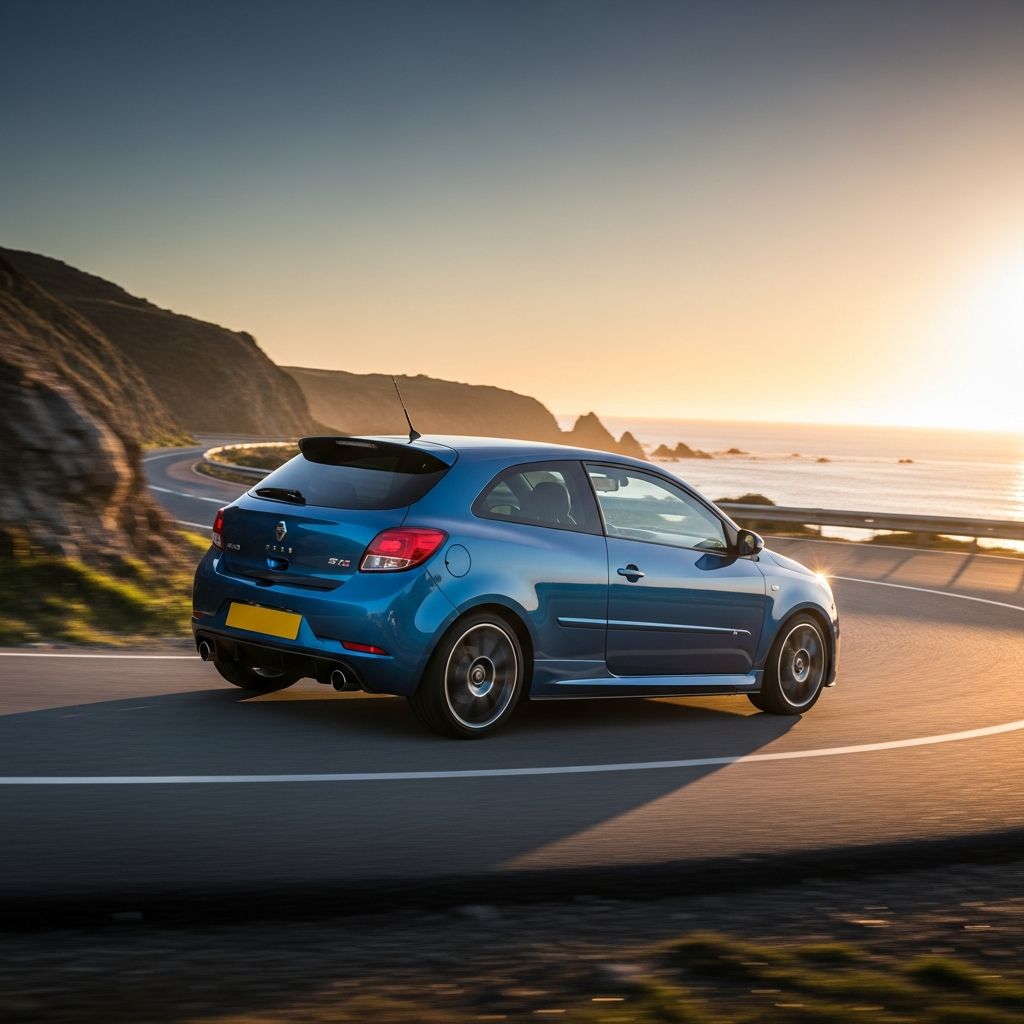
The three-door hatchback represents a distinct segment within the compact car market, offering a compelling alternative to conventional five-door configurations. These vehicles combine distinctive visual appeal with functional design, creating an option that appeals to drivers seeking something beyond the mainstream. This comprehensive examination explores the multifaceted nature of modern three-door hatchbacks, evaluating their strengths, limitations, and overall value proposition for discerning buyers.
Visual Identity and Design Philosophy
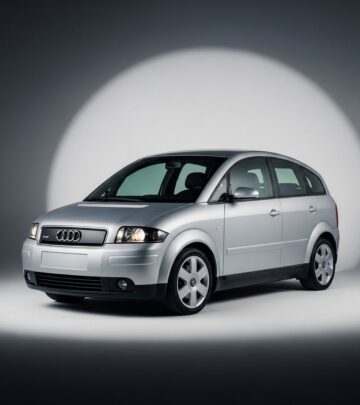
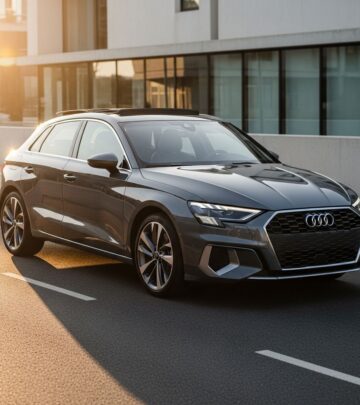
Three-door hatchbacks possess an inherent character that extends beyond mere door count. The streamlined silhouette creates a sense of dynamic motion even when stationary, with the reduced rear passenger access actually contributing to more cohesive exterior proportions. Contemporary design language emphasizes flowing lines and purposeful contours that differentiate three-door models from their five-door counterparts.
The fastback configuration popular in modern three-door designs represents a significant evolution, featuring integrated rear deck lines that flow seamlessly from the roofline to the tailgate. This aesthetic approach enhances the vehicle’s perceived sportiness while maintaining functional design principles. Manufacturers have invested considerable effort in ensuring the three-door variant possesses distinct personality rather than appearing as a diluted version of the five-door model.
Exterior dimensions on three-door platforms typically feature shortened rear doors or elimination of rear doors entirely, which contributes to improved structural rigidity in certain applications. The visual result is a more compact, purposeful appearance that appeals to buyers prioritizing individuality over maximum passenger accommodation.
Interior Environment and User Experience
Despite the three-door configuration, modern compact hatchbacks maintain surprisingly spacious interiors through intelligent design optimization. The cabin architecture emphasizes efficiency and functionality, with controls logically organized to minimize driver distraction and enhance usability during varied driving conditions.
Front seat accommodation represents a particular strength, offering comfortable long-term seating with adequate lateral support for highway driving and spirited cornering. Modern implementations feature improved ergonomic design, with steering wheels adjustable through multiple dimensions and infotainment interfaces positioned for intuitive access. Premium materials such as leather-appointed steering wheels and quality trim finishes elevate perceived cabin quality.
The rear seating area presents the primary practical consideration for three-door vehicles. Reduced headroom in the second row can challenge taller passengers, particularly in fastback configurations where roof lines descend more steeply toward the rear. This factor becomes significant for buyers regularly transporting adult passengers or families with adolescent children.
Storage and Cargo Capacity
Three-door hatchbacks typically offer substantial boot space for their class, often accommodating multiple large suitcases or equivalent cargo volume. The accessible cargo area and flexibility of rear seating configurations enable reasonable versatility for weekend trips or moderate volume requirements. The practical hatchback design facilitates loading bulkier items compared to traditional sedans of similar footprint.
Interior storage solutions include optimized door pockets and center console arrangements, with some models featuring innovative solutions to maximize usable volume. Climate control effectiveness throughout the cabin generally remains consistent, though rear ventilation options may vary depending on specification level.
Engine Performance and Powertrain Options
Entry-level three-door hatchbacks typically employ smaller-displacement petrol engines designed for efficiency and everyday usability rather than outright performance. These naturally-aspirated units operate quietly during normal driving conditions, with transmission options including traditional manual gearboxes or automatic variants offering reduced driver workload.
Mid-range powertrain selections often incorporate turbocharging technology, enabling manufacturers to deliver enhanced responsiveness and highway performance while maintaining acceptable fuel consumption. These units demonstrate noticeable improvement in straight-line acceleration compared to base engines, with modern turbo systems minimizing traditional lag characteristics through advanced engineering.
The turbocharged configurations paired with sophisticated automatic transmissions represent the performance optimum for mainstream three-door hatchbacks. Eight-speed dual-clutch automatics execute rapid gear changes that feel energetic yet smooth during urban driving, while delivering frenetic shift patterns during spirited driving. These powertrains excel at highway cruising, where mechanical refinement becomes evident through reduced vibration and noise transmission into the cabin.
Acceleration and Speed Capabilities
Standard configurations achieve zero-to-sixty acceleration in the nine-to-ten second range, adequate for safe highway merging and normal traffic situations. Turbocharged variants reduce this figure meaningfully, delivering noticeably stronger thrust with minimal hesitation following throttle application. The relationship between engine responsiveness and transmission smoothness creates a compelling driving experience across varied velocity ranges.
Maximum velocity remains well-suited to legal speed limits in most jurisdictions, with modern aerodynamics minimizing wind noise at sustained high speeds. Low-end torque characteristics enable effective low-speed maneuvering in urban environments without requiring aggressive throttle inputs.
Driving Dynamics and Handling Characteristics
Three-door hatchbacks deliver balanced handling characteristics suitable for mixed driving environments. The steering presents light and responsive qualities, facilitating easy maneuvering through congested urban areas and parking situations. The turning circle enables relatively tight reversing maneuvers, benefiting drivers operating in space-constrained environments.
Suspension tuning emphasizes comfort over sportiness in standard configurations, with the chassis absorbing road surface irregularities effectively during gentle driving. The ride quality becomes particularly evident on well-maintained road surfaces, where mechanical refinement creates a hushed, serene environment conducive to highway cruising and longer journeys.
Performance Trim Variations
Enhanced performance versions introduce wider front tracks and firmer suspension calibrations designed to maximize grip and stability during dynamic driving. These modifications enable improved roadholding through corners, with the wider stance contributing to flatter body roll characteristics. However, the increased stiffness introduces trade-offs regarding low-speed ride comfort, with the suspension becoming more responsive to minor road surface variations.
The handling balance creates genuine enjoyment for enthusiast drivers enjoying twisty roads, though the overall dynamic character remains restrained compared to dedicated sports cars. The accuracy of steering response and progressive power delivery create satisfying engagement without requiring exceptional driving skills to exploit effectively.
Noise and Vibration Characteristics
The compact dimensions of three-door platforms can present unique acoustic challenges, particularly at motorway speeds where wind and tire noise transmission becomes pronounced. Modern soundproofing materials help mitigate these effects, though the smaller overall package means less mass available for inherent sound insulation compared to larger vehicles.
Diesel powertrain options, when available, demonstrate smooth idle characteristics and responsive performance, though they may exhibit greater vibration transmission than contemporary petrol alternatives. The acoustic environment improves noticeably as vehicle speed increases beyond typical urban thresholds, where aerodynamic stability reduces wind noise and suspension compliance limits road noise intrusion.
Practical Considerations and Trade-offs
The three-door configuration introduces specific practical considerations beyond traditional advantages and disadvantages. Rear passenger ingress requires navigating past front seat backs, which can prove awkward when occupants recline comfortably during idle periods. The reduced door swing arc benefits parking in confined spaces, yet the more acute access angle can challenge elderly or mobility-impaired passengers.
Visibility from the driver’s position benefits from relatively compact rear overhangs, while the reduced rear window area may increase blind spots in certain maneuvers. Modern assist systems help mitigate these concerns through camera integration and proximity sensing, though drivers accustomed to five-door configurations may require brief adjustment periods.
Fuel Efficiency and Running Costs
Modern three-door hatchbacks deliver competitive fuel economy across their specified powertrains, with efficiency improvements from turbocharging and transmission optimization offsetting the performance enhancements. Insurance groupings typically align with equivalent five-door models, though some insurers may apply minor adjustments reflecting reduced rear passenger accommodation.
Maintenance requirements follow established patterns for their powertrain types, with service intervals and component replacement costs remaining consistent with industry standards. Tire wear rates vary with driving style and suspension tuning, with performance variants demonstrating accelerated degradation during spirited driving.
Interior Ambiance and Material Quality
Contemporary cabin designs emphasize visual cohesion and material consistency, with multiple trim options available to suit individual preferences. Modern implementations feature touchscreen infotainment displays offering smartphone integration and intuitive interfaces for media, navigation, and vehicle settings management.
The dashboard architecture employs sweeping lines and layered surfaces that create visual depth and sophistication. Digital instrument clusters replace traditional analogue gauges in many current offerings, providing customizable information displays adaptable to driving conditions and personal preferences.
Material choices significantly impact perceived interior quality, with leather-accented surfaces and soft-touch plastics elevating ambiance compared to hard plastic alternatives. Color selections range from neutral tones to darker charcoals, with implications for perceived spaciousness and cabin brightness. Light-colored interior appointments enhance perceived airiness, while darker schemes project sophistication but may appear less uplifting during prolonged occupancy.
Comparative Value Assessment
Three-door hatchbacks occupy an interesting market position, offering distinctive styling that commands modest premium pricing relative to five-door equivalents. This pricing reflects reduced rear passenger space rather than performance or quality improvements, making value calculation dependent on individual usage patterns and priorities.
For drivers prioritizing visual distinction and primarily transporting one or two occupants, the three-door configuration delivers excellent value through differentiated styling and practical functionality. Buyers regularly carrying adult passengers or requiring maximum interior flexibility may find five-door platforms more economically justified despite higher initial purchase prices.
Suitability Analysis Across Driving Scenarios
Urban Driving: Three-door hatchbacks excel in congested city environments, with compact dimensions, responsive steering, and comfortable seating for daily commuting. The reduced door swing proves beneficial in tight parking spaces, while adequate cargo capacity accommodates shopping and personal items.
Highway Cruising: Extended motorway journeys benefit from comfortable front seating and modern infotainment systems, though rear passenger accommodation limitations restrict their effectiveness as family vehicles. Wind and tire noise at sustained high speeds represents the primary concern, mitigated through modern soundproofing.
Weekend Adventures: Reasonable boot space and efficient powertrains enable weekend getaways for couples or small groups, with comfortable driving dynamics reducing fatigue during longer journeys. Road trip capability extends to multi-day excursions with careful luggage planning.
Performance Enthusiasts: Turbocharged variants with performance tuning deliver satisfying engagement for drivers seeking affordable driving enjoyment, though they cannot match dedicated sports cars in ultimate capability. The balanced chassis enables confident cornering and progressive throttle response rewards smooth driving techniques.
Frequently Asked Questions
Are three-door hatchbacks practical for family transportation?
Three-door configurations work adequately for small families with young children, where rear seating requirement remains occasional rather than primary. The reduced headroom becomes problematic with older children or regular adult passenger transport.
How does three-door performance compare to five-door equivalents?
Performance characteristics remain essentially identical, with powertrain and suspension specifications determining driving dynamics rather than door count. Visual styling represents the primary distinction.
Do three-door vehicles cost significantly less than five-door models?
Pricing typically aligns closely with five-door counterparts, reflecting design distinctiveness rather than reduced manufacturing complexity. Initial cost savings remain minimal, though resale value implications vary by market demand.
What is the typical boot space capacity?
Most contemporary three-door hatchbacks accommodate approximately 395 liters with rear seats raised, adequate for multiple large suitcases or equivalent cargo volume. Folding rear seats extends capacity for larger items.
Conclusion and Final Assessment
Three-door hatchbacks represent a carefully balanced proposition for buyers prioritizing distinctive styling and practical functionality for primarily single or dual occupancy use. Modern implementations deliver surprising versatility within their compact dimensions, with turbocharged powertrains and sophisticated transmissions providing engaging driving experiences. The primary trade-off involves rear passenger accommodation, making these vehicles most suitable for buyers whose transportation needs don’t regularly include multiple adult passengers or families requiring maximum interior flexibility.
References
- 2023 Hyundai i30 review: Hatch & Sedan ranges detailed — WhichCar. 2023. https://www.whichcar.com.au/reviews/hyundai-i30-review
- Hyundai i30 Review 2026 | Price, Boot Space & Interior — Carwow. 2026. https://www.carwow.co.uk/hyundai/i30
- Hyundai i30 review and buyer’s guide — Auto Expert John Cadogan. 2024. https://autoexpert.com.au/posts/hyundai-i30
- Hyundai i30 3dr review — Auto Express. 2020. https://www.autoexpress.co.uk/hyundai/i30/61933/hyundai-i30-3dr
- Hyundai i30 Review | Vanarama — Vanarama. 2025. https://www.vanarama.com/guides/cars/hyundai-i30-review
- Hyundai i30N Review 2026 — Top Gear. 2026. https://www.topgear.com/car-reviews/hyundai/i30n
Similar Articles




Read full bio of Sneha Tete