Compact Family Cars Showdown: 500L Performance Review
Discover how the Italian-styled 500L stacks against its key competitors in the family car market.
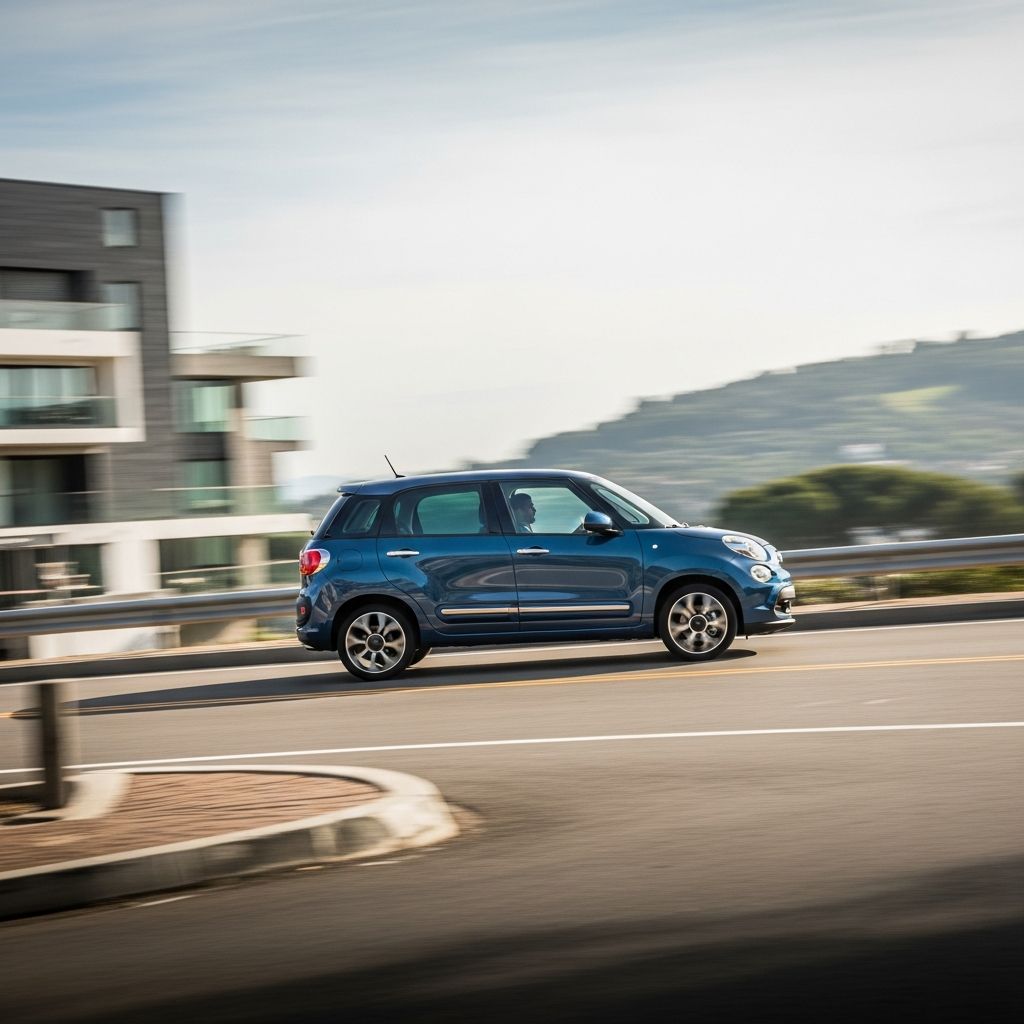
The automotive market has witnessed a significant shift in how manufacturers approach the family car segment. What was once dominated by purely practical, box-shaped designs has evolved into a category where style and substance coexist. The Fiat 500L represents this transformation perfectly—taking the celebrated retro design language of its smaller sibling and expanding it into a genuinely spacious family vehicle. This evolution raises an important question: does styling and heritage matter when shopping for a practical family transport solution, or should buyers prioritize conventional functionality and proven reliability?
The Rise of Styled Family Vehicles
For decades, families shopping for practical vehicles had limited choices. They could opt for conventional minivans that prioritized cargo space above all else, or they could choose traditional crossovers built on functional, utilitarian platforms. The market lacked vehicles that combined genuine family-friendly practicality with distinctive character and personalization options. Manufacturers recognized this gap and began developing models that could deliver both attributes.
The Fiat 500L emerged as a bold statement in this evolving landscape. Rather than creating an entirely new platform, Fiat leveraged the enormous goodwill and design success of its iconic 500 city car, reimagining that trusted formula at a larger scale. The result is a vehicle that maintains the Italian charm and customization appeal of the original while addressing the real-world needs of growing families who need extra space without sacrificing personality.
This approach contrasts sharply with how other manufacturers have tackled the compact family car segment. Some competitors prioritized the crossover aesthetic with rugged styling elements, while others focused on maximizing interior volume through uninspired boxy designs. The 500L’s approach—maintaining design continuity while dramatically increasing practicality—proved appealing to buyers tired of conventional family vehicle anonymity.
Comparative Analysis: Core Competitors
To properly evaluate the 500L’s position in the market, examining its primary rivals provides valuable context. The MINI Countryman and Nissan Qashqai represent two distinct philosophies within the compact family vehicle category, each with different strengths and target audiences.
The MINI Countryman Approach
The MINI Countryman follows a similar philosophy to the 500L—taking a beloved small car’s design language and scaling it upward. The MINI brand has cultivated extraordinary brand loyalty through decades of distinctive styling and engaging driving dynamics. When MINI introduced the Countryman, they understood that customers wanted to preserve that brand character while accommodating family requirements.
The Countryman achieves this through careful attention to proportions and styling details that echo the original MINI Cooper while providing substantially more interior space. It maintains the brand’s reputation for entertaining driving characteristics, with responsive steering and balanced chassis dynamics that make longer journeys genuinely enjoyable rather than merely functional.
The Nissan Qashqai Philosophy
The Nissan Qashqai represents a different evolutionary path. Rather than expanding an existing small car platform, Nissan created the crossover category by combining SUV styling with sedan-based practicality. The Qashqai pioneered the notion that families wanted elevated seating positions and rugged design elements without committing to full-size SUVs or sacrificing fuel economy.
This approach proved enormously successful commercially, establishing a template that countless manufacturers subsequently copied. However, the Qashqai’s design philosophy emphasizes functional simplicity and proven reliability over distinctive personality or styling flourishes.
Interior Space and Practical Versatility
One of the most significant differentiators between these three vehicles lies in how they utilize available interior space. The 500L demonstrates genuine commitment to maximizing practical functionality despite its modest exterior dimensions.
The 500L’s interior architecture includes flexible seating arrangements that adapt to different family needs throughout the vehicle’s ownership period. During the school run years, it provides comfortable accommodation for multiple children with thoughtful storage solutions integrated throughout. As family circumstances change, the flexible interior easily adapts to different configurations. The high roofline creates genuine headroom without requiring the ungainly proportions of traditional minivans.
The panoramic glass roof featured in higher trim levels serves multiple purposes—it genuinely enhances the sense of interior spaciousness while creating an airy, pleasant driving environment for all passengers. This attention to subjective experience matters as much as raw cubic footage when families evaluate long-term satisfaction.
The MINI Countryman, while roomier than the standard MINI Cooper, makes practical compromises to maintain its design coherence. The Qashqai prioritizes interior volume efficiency, with a straightforward interior layout that maximizes seating and cargo capacity through conventional means.
Powertrain Efficiency and Performance Characteristics
All three competitors in this segment typically utilize efficient 1.6-liter diesel engines, representing the contemporary balance between performance, economy, and environmental consideration that manufacturers pursued in the early 2010s. These engines delivered adequate power for family transportation while achieving respectable fuel efficiency.
The 500L’s engine demonstrates adequate performance for family duties, though driving enthusiasts might occasionally feel the power delivery could be more linear and responsive. The MINI Countryman’s version of similar displacement delivers more entertaining performance characteristics, reflecting MINI’s engineering philosophy prioritizing driving engagement.
The Nissan Qashqai’s engine provides straightforward, unfussy power delivery without particular personality. It accomplishes what owners need without encouraging spirited driving or rewarding attentive throttle technique.
Equipment Levels and Standard Features
The 500L Lounge trim level, typically used for comparison testing, arrives comprehensively equipped with features that would often appear only in higher trim levels on competing vehicles. This generous standard equipment approach makes the 500L appear more luxurious and feature-rich than its price point might suggest.
Standard equipment includes touchscreen infotainment systems with Bluetooth connectivity, automatic climate control, and quality interior materials like soft suede dashboard panels. These features deliver a subjective sense of quality and care in the driving experience that goes beyond functional necessity.
The MINI Countryman similarly emphasizes quality interior appointments and modern technology integration as standard features, reinforcing its premium brand positioning. The Nissan Qashqai, reflecting its more utilitarian market positioning, typically offers fewer standard items in base trim levels, with many convenience features requiring upgrade selection.
Aesthetic Differentiation and Personalization
The 500L inherits the 500 city car’s sophisticated approach to personalization and color customization. Buyers can select from an extensive palette of exterior colors and interior trim combinations, allowing genuine expression of individual taste. This customization philosophy extends to interior materials, upholstery patterns, and accent colors.
This approach to personalization recognizes that vehicle ownership involves emotional investment, not merely transportation utility. By enabling buyers to create genuinely distinctive vehicles that reflect personal style, Fiat creates stronger ownership satisfaction and brand loyalty.
The MINI Countryman similarly emphasizes personalization options, reflecting that brand’s design heritage and customer expectations. The Nissan Qashqai offers more conventional trim level-based differentiation with less emphasis on individualistic customization.
Long-term Ownership Considerations
For families making significant financial commitments through vehicle purchases, total cost of ownership extends far beyond the initial purchase price. Service costs, maintenance requirements, residual values, and reliability records all influence genuine long-term satisfaction.
The MINI brand has established excellent residual value expectations within the premium compact segment, reflecting strong market demand and brand prestige. MINI’s organized dealer networks and established service infrastructure provide confidence regarding future maintenance accessibility and costs.
Fiat and Nissan typically experience steeper depreciation curves, meaning buyers investing in these vehicles face greater financial loss during the ownership period. This consideration matters substantially for families considering purchase timing and potential future resale scenarios.
Service accessibility varies by geographic location, though both Fiat and Nissan maintain established dealer networks in most markets. The MINI network generally offers more boutique service experiences, reflecting that brand’s positioning, though potentially at higher per-service costs.
Driving Dynamics and Engagement
Beyond practical functionality, how vehicles behave on actual roads influences daily satisfaction significantly. The 500L delivers responsive steering that maintains the engaging characteristics of its smaller sibling despite increased size and weight. This steering responsiveness encourages drivers to engage more actively with the driving experience, making commutes and family journeys genuinely enjoyable.
The MINI Countryman similarly emphasizes engaging driving characteristics, with chassis tuning prioritizing driver feedback and responsive handling. The MINI engineering philosophy consistently pursues entertaining dynamics, even in larger vehicle iterations.
The Nissan Qashqai adopts a more neutral stance toward driving engagement, prioritizing comfort and stability over feedback and responsiveness. Buyers specifically seeking conventional, predictable handling characteristics appreciate this approach, though it doesn’t encourage spirited driving.
Fuel Economy Performance
Diesel engines deliver superior fuel economy compared to conventional gasoline powerplants, making diesel specification particularly attractive for families facing high annual mileage. Combined fuel consumption figures typically demonstrate relatively modest differences between these three vehicles, all utilizing similar displacement engines.
The MINI Countryman’s more resolved aerodynamics and lighter weight compared to the 500L contribute to marginally superior fuel economy figures. The Nissan Qashqai’s efficient design also delivers respectable economy, though not substantially different from competitors.
Real-world fuel consumption varies based on individual driving patterns, maintenance conditions, and specific driving contexts. Families making long-distance journeys typically experience better economy figures than urban-focused drivers with frequent stop-and-start driving patterns.
Safety and Modern Technology
Contemporary family vehicles increasingly incorporate advanced safety technologies, driver assistance systems, and connectivity features that influence daily usability and genuine safety performance. The 500L’s Lounge trim level includes modern safety architecture and connectivity options expected in this market segment.
Touchscreen infotainment systems with Bluetooth integration enable smartphone connectivity and hands-free communication, supporting safer operation during driving. Modern vehicles increasingly incorporate rearview cameras, stability control systems, and collision warning technologies that genuinely improve real-world safety outcomes.
All three competitors typically offer comparable safety technology packages within similar price ranges, with differentiation occurring through execution quality and user interface intuitiveness rather than feature availability.
Market Positioning and Target Audiences
These three vehicles appeal to distinctly different buyer demographics despite occupying overlapping market segments. The 500L attracts buyers prioritizing distinctive style, personalization options, and youthful design language while requiring practical family accommodation.
MINI Countryman buyers typically value premium brand positioning, engaging driving characteristics, and established design heritage. These buyers often view vehicles as personal statements reflecting their lifestyle choices and aesthetic preferences.
Nissan Qashqai customers generally prioritize straightforward practicality, proven reliability, and conventional design approaches. These buyers view vehicles primarily as functional tools rather than sources of emotional engagement or brand expression.
Making the Right Choice for Your Family
Evaluating these three vehicles requires honest assessment of what genuinely matters in your specific situation. Families valuing distinctive style, interior flexibility, and equipment abundance should seriously consider the 500L’s proposition. Its comprehensive standard equipment and personalization options deliver excellent perceived value despite moderate depreciation expectations.
Buyers prioritizing driving engagement, premium positioning, and superior residual values should evaluate the MINI Countryman despite its slightly higher price point. The MINI’s engineering quality and brand prestige justify the investment for buyers maintaining vehicles longer-term.
Families seeking uncomplicated, straightforward practicality and conventional reliability should consider the Nissan Qashqai. Its sensible approach to family transportation appeals to pragmatic buyers less concerned with design personality or brand positioning.
FAQ Section
Which vehicle offers the most interior space for families?
The Fiat 500L delivers the most flexible and generous interior accommodation, with superior headroom and adaptable seating configurations. The panoramic roof further enhances the perception of spaciousness compared to competitors.
What are the long-term ownership costs for each vehicle?
The MINI Countryman typically maintains better residual values, though service costs may exceed those for Fiat or Nissan. Fiat and Nissan experience steeper depreciation but generally offer lower service costs through broader dealer networks.
Which vehicle provides the most engaging driving experience?
Both the 500L and MINI Countryman emphasize entertaining driving characteristics, with the MINI slightly outperforming through its engineering heritage. The Nissan Qashqai prioritizes stability and predictability over dynamic engagement.
Are these vehicles suitable for long-distance family journeys?
All three vehicles handle extended travel reasonably well, though the 500L’s roomier interior and flexible seating arrangements make it particularly suitable for longer family trips with multiple children.
What customization and personalization options exist?
The 500L and MINI Countryman both emphasize extensive personalization through color selection, interior trim choices, and accent options. The Nissan Qashqai offers more conventional trim-level differentiation with limited personalization options.
References
- Fiat 500L vs rivals — Auto Express. 2013-04-10. https://www.autoexpress.co.uk/fiat/500/63430/fiat-500l-vs-rivals
- 2014 Fiat 500L Lounge vs. 2014 Kia Soul: Odd Boxes — Car and Driver. 2014-05-15. https://www.caranddriver.com/reviews/comparison-test/a14504745/2014-fiat-500l-vs-2014-kia-soul-comparison-test/
- Fiat 500L vs Fiat 500X: Which is better? — CarGurus UK. https://www.cargurus.co.uk/Cars/articles/fiat-500l-vs-fiat-500x-comparison
Similar Articles




Read full bio of Sneha Tete