Citroen Xsara: 5 Used Models, Specs And Buying Tips
Discover the Citroen Xsara's blend of French flair, practicality, and value in the compact car segment from the late 1990s and early 2000s.
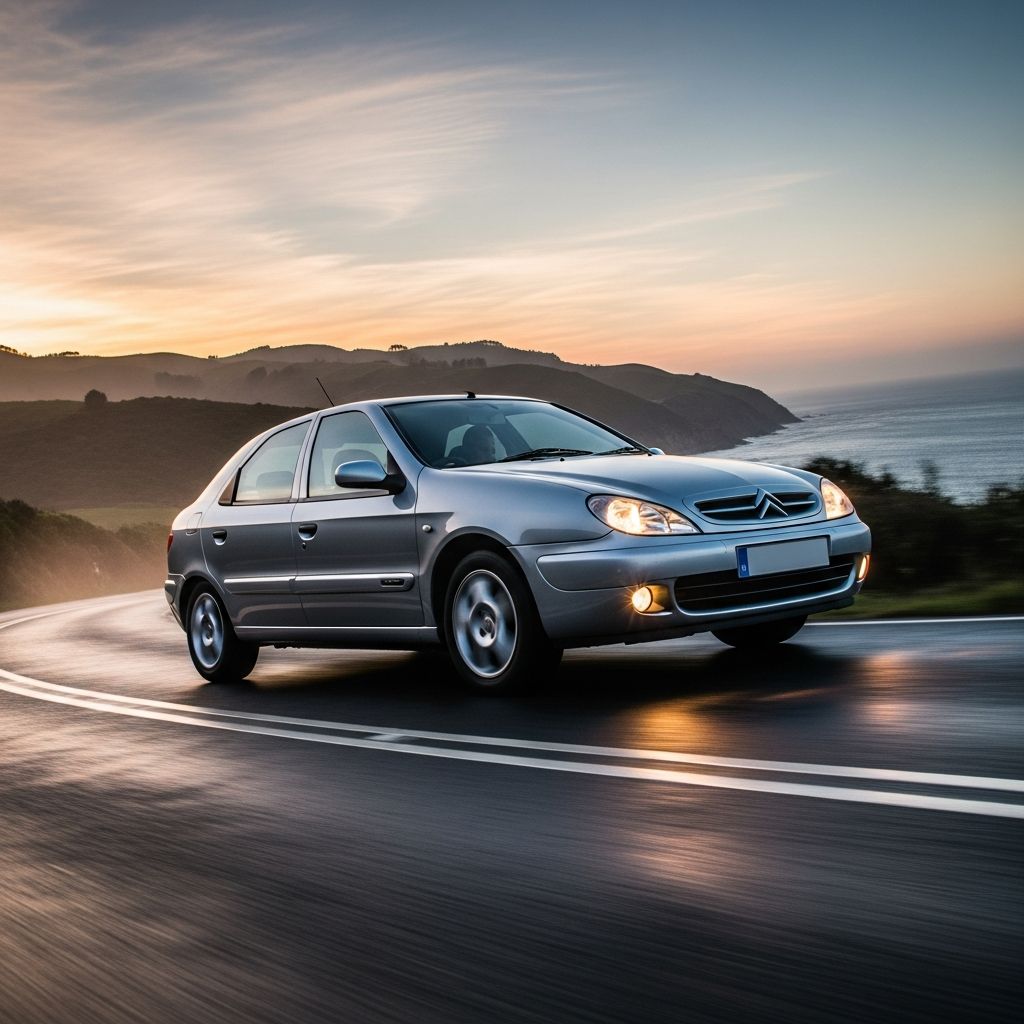
The Citroen Xsara, produced from 1997 to 2006, stands out as a versatile compact car that bridged everyday practicality with touches of French engineering innovation. Available in hatchback, coupe, estate, and Picasso MPV variants, it offered competitive pricing and class-leading interior space, making it a smart pick for budget buyers today.
Origins and Model Evolution
Launched in 1997, the Xsara replaced the Citroen ZX and shared underpinnings with the Peugeot 306, featuring a sophisticated hydropneumatic suspension in higher trims for superior ride comfort. Early models (1997-2000) emphasized value, with ABS becoming standard by 1998. A 2000 facelift introduced updated styling, more prominent Chevron badges, and refined engines, boosting appeal in competitive markets.
The lineup evolved to include sporty VTS and VTR variants, positioning the Xsara between youthful models like the Saxo and larger Xantia. Production ended in 2006, but its reputation for spaciousness endures among used car enthusiasts.
Engine Lineup and Performance Breakdown
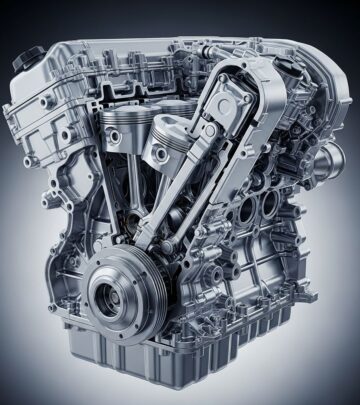
Citroen equipped the Xsara with a range of petrol and diesel engines suited to varied driving needs. Entry-level 1.4-litre and 1.6-litre petrol units delivered adequate pep for urban commutes, with the 1.6 producing 83kW and 150Nm from 4000rpm for responsive acceleration.
Higher-output options like the 1.8 16V in SX trims offered smooth power delivery, while the VTS hot hatch packed a 2.0-litre engine with around 128kW, prioritizing handling over outright speed. Diesels, including 1.9D and later HDi units, excelled in fuel efficiency, appealing to high-mileage drivers.
| Engine | Power | Torque | 0-100km/h | Fuel Economy |
|---|---|---|---|---|
| 1.6 Petrol | 83kW | 150Nm | ~11s | 7-8L/100km |
| 1.8 16V Petrol | 88kW | 170Nm | ~10s | 8L/100km |
| 2.0 VTS Petrol | 128kW | 206Nm | ~8s | 9L/100km |
| 1.9D Diesel | 51kW | 196Nm | ~15s | 5-6L/100km |
Note: Figures approximate based on period reviews; real-world varies by model year and condition.
Driving Experience: Handling and Ride Quality
Behind the wheel, the Xsara impressed with its compliant suspension, especially in pre-facelift models using passive rear steering derived from PSA platforms like the ZX. Reviewers noted it felt more dynamic than contemporaries like the Mk4 Golf, with quick steering and balanced chassis for spirited drives.
The VTS variant shone on twisty roads, offering firm yet controlled ride similar to a Ford Puma, though town driving highlighted some boominess from the engine. Standard models prioritized comfort, absorbing bumps effectively for family use, while estates added versatility without compromising agility. Richard Hammond praised its commuter-friendly nature in a 2001 test.
- Strengths: Supple ride, precise gearshift in manuals, stable high-speed cruising.
- Weaknesses: Firm low-speed ride in sport models, some engine noise under load.
Interior Comfort and Practicality Highlights
The Xsara’s cabin was its standout feature, boasting the largest space in its class for hatchbacks, coupes, and estates. Five-door models seated five comfortably with supportive seats, height-adjustable mirrors, and child lock indicators visible from the front. Boot space was generous, expanding further in estates.
Picasso MPV derivatives amplified this with flexible seating for seven, innovative dashboard designs, and ample storage—ideal for families. Fabrics held up well, though some found the greyscale interiors drab. Equipment was generous: air-con, electric windows (higher trims), and digital service indicators as standard late in production.
Safety and Reliability Considerations
Safety progressed with standard ABS from 1998, front airbags, and passenger deactivation for child seats. Three-point belts were mostly fitted, though the rear center lacked in base models. Euro NCAP results were average for the era, but structural integrity held up well.
Reliability is mixed: electrics and hydropneumatics can falter in neglected examples, but well-maintained Xsaras prove durable with low running costs. Common issues include rust on underbodies and suspension bushes; budget $2,000-$5,000 for good specimens.
Ownership Costs and Market Value
Used Xsaras remain affordable, with prices from $2,420 for base models to $4,510 for VTR/VTS. Parts availability is strong via PSA networks, and insurance groups are low (10-15). Fuel economy favors diesels at 5-6L/100km, keeping costs down for commuters.
- Annual servicing: ~$300-500.
- Tyres/brakes: Inexpensive generics fit well.
- Resale: Steady for low-mileage Picassos.
Xsara Variants: Which One Fits You?
Hatchback: Urban practicality king with ample space.
Coupe: Stylish two-door for singles, but tighter rear access.
Estate: Load-lugger for families, vast boot.
Picasso: MPV versatility, quirky charm.
VTS: Enthusiast pick for fun factor.


Read full bio of Sneha Tete