Citroen Saxo Used Car Guide: Practical Tips And Buying Advice
Discover the enduring appeal of the Citroen Saxo, a supermini icon blending fun driving dynamics, practicality, and affordability for enthusiasts and first-time buyers.
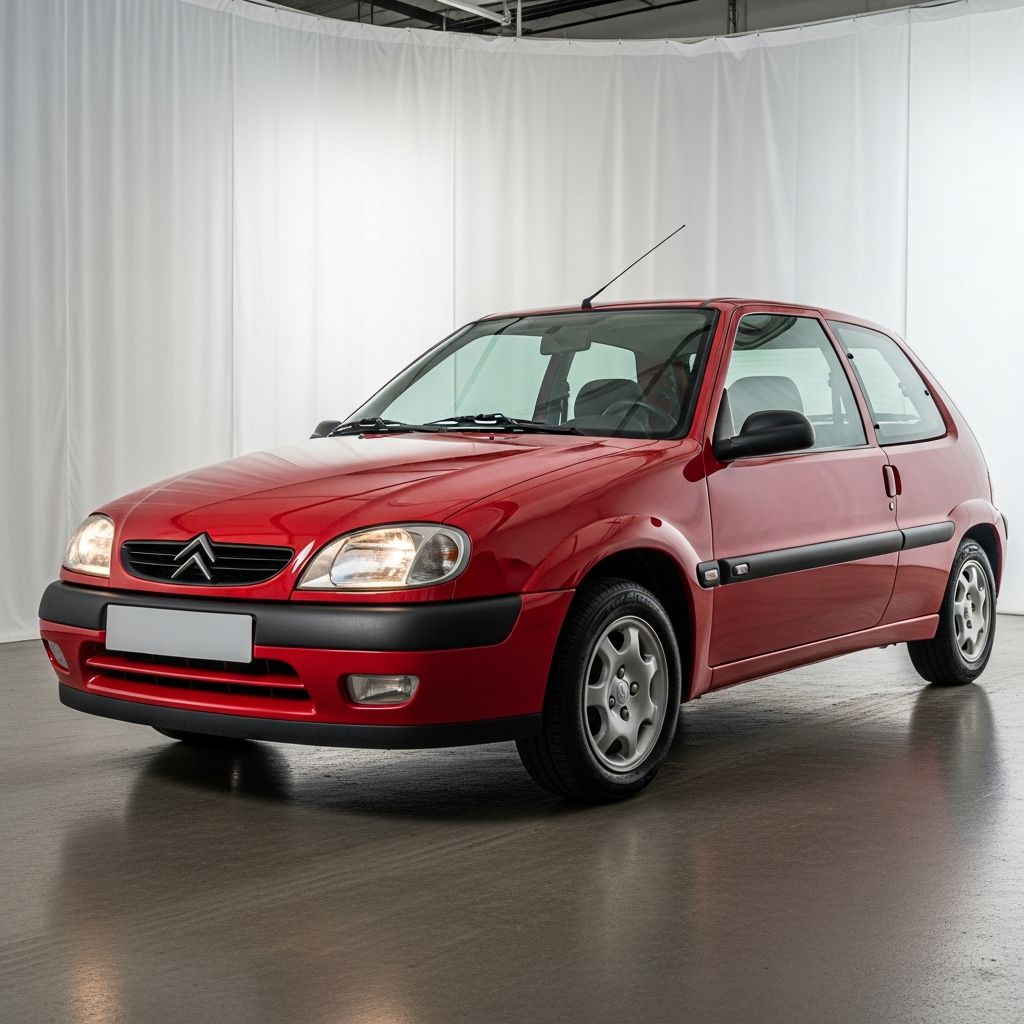
The Citroen Saxo, produced from 1996 to 2003, stands out as a compact hatchback that combined everyday usability with spirited driving. Sharing its platform with the Peugeot 106, it offered better equipment levels and a refined feel compared to its predecessor, the AX. This guide delves into its design, performance, practicality, and lasting appeal in the used market.
Origins and Development Background
Launched in the mid-1990s, the Saxo was Citroen’s entry into the fiercely competitive supermini segment. Unlike the quirky designs of earlier models like the AX, the Saxo adopted a more conventional approach, leveraging the proven underpinnings of the Peugeot 106. This collaboration resulted in a car that prioritized reliability and driver engagement over radical innovation.
Available in three- and five-door configurations, it catered to urban drivers seeking affordability and fun. Base models started with a 1.1-liter engine, while sportier versions like the VTR and VTS elevated its status among enthusiasts. Production emphasized solid build quality, with improvements in crash safety including side impact protection and pre-tensioned seatbelts—features rare in small cars of the era.
Design and Build Quality
The Saxo’s exterior featured a boxy yet aerodynamic shape, with a low stance that hinted at its agile nature. Its lightweight construction—thanks to a stiff bodyshell—contributed to responsive handling and impressive refinement for long journeys.
Inside, the cabin drew from higher-end Citroen models like the Xsara, offering familiar switchgear that felt premium. However, some critics noted dated elements, such as the non-adjustable steering wheel and fiddly window switches. Rear space was compromised for a larger boot, a deliberate choice reflecting typical supermini usage patterns.
- Boot capacity: 9.9 cubic feet, surpassing rivals like Ford Fiesta (8.8 cu ft) and VW Polo (8.6 cu ft).
- Safety features: Driver’s airbag, crush zones, and side protection as standard.
- Immobilizer: Transponder key system, ditching the old keypad style.
Build quality marked a step up from the flimsy AX, feeling solid and plush. Yet, long-term owners report rust on sills and underbody as a common foe, especially in wet climates.
Engine Lineup and Performance
The Saxo offered a range of petrol engines, from economical 1.1-liter units to punchy 1.6-liter hot hatches. Base 1.1 SX models provided adequate urban propulsion but felt strained on highways without power steering.
| Model | Engine | Power | 0-60 mph | Top Speed |
|---|---|---|---|---|
| 1.1 SX | 1.1L 8v | 60 hp | ~15s | ~98 mph |
| VTR | 1.6L 8v | 101 hp | ~10.5s | ~118 mph |
| VTS | 1.6L 16v | 120 hp | ~8.4s | ~127 mph |
Note: Figures approximate based on period reviews; real-world varies with condition.
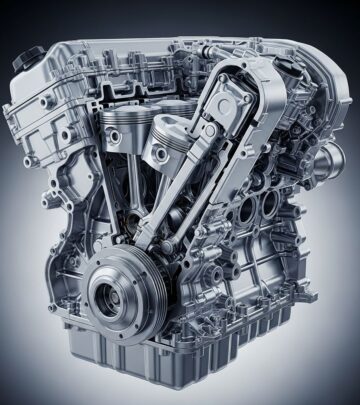
The VTR and VTS shone brightest, delivering explosive acceleration post-3000 rpm. The VTS’s 16-valve TU5J4 engine pulled eagerly, making it a ‘pocket rocket’ for twisty roads. However, low-rev torque was lacking, demanding high revs for best results—and thirsty fuel economy as a trade-off.
Driving Experience and Handling
Fun factor defined the Saxo. Its nimble chassis, shared with the Peugeot 106, offered sharp steering feel—especially in non-power-assisted models—and minimal body roll. Light weight aided agility, turning B-roads into playgrounds without the outright speed to attract trouble.
Refinement impressed, with low noise levels enabling motorway comfort. Brakes were strong and progressive, enhancing confidence. Drawbacks included a harsh ride on poor surfaces and wind noise at speed.
‘The sense of speed is greater than actual pace, allowing safe exploration of limits.’
Practicality for Daily Use
As a supermini, the Saxo excelled in cities: compact dimensions for parking, generous boot for shopping, and low running costs. Fuel economy hovered around 40-45 mpg for base models, dropping to 30-35 mpg in hot variants.
Rear seats suited children or short trips, prioritizing luggage space. Equipment was generous: many included electric windows, CD players, and alloys—often outpacing the 106.
Reliability, Maintenance, and Common Issues
Simpler mechanics boosted dependability over the AX. Key concerns:
- Rust: Sills, wheel arches—inspect thoroughly.
- Gearbox: Input shaft bearings in high-mileage VTR/VTS.
- Electrics: Airbag light, idle issues.
- Exhaust/Brakes: Frequent MOT fails.
Parts remain cheap and plentiful due to Peugeot/Citroen commonality. Insurance suits young drivers; it’s a popular first car.
Hot Hatch Variants: VTR and VTS Spotlight
The 1.6L VTR (101 hp) and VTS (120 hp) transformed the Saxo into a budget hot hatch. Eager engines and balanced chassis made them trackday favorites. Owners praise the ‘all-hell-breaks-loose’ surge in second gear.
Modding potential is huge: suspension upgrades, exhausts, and engine swaps abound. Yet, thrash them hard, and wear accelerates.
Buying Advice for Used Saxo Owners
Budget £500-£3000 for a solid example. Prioritize:
- Service history and low rust.
- VTS for thrills, base for economy.
- MOT test pre-purchase.
Running costs: Cheap tax/insurance; parts under £100 for most jobs.
Why the Saxo Endures in 2026
Three decades on, the Saxo thrives as an affordable classic. Its puppy-like excitability, mechanical purity, and modding scene keep enthusiasts hooked. Safer and more refined than 90s peers, it’s ideal for learners or retro fans.
Frequently Asked Questions (FAQs)
Is the Citroen Saxo a good first car?
Yes, cheap to run, easy to park, and forgiving dynamics make it learner-friendly—though check for rust.
VTR vs VTS: Which is better?
VTS offers more power (120 hp vs 101 hp) and revvier engine; VTR is torquier and cheaper to maintain.
How reliable is the Saxo?
Generally solid, but watch rust, gearbox, and electrics. Better than AX.
Fuel economy for VTS?
Around 30-35 mpg mixed; thirstier if driven hard.
Common mods for Saxo VTR?
Induction kit, exhaust, lowered suspension for enhanced fun.
References
- Citroen Saxo (1996 – 2003) used car review — RAC Drive. 2003 (approx.). https://www.rac.co.uk/drive/car-reviews/citroen/saxo/saxo-1996-2003/
- 1998 Citroen Saxo Reviews — Carsurvey.org. 1998. http://www.carsurvey.org/reviews/citroen/saxo/1998/
- 1996 Citroen Saxo 1.1 SX — Lloyd Vehicle Consulting. 2018-05-11. https://www.lloydvehicleconsulting.co.uk/reviews/2018/5/11/1996-citroen-saxo-11-sx
- An Honest 3 Month Review of our Citroen Saxo VTR! — YouTube (OG Cars). 2023 (approx.). https://www.youtube.com/watch?v=jwKQfwtvWWM
- The Citroen Saxo VTR; A Bargain Pocket Rocket — CarThrottle. 2020 (approx.). https://www.carthrottle.com/news/citroen-saxo-vtr-bargain-pocket-rocket-and-why-you-need-one
- The Citroën Saxo – The Best Car in the World — PistonHeads. 2010 (approx.). https://www.pistonheads.com/gassing/topic.asp?h=0&f=23&t=1682476
- 2001 Citroen Saxo Review – Great First Car? — YouTube (Men and Motors). 2001 (approx.). https://www.youtube.com/watch?v=GwD9RmwWhjI
Similar Articles







Read full bio of Sneha Tete