Citroen C1 City Car Guide: Practical Specs, Costs, And Tips
Explore the compact Citroen C1: ideal urban performer with stylish flair, efficient power, and practical perks for everyday drives.
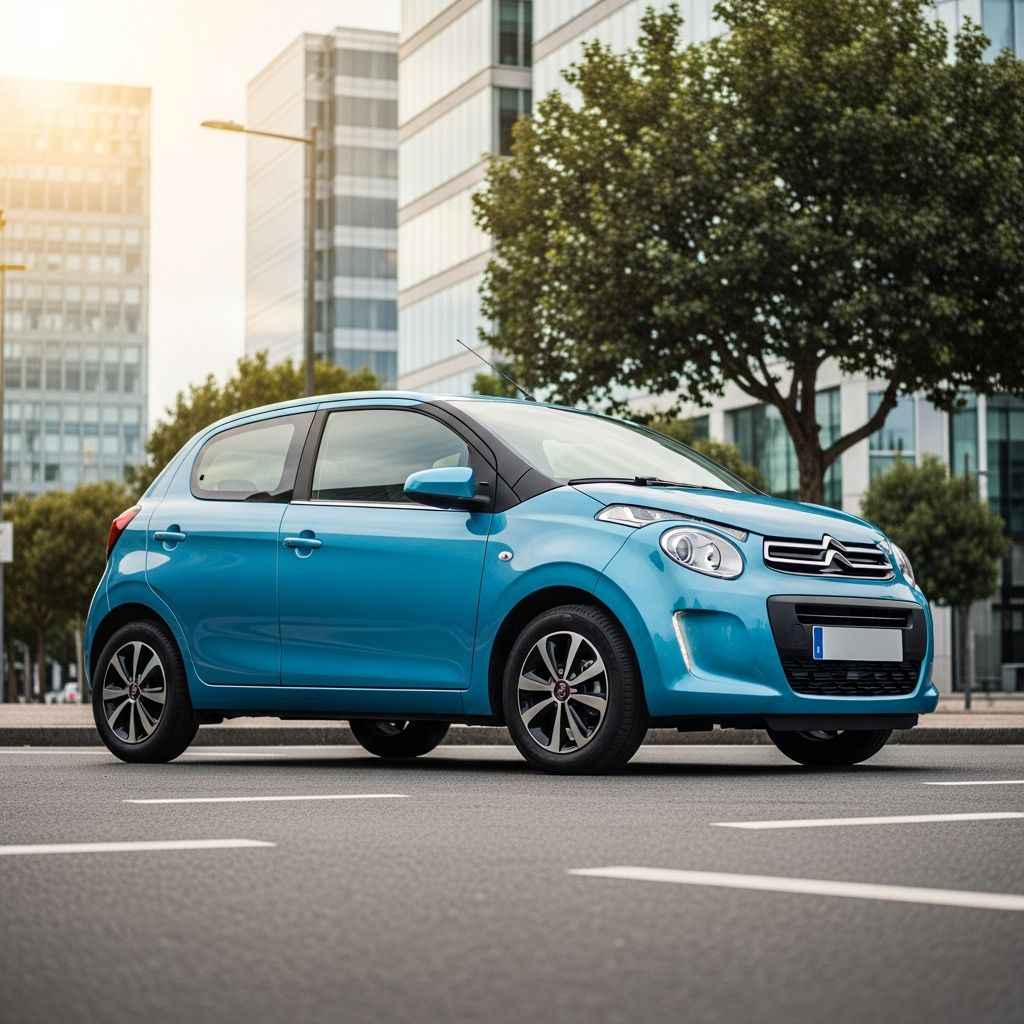
The Citroen C1 stands out in the crowded city car segment as a lightweight, stylish option tailored for tight streets and daily commutes. Produced from 2014 to 2022, this second-generation model combines French design flair with practical engineering, making it a favorite for new drivers, urban dwellers, and budget-conscious buyers.
Design and Exterior Appeal
At first glance, the C1 captures attention with its distinctive front-end styling, featuring split headlights and integrated LED daytime running lights that give it a cheerful, approachable look. This ‘smiley’ facade sets it apart from its platform-sharing siblings like the Peugeot 108 and Toyota Aygo, emphasizing Citroen’s unique brand identity. The compact body measures just over 3.4 meters long, ideal for squeezing into the smallest parking spots without hassle.
Available in various trims, the C1 offers vibrant color choices and optional contrasting roof designs, adding a playful touch to its boxy yet efficient shape. Wheel options range from 14-inch alloys on base models to 15-inch units on higher specs, enhancing its road presence. Aerodynamic tweaks in later updates improved efficiency without compromising the fun, youthful aesthetic that defines this car.
Powertrain and Performance Breakdown
Under the hood, every C1 from this era relies on a single 1.0-litre three-cylinder VTi 72 petrol engine producing 71bhp and 68Nm of torque. Paired with either a five-speed manual or optional automatic transmission, it propels the kerb weight of around 840kg adequately for urban duties. Acceleration from 0-62mph clocks in at about 14 seconds, prioritizing smoothness over outright speed.
Top speed hovers near 99-100mph, sufficient for occasional motorway runs but not its forte. The engine revs eagerly with a characterful note, pulling cleanly from low speeds—third gear starts from a crawl make it perfect for stop-start traffic. Fuel economy impresses at a claimed 58mpg combined, translating to low running costs for high-mileage city use. Real-world figures often exceed 50mpg in mixed driving, aided by the car’s featherweight build.
| Performance Metric | Details |
|---|---|
| Engine | 1.0L 3-cyl petrol, 71bhp |
| 0-62mph | ~14 seconds |
| Top Speed | 99mph |
| Fuel Economy | 58mpg combined |
| Transmission | 5-speed manual/auto |
Driving Dynamics in Urban and Beyond
The C1 excels where it matters most: city streets. Quick steering and a tight turning circle (under 10 meters) allow effortless navigation through narrow lanes and roundabouts. Skinny tyres provide surprising grip, letting drivers push it playfully on twisty roads without drama. Low weight keeps body roll minimal, and the suspension strikes a balance between comfort and control, absorbing potholes while maintaining stability.
On motorways, it reveals limitations. The 1.0-litre unit strains at higher revs to maintain pace, becoming noisy above 70mph. It’s best suited for shorter trips rather than long hauls, where more powerful rivals might edge ahead. Still, for 30mph fun in town, the C1 delivers grins per gallon, feeling nimble and engaging at everyday speeds.
Interior Comfort and Practicality
Step inside, and the C1 surprises with its smart packaging. Despite tiny exterior dimensions, front passengers enjoy decent leg and headroom, with a high seating position aiding visibility. Rear seats accommodate two adults for short journeys, though taller folks may find it snug. Hard-wearing plastics and simple fabrics ensure durability, keeping the cabin fresh after years of use.
- Storage Solutions: Deep door bins, overhead glasses case, and a useful front armrest cubby.
- Boot Space: 196 litres standard, expanding to 780 litres with seats folded—enough for weekly shops or weekend bags.
- Tech Features: Base models include Bluetooth and USB; higher trims add a 7-inch touchscreen with Apple CarPlay/Android Auto.
Air conditioning is standard on most, and safety kit includes lane departure warning, traffic sign recognition, and automatic emergency braking on Flair-spec cars.
Trims, Pricing, and Ownership Costs
Launched with Touch, Feel, and Flair trims, the C1 catered to varied budgets. Entry-level Touch offered alloys, DAB radio, and rev counter. Feel added air con, privacy glass, and leather steering wheel. Top Flair brought xenon lights, sat-nav, and reversing camera. Used prices start under £5,000 for higher-mileage examples, rising to £10,000 for low-mileage autos—excellent value given reliability.
Insurance groups are low (3-7), road tax minimal (£190/year), and servicing affordable at Citroen dealers. The chain-driven engine proves durable, with few major issues reported beyond occasional clutch wear on manuals. Fuel and parts costs remain budget-friendly, ideal for young drivers or second cars.
Safety Ratings and Features
Euro NCAP awarded the C1 four stars in 2014, with good adult/child occupant protection but weaker pedestrian scores. Standard dual airbags, ABS, and stability control form the base; later models gained autonomous braking. It’s no segment leader in safety but adequate for cautious urban use.
Pros and Cons at a Glance
| Pros | Cons |
|---|---|
| Fun, agile handling | Slow acceleration |
| Excellent fuel economy | Noisy on motorways |
| Low purchase/running costs | Limited rear space |
| Stylish, customizable looks | Basic interior materials |
| Easy to park/manoeuvre | Four-star safety rating |
Who Should Buy the Citroen C1?
This car suits learner drivers seeking cheap insurance, city professionals needing a parking champ, or families wanting an affordable runabout. It’s less ideal for motorway warriors or those needing luxury. Compared to rivals like Fiat 500 or VW Up, the C1 offers better value and character, though rivals may provide more space or power.
Frequently Asked Questions (FAQs)
Is the Citroen C1 reliable?
Yes, with a simple engine and proven platform, it scores well in owner surveys. Common fixes are minor, like battery or sensors.
What’s the best engine choice?
The sole 1.0-litre manual balances fun and economy; auto suits stop-start traffic but feels less responsive.
How much boot space does it have?
196 litres expandable to 780 litres—practical for a city car.
Is it good for tall drivers?
Front space works for 6ft drivers; rears suit shorter passengers.
What’s the resale value like?
Strong due to low costs; expect 40-50% retention after three years.
Rivals and Alternatives
- Peugeot 108: Similar but with punchier 1.2-litre option.
- Toyota Aygo X: More rugged crossover style, hybrid efficiency.
- Fiat 500: Retro charm, premium feel but pricier.
- Hyundai i10: Spacious, well-equipped alternative.
In summary, the Citroen C1 delivers uncomplicated motoring with personality, proving that small can be mighty in the right hands.
References
- Citroen C1 (2014-2022) review — Auto Express. 2022. https://www.autoexpress.co.uk/citroen/c1
- 2018 Citroen C1 review — Car Keys. 2018. https://www.carkeys.co.uk/car-reviews/2018-citroen-c1-review
- Citroen C1 Review — Motor Match. N/A. https://www.motormatch.com/blog/citroen-c1-review/
- Citroen C1 (2014 – 2021) used car review — RAC Drive. 2021. https://www.rac.co.uk/drive/car-reviews/citroen/c1/c1-2014-2021/
- Do you rate the Citroen C1? — Honest John. N/A. https://www.honestjohn.co.uk/askhj/answer/176746/do-you-rate-the-citroen-c1-
- Citroen C1 Review 2026 — Top Gear. 2026. https://www.topgear.com/car-reviews/citroen/c1
Similar Articles





Read full bio of Sneha Tete