Chrysler Sebring: 3 Generations, History And Key Specs
Discover the full story of the Chrysler Sebring, from its 1995 debut to its 2010 end, exploring its designs, engines, and lasting legacy in mid-size cars.
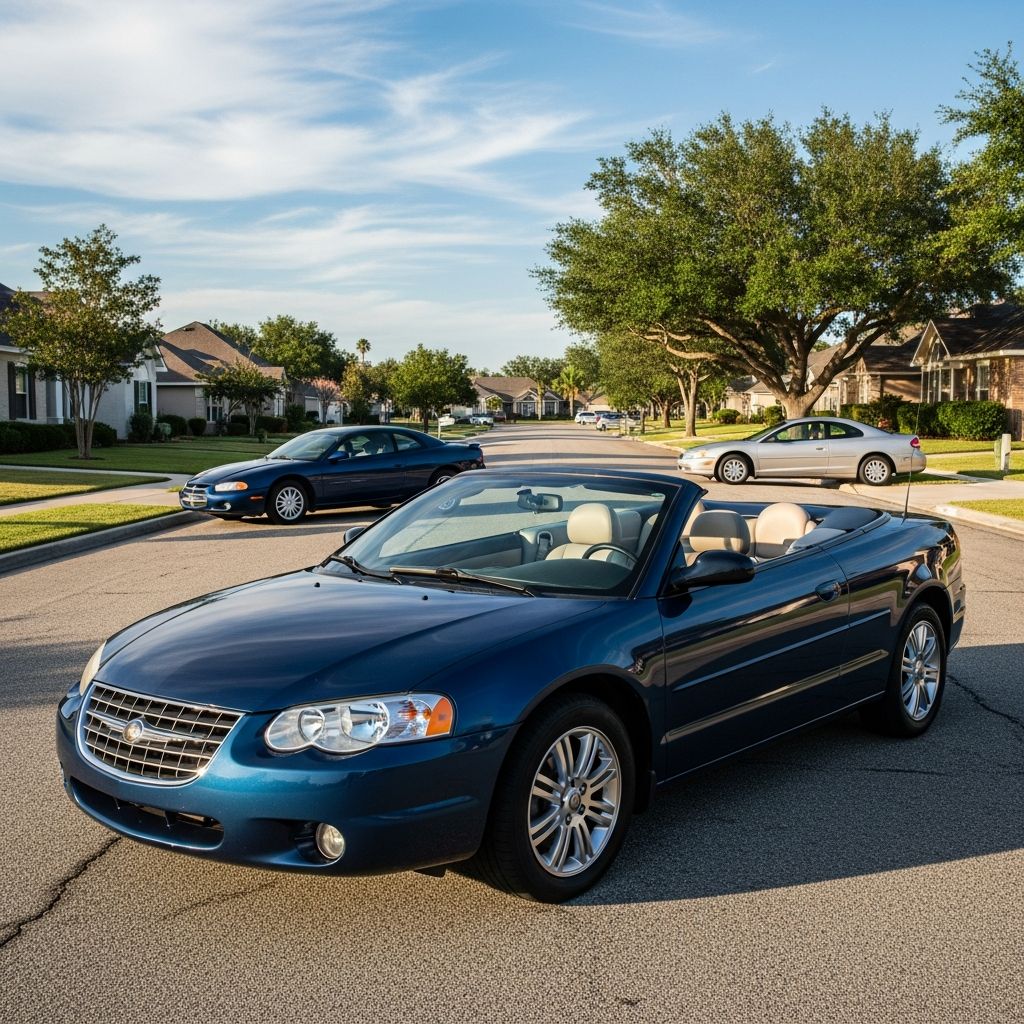
The Chrysler Sebring emerged as a versatile mid-size vehicle that blended affordability, comfort, and a touch of sportiness from 1995 to 2010. Named after a renowned Florida racetrack, it offered coupe, convertible, and sedan variants across three generations, appealing to buyers seeking value-driven luxury.
Origins and First Generation Launch
The Sebring story began in 1995 when Chrysler introduced it as a two-door coupe, essentially a sportier iteration of the Chrysler Cirrus sedan. This first-generation model utilized a platform derived from the Mitsubishi Eclipse, produced at the Diamond-Star Motors facility in Normal, Illinois, highlighting a key partnership between Chrysler and Mitsubishi. The coupe replaced the outgoing Chrysler LeBaron coupe, marking a fresh start for Chrysler’s personal luxury segment.
Just one year later, in 1996, Chrysler expanded the lineup with a convertible version, which quickly became a standout. This soft-top model took over from the LeBaron convertible and achieved remarkable sales success, becoming North America’s top-selling ragtop for several years. The first generation, spanning 1995 to 2000, focused primarily on two-door body styles, emphasizing open-air driving and stylish coupe dynamics.
Engine Options and Performance Capabilities
Powertrains in the initial Sebring models catered to a range of preferences. The base engine was a 2.0-liter inline-four producing 140 horsepower, paired standard with a five-speed manual transmission for spirited driving. Enthusiasts could opt for a 2.5-liter V6 delivering 163 horsepower, mated to a four-speed automatic for smoother cruising.
Handling was a strong suit, thanks to features like four-wheel disc brakes with ABS, fully independent double-wishbone suspension, and variable-speed rack-and-pinion steering. These elements made the Sebring a capable driver’s car despite its luxury leanings. Optional 17-inch aluminum wheels shod with Goodyear Eagle tires further enhanced grip and road presence.
| Engine | Horsepower | Transmission | Body Style |
|---|---|---|---|
| 2.0L I4 | 140 hp | 5-speed manual | Coupe |
| 2.5L V6 | 163 hp | 4-speed auto | Coupe/Convertible |
Second Generation Evolution and Expansion
For 2001, Chrysler unveiled a significantly redesigned second-generation Sebring, incorporating a sedan body style into the lineup. This move absorbed the Cirrus sedan under the Sebring badge, broadening its appeal to families and daily commuters. The new models featured a bolder front-end design with revised engines: a 2.4-liter four-cylinder making 150 horsepower and a 2.7-liter V6 with 200 horsepower.
Standard amenities elevated the ownership experience, including air conditioning, cruise control, power windows, and an AM/FM cassette player. The coupe persisted until 2005, after which it was phased out, leaving sedan and convertible as the primary offerings.
Convertible buyers enjoyed the thrill of open-top motoring, with the model maintaining its sales dominance in its class. The sedan’s introduction brought practicality, boasting impressive interior space and trunk capacity comparable to larger mid-size rivals.
Third Generation Redesign and Refinements
The third generation arrived in 2007 with the sedan leading the charge, followed by the convertible in 2008. This iteration drew stylistic cues from the Chrysler Crossfire, including distinctive hood streaks that were later toned down. A retractable hardtop option added sophistication to the convertible.
Engineering upgrades included optional all-wheel drive for the sedan in 2008 and standard four-wheel disc brakes across all trims by 2009. Engine choices evolved to include efficient inline-fours and potent V6s, with manual and automatic transmissions available. Fuel economy hovered around 20-23 mpg combined, suitable for its era.
Notable 2010 features encompassed side curtain airbags in the sedan, dual convertible roof choices, and luxuries like heated/cooled cupholders and navigation systems.
Design Philosophy and Interior Comfort
Throughout its run, the Sebring prioritized passenger comfort with roomy cabins seating up to five. The coupe’s lush interior and generous trunk rivaled mid-size sedans, while convertibles offered one-touch power tops and accessory delays for post-ignition convenience.
Options like electrochromic mirrors with compasses, Homelink transmitters, and power moonroofs added premium touches often unseen in budget-conscious segments. Suspension setups ensured a balance of ride quality and handling, with speed-sensitive steering adapting to conditions.
- Spacious five-passenger seating across models
- Advanced suspension for composed driving
- Power features including one-touch windows and roofs
- Luxury options like adaptive transmissions and premium audio
Production Platforms and Manufacturing Insights
Platform diversity defined the Sebring. Coupes rode on the Mitsubishi Eclipse ST platform, benefiting from joint engineering expertise. Sedans and convertibles used Chrysler’s JR platform, successors to the Cirrus architecture, optimized for comfort and versatility.
Manufacturing at Mitsubishi’s Normal plant for coupes underscored the collaborative spirit, while later generations shifted toward Chrysler-led production. This mix contributed to the Sebring’s competitive pricing and feature-rich proposition.
Market Reception and Sales Achievements
The Sebring carved a niche by offering upscale features at accessible prices. Its convertible topped North American sales charts, proving demand for affordable drop-tops. Sedans appealed to value seekers, with equipment levels punching above their weight class.
Consumer ratings averaged moderately, with praise for comfort but critiques on refinement over time. By blending sportiness and luxury, it sustained popularity through economic shifts.
Challenges, Criticisms, and Decline
Despite successes, the Sebring faced hurdles. Evolving competition from Honda, Toyota, and domestic rivals highlighted areas like interior materials and long-term reliability. Design choices in later years drew mixed reviews, with some styling elements feeling dated.
Major flaws cited include engine durability in high-mileage examples and transmission quirks in automatics. These issues, combined with shifting market preferences toward crossovers, contributed to its 2010 cancellation.
Transition to the Chrysler 200
In 2011, Chrysler rebadged a heavily revised Sebring platform as the Chrysler 200, aiming to refresh the mid-size segment. The 200 addressed prior shortcomings with improved powertrains, better build quality, and modern styling, effectively ending the Sebring era.
This evolution allowed Chrysler to retain market share while distancing from the Sebring’s baggage, introducing V6 options up to 283 horsepower and enhanced safety tech.
Legacy and Collector Appeal Today
Today, Sebrings hold appeal for enthusiasts seeking affordable classics. Well-maintained convertibles evoke nostalgia for 1990s-2000s cruising, while coupes offer Mitsubishi-derived sportiness. Values remain low, making them accessible entry points into collectible cars.
The model’s role in Chrysler’s lineup bridged luxury coupes to family sedans, influencing successors like the 200. Its racetrack-inspired name endures as a symbol of accessible American motoring.
Frequently Asked Questions (FAQs)
What years was the Chrysler Sebring produced?
The Sebring was manufactured from 1995 to 2010 across three generations.
Did the Sebring offer a coupe version?
Yes, the first- and second-generation coupes were available until 2005, built on a Mitsubishi platform.
What made the Sebring convertible popular?
It became North America’s best-selling convertible due to its affordability, comfort, and open-top enjoyment.
Why was the Sebring discontinued?
It was replaced by the improved Chrysler 200 in 2011 amid competition and refinement needs.
Are Sebrings reliable daily drivers?
Earlier models offer good value, but later ones may need maintenance for engines and transmissions.
References
- Chrysler Sebring Model Year History — JD Power. Accessed 2026. https://www.jdpower.com/cars/history/chrysler/sebring
- Chrysler Sebring — Wikipedia. Accessed 2026. https://en.wikipedia.org/wiki/Chrysler_Sebring
- Here’s how the Chrysler Sebring coupe and convertible were two… — YouTube (My Old Car). Accessed 2026. https://www.youtube.com/watch?v=bXzXbe7uq4Q
- Chrysler Sebring – Model Years, Generations & News — Cars.com. Accessed 2026. https://www.cars.com/research/chrysler-sebring/
- Chrysler Sebring – History, Major Flaws, & Why It Got Cancelled — YouTube (Marspeed). Accessed 2026. https://www.youtube.com/watch?v=7coGYSlXjoI
Similar Articles


Read full bio of Sneha Tete