Chrysler Crossfire Review: Retro Sports Car Buying Guide
Explore the bold Chrysler Crossfire: a Mercedes-powered sports car blending style, performance, and quirks for enthusiasts.
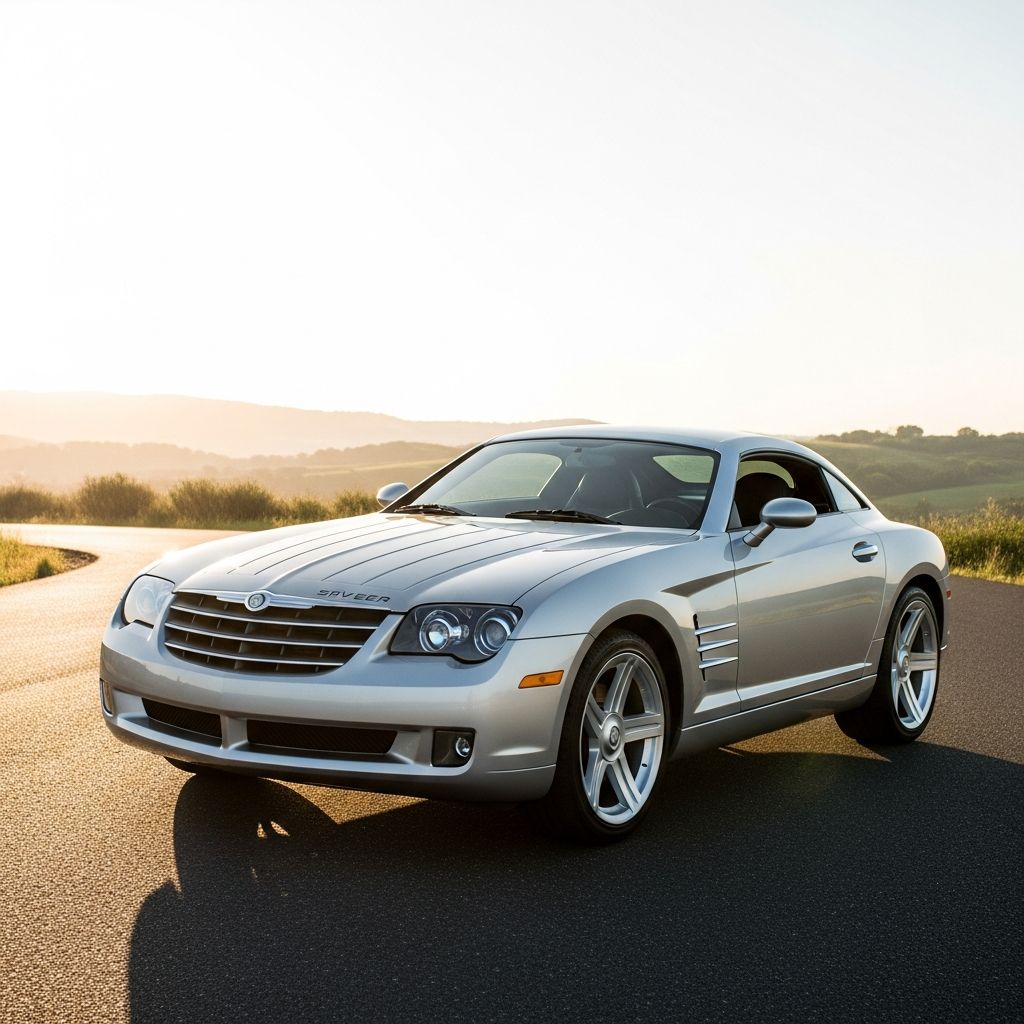
The Chrysler Crossfire stands out as a bold experiment in the early 2000s sports car market, merging American branding with German engineering precision. Launched in 2004, this two-seater coupe and convertible drew heavily from the Mercedes-Benz SLK platform, offering a compelling mix of eye-catching design and spirited driving dynamics at a more accessible price point. While it captured attention with its muscular retro aesthetics, the Crossfire’s production run ended in 2008 amid modest sales, making it a rare find today for used car hunters seeking characterful performance.
Design and Exterior Highlights
The Crossfire’s exterior is its strongest calling card, evoking classic muscle cars with a modern twist. Its low-slung profile, wide stance, and sculpted lines give it an aggressive, purposeful look that turns heads. Front-end styling features sharp headlights and a prominent grille, while the rear boasts a distinctive boattail shape with centrally mounted exhaust tips. Unique touches like staggered wheel sizes—18-inch fronts and 19-inch rears—enhance its raked stance, though this setup eliminates space for a spare tire, opting instead for run-flat tires and a repair kit.
- Bold retro influences: Inspired by 1960s American classics, the fastback roofline and muscular fenders create a timeless appeal.
- Pop-up spoiler: Deploys automatically above 57 mph to reduce lift, adding flair but occasionally whirring audibly.
- Convertible option: Available from launch, it maintains structural rigidity while offering open-air thrills.
Paint quality and fit-and-finish were generally solid for the era, though some owners note fading on higher-mileage examples. The SRT-6 variant amps up the aggression with wider bodywork, larger brakes, and a subtle hood scoop for its supercharged engine.
Powertrain and Performance Breakdown
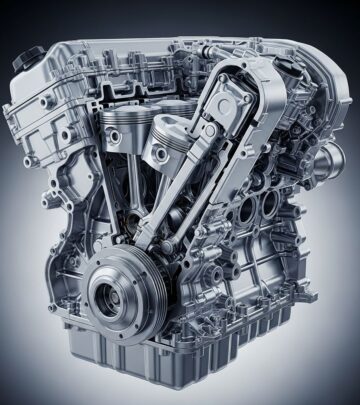
Under the hood lies a 3.2-liter V6 sourced from Mercedes-Benz, producing 215 horsepower in standard form and delivering smooth, rev-happy power from 3,000 to 5,000 rpm. Paired with either a slick six-speed manual or a five-speed automatic, it propels the 3,100-pound coupe to 60 mph in around 6.5 seconds—quick for its time but not class-leading against rivals like the Nissan 350Z. The supercharged SRT-6 ups the ante to 330 hp, slashing acceleration times significantly for a more visceral experience.
| Model | Engine | Horsepower | 0-60 mph | Transmission Options |
|---|---|---|---|---|
| Standard Coupe/Convertible | 3.2L V6 | 215 hp | ~6.5 sec | 6MT / 5AT |
| SRT-6 | Supercharged 3.2L V6 | 330 hp | ~4.5 sec | 6AT |
Handling shines thanks to a stiff chassis, wide tires, and a rear-wheel-drive layout. It grips tenaciously in corners with minimal body roll, making it a joy on winding roads. However, the steering lacks the razor-sharp feedback of European rivals, feeling somewhat numb, and low-end torque is modest, requiring gear shifts to stay in the powerband. Highway cruising is refined, with low noise levels and composed ride quality despite the firm suspension.
Interior Comfort and Practicality
Step inside, and the cockpit impresses with its driver-focused layout. A prominent center spine divides the dash, channeling attention forward, complemented by leather seats, metallic accents, and a chunky steering wheel. Materials mix upscale touches like Alcantara in SRT models with harder plastics elsewhere, which some critics found cheap-feeling.
Space is tight, especially for taller drivers—six-footers may feel cramped with limited headroom and a high header rail. Rear visibility is notoriously poor due to sail panels and a tiny backlight, exacerbated by the deploying spoiler. The trunk offers just 8 cubic feet, suitable for light weekend bags but not family outings. Controls borrow from Mercedes, including fiddly window switches, but ergonomics can confuse at first.
- Storage solutions: Deep glovebox, door nets, and decent frunk space in convertibles.
- Tech features: Standard alarm, stability control, and tire pressure monitoring; optional nav in later models.
- Climate control: Dual-zone automatic system works effectively.
Safety Ratings and Features
Safety was respectable for a sports car, earning strong NHTSA frontal crash scores: 5 stars for driver, 4 for passenger. Side impacts were unrated, but stability control and a solid structure provide reassurance. ABS and traction aids were standard, though rollover risk was low at 5 stars. Modern buyers should inspect for outdated airbags and consider retrofitting if needed.
Ownership Costs and Reliability
As a used buy today, Crossfires range from $8,000-$15,000 depending on condition and mileage. Fuel economy hovers at 20 mpg combined, reasonable for the power. Maintenance benefits from Mercedes parts availability but can be pricey due to shared SLK components—expect higher costs for specialists. Common issues include electrical gremlins, spoiler motor failures, and tire wear from the staggered setup. Reliability is average; proactive owners report enjoyable long-term ownership with proper care.
Comparing to Rivals
The Crossfire slotted against the Nissan 350Z, Mazda RX-8, Audi TT, and Porsche Boxster. It undercut the Mercedes SLK by $11,000 while sharing its bones, offering similar performance at lower cost. Versus the 350Z, it traded raw speed for refined cruising but lagged in steering feel.
| Competitor | Price (2004) | HP | Key Strength |
|---|---|---|---|
| Chrysler Crossfire | ~$38,000 | 215 | Style & Value |
| Nissan 350Z | ~$28,000 | 287 | Power & Fun |
| Audi TT | ~$42,000 | 225 | Precision |
| Mercedes SLK320 | ~$49,000 | 218 | Luxury |
Pros and Cons at a Glance
- Pros: Striking design, excellent grip, smooth V6, Mercedes pedigree, value on used market.
- Cons: Cramped cabin, poor visibility, numb steering, limited torque, no spare tire.
Is the Crossfire Right for You?
Enthusiasts valuing style and backroad poise over outright speed will love it. It’s a weekend toy or daily driver for solo commuters, but families or tall drivers should look elsewhere. The SRT-6 appeals to those craving more thrust.
Frequently Asked Questions (FAQs)
What engine powers the Chrysler Crossfire?
A Mercedes-Benz 3.2L V6, naturally aspirated in base models (215 hp) or supercharged in SRT-6 (330 hp).
How reliable is the Crossfire?
Average reliability with Mercedes parts; watch for electrical and spoiler issues. Regular maintenance keeps it solid.
What’s the fuel economy?
Around 20 mpg combined for manuals; expect 17-22 mpg depending on driving.
Does it have a spare tire?
No—uses run-flats and a pump due to staggered wheels.
Convertible vs. Coupe?
Both share performance; convertible adds fun but slightly less rigidity.
References
- 2005 Chrysler Crossfire Review & Ratings — Edmunds. 2005. https://www.edmunds.com/chrysler/crossfire/2005/review/
- 2004 Chrysler Crossfire Road Test — Car and Driver. 2004. https://www.caranddriver.com/reviews/a15134776/2004-chrysler-crossfire-road-test-counterpoint-page-1/
- Chrysler Crossfire — Consumer Reports. 2026 (updated). https://www.consumerreports.org/cars/chrysler/crossfire/
- MR archive: Chrysler Crossfire review — Retro Motor. 2023. https://www.retromotor.co.uk/retro-road-test/chrysler-crossfire-review/
- Tested: 2004 Chrysler Crossfire SRT-6 — Car and Driver. 2004. https://www.caranddriver.com/reviews/a15132578/chrysler-crossfire-srt-6-road-test/
Similar Articles


Read full bio of Sneha Tete