Chrysler Crossfire: Design, Performance, And Ownership Guide
Explore the iconic two-seater that bridged German engineering with American styling.
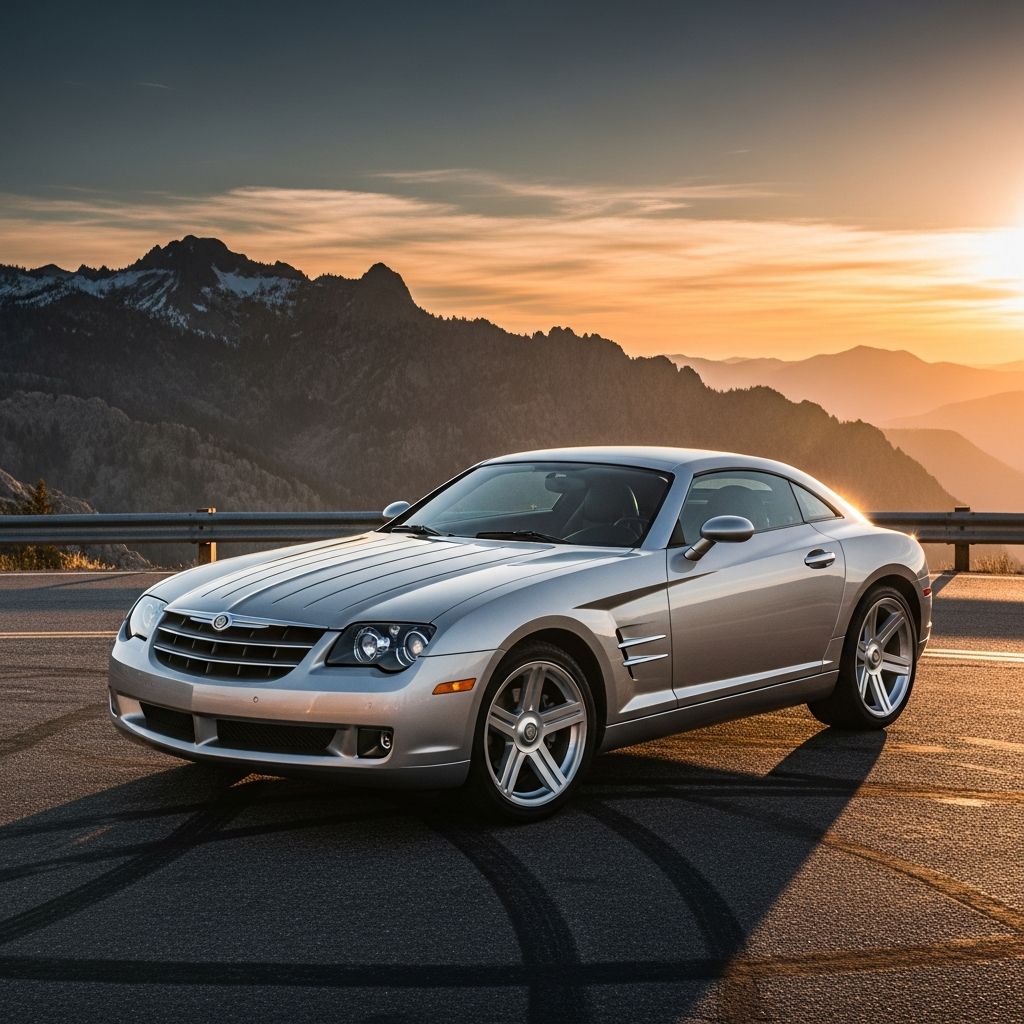
The Chrysler Crossfire represents a fascinating moment in automotive history when Daimler-Chrysler sought to combine American brand identity with German engineering expertise. Launched in 2004, this two-seater coupe emerged as a bold attempt to capture the sports car market while maintaining distinctive styling that turned heads on roads worldwide. Rather than simply rebadging a existing model, Chrysler crafted something that demanded attention through its unconventional proportions and aggressive stance.
Architecture and Technical Foundation
The Crossfire’s development benefited directly from Daimler’s acquisition of Chrysler, enabling engineers to leverage established platforms and powertrains. The vehicle inherited its fundamental architecture from the Mercedes-Benz SLK, though Chrysler invested significant effort into differentiation. Built in Germany with meticulous attention to structural rigidity, the Crossfire provided a foundation that could support both comfortable cruising and spirited driving.
This shared heritage meant owners gained access to proven technology refined through Mercedes’ engineering standards. The partnership allowed Chrysler to produce a vehicle with credible performance credentials while maintaining price competitiveness against European rivals. Unlike many badge-engineered products, the Crossfire demonstrated that shared platforms could yield genuinely distinct vehicles when designers and engineers committed to unique execution.
Powertrain Options and Performance Characteristics
The standard engine configuration featured a 3.2-liter V6 derived directly from Mercedes development, delivering smooth power delivery and a distinctive mechanical character. This naturally-aspirated unit paired with either a five-speed automatic transmission or six-speed manual gearbox, offering buyers choices based on their driving preferences and use cases. The engine produced sufficient output to make the Crossfire competitive among contemporary sports cars, though not overwhelmingly powerful.
Performance enthusiasts could opt for the supercharged variant introduced in 2005, which elevated output to 330 horsepower under the SRT-6 designation. This significant boost transformed the Crossfire’s character, providing acceleration that aligned with dedicated sports cars rather than leisurely grand tourers. The supercharged engine retained the silky smoothness of its naturally-aspirated sibling while delivering the kind of responsive performance that justified its higher price point.
Power delivery characteristics favored mid-range engagement, with the engine reaching peak performance between 3,000 and 5,000 rpm. This meant drivers needed to work the gears actively to extract maximum enjoyment, particularly with the manual transmission. The smooth power application and responsive throttle made the Crossfire rewarding on twisting roads where momentum could be maintained through coordinated acceleration and steering inputs.
Handling Dynamics and Road Behavior
The Crossfire’s rigid body structure and substantial tire sizes created handling characteristics that impressed drivers seeking precision cornering. Grip levels remained exceptional, allowing confident entrance into curves with minimal body roll. The suspension tuning balanced compliance for highway cruising with sufficient firmness to maintain control during aggressive driving, striking a pragmatic middle ground rather than optimizing purely for either extreme.
Steering feel represented the vehicle’s most contentious aspect, with reviewers noting less feedback and precision than expected from its price point and sporting pretensions. The rack-and-pinion system functioned adequately but lacked the communication that separate segments of drivers sought. For casual enthusiasts prioritizing comfort, this represented no particular limitation; those comparing against the Nissan 350Z or BMW M Coupe found the steering somewhat wanting in directness and responsiveness.
Highway behavior revealed the Crossfire’s dual-purpose engineering philosophy. The stiff suspension configuration that enhanced cornering prowess translated into a somewhat jarring ride on imperfect road surfaces. Wind noise at sustained highway speeds became noticeable, though the engine compartment remained well-isolated from cabin noise levels. These characteristics aligned with the vehicle’s sports car identity rather than its Mercedes-derived heritage, emphasizing engagement over isolation.
Interior Design and Practical Considerations
The cabin displayed creative attempts at cost management through intelligent material selection and color coordination. Chrysler sourced components from Mercedes, including switchgear and trim pieces, lending an air of sophistication despite the extensive use of plastic surfaces. Dashboard treatments with metallic finishes and integrated center consoles with distinctive styling cues created a cohesive, modern interior atmosphere.
Ergonomic compromises limited the Crossfire’s versatility. The shallow windscreen and prominent header rail created a claustrophobic environment, particularly for taller drivers exceeding six feet in height. Rear visibility suffered dramatically, constrained by sweeping sail panels flanking the distinctive boattail hatchback. The pop-up rear spoiler, automatically deploying at 57 mph for aerodynamic stability, further reduced rear-quarter visibility to a narrow slot.
Storage solutions impressed for a two-seater, including a deep glove box, door nets, and creative use of available space. However, the trunk capacity of approximately eight cubic feet limited luggage versatility. The Crossfire’s unusual wheel configuration—19-inch rear and 18-inch front—eliminated traditional spare wheel options, substituting foam repair kits and portable compressors instead.
Climate control, power windows, and leather upholstery appeared throughout the interior. Seats provided adequate comfort for extended journeys, with adjustable steering columns and controls positioned sensibly. These features elevated the everyday usability factor, distinguishing the Crossfire from single-purpose track-focused competitors.
Exterior Styling and Visual Identity
The Crossfire’s bold proportions and angular surfaces created immediate visual impact. Unlike the Mercedes SLK’s refined elegance, the Crossfire pursued aggressive styling with flared wheel arches, distinctive side vents, and a pronounced stance suggesting latent performance. The retractable rear wing enhanced aerodynamic credibility while adding a theatrical element that appealed to owners prioritizing visual drama.
Controversial design elements generated passionate responses from automotive enthusiasts. Proponents admired the forward-looking styling that distinguished the Crossfire from contemporary competitors, while detractors felt the proportions had sacrificed functional optimization for styling novelty. This polarizing reception aligned with the vehicle’s positioning in the market—not designed to appeal universally but to attract owners seeking distinctive automotive expression.
Paint finish quality and panel gaps met acceptable standards for the price point, avoiding the quality issues that plagued certain Chrysler products during this era. The exterior materials resisted typical wear patterns, and the design aged reasonably well as styling trends evolved, maintaining visual interest without appearing dated.
Safety and Crash Protection
The rigid body structure provided fundamental crash protection, with frontal barrier crash ratings demonstrating adequate performance in standard testing protocols. Side crash protection benefited from the compact two-seater configuration, limiting the mass that needed to be managed during lateral impacts. Electronic stability control and tire pressure monitoring systems represented standard safety equipment across the lineup.
Practical safety considerations extended beyond crash test results. The restricted visibility created challenges during normal driving operations, requiring careful mirror monitoring and deliberate head checking. The compact dimensions and low stance reduced visibility to smaller vehicles, demanding heightened awareness from Crossfire operators on congested roadways.
Market Positioning and Competitive Landscape
The Crossfire occupied a unique market segment, competing against established sports cars without claiming complete parity with their capabilities. The Nissan 350Z offered more raw performance, the Mazda RX-8 provided greater practicality, and the Audi TT delivered superior interior refinement. The Crossfire’s strength lay in its distinctive visual identity and accessible price point relative to comparable Mercedes-Benz products.
Production limitations and divisive styling ensured the Crossfire remained relatively rare on road networks globally. This rarity enhanced appeal for buyers prioritizing individuality over proven market acceptance. The Crossfire never achieved sales volumes approaching mainstream competitors, remaining a niche product targeting enthusiasts willing to overlook compromises in pursuit of automotive distinctiveness.
Long-term Ownership Perspective
Crossfire ownership presents intriguing opportunities for used car buyers seeking affordable access to sports car driving dynamics. Parts sharing with Mercedes platforms simplified component sourcing for maintenance and repairs. The robust V6 engine demonstrated durability in service, with many examples exceeding 100,000 miles without major issues.
Insurance costs and fuel consumption aligned with sports car categories, reflecting performance credentials and displacement. The manual transmission option appealed to driving enthusiasts, while the automatic transmission provided convenience for owners prioritizing relaxation over engagement. Resale values reflected the vehicle’s niche positioning, with prices remaining modest relative to newer competitors.
Practicality limitations made the Crossfire more suited to secondary rather than primary vehicle roles. Storage constraints, seating configuration, and weather protection (coupe design lacked convertible flexibility) aligned better with recreational use than commuting requirements. Owners accepting these parameters discovered a capable, engaging vehicle delivering genuine driving enjoyment at reasonable acquisition costs.
Driving Experience Summary
The Crossfire delivered an involving driving experience that justified extended ownership despite acknowledged compromises. The V6 engine’s responsive characteristics encouraged active gear selection and enthusiastic cornering. Grip levels and body control inspired confidence on challenging roads while remaining accessible to drivers of varying skill levels.
Weekend excursions revealed the Crossfire’s strengths in environments where its limitations mattered least. Twisting mountain roads, autocross events, and scenic highway drives showcased the vehicle’s engineering competence. Extended highway cruising highlighted compromises in comfort and visibility, reminding drivers of the purposeful, performance-oriented design philosophy underlying the entire package.
Verdict and Recommendations
The Chrysler Crossfire represents an ambitious attempt to create a distinctive, affordable sports car through international collaboration. While not excelling in any single category relative to specialized competitors, the Crossfire combined engaging performance, striking design, and reasonable pricing into a compelling package. The vehicle rewarded owners willing to appreciate its unique character while overlooking conventional limitations.
Potential buyers should prioritize test drives to assess personal comfort with the compact cockpit and restricted visibility. The manual transmission option merits particular attention for those valuing engagement and control. Financial considerations should account for typical sports car insurance premiums and fuel consumption patterns. For those seeking distinctive, individually-focused automotive expression rather than mass-market appeal, the Crossfire delivers genuinely engaging experiences at accessible price points.
References
- 2005 Chrysler Crossfire Review & Ratings — Edmunds. 2005. https://www.edmunds.com/chrysler/crossfire/2005/review/
- 2004 Chrysler Crossfire – Car and Driver — Car and Driver. 2004. https://www.caranddriver.com/reviews/a15134776/2004-chrysler-crossfire-road-test-counterpoint-page-1/
- Chrysler Crossfire – Consumer Reports — Consumer Reports. https://www.consumerreports.org/cars/chrysler/crossfire/
- MR Archive: Chrysler Crossfire Review — Retro Motor. https://www.retromotor.co.uk/retro-road-test/chrysler-crossfire-review/
- Tested: 2004 Chrysler Crossfire SRT-6 Gains Real Muscle — Car and Driver. August 2004. https://www.caranddriver.com/reviews/a15132578/chrysler-crossfire-srt-6-road-test/
Similar Articles





Read full bio of Sneha Tete