Chevrolet Kalos: Comprehensive Guide to Features and Performance
Explore the Chevrolet Kalos: design, handling, comfort, and value in a compact supermini.
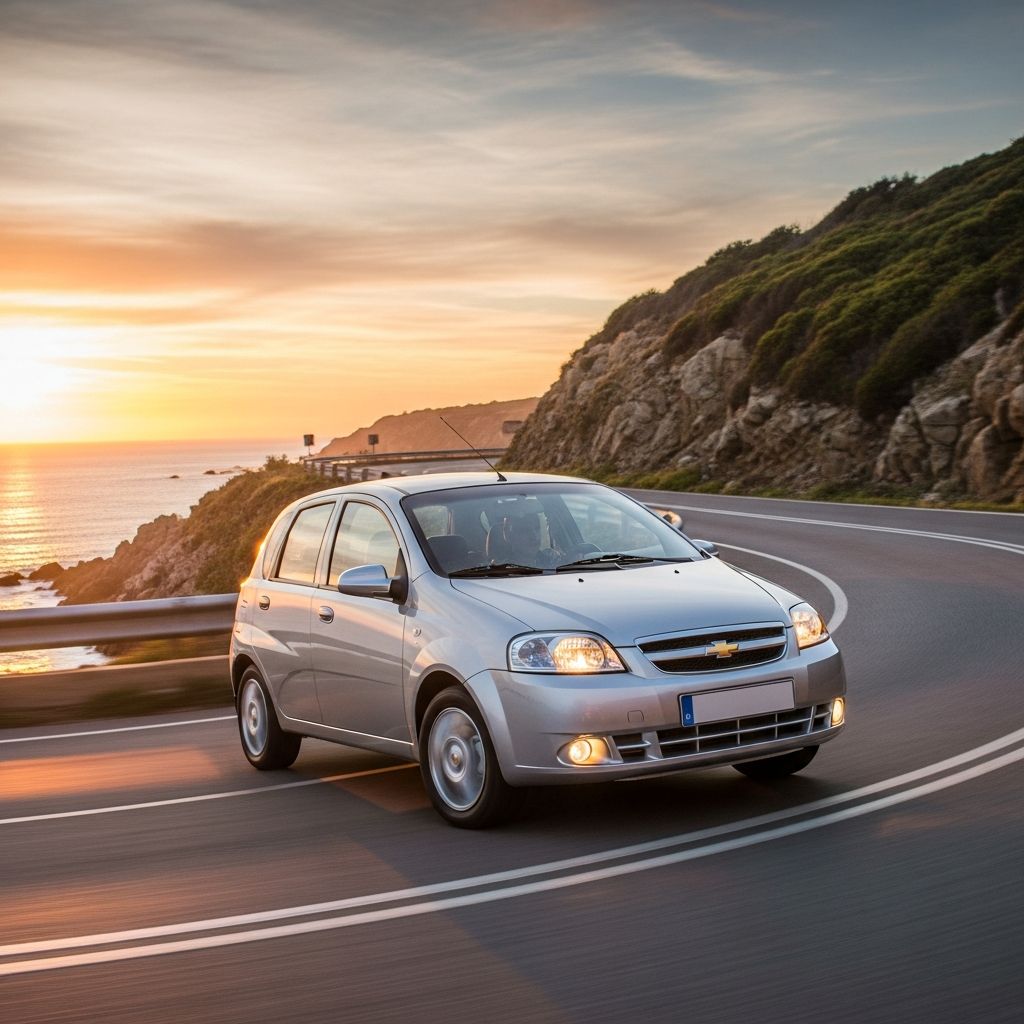
The Chevrolet Kalos represents an intriguing proposition in the supermini segment, offering buyers a vehicle that prioritizes practical space and distinctive aesthetics over dynamic driving thrills. Originally introduced to the UK market under the Daewoo badge at the 2002 Motor Show, this compact car has evolved into a competent urban commuter that balances affordability with functionality.
Distinctive Exterior Design That Turns Heads
The Kalos immediately distinguishes itself through its avant-garde styling approach. The front fascia features an unmistakable design language, with massive headlights encased in clear glass lenses and indicators positioned almost like eyelids, creating a personality rarely seen among competitors in its class. This bold visual statement extends to the vehicle’s flanks, where three competing design elements vie for attention. A prominent swage line sweeps across the front doors, rapidly descending as it encounters the rear doors, giving the car a dynamic appearance even when standing still.
Despite these striking proportions and the modern design language, the Kalos manages to maintain a cohesive visual identity that appeals to those seeking something different from the conventional supermini offerings. The generous use of horizontal and vertical lines creates visual interest while maintaining balance across the vehicle’s profile.
Interior Space That Defies Conventional Supermini Expectations
One of the Kalos’s most impressive attributes lies beneath its skin—the interior dimensions. The vehicle boasts an exceptionally long 2.48-metre wheelbase, placing it among the longest in the supermini category. This engineering decision translates into tangible benefits for occupants, with 955 millimetres of headroom providing ample space for taller drivers and passengers.
The rear seat arrangement includes a standard 60/40 split configuration, but Kalos engineers added a clever innovation: the rear seat folds to reveal a cavernous 735 litres of luggage space—more than quadrupling the typical 175-litre capacity with the parcel shelf engaged. This flexibility transforms the vehicle into a surprisingly versatile cargo carrier for a car of its size.
The front and rear occupant compartments feel generously proportioned, with decent shoulder room and legroom throughout. For budget-conscious families requiring practical transportation without sacrificing interior comfort, the Kalos delivers measurable advantages over its more cramped competitors.
Interior Design: Stylish Concepts Meets Plastic Realities
The interior presentation combines appealing design elements with less impressive material choices. The Kalos features neat circular design motifs and an attractive instrument cluster with two dials surrounded by chunky silver rings, creating visual appeal. However, the extensive use of varied plastic textures throughout the dashboard and trim panels creates an impression of inconsistent quality.
Low-grade plastics around the air-conditioning controls and throughout the fascia detract from the overall cabin ambiance. The leather-trimmed steering wheel provides a welcome quality touchpoint, feeling pleasant in the driver’s hands. Occupants will discover various standard equipment depending on trim level, including air conditioning, electric windows, CD-tuner, rear parking sensors, and alloy wheels on higher specifications.
Engine Options and Performance Characteristics
The Kalos offers multiple powertrain choices catering to different buyer priorities. The primary offering, the 1.4-litre petrol engine, produces 94 bhp and features 16 valves, delivering adequate performance for urban and highway driving. This engine accelerates from zero to 60 mph in approximately 11.1 seconds and reaches a top speed of 110 mph—respectable numbers for the supermini category.
Notably, this 1.4-litre engine delivers more vigorous performance than typical superminis in its displacement class, particularly in higher RPM ranges, making it feel stronger than expected for casual observers accustomed to standard supermini dynamics. The engine was specifically reworked to comply with stringent emissions regulations in European markets.
A 1.2-litre engine alternative provides reduced performance but minimal economy improvements, averaging around 43 mpg compared to 40.8 mpg for the 1.4-litre model. For buyers battling daily urban congestion, a four-speed automatic transmission option transforms the Kalos into a city-focused tool, sacrificing some performance (11.7 seconds to 60 mph) but enhancing urban drivability.
Fuel Economy and Running Costs
The Kalos prioritizes affordability in ongoing ownership. Drivers operating the car in composed, steady-state driving patterns can expect approximately 40.8 mpg with the 1.4-litre manual transmission. The smaller 1.2-litre engine offers marginal efficiency gains, making the larger engine more sensible for most buyers seeking the best performance-to-economy ratio.
These efficiency figures position the Kalos competitively within the supermini segment, offering practical real-world economy that translates into lower fuel expenditures for budget-conscious owners. Combined with modest insurance groups typical of entry-level superminis, the Kalos maintains low operational costs.
Driving Dynamics: Comfort Over Sporting Pretense
The Kalos adopts a pragmatic approach to handling rather than pursuing genuine sporting credentials. Despite its visually aggressive stance, the vehicle prioritizes ride comfort over cornering agility. The suspension system absorbs road imperfections effectively, soaking up harsh bumps and maintaining composure on deteriorated road surfaces that would unsettle less capable vehicles.
The steering exhibits a numb quality, lacking the precision and responsiveness that enthusiasts expect from well-developed control systems. The gearchange proves imprecise and notably floppy, requiring adjustment to establish consistent shifting patterns—using fourth gear instead of fifth on motorway gradients to maintain momentum, for instance.
Body roll becomes apparent during enthusiastic cornering, though the Kalos demonstrates determination in maintaining traction despite these gyrations. Once drivers acclimate to these characteristics, the vehicle can navigate tight corners at reasonable speeds. The engine remains quiet on motorway driving, with refined characteristics providing a pleasant auditory environment for occupants.
Structural Safety and Occupant Protection
Safety receives comprehensive attention across all Kalos variants. All models incorporate anti-lock brakes with electronic brakeforce distribution, preventing wheel lockup during emergency braking. Twin front and side airbags protect occupants in frontal and lateral collisions. Three-point seatbelts on all five seats ensure proper restraint distribution, while ISOFIX anchorage points accommodate child safety seats in rear positions.
Quality Considerations and Common Issues
Ownership experience reports highlight certain quality concerns potential buyers should consider. Various trim pieces exhibit rattling tendencies, and some early examples experienced warped airbag covers and rusty bolts in various locations. Sharp edges on the steering wheel rim require attention on some examples. These quality issues, while not universal, suggest careful pre-purchase inspection remains essential when shopping used examples.
Overall Value Proposition
The Kalos occupies an interesting market position. It fails to excel in any singular area—not particularly sporty, not exceptionally economical, and not the most refined driving experience available. However, the combination of attractive styling, generous interior space, well-equipped trim levels, and keen pricing creates compelling value for specific buyer demographics.
The vehicle functions as a solid, unpretentious alternative to competitors in the supermini market. It represents excellent value for cash-strapped families prioritizing interior roominess and equipment levels over sporting dynamics. For buyers requiring a straightforward, practical urban runabout with character and sufficient cargo flexibility, the Kalos delivers measurable benefits.
Competitive Position
Against the strongest contenders in the supermini category, the Kalos falls short of genuine excellence. While it impresses with its unique styling and spacious interior, the overall driving experience and control refinement don’t match the best in class. Nevertheless, as a used purchase, the Kalos presents substantial value, offering more interior space and equipment than competitors at similar price points.
Frequently Asked Questions
What makes the Kalos different from other superminis?
The exceptional wheelbase length (2.48 metres) and resulting interior space distinguish the Kalos from competitors. Combined with bold exterior styling and generous equipment levels, it offers practical advantages despite shortcomings in driving dynamics.
Is the Kalos reliable?
Early examples exhibit some quality issues including rattles and rusty components. However, many owners report satisfactory long-term reliability, particularly with regular maintenance.
Which engine should I choose?
The 1.4-litre engine offers superior performance and reasonable economy (40.8 mpg), making it the more versatile choice for most buyers. The 1.2-litre provides marginal efficiency gains insufficient to justify the performance compromise.
How does the Kalos handle compared to competitors?
The Kalos prioritizes comfort over sporting dynamics, with soft suspension, numb steering, and noticeable body roll. It remains composed in corners but won’t satisfy enthusiasts seeking engaging handling.
Conclusion: A Practical Choice with Character
The Chevrolet Kalos represents a pragmatic supermini solution for buyers valuing space, equipment, and distinctive styling over dynamic performance or premium refinement. Its avant-garde exterior design generates visual interest, while the cavernous interior and 735-litre cargo capacity provide genuine practical advantages. The driving experience, though comfortable and adequate, lacks the engagement found in class leaders. For used car buyers seeking maximum interior space at competitive pricing, the Kalos merits serious consideration, particularly for urban duties and family transportation where comfort and practicality trump sporting aspirations.
References
- Chevrolet Kalos Reviews – Carsurvey.org — Carsurvey.org. http://www.carsurvey.org/reviews/chevrolet/kalos/
- Chevrolet Kalos | Auto Express — Auto Express. https://www.autoexpress.co.uk/chevrolet/kalos/16440/chevrolet-kalos
- Daewoo Kalos road test | Car Enthusiast — Car Enthusiast. https://www.carenthusiast.com/reviews/article/75/-/2003-Daewoo-Kalos/1.4-litre+SX+5-door.html
- Chevrolet Kalos (2005 – 2009) used car review | RAC Drive — RAC Drive. November 24, 2008. https://www.rac.co.uk/drive/car-reviews/chevrolet/kalos/kalos-2005-2009/
- Chevrolet Kalos (2005 – 2009) – Car and Driving – Editorial Library — Car and Driving. https://www.caranddriving.com/editorial-library-review.aspx?id=208538
- Chevrolet Kalos 3dr (2005 – 2009) review | Exchange and Mart — Exchange and Mart. https://www.exchangeandmart.co.uk/reviews/chevrolet/kalos/2005/208539
Similar Articles








Read full bio of Sneha Tete