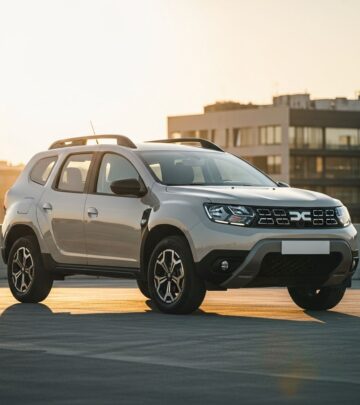
Wheel Sizes on Cars: Too Big for Comfort?
As car wheels grow larger for style and SUVs, are we sacrificing ride quality, safety, and efficiency for aesthetics?
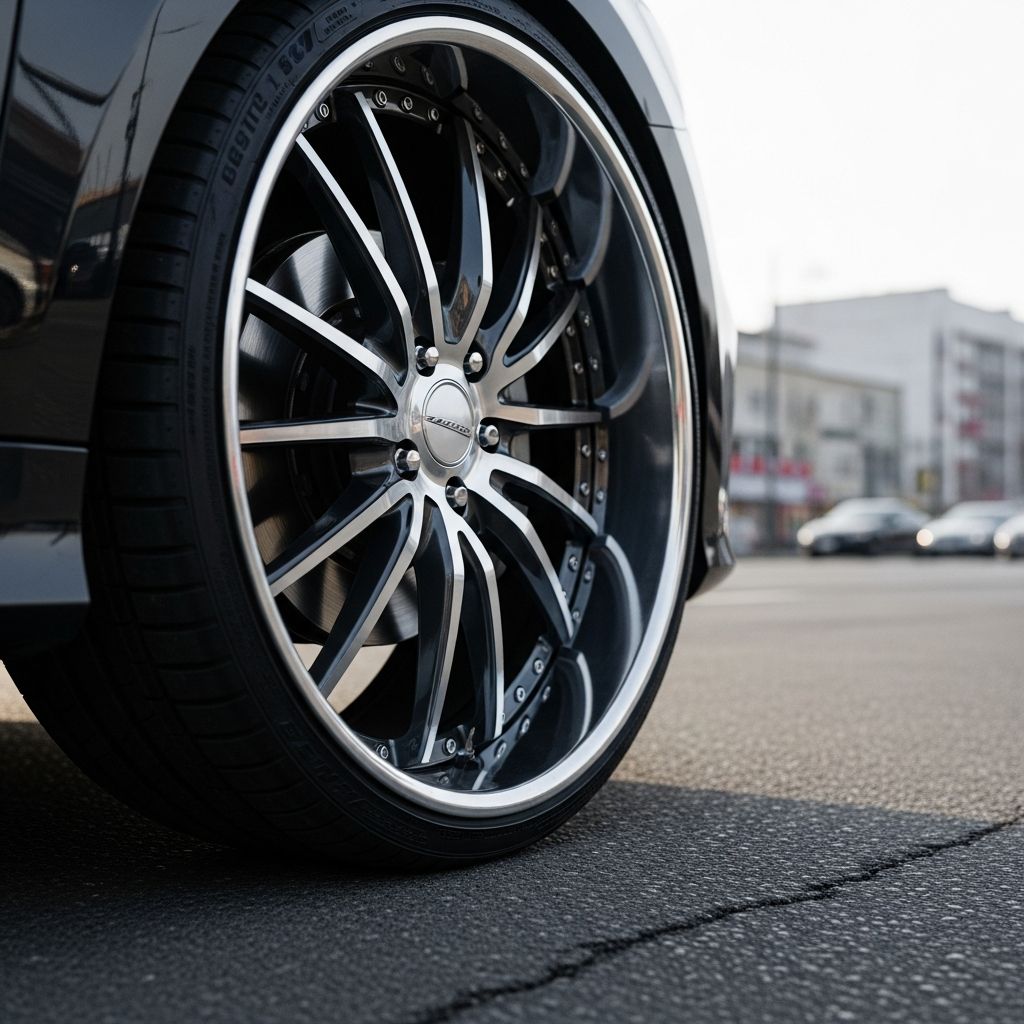
In the evolving world of automotive design, wheel diameters have ballooned, with many vehicles now rolling on 19-, 20-, or even 22-inch rims as standard. This shift prioritizes visual appeal and handling in SUVs and crossovers, but it raises questions about practicality for daily drivers.
The Surge in Large Wheel Adoption
Over the past decade, rim sizes have trended upward, particularly in the SUV and CUV segments. Sales data shows double-digit growth in 18- to 22-inch diameters since 2015, driven by consumer demand for a bold stance. Manufacturers like those producing popular SUVs now equip base models with larger wheels to match the vehicle’s increased size and weight, moving away from the 16- or 17-inch norms of earlier generations.
This isn’t just a styling choice. Larger wheels support heavier vehicles while offering what engineers call “responsive handling,” where bigger diameters pair with low-profile tires for sharper cornering. Yet, as cars grow, so do the wheels, creating a cycle where aesthetics dictate engineering.
Visual Appeal Versus Real-World Trade-offs
Bold looks come at a cost. Bigger rims fill wheel arches dramatically, giving cars a muscular profile that turns heads. Base models often start with 16-inch steel wheels, but upgrades to 18- or 20-inch alloys are common options, transforming the silhouette.
However, this glamour hides downsides. Low-profile tires—thinner sidewalls needed to fit larger rims—reduce the “cushion” between road and rim. Hitting potholes or curbs risks expensive damage, as there’s less rubber to absorb impacts. Videos from wheel experts demonstrate how downsizing to 17 inches from 19 adds sidewall height, protecting rims and improving nimbleness.
Performance Gains: Handling and Grip
Larger wheels aren’t all show. They deliver tangible benefits in dynamics. Low-profile tires on bigger rims enhance cornering grip and steering precision, ideal for spirited drives. Wider setups further boost traction, though they demand verification against the owner’s manual to avoid bearing strain.
For SUVs, this makes sense: greater weight needs more contact patch for stability. Tire makers note that 20-inch packages on modern crossovers provide the sophistication buyers expect, blending comfort with sportiness.
| Aspect | Larger Wheels (Pros) | Smaller Wheels (Pros) |
|---|---|---|
| Handling | Sharper response, better grip | Quicker acceleration, nimbler feel |
| Ride Comfort | Sophisticated for SUVs | Smoother over bumps |
| Durability | Supports heavy loads | More pothole protection |
| Fuel Efficiency | Potential drag from weight | Lighter, better MPG |
The Hidden Costs of Upsizing
Weight and efficiency suffer. Alloy rims grow heavier with size, stressing suspension, brakes, and bearings. This added mass cuts fuel economy and accelerates wear, potentially affecting warranties unless lightweight forged options are chosen.
Speedometer inaccuracies. Changing diameters alters rolling circumference. Larger setups make the speedo read low—driving 70 mph might show 65—while odometers undercount miles, impacting maintenance schedules. Tire calculators help match sizes, but precision is key.
Clearance challenges. Arches limit upsizing to 1-2 inches over stock for cars; exceeding this risks rubbing on turns or bumps. Full-lock steering tests are essential, as is checking protrusion beyond fenders.
SUVs and the Big Wheel Boom
SUV/CUV dominance fuels the trend. These vehicles, now outselling sedans, demand tires for higher grip and load capacity. Factory 20-inch rims were rare five years ago; today, they’re commonplace, aligning with buyer preferences for premium looks.
Practicality dips, though. Older cars with small wheels face tire scarcity, pushing upsizing for availability—but modern ones start oversized, limiting downsizing options.
Engineering the Balance: Right-Sizing Wheels
Maintain overall diameter when upsizing: pair larger rims with lower aspect ratio tires. Dealerships or calculators ensure speedo accuracy and minimal suspension tweaks.
For racing or efficiency, smaller diameters with taller sidewalls quicken response and safeguard rims. Always consult manuals—stiffer setups for big wheels may void coverage.
- Verify 1-2 inch max increase for cars.
- Test full-lock turns and bumps.
- Compare tire costs; larger often pricier.
- Prioritize lightweight alloys.
- Avoid protrusion beyond arches.
Fuel Economy and Environmental Impact
Heavier wheels increase rotational mass, demanding more engine power and worsening MPG. Low-profiles transmit more road noise and vibrations, eroding comfort on long hauls. In pothole-prone areas, frequent repairs add costs and waste.
Consumer Choices in a Wheel-Obsessed Market
Buyers chase the “filled arch” look, but practicality matters. Base models save money with smaller wheels; upgrades suit enthusiasts. For families, comfort trumps style—downsizing enhances ride without sacrificing much grip.
Regulations lag trends, but safety standards emphasize proper fitment. As EVs add weight, even larger wheels loom, amplifying debates.
Future Directions: Smarter Wheel Design
OEMs refine packages: run-flats and reinforced sidewalls mitigate low-profile risks. Lightweight composites could slash penalties, preserving benefits. Consumer education via manuals pushes informed choices.
Ultimately, wheel size is personal—style for some, substance for others. Balance aesthetics with needs for the best drive.
Frequently Asked Questions
Can I safely increase my car’s wheel size?
Limit to 1-2 inches over stock, per manual, and match tire diameter to avoid speedo errors.
Do bigger wheels improve performance?
Yes for handling and grip, but at the expense of ride comfort and efficiency.
Why are SUV wheels so large?
To handle weight, boost stability, and meet style demands in a booming market.
How do large wheels affect fuel economy?
Added weight reduces MPG; lighter options help mitigate this.
Is downsizing wheels a good idea?
Often yes—for better protection, nimbleness, and tire availability.
References
- Pros and Cons of Bigger Wheels on a Car — Trusted Auto Professionals (Fremont Motors). Accessed 2026. https://tap.fremontmotors.com/bigger-wheels-on-car/
- Important Considerations for Tire and Wheel Size Changes — Evans Tire. Accessed 2026. https://www.evanstire.com/blog/considerations-for-tire-and-wheel-size-changes
- BIGGER isn’t always BETTER… (with wheels) — KONIG WHEELS USA (YouTube). Accessed 2026. https://www.youtube.com/watch?v=vf955oacwsE
- Size Matters – Why Large Rim Diameter Tires are Here to Stay — Tire Review. Accessed 2026. https://www.tirereview.com/large-rim-diameters-tires/
Similar Articles






Read full bio of Sneha Tete