Second-Generation BMW X3 (2010-2017) Practicality Assessment
Comprehensive guide to space, features, and safety of the BMW X3 Mk2 generation
Evaluating the BMW X3 Mk2: Practical Excellence in Premium SUV Design
The second-generation BMW X3, produced between 2010 and 2017, established itself as a compelling option in the premium compact SUV segment. For buyers considering the used market, this model presents an interesting proposition that balances German engineering quality with genuine family-friendly capabilities. The Mk2 generation represented a significant step forward in terms of usability, comfort, and technological integration compared to its predecessor. Understanding its practical strengths and limitations is essential for prospective purchasers who want to make an informed decision about whether this vehicle meets their lifestyle requirements.
Physical Footprint and Overall Vehicle Proportions
The BMW X3 Mk2 occupies a specific niche within the compact SUV marketplace through its carefully calibrated dimensions. Measuring 4,657mm in length, 2,089mm in width, and 1,678mm in height, the vehicle positioned itself competitively against contemporary rivals in the segment. These measurements meant the X3 Mk2 consumed roughly the same footprint on the road as a typical BMW 3 Series sedan, though the additional height derived from its elevated driving position and SUV architecture created a distinctly different silhouette. The relatively boxy design philosophy contributed meaningfully to the vehicle’s practical advantages, maximizing usable interior volume despite the constrained overall dimensions.
The generous height advantage over traditional saloons provided tangible benefits for occupants. This elevated stance improved visibility from the driver’s position and created superior sightlines for navigating urban environments and highways alike. The higher seating position, a defining characteristic of sport utility vehicles, also enhanced the commanding feel that many drivers sought when transitioning from traditional passenger cars to the SUV segment.
Interior Accommodation and Seating Arrangements
The cabin of the BMW X3 Mk2 prioritized occupant comfort through thoughtful spatial design. The vehicle offered substantial headroom throughout the passenger compartment, benefiting from its boxy exterior envelope. This abundance of vertical space translated into a more airy driving experience compared to lower-slung competitors. The arrangement of storage cubbies, including expansive door bins and a generously proportioned glovebox, addressed the practical need for securing personal belongings during daily use.
Ingress and egress were facilitated by wide-opening doors that swung to generous angles, making entry and exit significantly easier than in vehicles with more restricted door travel. This attention to accessibility benefited elderly passengers, young children, and anyone carrying bulky items or dealing with limited mobility. The driving position itself received praise for its ergonomic excellence, with BMW’s traditional attention to seat design and adjustment ranges creating an accommodating environment for drivers of various sizes and proportions.
However, the rear seating arrangement presented a more nuanced picture. While passengers occupying the two outer rear seats enjoyed abundant legroom, the broad transmission tunnel that traversed the central floor substantially compromised the middle rear seat’s utility. Individuals seated in this position experienced noticeably reduced foot space, forcing them to assume less comfortable postures on longer journeys. This limitation proved particularly problematic for families with three children or situations where passengers needed to travel long distances in this central position. BMW’s design philosophy prioritized comfort for four passengers over genuine five-seat functionality.
Cargo Carrying Capabilities
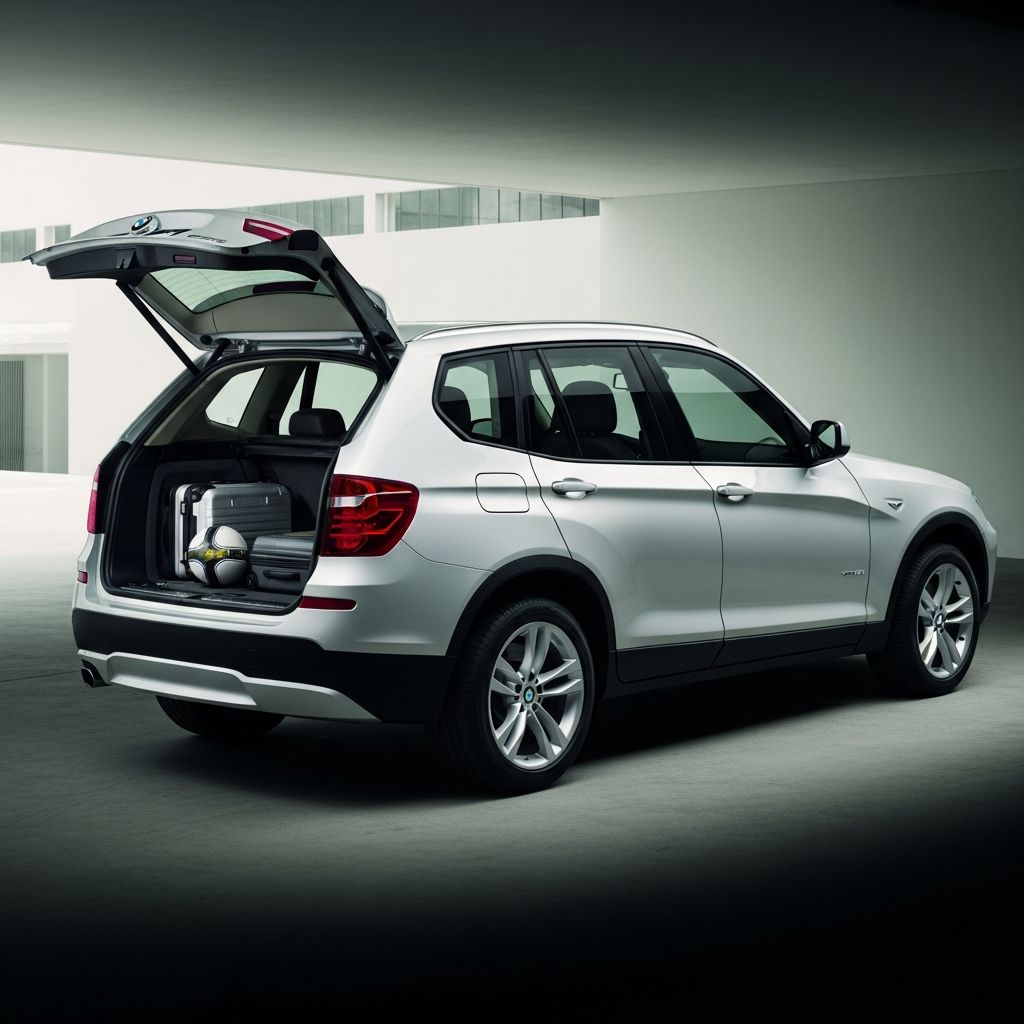
The boot represented one of the X3 Mk2’s most compelling practical attributes. With a stated capacity of 550 litres, the cargo area exceeded those found in many competing models from the Audi Q5 and Porsche Macan lineups. This generous volume meant that the BMW could accommodate typical family requirements, from grocery shopping to weekend getaway luggage, without requiring external storage solutions.
The rear seat arrangement significantly expanded carrying possibilities. The 40:20:40 split-folding configuration—when specified—allowed flexible configurations ranging from maximum passenger accommodation to completely flat, extended cargo surfaces. With the rear seats folded, the X3 Mk2 offered 1,600 litres of total capacity, providing substantial hauling capability for larger items, furniture, or extensive luggage. While this figure didn’t quite match class-leading competitors like the Land Rover Discovery Sport with its 1,698 litres, it represented more than adequate space for typical usage scenarios.
A critical consideration for used car buyers involved the optional nature of the split-folding rear seat arrangement. This feature wasn’t standard across the entire model range but rather constituted an optional extra on BMW’s expansive accessories list. Prospective purchasers requiring consistent access to flat-folding capability needed to carefully verify the specifications of individual vehicles under consideration, as not all examples would include this practical enhancement.
Factory Equipment and Feature Availability
BMW’s approach to the X3 Mk2 involved offering a broad spectrum of equipment as optional extras, though the base specification included genuinely useful features. All variants came equipped with a 6.5-inch infotainment display, cruise control, dual-zone climate control, and Bluetooth connectivity. These standard items provided essential connectivity and comfort features expected in the premium segment.
The 2014 mid-cycle refresh introduced welcome additions to the standard specification. Heated front seats appeared on the options list around this time, while an automatic tailgate—particularly useful for parking situations with limited overhead clearance—became available. From 2015 onwards, built-in satellite navigation transitioned from optional to standard fitment across the X3 Mk2 lineup, reflecting the increasing importance of integrated navigation systems in the automotive industry.
The specification hierarchy across trim levels maintained surprising consistency regarding core equipment. Most differentiation between SE entry-level models, xLine mid-range variants, and range-topping M Sport editions involved cosmetic touches rather than fundamental functionality. The xLine designation typically added cosmetic enhancements like a sportier steering wheel design and larger 18-inch wheels replacing the entry-level 17-inch items. M Sport models escalated the performance-oriented aesthetic with aggressive body kits, enhanced front seat bolstering, exclusive 19-inch wheel designs, and access to a ‘Sport+’ driving mode.
Safety Performance and Protective Features
The Euro NCAP testing organization provided an independent assessment of the X3 Mk2’s safety credentials in 2011, awarding the vehicle a full five-star rating overall. The performance across individual test categories revealed strengths in certain areas and relative weaknesses in others. Adult occupant protection scored 88%, reflecting robust structural design and restraint system effectiveness. Child occupant protection achieved 83%, demonstrating BMW’s commitment to protecting younger passengers through specialized safety features and structural considerations. Electronic safety technology contributed 71% toward the overall rating.
The notable vulnerability emerged in pedestrian protection testing, where the X3 Mk2 managed only 53%. This middling score reflected a limitation common among SUVs of that era, where the vehicle’s higher hood line and mass distribution created challenging biomechanical circumstances for pedestrians involved in collisions. While safety officials and manufacturers continued improving pedestrian protection in subsequent generations, this remained a relative weakness of the mid-2010s design.
Standard safety features included a comprehensive six-airbag complement, electronic stability control, tyre-pressure monitoring systems, and front and rear parking sensors. The automatic windscreen wiper activation during rainfall represented a thoughtful convenience feature that reduced driver distraction in adverse weather. Beyond these standards, buyers could access an extensive array of optional safety technologies including head-up display units, adaptive cruise control systems, blind-spot monitoring, and speed-limit-warning systems.
Comparing Practical Attributes to Rival Models
The second-generation X3 carved out distinctive positioning relative to competitors. The Audi Q5, another German rival, offered comparable exterior dimensions but subtly different interior packaging philosophies. The Porsche Macan, arriving later in the generation’s lifecycle, brought performance-oriented credentials alongside similar cargo capacity constraints. British alternatives like the Land Rover Discovery Sport provided superior raw boot volume and optional seating arrangements. Japanese competitors from Lexus and Infiniti offered different styling perspectives and reliability expectations.
What separated the BMW X3 Mk2 involved its combination of factors. The build quality consistently exceeded expectations, with BMW’s interior materials and assembly standards setting benchmarks within the segment. The driving position commanded respect from automotive reviewers, with the manufacturer’s ergonomic expertise translating into configurations that accommodated drivers across numerous dimensional variations. The synchronization of performance, comfort, and practicality created a balanced proposition rather than optimizing any single attribute at the expense of others.
Technology Integration and Driver Interface
The iDrive electronics interface represented BMW’s evolving approach to vehicle technology integration. While early versions received criticism for complexity, by the X3 Mk2 era, the system had matured into a capable, if occasionally intricate, platform. Voice activation functionality allowed drivers to control audio systems and manage certain vehicle functions without taking hands off the steering wheel. Bluetooth connectivity enabled wireless phone integration, though smartphone integration capabilities had yet to reach the sophistication of later systems.
The available head-up display technology projected essential driving information onto the windscreen, reducing the need for drivers to look downward toward conventional instrument clusters. For individuals who valued technological sophistication, the X3 Mk2 delivered capability that felt appropriately premium without entering the territory of excessive complexity.
Practical Considerations for Used Buyers
Prospective purchasers evaluating second-generation X3 examples in the used market should recognize that specification variability represents a significant consideration. The vast array of optional equipment meant that two examples from identical model years and trim levels could differ substantially in their feature sets. A vehicle specified with the split-folding rear seats, panoramic sunroof, premium audio system, and comprehensive safety packages would prove markedly different from a minimally equipped example.
Climate control preferences matter in used vehicle selection. While dual-zone climate represented standard equipment, the difference between basic versions and heated seat functionality could influence comfort on winter journeys. Similarly, the presence or absence of satellite navigation affected contemporary usability, though aftermarket solutions have since become more accessible and capable than available options during the vehicle’s original production run.
The automatic tailgate, introduced around the mid-cycle refresh, represented a convenience feature worth seeking in used examples. Parking situations with low clearance—common in urban environments and tight garages—often precluded manual tailgate operation, making this optional extra particularly valuable for city-dwelling purchasers.
Storage and Organization Solutions
Beyond the primary cargo area and passenger compartment, the X3 Mk2 incorporated numerous thoughtfully integrated storage cubbies addressing practical requirements. Door bins accommodated water bottles, maps, or miscellaneous items frequently needed during travel. The glovebox provided secure, lockable storage for documents and valuables. The center console incorporated cupholders and additional storage compartments. These distributed storage solutions reflected the practical design philosophy inherent throughout the vehicle’s development.
Conclusion: Practical Premium Utility
The second-generation BMW X3 distinguished itself through the thoughtful integration of practicality, quality construction, and premium specification within the compact SUV segment. For used buyers prioritizing cargo capacity, interior space, and technological sophistication, the model presented a compelling value proposition. The central rear seat limitation and pedestrian protection rating represented genuine considerations rather than complete disqualifications. The diversity of optional equipment meant that individual vehicles warranted careful specification verification, but the overall package remained fundamentally sound and capable of serving diverse lifestyle requirements.
References
- Used BMW X3 (Mk2, 2010-2017) review – How practical is it? — Auto Express. 2021-01-09. https://www.autoexpress.co.uk/used-car-tests/357042/used-bmw-x3-mk2-2010-2017-review-dimensions-boot-space-technology-safety
- Used BMW X3 buying guide: 2010-2017 (Mk2) — Carbuyer. https://www.carbuyer.co.uk/tips-and-advice/154518/used-bmw-x3-buying-guide-2010-2017-mk2
- 2nd Gen BMW X3 Review (2011-2017) — YouTube. https://www.youtube.com/watch?v=rWe-VDu4Se4
Similar Articles


Read full bio of Sneha Tete