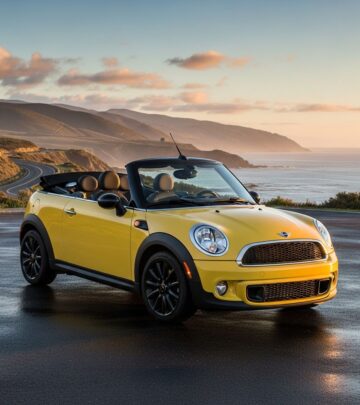
BMW i3 Prototype Revealed
Discover the revolutionary BMW i3 prototype, blending cutting-edge electric tech with iconic sports sedan dynamics for the future of driving.
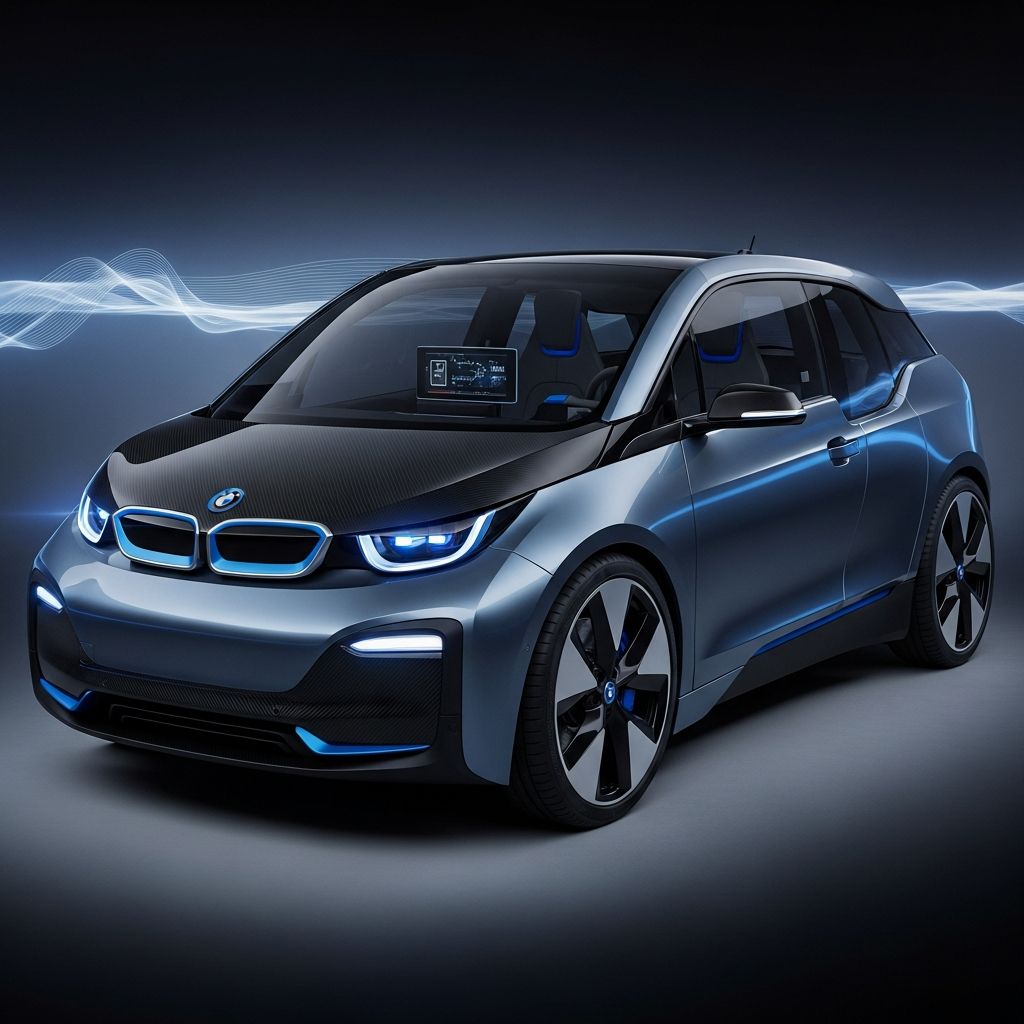
BMW i3 Prototype: Pioneering the Electric Sports Sedan Era
The BMW i3 prototype represents a transformative leap in electric vehicle engineering, redefining the sports sedan category with its integration into BMW’s Neue Klasse platform. This fully electric model promises unparalleled performance, efficiency, and driver-centric design, setting new benchmarks for luxury EVs.
Neue Klasse Foundation: A New Chapter for BMW Electrification
At the heart of the BMW i3 prototype lies the innovative Neue Klasse architecture, BMW’s dedicated EV platform designed from the ground up for battery-electric propulsion. Unlike previous models adapted from combustion engine chassis, this platform optimizes every element for electric performance, from battery integration to weight distribution.
The i3 slots in as the second model in this lineup, following the iX3 SUV, and revives the iconic 3 Series spirit in pure electric form. Production is slated to begin in late 2026, with deliveries starting in early 2027 in markets like the US and Canada. This timeline aligns with BMW’s aggressive push toward electrification, aiming for half its sales to be electric by the end of the decade.
Powertrain Excellence: Dual Motors and 800V Innovation
The BMW i3 50 xDrive prototype debuts with a dual-motor all-wheel-drive system, delivering a combined 463 horsepower and 476 lb-ft of torque. This setup mirrors the iX3’s powertrain but is tuned for the sedan’s lighter, lower-slung profile, enhancing agility and responsiveness.
Central to its capabilities is the 800-volt electrical architecture, enabling ultra-fast charging at up to 400 kW. This allows the battery to recharge from 10-80% in under 20 minutes under optimal conditions. The high-voltage battery, featuring new cylindrical cells in a cell-to-pack design, boasts higher energy density and a flatter profile that integrates seamlessly into the chassis.
| Specification | Details |
|---|---|
| Power Output | 463 hp |
| Torque | 476 lb-ft |
| Voltage Architecture | 800V |
| Max Charging Rate | 400 kW |
| Battery Capacity (est.) | 108.7-112 kWh |
Estimated range reaches up to 440 miles on the EPA cycle for the US market, with preliminary tests suggesting up to 700 km in other standards—a 30% improvement over prior generations.
Exterior Styling: Athletic Proportions Meet Modern Aesthetics
The i3 prototype’s exterior evolves BMW’s signature design language into the electric age. It adopts a sporty 2.5-box sedan silhouette with a longer wheelbase, shorter overhangs, and flared wheel arches that emphasize its wide stance and dynamic posture.
Up front, the iconic kidney grille seamlessly merges with slim, four-element headlights, forming a bold, expressive face with a shark-nose profile. The rear features horizontal taillights and a prominent diffuser, underscoring its performance credentials. Overall dimensions grow slightly: 1.6 inches longer, 2 inches longer wheelbase, 1.5 inches wider, and 1.6 inches taller than the outgoing 3 Series, yet it maintains a lower center of gravity for superior handling.
- Wheelbase: Extended for stability and rear legroom.
- Overhangs: Minimized for agile proportions.
- Wheel Arches: Boldly flared to highlight sporty track width.
- Greenhouse: Set back for a muscular shoulder line.
Interior Refinement: Driver-Focused Digital Haven
Inside, the i3 prototype prioritizes the driver with a cockpit-like layout. A high-resolution central display tilts toward the driver, integrated with the latest BMW Operating System X for intuitive, personalized controls.
Advanced displays include the panoramic BMW Vision system and optional 3D Head-Up Display, projecting critical info directly into the driver’s line of sight. Ambient lighting bathes the cabin in customizable colors, while sustainable materials and a minimalist design create a premium, futuristic atmosphere.
Chassis and Dynamics: Precision Handling on Ice and Asphalt
Tested rigorously on frozen lakes, the i3 prototype showcases its handling prowess with a bespoke chassis setup. It employs steel springs and fixed dampers in a conventional suspension, optimized for the sedan’s dynamics rather than copying the iX3’s SUV tuning.
The lower center of gravity, courtesy of the underfloor battery, combined with all-wheel drive, delivers neutral balance and sharp responses. New software governs steering, braking, and powertrain via a single controller, simplifying the system while enabling modes from comfort-oriented to track-aggressive.
The prototypes excelled on ice, demonstrating controllable power delivery and precise feedback, hinting at everyday usability and weekend fun.
Battery and Charging: Bidirectional Capabilities
The i3’s battery housing doubles as a structural element in a pack-to-open-body design, enhancing rigidity while keeping the floor flat. Bidirectional charging supports Vehicle-to-Load, Vehicle-to-Home, and future Vehicle-to-Grid functions, allowing the car to power homes or the grid.
This tech, paired with cylindrical cells, boosts energy density by 30% over Gen5 batteries, supporting the impressive range and faster charging.
Production and Market Launch: Global Rollout
Bmw is expanding facilities in Hungary for Neue Klasse production, with the i3 assembly area nearing completion. Canadian customers can expect deliveries in H1 2027, while US availability starts in 2027.
This model targets rivals like the Tesla Model 3, offering superior luxury, performance, and BMW driving heritage in an EV package.
Performance Benchmarks: How It Stacks Up
| Model | Horsepower | Range (est. miles) | 0-60 mph (est.) |
|---|---|---|---|
| BMW i3 50 xDrive | 463 | 440 | <4 sec |
| Tesla Model 3 Performance | 510 | 303 | 2.9 sec |
| BMW iX3 50 xDrive | 463 | 400 | ~4.5 sec |
While exact acceleration figures await confirmation, the i3’s power-to-weight advantage positions it as a true sports sedan.
Technology Suite: Software and Connectivity
The in-house software stack reduces complexity, unifying controls for seamless operation. It enables over-the-air updates, adaptive dynamics, and personalized driving profiles, ensuring the i3 remains future-proof.
Environmental Impact: Sustainable Manufacturing
Bmw emphasizes sustainability with recycled materials, efficient production, and a lifecycle approach. The i3’s design supports circular economy principles, including easier battery recycling.
FAQs
What is the expected range of the BMW i3 prototype?
Up to 440 miles EPA-estimated, with tests showing up to 700 km in other cycles.
When does production start?
Late 2026, with deliveries from early 2027.
What powers the i3 50 xDrive?
Dual electric motors producing 463 hp and 476 lb-ft torque, backed by an 800V system.
Is the i3 related to the original BMW i3 hatchback?
No, this is a new electric 3 Series sedan on the Neue Klasse platform, distinct from the 2013-2022 i3.
How fast can it charge?
Up to 400 kW, achieving 10-80% in minutes.
References
- BMW i3 Sedan: Overview — BMW USA. 2026. https://www.bmwusa.com/vehicles/3-series/sedan/bmw-i3-sedan.html
- 2027 BMW i3: What We Know So Far — Car and Driver. 2026. https://www.caranddriver.com/bmw/i3
- 2027 BMW i3 Prototype First Drive Review — Edmunds. 2026. https://www.edmunds.com/car-news/2027-bmw-i3-ev-prototype-first-drive-review.html
- 2027 BMW i3 Prototype Drive — Car and Driver. 2026. https://www.caranddriver.com/reviews/a70605186/2027-bmw-i3-prototype-drive/
- The New BMW i3: An authentic BMW sports sedan — BMW Group Press (Canada). 2026-04-10. https://www.press.bmwgroup.com/canada/article/detail/T0456413EN/the-new-bmw-i3:-an-authentic-bmw-sports-sedan-for-the-neue-klasse-era?language=en
Similar Articles



Read full bio of Sneha Tete