BMW 316i: Entry-Level 3 Series Complete Review
Discover why the BMW 316i offers premium driving on a budget with efficient power and solid handling.
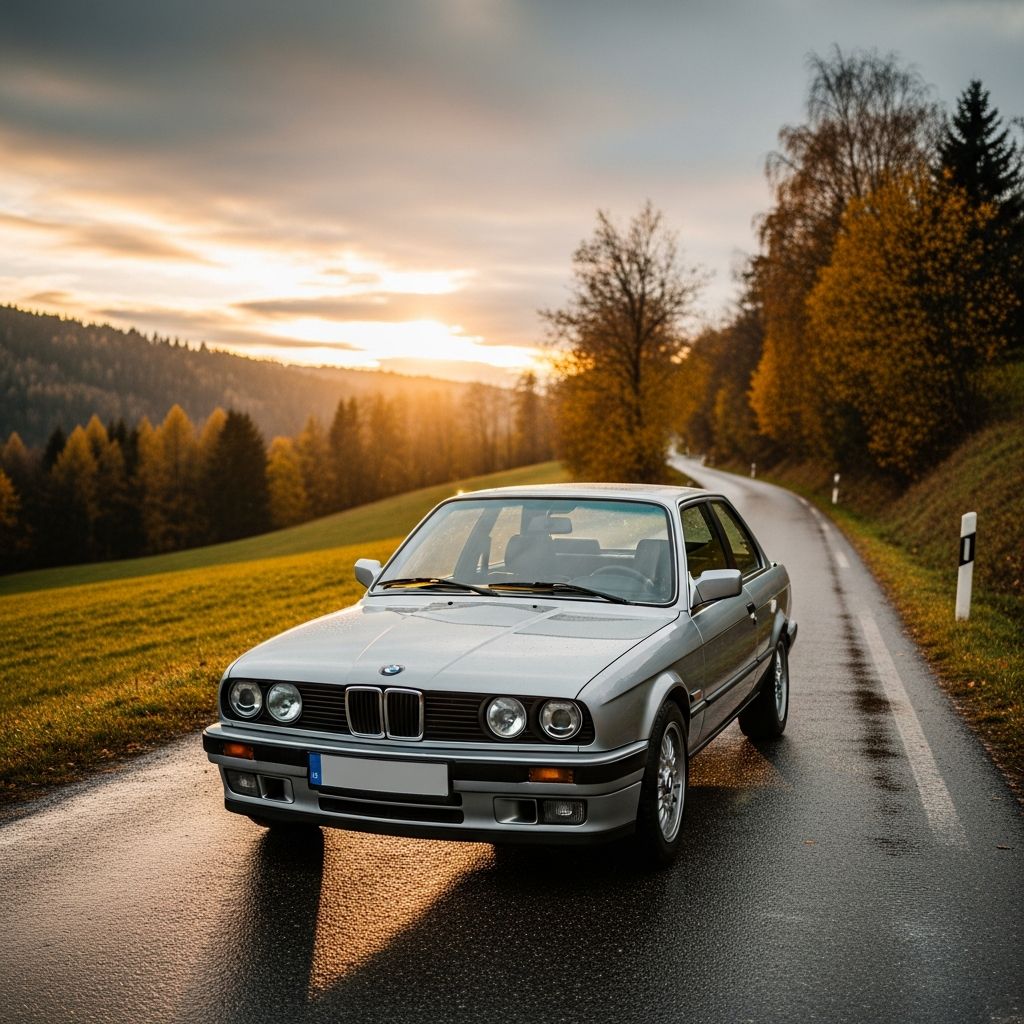
The BMW 316i stands out as the most affordable way to enter the iconic 3 Series family, blending everyday practicality with the brand’s signature driving dynamics. Powered by a refined 1.6-litre four-cylinder turbocharged engine producing 100kW and 220Nm, it pairs seamlessly with an eight-speed automatic transmission for smooth, efficient performance. This model appeals to buyers seeking premium feel without the premium price tag, offering solid fuel economy and spacious interiors suitable for families or commuters.
Powertrain and Performance Breakdown
At the heart of the BMW 316i is its TwinPower Turbo 1.6-litre engine, a significant upgrade from earlier iterations that suffered from lacklustre torque. Delivering 100kW of power and 220Nm of torque, it propels the saloon adequately for urban and highway duties, with the eight-speed Steptronic automatic ensuring gear changes are imperceptible and always optimal. Reviewers note that while it won’t match the urgency of higher-powered siblings like the 328i, the setup provides enough shove for overtaking and merging, especially in Sport mode where throttle response sharpens.
Fuel efficiency is a highlight, with official figures around 6.2L/100km, though real-world mixed driving yields about 7.5L/100km. Eco Pro mode encourages gentle acceleration, potentially extending range by several kilometres on a tank. In contrast, Sport mode quickens downshifts and firms up steering, unlocking more of the chassis’s potential without excessive fuel penalty—up to 11L/100km in spirited runs. Acceleration from 0-100km/h hovers around 9 seconds, sufficient for most but not thrilling.
Chassis Dynamics and Ride Quality
BMW’s rear-wheel-drive layout shines in the 316i, maintaining the 3 Series’ reputation for balanced handling. Standard 17-inch wheels with run-flat tyres provide a compliant ride over urban potholes, prioritising comfort over the sharper responses of sportier variants. The steering is precise and weighted, offering good feedback in Dynamic mode, though some find it less engaging at higher speeds compared to pricier models.
Drive modes—Eco Pro, Comfort, Sport, and Sport+—allow tailoring to conditions. Eco Pro relaxes the powertrain for maximum efficiency, while Sport enhances responsiveness, making twisty roads enjoyable. Stability at motorway speeds is excellent, with minimal body roll thanks to a well-tuned suspension. Critics praise the chassis for involving drivers without fatigue, a hallmark of BMW engineering.
| Drive Mode | Key Characteristics | Best For |
|---|---|---|
| Eco Pro | Relaxed throttle, early upshifts, fuel-saving | Long commutes, efficiency focus |
| Comfort | Balanced ride, standard response | Daily driving |
| Sport | Sharper steering, quicker shifts | Enthusiastic roads |
| Sport+ | Maximum firmness, peak performance | Track days (optional) |
Interior Comfort and Practicality
Step inside the 316i, and you’re greeted by a driver-centric cabin with high-quality plastics and supportive seats. Faux leather upholstery is standard, with ample adjustment for front occupants. Rear space has improved over predecessors, accommodating adults with decent legroom—though the transmission tunnel intrudes slightly due to rear-drive architecture. Headroom is generous, even for taller passengers.
The boot offers expanded capacity, making it viable for family duties like school runs or grocery hauls. Standard features include iDrive infotainment, electric windows and mirrors, manual climate control, and an onboard computer. Higher trims add navigation and parking sensors, but base models keep it simple. Drawbacks include dated graphics on early iDrive units and missing rear reading lights in some specs.
- Seating: Firm, low-slung fronts; improved rear legroom
- Storage: Deep door bins, modest centre console due to handbrake
- Tech: Bluetooth, AUX, basic screen; optional ConnectedDrive shines
Design and Exterior Styling
Externally, the 316i embodies classic 3 Series proportions: long hood, short deck, and wide stance. Halogen headlights are standard (no angel eyes on base models), paired with 17-inch alloys and a single exhaust. The kidney grille is understated compared to modern oversized designs, maintaining a sleek, elegant profile. Optional badges can be removed for discretion.
Build quality is impeccable, with tight panel gaps and corrosion resistance. It’s less aggressive than M Sport variants but exudes premium presence, turning heads subtly.
Safety and Reliability Considerations
The 316i inherits the 3 Series’ strong safety credentials, with standard airbags, ABS, stability control, and optional parking aids. Euro NCAP ratings for the F30 generation are five stars, bolstered by robust structure. Reliability is generally good for BMWs of this era, though watch for turbo and electronics issues in higher-mileage examples. Regular servicing maintains the eight-speed gearbox’s longevity.
Ownership Costs and Value Proposition
Priced as the entry point to 3 Series ownership, the 316i undercuts rivals while delivering badge prestige. Running costs are low thanks to efficient engines and cheap insurance groups. Resale holds firm due to BMW demand. Compared to Audi A4 or Mercedes C-Class equivalents, it offers superior dynamics at similar economy.
| Aspect | BMW 316i | Rival Average |
|---|---|---|
| Fuel Economy (L/100km) | 6.2-7.5 | 7-8 |
| Power (kW) | 100 | 105 |
| 0-100km/h (sec) | ~9 | ~8.5 |
| Boot Space (L) | 480 | 450 |
Pros and Cons at a Glance
- Pros: Efficient turbo engine, smooth auto box, engaging handling, spacious boot, premium interior feel
- Cons: Basic standard kit, not the quickest, firm ride on larger wheels, dated infotainment in early models
Frequently Asked Questions (FAQs)
Is the BMW 316i powerful enough for highways?
Yes, the 100kW engine and eight-speed auto handle overtakes well up to 80km/h, though it feels less potent above that versus larger engines.
How fuel-efficient is the 316i?
Expect 6.2L/100km claimed, 7.5L/100km real-world mixed; Eco Pro mode optimises further.
What’s the boot space like?
Generous at around 480 litres, better than predecessors, with folding seats for versatility.
Is it reliable?
Solid for a BMW, but service intervals and quality oil are key for turbo longevity.
Should I buy new or used?
Used F30 models offer best value, with low depreciation post-warranty.
Final Verdict: Worth the Entry Ticket?
The BMW 316i proves that affordable doesn’t mean compromising on fun. It delivers 3 Series poise—sharp steering, balanced chassis, efficient power—in a package that’s practical and cost-effective. Ideal for first-time BMW owners or fleet buyers, it punches above its spec sheet. If you crave more power, step up; otherwise, this is smart luxury motoring.
References
- BMW 316i Auto Review — Cars.co.za. 2012. https://www.cars.co.za/motoring-news/bmw-316i-auto-review/72097/
- BMW 316i Steptronic | New car review — Surf4cars (YouTube). 2012. https://www.youtube.com/watch?v=kTMRAzyUGFM
- 2014 BMW 316i review — Drive.com.au. 2014. https://www.drive.com.au/reviews/2014-bmw-316i-review/
- BMW 3 Series Saloon review (2005-2011) — Auto Express. 2005. https://www.autoexpress.co.uk/bmw/3-series/20844/2005-2011-saloon
- Used BMW 3 Series (F30, Mk6, 2012-2018) review — Auto Express. 2018. https://www.autoexpress.co.uk/bmw/3-series/36924/used-bmw-3-series-f30-mk6-2012-2018-review
Similar Articles


Read full bio of Sneha Tete