Audi RS4 Avant Durability and Long-Term Ownership
Explore the dependability factors and ownership costs of the performance Audi RS4 Avant
Understanding the Audi RS4 Avant: A Comprehensive Look at Long-Term Durability
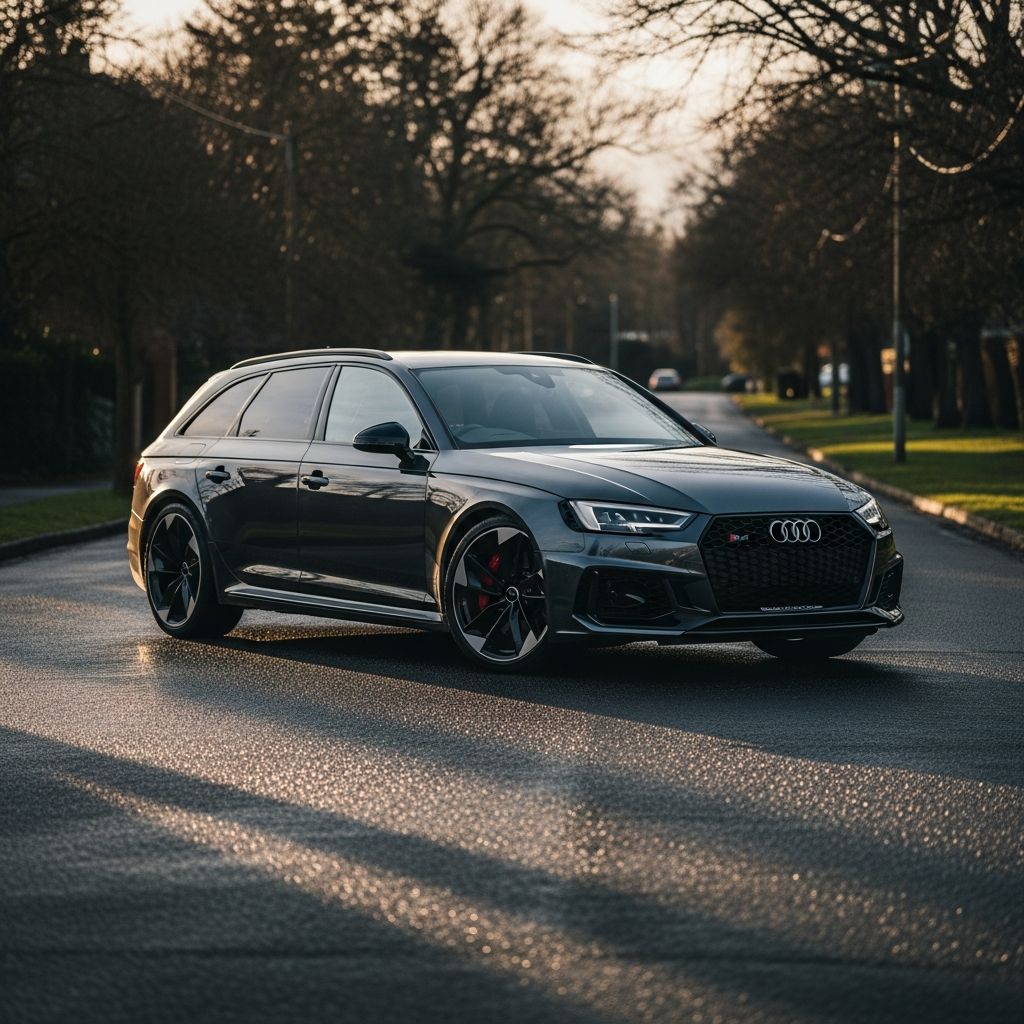
The Audi RS4 Avant represents a fascinating proposition in the performance vehicle segment—combining the practicality of a wagon body with supercar-level acceleration and sophisticated engineering. For potential buyers considering this machine as a long-term ownership proposition, questions about reliability and durability become paramount. While the RS4’s reputation for delivering thrilling performance is well-established, the financial and practical realities of maintaining such a high-powered vehicle deserve thorough examination.
The Engineering Foundation Behind RS4 Performance
The current generation RS4 Avant houses a twin-turbocharged 2.9-liter V6 engine that produces 444 horsepower and 600 Nm of torque, channeled through an eight-speed automatic transmission to all four wheels via Audi’s renowned Quattro all-wheel-drive system. This engineering architecture, while delivering exceptional performance credentials including 0-60 mph acceleration in 3.8 seconds, creates both advantages and challenges from a durability perspective.
The engine’s forced induction technology and high output figures mean the RS4 operates under considerable stress compared to naturally aspirated vehicles. Turbochargers, intercoolers, and complex fuel injection systems represent areas where maintenance discipline becomes critical to preserving both performance and longevity. The engine’s responsiveness and refinement reflect Audi’s engineering prowess, yet this sophistication requires proper care to maintain.
Real-World Ownership Experiences and Performance
Long-term testing data from automotive publications provides valuable insights into how the RS4 Avant performs during extended ownership periods. One comprehensive long-term evaluation documented over eight months of ownership, yielding remarkably positive results with zero mechanical problems reported. This test vehicle achieved 23.6 miles per gallon despite the demands of a twin-turbocharged powerplant, demonstrating that real-world efficiency can approach manufacturer claims under normal driving conditions.
Insurance considerations reflect the RS4’s high-performance classification, typically falling into Group 50 insurance categories with annual quotes ranging around £1,161 for fully comprehensive coverage. This figure should factor into any total cost-of-ownership calculation, particularly for younger drivers or those in high-risk rating brackets.
Fuel Consumption and Operating Economics
Efficiency remains a secondary concern for performance car enthusiasts, yet the RS4 Avant manages respectable figures for a machine with 444 horsepower. Audi claims up to 29.1 miles per gallon under ideal conditions, though real-world figures typically settle in the 20-24 mpg range depending on driving style and conditions. CO2 emissions register at approximately 210 g/km, figures that reflect the vehicle’s performance orientation while remaining competitive within the luxury performance segment.
The practical implication is that owners should budget for premium fuel costs reflective of both the vehicle’s thirst for premium octane fuel and the turbocharger’s appetite for energy-intensive combustion cycles. Long-term ownership economics improve if owners can tolerate moderate driving speeds and avoid constant exploitation of the vehicle’s substantial performance envelope.
Chassis Dynamics, Suspension, and Handling Durability
The RS4’s driving characteristics hinge significantly on its suspension architecture. With adaptive dampers available as an option, the vehicle demonstrates surprising versatility for a performance-oriented machine. In comfort mode, the suspension absorbs larger imperfections with competence, though low-speed urban driving can still reveal some harshness, particularly when fitted with the standard large-diameter alloy wheels.
From a durability standpoint, suspension components warrant attention. Front suspension arms may require periodic attention, necessitating wheel alignment services to maintain proper chassis geometry. Tire wear patterns demand careful monitoring, as the front-to-rear tolerance differential on the RS4 remains relatively tight, requiring attention to inflation pressures and alignment settings to maximize tire lifespan and maintain predictable handling.
Practical Wagon Functionality and Interior Durability
A defining characteristic of the RS4 Avant variant involves its practical cargo capacity without sacrificing performance. The wagon body style delivers genuine utility that traditional sports cars cannot match, contributing to the model’s appeal among discerning enthusiasts. This practicality, however, demands that interior materials and mechanisms withstand both the stresses of performance driving and the wear patterns associated with practical everyday use.
Materials selection in the RS4’s cabin reflects Audi’s quality orientation, employing durable trim pieces and robust seat construction designed to withstand sustained performance use. The eight-speed automatic transmission, paired with the powerful engine, demonstrates a track record of reliability when properly maintained, though early identification of any gearbox irregularities proves essential for preserving investment value.
Maintenance Requirements and Service Intervals
Unlike entry-level vehicles, the RS4 Avant demands adherence to manufacturer service specifications to maintain warranty coverage and ensure optimal engine health. Service costs for turbocharged V6 engines typically prove higher than naturally aspirated counterparts, reflecting the complexity of turbocharger maintenance, intercooler cleaning, and high-performance fuel system servicing.
Tire replacement represents a recurring expense, with performance-oriented tires typically requiring replacement before suspension or drivetrain components. Sourcing tires appropriate for the RS4’s performance envelope—capable of handling 600 Nm of torque delivery—requires selecting high-specification compounds designed for sustained cornering loads and rapid acceleration.
Common Wear Items and Predictable Expenses
| Component Category | Typical Replacement Interval | Durability Notes |
|---|---|---|
| Premium Performance Tires | 14,000-20,000 miles (fronts), 20,000+ (rears) | Uneven wear requires monitoring; quattro system distributes torque asymmetrically |
| Engine Oil and Filter | 10,000 miles | Synthetic oil necessary; turbocharger demands frequent oil changes |
| Brake Pads | 20,000-30,000 miles | Performance braking increases wear rate; monitor regularly |
| Cabin Air Filter | 15,000-20,000 miles | Turbocharged engines benefit from clean intake |
| Suspension Bushings | 40,000-60,000 miles | Adaptive dampers improve durability vs. fixed systems |
All-Wheel-Drive System Considerations
The Quattro all-wheel-drive system represents a cornerstone of the RS4’s technological achievement, distributing power to all four wheels with sophisticated electronic management. This system excels in poor weather conditions, providing confidence and predictability where rear-wheel-drive rivals might prove challenging. From a longevity perspective, the Quattro system demonstrates solid durability when maintained properly, though differential servicing and transfer case fluid changes should be incorporated into the maintenance schedule.
The advantage of quattro extends beyond performance—it contributes to tire longevity in certain driving scenarios and reduces uneven wear patterns compared to systems that concentrate acceleration forces through two wheels. Owners in climates with significant rain, snow, or poor road conditions will appreciate the reliability advantages that all-wheel-drive traction provides.
Technology Features and Electronics Reliability
Modern RS4 Avants incorporate extensive electronic systems managing everything from turbocharger boost pressure to adaptive suspension geometry. These systems contribute to the vehicle’s remarkable versatility and performance delivery, yet they also introduce potential failure points. Electronics generally prove reliable on contemporary Audi products, though out-of-warranty repairs for complex systems can prove expensive.
Infotainment systems, navigation units, and driver assistance technologies typically prove durable, though software updates may require dealer service. The RS4’s digital ecosystem represents several thousand pounds’ worth of sophisticated technology, justifying thorough inspection when considering pre-owned examples.
Longitudinal Driving Comfort and Highway Durability
Despite its performance orientation, the RS4 Avant demonstrates surprising capability for extended highway journeys. The capable suspension absorbs large imperfections effectively, and the transmission’s eight ratios allow cruising at modest engine speeds on motorways, minimizing stress on engine components during prolonged high-speed operation. This characteristic proves valuable for ownership longevity—vehicles regularly driven in moderate conditions experience less cumulative wear than those operated at consistently high stress levels.
The RS4’s ability to consume substantial distances with ease without sacrificing composure means that moderate drivers may achieve higher service intervals between major maintenance events. Owners who respect the vehicle’s performance envelope rather than constantly exploiting it will likely observe longer component lifespan and more predictable maintenance schedules.
Insurance and Protection Considerations
Beyond basic coverage costs, RS4 Avant owners should consider gap insurance for financed vehicles, comprehensive coverage for high-value components, and potentially extended warranty options. The vehicle’s significant value—typically £50,000-£65,000 for examples in prime condition—justifies premium protection strategies.
Breakdown cover specifically designed for performance vehicles proves valuable, as conventional roadside assistance providers may lack appropriate equipment for managing turbo-charged, all-wheel-drive vehicles during emergency situations.
Comparative Reliability Assessment
The RS4 Avant demonstrates reliability characteristics comparable to other performance vehicles in its class, with the crucial caveat that reliability directly correlates with maintenance discipline. Owners who follow manufacturer service intervals, use approved parts, and address issues promptly typically report strong durability. The vehicle’s engineering sophistication means that deferred maintenance creates cascading problems more readily than with simpler machinery.
Comparative analysis against competitor performance wagons—such as BMW M440i or Mercedes-AMG C63 Estate—typically positions the RS4 favorably for long-term reliability, particularly regarding the transmission’s durability and the turbo engine’s track record when properly serviced.
Frequently Asked Questions About RS4 Avant Durability
How long can an RS4 Avant typically last with proper maintenance?
Well-maintained examples regularly exceed 100,000 miles with no major component failures. Some owners report 150,000+ mile examples still performing admirably, provided maintenance records are comprehensive and modifications haven’t been applied.
What represents the most common repair cost on older RS4 Avants?
Tire replacement, brake servicing, and suspension component maintenance typically represent the largest recurring expenses. These constitute normal wear items rather than reliability concerns, though their frequency reflects the RS4’s performance orientation.
Should I purchase an extended warranty for RS4 Avant ownership?
Extended warranties merit serious consideration given the RS4’s technological complexity. Out-of-warranty repairs for electronic systems or turbocharger issues can quickly exceed £1,500-£3,000, making extended coverage economically sensible for budget-conscious buyers.
How does RS4 reliability compare to standard A4 models?
The RS4’s higher stress on engine, transmission, and suspension components means reliability depends more critically on maintenance discipline. Standard A4 models prove more forgiving of deferred maintenance, while RS4s demand consistent attention to oil changes and fluid services.
What modifications might compromise RS4 durability?
Turbocharger upgrades, ECU remapping beyond conservative parameters, and lowered suspension systems increase stress on transmission, drivetrain, and suspension components, potentially reducing service intervals and component lifespan.
Investment Value and Long-Term Ownership Economics
The RS4 Avant maintains respectable residual value, typically retaining 45-55% of original purchase price after five years depending on mileage and condition. This relatively strong value retention helps offset the higher maintenance costs associated with performance vehicle ownership. For those planning five-year ownership followed by sale, the financial calculus improves compared to keeping the vehicle beyond typical warranty periods.
Conclusion: Making the Ownership Decision
The Audi RS4 Avant delivers genuine durability and reliability when owners commit to proper maintenance and respect the vehicle’s performance characteristics. Its combination of practical wagon utility, sophisticated engineering, and genuine supercar-level acceleration makes it an exceptional ownership proposition for those prepared to manage the associated costs and maintenance requirements. Real-world ownership experiences demonstrate that zero mechanical problems remain achievable during extended ownership periods, confirming that the RS4’s engineering foundation proves fundamentally sound. For discriminating buyers valuing performance without sacrificing practicality, the RS4 Avant represents a durable, capable, and ultimately rewarding long-term investment.
References
- Audi RS4 – Long-Term Car Reviews Report No. 7 — Top Gear. 2026. https://www.topgear.com/long-term-car-reviews/audi/rs4/29-tfsi-quattro-5dr-tip-tronic/report-7
- Audi RS 4 Avant: Long-Term Test Review — Auto Express. https://www.autoexpress.co.uk/audi/rs4/353497/audi-rs-4-avant-long-term-test-review
- Let’s Review the Audi RS4 Avant — Swansway Garages Blog. https://www.swanswaygarages.com/blog/audi-rs4-avant-review/
- Audi RS4 B8 Buyers Discussion Thread — PistonHeads Community. https://www.pistonheads.com/gassing/topic.asp?h=0&f=86&t=1644762
- Audi RS4 B9 Buyers Guide (2018-2025) — YouTube. https://www.youtube.com/watch?v=OS7DFpg0lXk
Similar Articles






Read full bio of Sneha Tete