Audi A3 Saloon 1.4 TFSI: Performance Meets Efficiency
Exploring the compact sedan that balances power and fuel economy with refined driving dynamics
Introduction to a Refined Compact Sedan
The Audi A3 Saloon represents a compelling entry into the compact sedan segment, offering sophisticated engineering wrapped in an understated yet premium package. The 1.4-litre TFSI variant stands out as a particularly interesting choice for drivers seeking a balance between dynamic performance and economical operation. Rather than simply following the established diesel trend, this petrol-powered option introduces innovative efficiency technologies that challenge conventional wisdom about engine downsizing and fuel consumption.
What makes this vehicle noteworthy is its integration of advanced engine management systems designed to maximize efficiency without compromising the driving experience. The combination of turbocharging, direct fuel injection, and intelligent cylinder management creates a platform that appeals to both pragmatic and enthusiast drivers alike.
Understanding Cylinder-On-Demand Technology
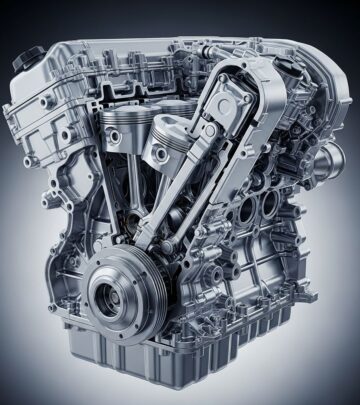
At the heart of this A3 variant lies a sophisticated engine management approach that fundamentally changes how petrol engines operate under varying load conditions. The 1.4-litre TFSI engine incorporates a system that selectively deactivates two of its four cylinders during light throttle applications, essentially transforming it into a highly efficient two-cylinder powerplant when full power isn’t required.
This technology operates seamlessly and imperceptibly to the driver. The system monitors throttle position, engine load, and driving conditions in real-time, automatically shutting down the inactive cylinders and restarting them the moment increased power is demanded. The transition occurs so smoothly that occupants rarely notice the transition between four-cylinder and two-cylinder operation.
Complementing this innovation is a coasting function that decouples the transmission when the driver releases the throttle. This allows the engine to idle rather than drag against the wheels’ momentum, further reducing fuel consumption during highway cruising and city driving scenarios where coasting occurs frequently.
Engine Specifications and Power Delivery
The 1.4-litre displacement produces 148 brake horsepower and develops torque output ranging from 184 to 214 foot-pounds depending on driving conditions and engine management strategy. The torque generation peak occurs between 1500 and 3500 RPM, placing the optimal powerband squarely in the range where most everyday driving occurs.
This modest displacement might initially seem underwhelming, yet the engineering philosophy proves that size doesn’t dictate capability. Turbocharging effectively compensates for the reduced displacement, and the lightweight nature of the petrol engine compared to diesel alternatives contributes to overall vehicle agility and responsiveness.
Drivers report that the engine delivers adequate performance for motorway cruising, confident acceleration during highway merging, and satisfying mid-range response during spirited driving. The power delivery characteristic feels linear and predictable rather than relying on turbo lag or complex power curves that require learning.
Transmission and Drive Dynamics
The A3 Saloon pairs its efficient engine with a seven-speed dual-clutch automatic gearbox, known in Audi terminology as the S-tronic transmission. This dual-clutch design provides rapid gear changes and seamless power delivery through the drivetrain, eliminating the interruption of torque flow that occurs during conventional automatic transmission shifts.
The transmission offers multiple operational modes that allow drivers to tailor the driving experience to their preferences. The standard D mode prioritizes comfort and efficiency, optimizing shift points for smooth progression. The Sport setting firms up responses and maintains higher engine speeds, creating more engaging acceleration.
Manual shift capability is available through steering wheel-mounted paddle switches, enabling drivers to take direct control when desired. This hybrid approach appeals to drivers who want involvement during spirited driving but appreciate automatic operation during commuting and urban navigation.
An efficiency mode further enhances fuel economy by implementing a free-wheeling function, allowing the engine to disengage from the drivetrain during deceleration. This feature, combined with cylinder deactivation and the coasting system, creates a trinity of efficiency measures working in concert.
Real-World Fuel Consumption Analysis
While official combined economy figures reach 60.1 miles per gallon, real-world driving reveals a more nuanced story. Extended testing demonstrates that achieving the official figures requires specific driving conditions—typically steady-state highway cruising at modest speeds where the cylinder-on-demand system can operate continuously and aerodynamic drag remains minimal.
In typical mixed driving conditions encompassing city traffic, suburban roads, and highway stretches, owners report average consumption ranging from 37 to 48 miles per gallon. This represents excellent performance for a turbocharged petrol engine, particularly when compared to larger naturally-aspirated alternatives or less sophisticated downsized engines.
The variance in fuel economy correlates directly with driving style and conditions. Progressive driving through hilly terrain yields consumption figures approaching 35 miles per gallon, while disciplined motorway cruising at consistent speeds can push consumption into the high 40s. This real-world variation demonstrates that the cylinder-on-demand system functions most effectively during predictable, steady-state driving rather than variable-speed conditions.
Notably, the petrol variant’s actual fuel economy performance differs favorably from many competing turbocharged petrol engines in the compact sedan category, which frequently fall substantially short of official figures in real-world testing.
Driving Experience and Refinement
The A3 Saloon delivers a driving experience characterized by refinement across multiple dimensions. The engine operates quietly across the rpm range, with vibration levels remaining subdued throughout acceleration and steady cruising. Structural rigidity ensures that exterior noise remains well-isolated from the cabin.
Steering quality reflects Audi’s commitment to precise, responsive control without excessive weight or inconsistency. The rack exhibits progressive feedback that increases as cornering forces rise, providing drivers with clear information about available grip and chassis attitude. Turning responsiveness feels appropriately sharp for a compact sedan without becoming twitchy during highway driving.
Suspension tuning balances comfort and control effectively. The setup absorbs minor surface irregularities without transmitting harsh impacts to occupants, while maintaining adequate body control during spirited cornering. The relatively lightweight nature of the 1.4-litre engine compared to diesel powerplants contributes to improved agility and reduced unsprung weight effects.
The cabin environment proves quiet and insulated, with excellent acoustics that minimize road and wind noise during highway cruising. Interior materials reflect the premium positioning, with soft-touch surfaces and quality switches throughout the driver interface area.
S-Line Trim Aesthetic Enhancements
The S-line specification elevates visual appeal through purposeful design elements that distinguish it from base model variants. Enhanced front and rear bumpers incorporate more aggressive styling cues, while side skirts accentuate the vehicle’s width and stance. Eighteen-inch alloy wheels replace smaller base options, improving both appearance and allowing fitment of performance-oriented tire specifications.
Interior appointments reflect sportier positioning, with enhanced trim combinations and more sculpted seating surfaces that provide improved lateral support during spirited driving. The overall effect transforms the compact sedan from utilitarian transportation into a more visually engaging vehicle without approaching pretension.
Company Car and Tax Implications
For fleet managers and company car drivers, the 1.4 TFSI petrol engine offers compelling advantages over diesel alternatives from a taxation perspective. The petrol variant attracts a 14 percent benefit-in-kind charge, while comparable diesel engines are classified at 19 percent—a meaningful difference for employees subject to income taxation on vehicle benefits.
Lower-rate taxpayers selecting the petrol option realize annual tax savings approaching £319, while higher-rate taxpayers save approximately £639 annually. Over a typical three-year company car cycle, cumulative savings reach £1,917 for higher-rate taxpayers—equivalent to several months of fuel costs for many drivers.
These tax advantages, combined with improved real-world fuel economy compared to older diesel engines, create compelling financial justification for selecting the petrol variant in corporate fleet applications where total cost of ownership remains paramount.
Reliability and Long-Term Ownership Considerations
Extended ownership experience reveals the A3 Saloon as a generally reliable platform with predictable maintenance requirements. The turbo-petrol engine architecture has proven robust across multiple model generations, with cylinder-on-demand technology adding reliability complexity that early implementations occasionally struggled with but recent iterations have largely resolved.
The dual-clutch transmission performs reliably when maintained according to manufacturer specifications, though some owners report occasional hesitation during stop-and-go traffic before the system achieves thermal equilibrium. This represents a characteristic of dual-clutch technology rather than a deficiency specific to the A3.
Routine maintenance intervals align with modern automotive standards, with convenient access to major service items and component availability through extensive Audi dealer networks. Parts costs for scheduled maintenance remain moderate relative to premium brand positioning, and competitive pricing from independent specialists provides additional options for cost-conscious owners.
Comparative Performance Against Diesel Alternatives
When compared directly with 1.6-litre diesel engines in equivalent trim levels, the 1.4 TFSI petrol presents interesting trade-offs. The diesel achieves superior fuel economy in steady-state driving conditions, frequently reaching 45-50 miles per gallon in mixed driving where the petrol variant achieves 37-48 miles per gallon.
However, the diesel’s advantages diminish when considering tax treatment, service costs, and real-world driving patterns. The lighter petrol engine contributes to improved agility and responsiveness, potentially offsetting modest fuel economy disadvantages through enhanced driving enjoyment. Additionally, diesel engines typically require more expensive servicing intervals and command higher repair costs when issues arise.
For drivers accumulating 12,000-15,000 annual miles in mixed conditions, the petrol variant often proves more economical when fuel expenses, taxation, maintenance, and purchase price premiums are combined holistically.
Climate Control and Interior Comfort
The cabin maintains excellent temperature control through an efficient climate system that reaches setpoint temperatures quickly and maintains consistency throughout the interior. Heating performance during cold conditions ensures rapid demisting and comfortable cabin environments without excessive fan noise.
Air conditioning operates quietly and efficiently, with temperature control precision allowing occupants to dial in preferred conditions. The climate system integrates well with the overall refinement philosophy, remaining inaudible during normal operation while delivering effective performance.
Technology Integration and Infotainment
The A3 Saloon incorporates technology features expected in the premium compact segment, though some implementations reflect the design language of their era. Modern examples include Bluetooth connectivity for audio streaming and hands-free calling, though integration with contemporary smartphone features varies across model years.
Navigation systems rely on familiar Audi interfaces with straightforward menu structures and logical organization, though technology evolution means newer implementations incorporate more intuitive touchscreen interfaces and smartphone integration than earlier examples.
Practical Considerations for Daily Use
The compact sedan format provides adequate space for business use and daily commuting. The 365-litre trunk accommodates typical cargo requirements including golf bags, groceries, and luggage for weekend trips. Rear seat legroom suffices for adult passengers on moderate-length journeys, though extended trips with four adults benefit from optional rear air vents and climate control.
Visibility remains good through appropriately sized windows, though the sloped rear roofline reduces headroom for taller rear passengers. Front visibility proves excellent with minimal blind spots, and the compact turning radius facilitates parking and urban maneuvering.
Safety and Structural Engineering
Audi’s reputation for crash structure integrity extends to the A3 Saloon, with comprehensive airbag provision and modern structural engineering ensuring occupant protection. Electronic stability control and advanced braking systems provide active safety systems that complement the passive safety provisions.
Available driver assistance technologies in modern implementations include adaptive cruise control, forward collision warning, and lane-keeping systems that enhance safety during extended highway driving.
Verdict and Overall Assessment
The Audi A3 Saloon 1.4 TFSI represents a thoughtfully engineered solution for drivers seeking premium refinement, satisfying performance, and genuine fuel economy without sacrificing driving engagement. The cylinder-on-demand technology demonstrates that intelligent engineering can bridge the historical gap between petrol and diesel efficiency, challenging the assumption that downsizing necessarily requires accepting significant real-world economy penalties.
For company car drivers, the tax advantages combined with competitive running costs create a financially attractive proposition. Enthusiast drivers appreciate the responsive handling and refined engine characteristics, while pragmatic owners benefit from predicted maintenance costs and component availability. The S-line trim elevates visual appeal without introducing unnecessary complexity or maintenance concerns.
This vehicle succeeds not through revolutionary innovation but through competent execution of established engineering principles, thoughtful integration of efficiency technologies, and a design philosophy prioritizing real-world usability over specification-sheet numbers. For compact sedan shoppers balancing multiple priorities—refinement, economy, performance, and value—the A3 Saloon 1.4 TFSI merits serious consideration.
References
- Audi A3 Saloon S line 1.4 TFSI: long-term test review — Auto Express. https://www.autoexpress.co.uk/audi/a3/87557/audi-a3-saloon-s-line-14-tfsi-long-term-test-review
- Audi A3 Saloon 1.4 TFSI CoD Review — GreenCarGuide.co.uk. https://www.greencarguide.co.uk/car-reviews-and-road-tests/audi-a3-saloon-1-4-tfsi-cod/
- Review: the new Audi A3 1.4 saloon — Top Gear. https://www.topgear.com/car-reviews/a3-saloon-2016/first-drive
- Audi A3 and S3 Review — WhichCar. https://www.whichcar.com.au/reviews/audi-a3-and-s3-review
Similar Articles








Read full bio of medha deb