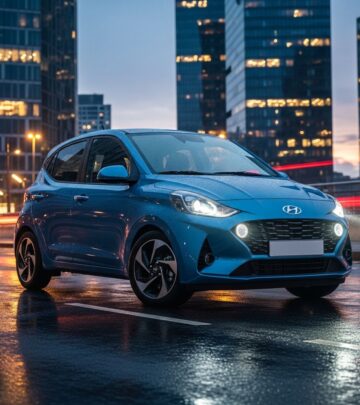
Artificial EV Sounds Fall Flat
Why synthetic engine noises in electric vehicles fail to capture the thrill of real combustion power and what manufacturers are trying next.
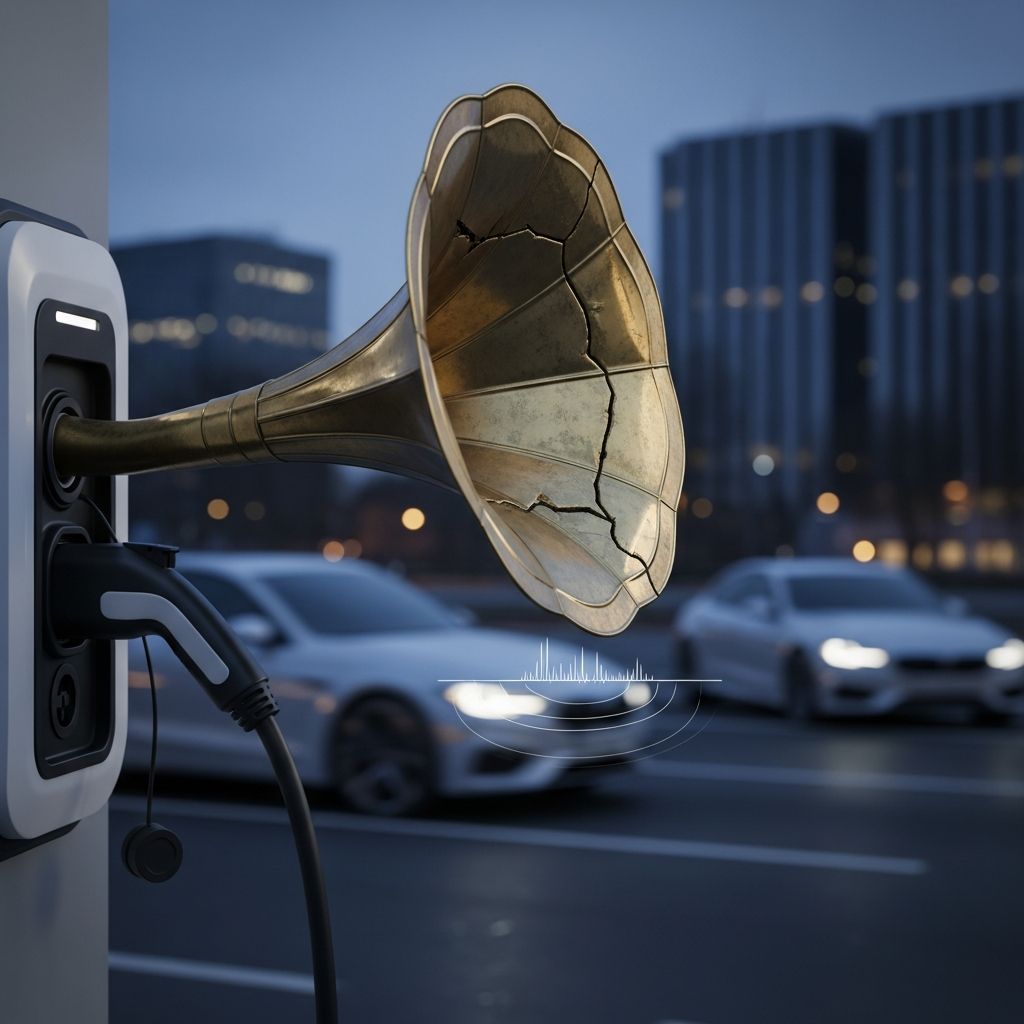
Electric vehicles promise silent efficiency, but manufacturers are experimenting with synthetic engine noises to recreate the auditory excitement of traditional cars. These artificial sounds aim to enhance driver engagement and meet safety regulations, yet many efforts come across as underwhelming and inauthentic.
The Push for Sound in Silent Machines
Electric motors operate with minimal noise, a boon for urban tranquility but a drawback for enthusiasts who crave the roar of combustion engines. To bridge this gap, automakers pipe synthesized audio through speakers, syncing it with acceleration and speed data. This technology, known as engine sound enhancement, draws from powertrain telemetry to simulate revs and gear shifts.
Hyundai’s Ioniq 5 N stands out as a prime example. It generates noises that convey gearing and velocity effectively, aiding drivers in performance scenarios. However, it struggles to replicate the i30 N’s high-revving crescendo up to 8,000 rpm, highlighting the limits of digital mimicry.
Safety Regulations Drive Mandatory Audio
Beyond entertainment, artificial sounds serve a critical safety role. Regulations from bodies like the UN’s World Forum for Harmonization of Vehicle Regulations (WP.29) require EVs to emit audible alerts at low speeds—typically under 20 km/h—to alert pedestrians, cyclists, and the visually impaired. These sounds, often a whir or hum, prevent silent approaches that could lead to accidents.
- All modern EVs and plug-in hybrids must produce external pedestrian warning sounds.
- Internal noises focus on driver feedback, not external alerts.
- Non-compliance risks fines and market bans in regions like the EU and US.
While these mandates ensure visibility, they underscore EVs’ inherent quietness, prompting optional performance-oriented sounds for cabin immersion.
Manufacturer Innovations and Their Shortcomings
Several brands have tackled synthetic audio, each with varying success. Dodge’s Charger Daytona EV deploys a 600-watt system of woofers and speakers to emulate muscle car growls, intensifying with throttle input. Korean makers, including Hyundai and Kia, explore seat vibrations to simulate engine rumble, pairing it with audio for a multi-sensory effect.
BMW’s upcoming HypersonX for Neue Klasse models takes a divergent path, incorporating ‘tones from nature’ and ‘structures from art and science.’ This abstract approach avoids direct engine imitation, potentially offering a fresh identity for EVs rather than copying internal combustion vehicles (ICE).
| Manufacturer | Model/System | Key Feature | Criticism |
|---|---|---|---|
| Hyundai | Ioniq 5 N | Gear shift simulation | Rev build-up feels incomplete |
| Dodge | Charger Daytona | 600-watt roar | Sounds artificial to purists |
| BMW | HypersonX (Neue Klasse) | Nature-inspired tones | Unclear effectiveness |
| General | Pedestrian warnings | Low-speed hums | Mandatory but bland |
Critics argue these systems feel gimmicky. Even in ICE cars with amplified sounds—due to heavy soundproofing—enthusiasts detect the fakeness, amplified in EVs lacking mechanical origins.
Why Fake Noises Fail to Convince
The core issue lies in authenticity. Genuine engine sounds stem from physical phenomena: piston slaps, exhaust pulses, and intake rushes create harmonics impossible to perfectly replicate digitally. Synthetic versions often loop pre-recorded clips or generate waveforms that lack nuance, resulting in a ‘video game’ quality.
Driver psychology plays a role too. Auditory cues form part of the multisensory driving experience; their absence in EVs can disengage users, but poor imitations erode trust. Surveys indicate mixed reception: some appreciate nostalgic nods, while others prefer EVs’ serene cabins.
- Physical vs. digital: Real engines have unpredictable variations; synthetics are consistent.
- Speaker limitations: Cabin audio can’t match exhaust resonance.
- Over-reliance on volume: Many systems crank decibels without depth.
Alternatives to Engine Mimicry
Instead of copying ICE, some advocate EV-specific soundscapes. BMW’s nature motifs could evolve into futuristic whooshes or harmonic pulses tied to battery flow and torque vectoring. Acoustic engineers suggest procedurally generated sounds that evolve with software updates, adapting to user preferences.
Vibration tech offers promise. Haptics in seats and steering wheels transmit frequencies mimicking idling or revving, engaging the body directly. Combined with spatial audio, this could forge a signature EV ‘voice’ distinct from gasoline eras.
Consumer Perspectives and Market Trends
Enthusiast forums buzz with debate. Some hail the Ioniq 5 N’s system for track utility, where sound gauges speed without glances. Others decry it as unnecessary, arguing EVs should embrace silence or innovate uniquely.
As EV adoption surges—projected to hit 40% of sales by 2030—audio will differentiate models. Premium brands may offer customizable sound packs, from subtle hums to aggressive synths, via over-the-air updates.
Technical Challenges in Sound Design
Creating convincing audio demands sophisticated processing. Real-time synthesis uses accelerometers, wheel speed sensors, and motor RPM to modulate pitch and timbre. Advanced DSP chips filter harmonics, but latency and speaker quality often betray the illusion.
External sounds face harsher scrutiny; weather, road noise, and distance dilute them. Internal systems benefit from enclosed cabins but risk feedback loops or distortion at high volumes.
Future Directions for EV Acoustics
Looking ahead, AI-driven sound generation could analyze driving styles, generating personalized profiles. Integration with AR heads-up displays might pair visuals with audio for holistic feedback. Regulatory evolution could mandate richer external sounds, blending safety with character.
Ultimately, the best EV sounds may not imitate but innovate, defining electric mobility’s sonic identity.
Frequently Asked Questions
Are fake EV engine sounds required by law?
Yes, low-speed pedestrian warning sounds are mandatory in most markets for safety, but performance-oriented cabin noises are optional.
Which EV has the best synthetic sound?
Hyundai Ioniq 5 N receives praise for its informative gear-shift simulation, though not perfectly convincing.
Can I turn off fake engine noises?
Many models allow disabling optional sounds via settings, but safety alerts cannot be muted.
Why do some drivers hate synthetic sounds?
They often sound inauthentic, like video game effects, failing to capture real engine complexity.
Will all future EVs have engine noises?
Not necessarily; trends point toward unique EV sound designs rather than ICE copies.
References
- Fake EV engine noises are worryingly unconvincing — Auto Express. 2025-05-03. https://www.autoexpress.co.uk/opinion/366733/fake-ev-engine-noises-are-worryingly-unconvincing
- Fake Engine Noise: Creating or Enhancing Engine Sounds — Kelley Blue Book. 2024-10-15. https://www.kbb.com/car-advice/fake-engine-noise/
- We Don’t Need Fake EV Engine Noises — Jalopnik. 2024-08-20. https://www.jalopnik.com/give-me-a-break-with-the-fake-engine-noises-1851614957/
Similar Articles



Read full bio of medha deb