2026 Hyundai Sonata: Complete Guide to Features and Performance
Discover what makes the 2026 Sonata a standout midsize sedan with hybrid and turbocharged options.
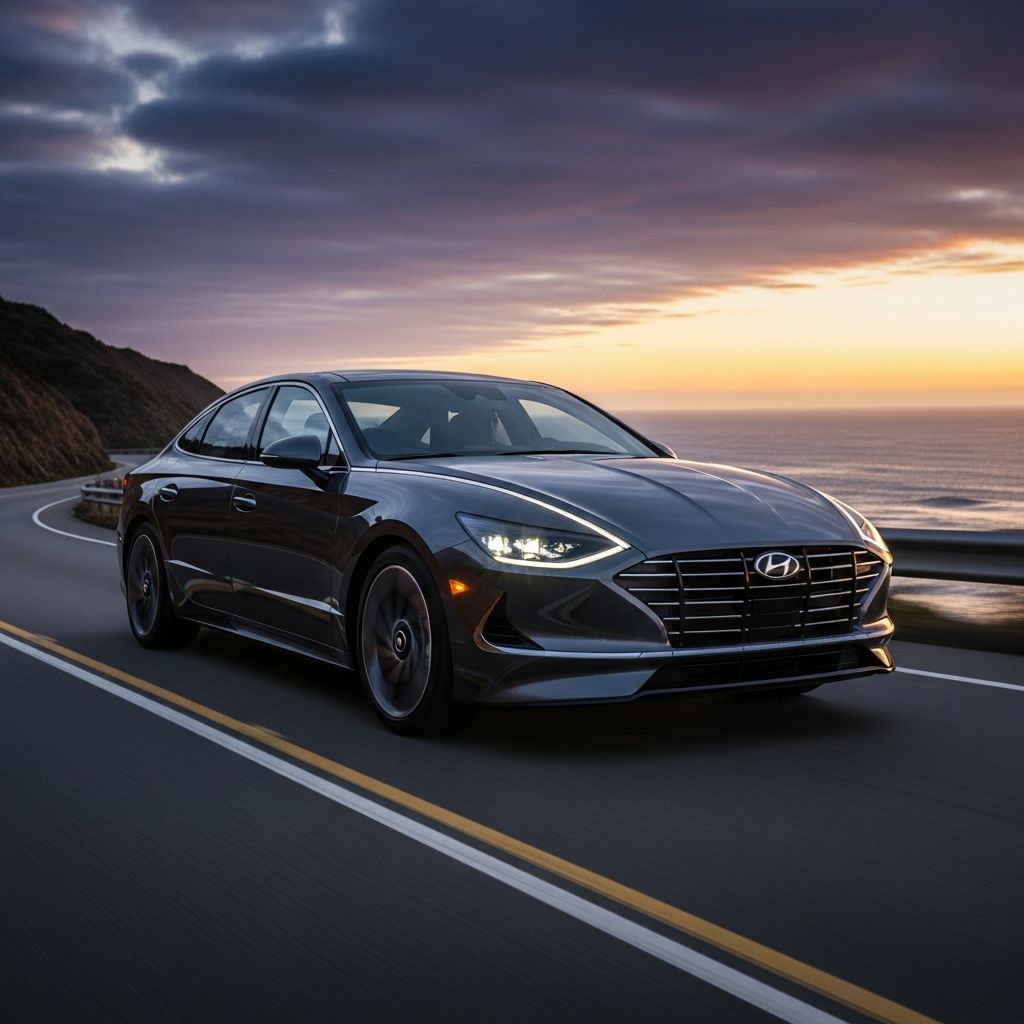
The midsize sedan segment has evolved considerably over recent years, with manufacturers increasingly focusing on SUVs and crossovers. Yet Hyundai remains committed to delivering a compelling family sedan that stands apart from the competition. The 2026 Hyundai Sonata represents a thoughtful evolution in this segment, combining practical utility with modern technology and sophisticated styling. What distinguishes this sedan is its comprehensive approach to meeting diverse driver needs through multiple powertrain options, refined interior design, and comprehensive safety systems.
Understanding the Powertrain Lineup
The 2026 Sonata presents buyers with three distinct powertrain configurations, each designed to serve different priorities and driving styles. This tri-powertrain approach is relatively uncommon in the midsize sedan class, giving potential owners genuine choice based on their individual circumstances and preferences.
The Standard Four-Cylinder Engine
The base powertrain utilizes a 2.5-liter four-cylinder naturally aspirated engine that generates 191 horsepower and 181 pound-feet of torque. This engine pairs with an eight-speed automatic transmission featuring conventional torque converter design rather than continuously variable transmission (CVT) technology. The choice to employ a traditional automatic transmission reflects Hyundai’s commitment to smooth operation and refined driving dynamics. Both front-wheel drive and all-wheel drive configurations are available for non-turbocharged models, allowing buyers to select the drivetrain best suited to their climate and road conditions.
In acceleration testing, the front-wheel-drive model demonstrates adequate performance for everyday driving scenarios. While the base engine may feel modest during highway merging or steep uphill driving, it provides sufficient capability for typical family transportation needs. All-wheel-drive versions add approximately 0.1 to 0.2 seconds to acceleration times due to increased weight distribution.
The Efficient Hybrid Option
The Sonata Hybrid represents an intelligent solution for drivers prioritizing fuel economy without sacrificing practicality. This system combines a 2.0-liter four-cylinder engine with an integrated motor-generator unit, delivering 192 horsepower. The hybrid powertrain maintains the conventional six-speed automatic transmission, contributing to its refined character and avoiding the engine drone associated with CVT systems found in competitor vehicles.
Fuel economy figures for the hybrid variant reach exceptional levels: up to 47 miles per gallon in city driving and 56 miles per gallon on highways, depending on trim configuration. These numbers position the Sonata Hybrid as one of the most efficient midsize sedans available without requiring plug-in charging infrastructure. The hybrid system operates seamlessly during normal driving, though some drivers may notice transitions between gasoline and electric power delivery during certain acceleration conditions.
The Performance-Focused N Line Variant
For enthusiasts seeking sportier credentials, the Sonata N Line introduces a 2.5-liter turbocharged four-cylinder engine producing 290 horsepower and 311 pound-feet of torque. This represents a significant performance upgrade compared to the naturally aspirated base engine, delivering genuinely engaging driving dynamics. The N Line model features a dual-clutch automatic transmission and front-wheel-drive configuration, with all-wheel drive unavailable on this variant.
Performance testing reveals impressive acceleration capability: the N Line achieves 0-60 miles per hour in approximately 5.3 to 5.4 seconds, outpacing comparable competitors including the Honda Accord and all-wheel-drive Toyota Camry. This makes the Sonata N Line one of the few remaining midsize sedans offering accessible performance, a segment most manufacturers have abandoned in recent years.
Fuel Efficiency Across the Range
Comparing fuel economy across the three powertrains reveals meaningful differences in operational costs and environmental impact:
| Powertrain Type | City MPG | Highway MPG | Combined Efficiency |
|---|---|---|---|
| Standard 2.5L (FWD) | 28 | 38 | ~32 combined |
| Standard 2.5L (AWD) | 24 | 33 | ~28 combined |
| Hybrid | 47 | 56 | ~51 combined |
| Turbocharged N Line | 23 | 32 | ~27 combined |
The hybrid model delivers approximately 60 percent better fuel economy compared to the turbocharged variant, a significant consideration for drivers tracking long-term ownership costs. Even the standard engine achieves respectable efficiency figures for a midsize sedan without compromise in driving refinement.
Interior Design and Comfort Features
Seating and Space
The Sonata’s interior design prioritizes occupant comfort and accessibility. The front row provides generous seating space that surpasses competitor offerings from Honda and Toyota, with seats engineered for extended comfort during long drives. Material quality exceeds typical expectations for vehicles in this price category, with careful attention to cabin assembly and finish quality.
The rear seating accommodates adult passengers comfortably for typical trip durations, though legroom is more modest compared to flagship luxury sedans. For average-sized occupants, rear seating provides acceptable space for hour-long journeys without significant discomfort. The rear seat cushion depth and backrest angle contribute to a supportive seating experience during extended use.
Control Layout and Usability
Hyundai engineers have invested considerable effort in ergonomic design for the Sonata’s interior environment. The center console controls feature intuitive arrangement and responsive tactile feedback, minimizing distraction during operation. Steering wheel and seat adjustment ranges accommodate most driver proportions, allowing straightforward establishment of comfortable operating positions. The modern digital display interfaces provide clear information presentation while maintaining accessibility for drivers of varying technical proficiency.
Technology and Convenience
The 2026 Sonata features contemporary infotainment systems integrated with smartphone connectivity. Advanced digital displays deliver comprehensive vehicle information and performance metrics. Climate control systems offer precise temperature management, while audio systems deliver refined sound quality appropriate to the cabin environment. Storage solutions throughout the interior accommodate personal items and travel necessities.
Driving Dynamics and Handling Characteristics
Suspension and Ride Quality
The Sonata’s suspension architecture balances competing priorities of ride comfort and handling composure. During normal driving conditions, the suspension absorbs road surface imperfections effectively without excessive compliance or softness. When navigating winding roads or aggressive cornering, the suspension demonstrates sufficient stiffness to maintain vehicle composure and driver confidence. The ride quality remains consistently refined across varying road surfaces and speed ranges.
Steering Response and Vehicle Control
Steering inputs translate smoothly to vehicle direction changes, with well-tuned responsiveness that feels natural and predictable. The steering system avoids excessive weight or artificiality, instead providing genuine connection between driver intentions and vehicle behavior. Overall handling characteristics reflect competent engineering, though the Sonata prioritizes comfort and refinement over the engaging sportiness offered by some competitor vehicles. The standard powertrain models deliver composed, predictable handling suitable for everyday driving situations.
Performance Model Dynamics
The Sonata N Line introduces more aggressive performance characteristics, with the turbocharged engine delivering substantial torque that challenges front-wheel-drive traction during rapid acceleration. Hyundai addressed this concern through revised launch-control systems in late-model-year examples, which provide more consistent off-the-line performance and better traction management in traffic situations. The N Line model’s dual-clutch transmission delivers faster gear changes compared to the conventional automatics in other variants, enhancing sporty driving feel.
Safety and Driver Assistance Systems
Crash Test Performance
The Sonata achieved IIHS Top Safety Pick+ status and a five-star overall rating from NHTSA during recent evaluations, representing the highest possible scores from both organizations. These achievements reflect comprehensive structural design, intelligent airbag systems, and advanced crash management technologies integrated throughout the vehicle architecture.
Standard Safety Features
Comprehensive driver assistance and active safety systems come standard across the Sonata lineup:
- Front automatic emergency braking technology that detects potential collisions and applies brakes autonomously
- Rear cross-traffic alert systems with automatic braking capability for backing situations
- Side cross-traffic alert functionality for detecting vehicles approaching from adjacent lanes
- Lane-keep assist systems that gently guide the vehicle toward lane center
- Blind-spot monitoring providing driver awareness of traffic in vehicle blind areas
- Adaptive cruise control systems that maintain selected speeds and vehicle-to-vehicle distances
- Automotive high-beam control that adjusts beam patterns based on oncoming traffic
This comprehensive safety suite addresses common accident scenarios while minimizing driver workload during demanding driving conditions.
Pricing and Value Proposition
The 2026 Sonata pricing ranges from approximately $27,450 for base models to $38,250 for fully equipped variants, reflecting competitive positioning within the midsize sedan segment. This pricing provides substantial value relative to competitor offerings, particularly considering the available hybrid and turbocharged powertrain options unavailable on similarly priced competitors.
Buyers selecting base models gain access to comprehensive technology, safety systems, and spacious interiors at entry-level pricing. Mid-range trims add refined features and enhanced comfort provisions, while premium variants introduce luxury amenities and upgraded materials. The value equation improves considerably when comparing total cost of ownership across the powertrain options, with the hybrid variant delivering exceptional long-term savings through superior fuel economy.
Design Philosophy and Exterior Appearance
The 2026 Sonata presents distinctive exterior styling that communicates sophistication and modern design sensibility. The body lines flow smoothly from front to rear, creating visual interest without excessive ornamentation. The front fascia features contemporary interpretations of Hyundai’s design language, with integrated lighting elements that provide nighttime visibility and distinctive character. The overall proportion and stance convey stability and confidence appropriate to a family transportation vehicle.
Trim Level Changes and Updates
The 2026 model year introduced meaningful revisions to the trim structure. The non-hybrid lineup now features the SEL Sport trim in both front-wheel-drive and all-wheel-drive configurations, consolidating previous separate offerings. The hybrid variant introduced a new Blue base model providing entry-level access to the efficient powertrain option. These changes simplify the selection process while maintaining meaningful choice across the lineup.
Who Should Consider the Sonata?
The 2026 Sonata appeals to practical buyers prioritizing everyday usability, safety, and value. Families seeking spacious seating and comprehensive technology will appreciate the interior design and feature set. Commuters concerned about fuel costs benefit from the hybrid option’s exceptional efficiency. Performance enthusiasts seeking affordable fun will discover the N Line variant delivers genuine excitement unavailable elsewhere in the midsize sedan class. Buyers transitioning from SUVs to sedans will find the Sonata offers surprising refinement and practicality.
Competitive Positioning
Within the midsize sedan segment, the Sonata distinguishes itself through the comprehensive powertrain variety and strong value proposition. The Honda Accord offers engaging driving dynamics but lacks hybrid and performance variants. The Toyota Camry prioritizes reliability but delivers less engaging steering and fewer powertrain choices. Nissan abandoned the midsize sedan category entirely, leaving the market opportunity to Hyundai, Honda, and Toyota. The Kia K5, sharing Hyundai platform architecture, offers similar characteristics with distinct styling and trim provisions.
Long-Term Ownership Considerations
Hyundai’s reputation for warranty coverage and customer support extends to the 2026 Sonata, with comprehensive powertrain and basic coverage protecting early ownership experiences. The straightforward mechanical architecture of all three powertrains suggests manageable maintenance costs throughout the ownership lifecycle. Parts availability through authorized dealers and independent retailers ensures convenient service access nationwide. The refined interior materials and solid assembly quality suggest durability supporting extended ownership satisfaction.
Frequently Asked Questions
Does the Sonata offer all-wheel drive with the hybrid powertrain?
No, the Sonata Hybrid is available exclusively with front-wheel drive. All-wheel drive remains available only for the standard non-turbocharged powertrain models.
What transmission type does the Sonata employ?
The standard and hybrid Sonata models use conventional eight-speed and six-speed automatic transmissions respectively, avoiding continuously variable transmissions entirely. The N Line turbocharged variant features a dual-clutch automatic transmission.
Can the Sonata accommodate passengers comfortably for road trips?
Yes, the Sonata provides excellent front-row comfort and adequate rear-seat space for typical family road trips. The front seats offer exceptional support and adjustment range, while rear seating accommodates average-sized adults comfortably for extended journeys.
How does the Sonata’s safety performance compare to competitors?
The Sonata achieved IIHS Top Safety Pick+ designation and five-star NHTSA ratings, representing the highest possible scores from both organizations. Standard safety features across all trims exceed typical competitor offerings.
Is the Sonata N Line practical for daily commuting?
While the N Line delivers impressive performance, its 23-city and 32-highway miles per gallon fuel economy makes it less economical than base and hybrid alternatives. It’s suitable for daily commuting but at higher operational costs than other options.
References
- 2026 Hyundai Sonata Prices, Reviews, and Pictures — Edmunds. Accessed April 16, 2026. https://www.edmunds.com/hyundai/sonata/
- 2026 Hyundai Sonata Review, Pricing, and Specs — Car and Driver. Accessed April 16, 2026. https://www.caranddriver.com/hyundai/sonata
- 2026 Hyundai Sonata Review: Expert Insights, Pricing, and Trims — Motor Trend. Accessed April 16, 2026. https://www.motortrend.com/cars/hyundai/sonata/2026
- 2026 Hyundai Sonata | Midsize Sedan — Hyundai USA Official Website. Accessed April 16, 2026. https://www.hyundaiusa.com/us/en/vehicles/sonata
- 2026 Hyundai Sonata Consumer Reviews — Kelley Blue Book. Accessed April 16, 2026. https://www.kbb.com/hyundai/sonata/2026/consumer-reviews/
Similar Articles


Read full bio of medha deb