2026 Electric Adventure SUVs: Woodland vs Trailseeker
Comprehensive comparison of Toyota's sleek EV and Subaru's rugged contender
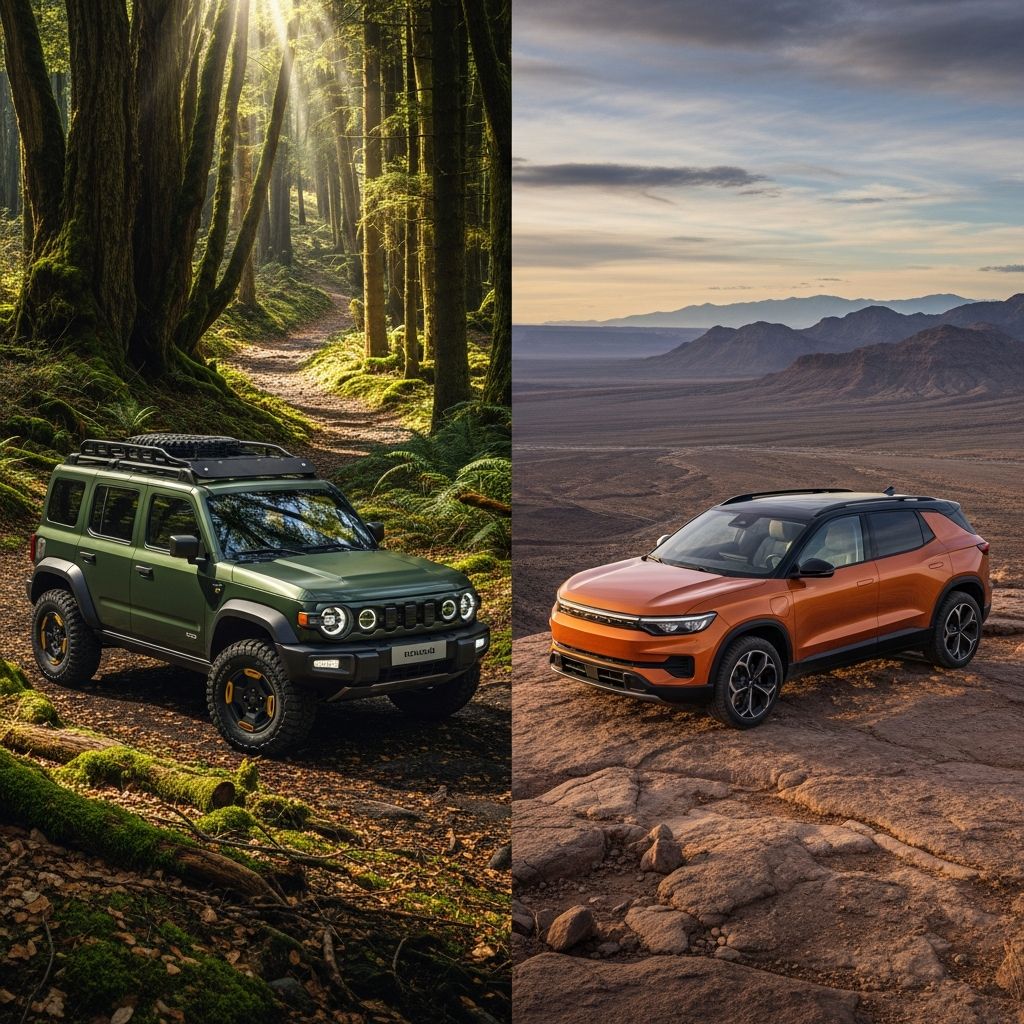
Evaluating Two Distinct Approaches to Electric Adventure: The 2026 Toyota bZ Woodland and Subaru Trailseeker
The automotive industry continues to evolve rapidly as manufacturers develop specialized electric vehicles for different market segments and consumer preferences. Among the latest entries in the electric sport utility vehicle category are two closely related models that share significant engineering DNA yet present markedly different value propositions to buyers. The 2026 Toyota bZ Woodland and 2026 Subaru Trailseeker represent an interesting case study in how two vehicles built on identical platforms can diverge substantially through design philosophy, feature allocation, and brand positioning.
Understanding the Partnership and Platform Foundation
Toyota and Subaru’s collaborative approach to vehicle development has yielded several successful models over recent years, with each manufacturer bringing its distinctive brand identity to shared mechanical foundations. This partnership extends to the electric vehicle market, where both companies recognized an opportunity to develop specialized SUVs for customers seeking outdoor capabilities combined with zero-emission technology. The bZ Woodland and Trailseeker exemplify how a common platform can support entirely different market strategies.
Both vehicles are constructed on the same 112.2-inch wheelbase and utilize identical powertrains, yet they target distinct buyer personas through thoughtful differentiation in exterior styling, interior appointments, and available features. This approach allows each manufacturer to maintain brand authenticity while leveraging economies of scale in production.
Visual Identity and Exterior Presentation
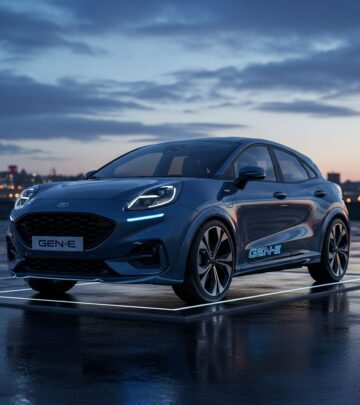
Perhaps the most immediately apparent distinction between these two SUVs lies in their aesthetic direction. The bZ Woodland adopts a contemporary, streamlined design language characterized by clean lines and refined proportions. Its front end features Toyota’s distinctive ‘hammerhead’ LED lighting signature, creating a modern appearance that appeals to buyers seeking sophisticated styling in their electric vehicles. The model incorporates black wheel arch cladding that visually broadens the stance while maintaining a refined overall presentation.
Conversely, the Trailseeker embraces a more rugged, exploration-oriented aesthetic that aligns with Subaru’s heritage in producing vehicles for adventurous drivers. The Trailseeker’s front end showcases a six-star illuminated logo and distinctively styled headlamps paired with protective bumper armor, creating an immediately trail-ready appearance. This exterior treatment, combined with contrasting body cladding and wheel arch treatments, signals capability and durability to potential customers.
Both vehicles extend approximately six inches longer and nearly an inch taller than their respective compact siblings within each manufacturer’s lineup. This additional length translates into meaningful improvements in interior space and cargo capacity. Standard roof rails on both models underscore their positioning as practical adventure vehicles, with Subaru specifying a 700-pound static load capacity for the Trailseeker’s roof system.
Wheel options further differentiate the two vehicles. The bZ Woodland features unique 18-inch aluminum wheels with removable covers as standard equipment. The Trailseeker offers buyers the choice between newly designed 18-inch wheels or optional 20-inch alternatives, providing greater customization possibilities.
Powertrain Specifications and Performance Characteristics
Both the bZ Woodland and Trailseeker share identical core propulsion systems, utilizing a 74.7 kWh lithium-ion battery paired with dual 167 kW electric motors that combine to produce 375 horsepower. This configuration delivers identical acceleration performance, with both vehicles capable of reaching 60 mph in 4.4 seconds, positioning them competitively within the electric SUV segment.
Range capabilities align closely between the two models, though variations depend on tire selection and trim level. The bZ Woodland achieves 281 miles of EPA-estimated range when equipped with standard tires, with this figure declining to 260 miles when the available all-terrain tire option is selected. The Trailseeker Premium trim delivers 281 miles of EPA-estimated range, while the Limited and Touring variants achieve 274 miles.
Both vehicles employ a 391-volt battery system and incorporate the North American Charging Standard (NACS) inlet, enabling access to Tesla Supercharger networks across North America. DC fast-charging times prove remarkably similar, with the bZ Woodland achieving approximately 30 minutes for a 10-to-80 percent charge while the Trailseeker accomplishes the same charge in 28 minutes. Both vehicles support charging speeds up to 150 kW, providing practical refueling times for extended trips.
Off-Road Capability and Terrain Management
For buyers considering these vehicles as genuine adventure companions, off-road performance capabilities merit careful consideration. Both models incorporate sophisticated all-wheel drive systems with specialized terrain management technologies. The bZ Woodland features Toyota’s X-MODE system coupled with Grip-Control technology, while the Trailseeker employs Subaru’s branded X-MODE system with dual-mode functionality and Downhill Assist Control.
These systems enable both vehicles to navigate challenging terrain effectively. X-MODE provides Snow/Dirt and Deep Snow/Mud settings that optimize traction distribution and throttle response according to surface conditions. Ground clearance measurements prove nearly identical, with the bZ Woodland offering 8.4 inches and the Trailseeker providing 8.5 inches.
Turning radius represents one quantifiable performance difference, with the Trailseeker’s 36.7-foot turning circle proving superior to the bZ Woodland’s 40.0-foot radius. This advantage facilitates maneuverability in tight trail conditions or parking scenarios. Both vehicles deliver 3,500-pound towing capacity, supporting practical utility for adventure-oriented owners.
Interior Comfort and Technological Integration
Interior environments in both vehicles reflect modern electric SUV standards, featuring spacious cabins equipped with contemporary convenience technologies. A 14-inch touchscreen infotainment system serves as the central hub for vehicle controls and entertainment functions in both models, supporting wireless Apple CarPlay and Android Auto connectivity.
Climate control features differ between base trim levels. The bZ Woodland provides front and rear heated seats plus a heated steering wheel as standard equipment on all trims. The Trailseeker Premium base trim includes only heated front seats without heated steering wheel capability, though these features become available on higher trim levels.
Both vehicles offer dual wireless smartphone charging pads for practical device charging during journeys. The bZ Woodland includes a 1,500-watt AC household power outlet as standard, enabling integration with home-use electronics. Seating materials differ as well, with the bZ Woodland featuring synthetic leather-trimmed seats while the base Trailseeker utilizes water-repellent fabric construction.
Safety Systems and Driver Assistance Features
Contemporary safety expectations extend beyond basic crash protection, incorporating advanced driver assistance systems that enhance accident prevention. The bZ Woodland comes equipped with Toyota Safety Sense 3.0, Toyota’s comprehensive suite of active safety technologies. The Trailseeker features Subaru’s EyeSight Driver Assist Technology, Subaru’s equivalent safety platform that has earned recognition for effectiveness in various independent testing scenarios.
Both vehicles include a 360-degree camera system that provides comprehensive exterior visibility, though this feature is standard on the bZ Woodland while representing an optional addition to certain Trailseeker trims. These systems prove particularly valuable for navigating confined spaces or monitoring vehicle surroundings during low-speed maneuvering.
Cargo and Passenger Accommodation
The extended dimensions of both vehicles compared to their respective compact SUV counterparts translate into meaningful practical advantages. Behind the front seats, the bZ Woodland provides up to 74.3 cubic feet of cargo space while the Trailseeker offers 74 cubic feet, representing negligible practical differences. This volume supports substantial gear transportation for recreational activities, making both vehicles well-suited for outdoor enthusiasts.
The addition of six inches in length over standard versions accommodates more than merely cargo considerations. Passenger comfort benefits from enhanced interior volume, and the extended dimensions provide improved comfort for taller occupants.
Pricing Strategy and Feature Value Proposition
A significant differentiator between these vehicles emerges in their pricing and trim structure approaches. Toyota markets the bZ Woodland in two configurations: a base model and a Premium variant. Subaru distributes Trailseeker equipment across three trim levels: Premium, Limited, and Touring.
The bZ Woodland’s starting price exceeds the Trailseeker Premium by approximately $5,305, reflecting Toyota’s decision to include more equipment as standard on all variants. This premium content includes features that buyers might need to upgrade to higher Trailseeker trims to access. For example, the heated steering wheel, rear heated seats, and synthetic leather seating available only on the base bZ Woodland would require moving to the Trailseeker Touring trim for equivalent content.
Toyota also includes two years or 25,000 miles of scheduled maintenance coverage with all bZ Woodland purchases, though this benefit provides limited practical value for electric vehicles that eliminate traditional oil change requirements.
| Feature | Toyota bZ Woodland Base | Subaru Trailseeker Premium |
|---|---|---|
| Synthetic Leather Seating | Standard | Optional |
| Front Heated Seats | Standard | Standard |
| Rear Heated Seats | Standard | Optional (Touring) |
| Heated Steering Wheel | Standard | Optional (Touring) |
| 360-Degree Camera | Standard | Optional |
| AC Power Outlet (1500W) | Standard | Optional (Touring) |
Brand Philosophy and Target Audience Segmentation
Understanding the intended buyer profile for each vehicle illuminates their design and feature allocation choices. The bZ Woodland targets buyers who prioritize contemporary aesthetics and comprehensive standard equipment, viewing the vehicle as a modern luxury electric SUV that happens to possess adventure capabilities.
The Trailseeker appeals to consumers who identify with Subaru’s outdoor-focused brand heritage and adventurous positioning. These buyers may accept more minimal base-model equipment as a fair trade-off for lower entry pricing and the ability to customize their experience through selective trim upgrades.
This segmentation explains why Subaru labels its all-wheel drive system “Symmetrical” despite using identical hardware to the bZ Woodland—brand identity and customer expectation management play meaningful roles in vehicle positioning.
Frequently Asked Questions
Do these vehicles share the same chassis and mechanical components?
Yes, both vehicles utilize identical 112.2-inch wheelbases, the same 74.7 kWh battery system, dual 167 kW motors producing 375 horsepower, and functionally equivalent all-wheel drive systems. The primary distinctions lie in exterior styling, interior appointments, and feature availability rather than fundamental engineering.
Which vehicle offers better charging speed?
Both vehicles support identical 150 kW DC fast-charging rates. The Trailseeker achieves a 10-to-80 percent charge in 28 minutes compared to the bZ Woodland’s approximately 30 minutes—a negligible practical difference.
Are these vehicles suitable for serious off-road use?
Both vehicles incorporate terrain management systems and adequate ground clearance for recreational off-roading and challenging driving conditions. However, they should be classified as adventure-capable SUVs rather than purpose-built off-road vehicles. Their electric powertrains and road-focused suspension tuning position them for light-to-moderate terrain challenges rather than extreme off-roading.
What represents the best value proposition?
Value depends entirely on individual priorities. The Trailseeker Premium offers the lowest entry price and appeals to budget-conscious buyers comfortable selecting features through trim upgrades. The bZ Woodland provides greater standard content on all trims, benefiting buyers who prefer comprehensive equipment packages.
How do safety features compare?
Both vehicles incorporate advanced driver assistance systems through Toyota Safety Sense 3.0 and Subaru EyeSight respectively. The bZ Woodland includes a 360-degree camera system as standard while this represents an optional feature on the Trailseeker.
Conclusion: Selecting Your Electric Adventure Companion
The 2026 Toyota bZ Woodland and Subaru Trailseeker represent thoughtful product planning that allows each manufacturer to serve distinct market segments using shared engineering foundations. The bZ Woodland appeals to buyers seeking contemporary design language and comprehensive standard equipment justifying its premium positioning. The Trailseeker attracts value-conscious consumers who embrace Subaru’s adventurous brand identity and prefer customizing their vehicle through selective feature selections.
Both vehicles deliver competent performance for their intended roles, with nearly identical mechanical capabilities enabling confident operation across diverse driving conditions and terrain types. The choice between them ultimately reflects personal priorities regarding design aesthetics, brand affinity, and feature preferences rather than fundamental capability differences.
References
- 2026 Toyota bZ Woodland vs 2026 Subaru Trailseeker — TopElectricSUV. 2026. https://topelectricsuv.com/electric-cars/toyota-bz-woodland-subaru-trailseeker/
- New 2026 Toyota bZ Woodland Vs. 2026 Subaru Trailseeker — YouTube. 2026. https://www.youtube.com/watch?v=JeZhgmOZpFY
- Why Is the 2026 Toyota bZ Woodland $5,000 More Than Its Subaru Trailseeker Twin? — Cars.com. 2026. https://www.cars.com/articles/why-is-the-2026-toyota-bz-woodland-5000-more-than-its-subaru-trailseeker-twin-522467/
Similar Articles



Read full bio of Sneha Tete