2021 Toyota GR Supra Performance Analysis
Discover how Toyota's turbocharged sports car delivers thrilling performance with everyday practicality.
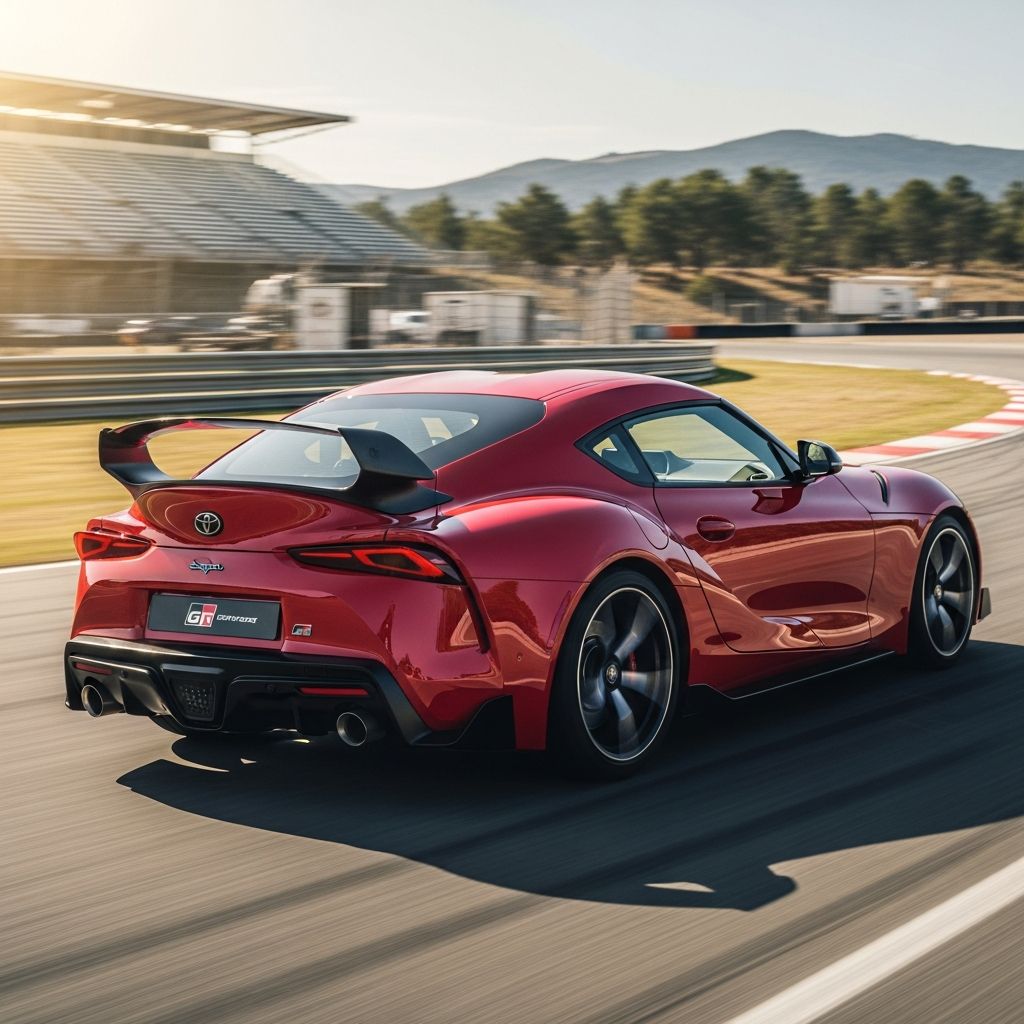
The 2021 Toyota GR Supra: A Modern Sports Car That Redefines Accessible Performance
The automotive landscape has witnessed a remarkable transformation in recent years, particularly within the sports car segment where manufacturers are striving to balance raw performance with everyday usability. The 2021 Toyota GR Supra represents a significant milestone in this evolution, offering enthusiasts a turbocharged driving experience that doesn’t compromise on practicality or affordability. This comprehensive analysis explores the vehicle’s engineering, performance characteristics, and overall driving dynamics that have made it a standout competitor in its class.
Powerplant Options: Choice Meets Performance
One of the most significant developments for 2021 involved Toyota’s commitment to broadening the Supra’s appeal through strategic engine choices. The automaker introduced a dual-engine lineup that caters to different consumer preferences and budgets, fundamentally changing the car’s market positioning.
The Turbocharged Inline-Six: Peak Performance
The flagship 3.0-liter turbocharged inline-six engine underwent substantial enhancements for the 2021 model year, addressing a common criticism from the previous generation. Toyota increased output significantly, with horsepower rising from 335 to 382, while torque remained robust at 368 pound-feet. This upgrade wasn’t merely a software recalibration—engineers redesigned critical components including the exhaust manifold, which switched from a “six into two” configuration to individual six-port design. Additionally, engineers modified the compression ratio from 11:1 to 10.2:1 through revised piston designs.
These mechanical refinements translated into tangible performance improvements. The 2021 model accelerates from zero to 60 mph in 3.9 seconds, compared to the previous year’s 4.1-second benchmark. Quarter-mile performance showed modest but meaningful gains, with the updated Supra completing the run in 12.3 seconds at 115.8 mph—approximately 0.2 seconds faster than its predecessor. This power delivery characteristics reveal an interesting dynamic: the additional horsepower manifests primarily at higher velocities rather than off-the-line, making the six-cylinder model particularly strong on highway acceleration and sustained driving scenarios.
The Turbocharged Inline-Four: Efficiency Meets Thrills
Toyota’s introduction of a four-cylinder option democratized Supra ownership, offering consumers a lightweight alternative without sacrificing the brand’s performance credentials. The 2.0-liter turbocharged inline-four generates 255 horsepower and 295 pound-feet of torque, sufficient for spirited driving while maintaining exceptional efficiency. This engine achieves zero-to-60 mph acceleration in approximately 5.0 seconds, with a theoretical top speed reaching 155 mph.
The weight advantage of the four-cylinder variant proved significant during testing. Coming in roughly 170 pounds lighter than the six-cylinder model, the 2.0-liter engine provided notable differences in driving dynamics and acceleration feel. Despite lower absolute performance figures, reviewers consistently noted that the four-cylinder delivers impressive acceleration response and maintains adequate power for highway driving and spirited cornering.
Transmission and Power Delivery Integration
Both engine variants channel their power through an eight-speed automatic transmission driving the rear wheels, a configuration that maintains the Supra’s sporting character while ensuring modern convenience. The transmission demonstrates intelligent calibration, adapting its behavior between city driving and highway cruising. In urban environments, the transmission responds appropriately to the car’s sporting suspension geometry, while highway driving benefits from smoother gear transitions and deliberate downshift programming.
Chassis Refinement and Handling Dynamics
Beyond engine enhancements, Toyota invested substantially in improving the Supra’s chassis dynamics for 2021, addressing feedback from the initial launch. Engineers implemented a comprehensive suspension overhaul that significantly elevated the vehicle’s cornering capabilities and everyday practicality.
Structural and Suspension Modifications
Toyota’s engineering team added strut tower braces beneath the hood to enhance structural rigidity and cornering stability, while simultaneously revising the adaptive damper rates and replacing all bumpstops. These modifications extended beyond simple stiffening—engineers recalibrated the vehicle’s steering response, stability control parameters, and electronically controlled differential settings to work harmoniously with the updated suspension geometry.
The practical result proved remarkable. Testers reported noticeably improved cornering stability and the ability to maintain precise lines through successive corners with greater confidence. The vehicle still rewards smooth, deliberate driving inputs, but demonstrates markedly improved forgiveness when encountering mid-corner road imperfections. This balance between precision and forgiveness elevated the Supra from a track-focused machine to a genuinely usable daily driver.
Steering and Control Characteristics
The refreshed steering system provides accurate, nicely weighted response that enhances the vehicle’s engaging personality without inducing nervous or overly sensitive inputs on highways. Reviewers consistently praised the steering’s directness and the way it communicates road feedback to the driver. The power steering calibration avoids the excessive darty behavior that plagues some modern sport-tuned vehicles, instead providing intuitive weight progression and feedback.
Real-World Fuel Economy Performance
One of the Supra’s most compelling attributes involves its fuel efficiency relative to performance capabilities—a characteristic that increasingly defines modern sports cars.
| Engine Option | EPA City | EPA Highway | EPA Combined | Test Results Highway |
|---|---|---|---|---|
| 3.0L Turbocharged Inline-Six | 22 mpg | 30 mpg | 25 mpg | 34 mpg |
| 2.0L Turbocharged Inline-Four | 25 mpg | 32 mpg | 28-29 mpg est. | 38-40 mpg |
Six-Cylinder Efficiency Expectations
The updated 3.0-liter engine showed competitive fuel consumption despite increased horsepower. EPA estimates established 22 mpg for city driving, 30 mpg on highways, and 25 mpg combined. Real-world highway testing revealed even stronger performance, with sustained 75-mph driving producing 34 mpg—a 4-mpg improvement over EPA estimates. This efficiency compares favorably against competing performance vehicles including the Chevrolet Camaro, Porsche Cayman GTS, and BMW M2.
Four-Cylinder Economy Advantages
The 2.0-liter model demonstrated exceptional fuel economy for a sports car context. Mixed driving produced approximately 31 mpg in real-world conditions, while steady 70-mph highway driving yielded over 40 mpg. Another testing scenario reported 38 mpg on the highway using the EPA’s 75-mph test route. These figures represent a remarkable achievement for a turbocharged sports car, exceeding the efficiency of many Toyota sedans while delivering genuine performance.
Driving Experience and Daily Usability
Beyond numerical performance metrics, the 2021 Supra’s true measure lies in how it conducts itself during everyday driving scenarios.
Suspension Compliance and Ride Quality
The Supra’s adaptive suspension maintains a degree of forgiving character suitable for daily driving despite the vehicle’s performance orientation. This represents a deliberate engineering choice, as excessive stiffness would penalize owners navigating typical road surfaces. The updated suspension geometry achieves this balance while still providing the responsiveness necessary for spirited driving sessions. However, some testers noted that broken road surfaces could produce somewhat harsh impacts, reflecting the inherent compromise between sports car responsiveness and ride comfort.
Practical Considerations and Design Aspects
The Supra’s low-slung design creates an authentic sports car experience with interior styling reflecting its high-performance DNA. Specific design elements contribute to the driving atmosphere, including the iconic double-bubble roof design and black Alcantara/leather sport seats. The minimalistic instrument cluster presents information clearly without unnecessary clutter. Window operation can be managed conveniently through the key fob’s unlock button, a thoughtful touch for convertible owners.
One notable issue involved wind buffeting when operating both windows down at speeds between 40 and 60 mph, a characteristic that affects the convertible driving experience. The aftermarket has addressed this through adhesive plastic pieces positioned near door mirrors, though some buyers would prefer factory resolution of this aerodynamic quirk.
Entry and Accessibility Considerations
Despite the Supra’s numerous strengths, the vehicle presents ingress and egress challenges inherent to low-slung sports car design. The supple leather seats and tight quarters require deliberate movement, potentially frustrating those with mobility restrictions or simply seeking an easy daily driver. This represents a genuine consideration for potential buyers, though it reflects the price of achieving the authentic sports car positioning.
Safety Technology and Equipment
The base Supra includes fundamental safety systems, though comprehensive protection requires investment in optional packages. Toyota’s Safety and Technology Package adds Dynamic Radar Cruise Control, Blind Spot Monitoring, Rear Cross-Traffic Alert, parking sensors, and Emergency braking capabilities—features that substantially improve confidence during highway driving. This package increases the purchase price by approximately $3,485, a meaningful consideration when budgeting for ownership.
Market Positioning and Value Proposition
The 2021 Supra occupies an interesting market position, offering turbocharged performance and engaging dynamics at price points substantially below traditional sports cars. The four-cylinder model provides entry at a lower investment threshold, while the six-cylinder variant appeals to those prioritizing outright performance. Both variants deliver engaging driving experiences that justify their respective positions within the sports car market.
Engineering Philosophy and Development
The 2021 updates reflect Toyota’s commitment to continuous improvement based on owner feedback and market response. The 2020 launch faced criticism regarding the three-liter engine’s power output, a concern that Toyota addressed directly through substantial engineering refinement rather than minor tweaks. This approach demonstrates a willingness to invest in meaningful improvements rather than superficial updates.
Comparative Performance Context
The Supra’s performance characteristics position it competitively within the accessible sports car segment. The 3.9-second zero-to-60 time rivals vehicles commanding premium prices, while the four-cylinder variant offers surprising performance-per-dollar value. Fuel economy figures exceed many competitors offering similar performance, providing operational cost advantages over the vehicle’s ownership lifecycle.
Conclusion: A Sports Car for Modern Times
The 2021 Toyota GR Supra successfully bridges the gap between performance aspiration and practical ownership, delivering turbocharged thrills without sacrificing everyday usability. Substantial improvements to the engine, suspension, and chassis demonstrate Toyota’s commitment to satisfying both enthusiasts and critics. Whether choosing the efficient four-cylinder or the powerful six-cylinder variant, buyers receive a genuinely engaging sports car that performs as advertised while maintaining surprising practicality. The Supra’s combination of authentic driving dynamics, reasonable pricing, and real-world efficiency establishes it as a compelling choice for sports car enthusiasts seeking modern performance.
References
- 2021 Toyota GR Supra Review, Pricing, and Specs — Car and Driver. 2021. https://www.caranddriver.com/toyota/supra-2021
- 2021 Toyota GR Supra First Test Review: Is the Updated A90 Quicker? — Motor Trend. 2021. https://www.motortrend.com/reviews/2021-toyota-gr-supra-3-0-first-test-review
- 2021 Toyota Supra 3.0 Review: Getting the Full-Powered B58 Experience — Out Motorsports. 2021-03. https://www.outmotorsports.com/2021/03/2021-toyota-supra-3-0-review-getting-the-full-b58-experience/
- Review: 2021 Toyota GR Supra 2.0 is still fun — The Road Beat. 2021. https://www.theroadbeat.com/post/review-2021-toyota-gr-supra-four-cylinder
- First drive review: The 2021 Toyota Supra 2.0 is the one that I want — Motor Authority. 2021. https://www.motorauthority.com/news/1128139_first-drive-review-the-2021-toyota-supra-2-0-is-the-one-that-i-want
Similar Articles





Read full bio of Sneha Tete